

As vaporizer experts at Norddampf , we deal with the various forms of cannabis consumption on a daily basis. While we prefer vaporizing for various reasons and develop ingenious vaporizers, we understand that many people still smoke cannabis. That's why we want to talk honestly about all aspects of cannabis consumption —without pointing fingers, but with sound knowledge.
The new cannabis law has changed a lot. Cannabis has been partially legalized in Germany, with possession and cultivation permitted under certain conditions. However, this also means more responsibility for consumers and more questions from beginners who want to learn about the different ways of consuming cannabis.
In this article, we explain everything you need to know about smoking cannabis—its effects on the body, the different methods, the risks, and why we at Norddampf recommend vaporizing. Here you will find honest answers to your questions.
Cannabis and the new cannabis law – what you need to know

A lot has changed since legalization by the Bundestag. The ban on cannabis has been partially lifted, but there are clear rules governing cannabis consumption. Particularly important: protecting children and young people is at the heart of the new law.
The most important points of the Cannabis Act
The new law allows adults to possess up to 25 grams of cannabis in public and up to 50 grams at home. Growing up to three plants is also permitted. But beware: there are strict prohibition zones.
Smoking cannabis or other cannabis use is prohibited in schools, youth facilities, playgrounds, and pedestrian zones. Consumption is also prohibited in the entrance areas of public buildings. These rules serve to protect young people and are intended to prevent children and adolescents from coming into contact with cannabis.
Why protecting young people is so important
Cannabis use can have serious consequences for young people. The brain continues to develop until around the age of 25, and cannabis can impair this development. That is why the law is particularly strict for minors—cannabis remains a prohibited drug for them.
International developments
Germany is following a global trend. Many states and countries have relaxed their cannabis laws or legalized cannabis completely. Experience from other countries shows that legalization can work if it is accompanied by education and youth protection measures.
What is cannabis? – The cannabis plant and its active ingredients
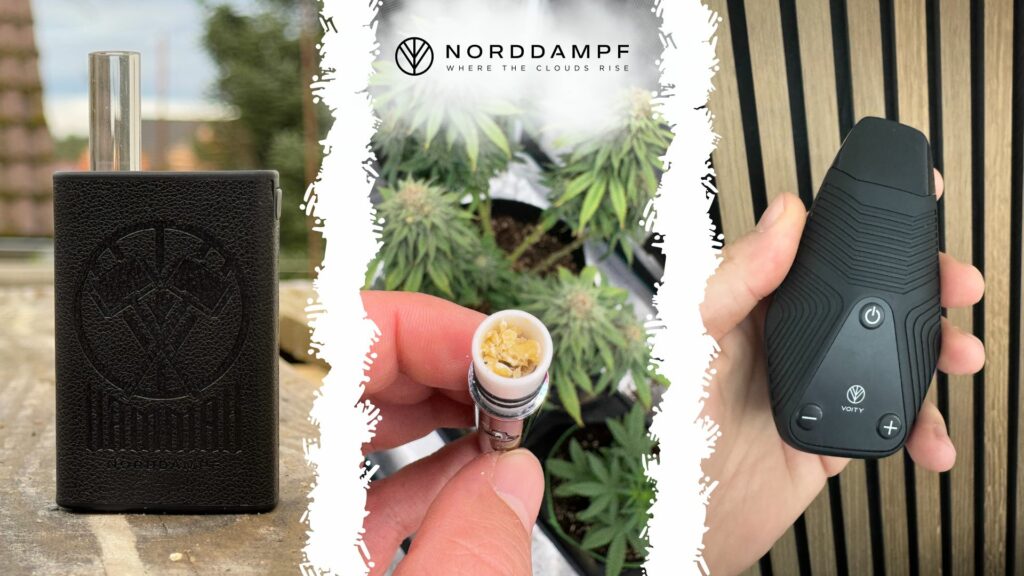
Cannabis, also known as marijuana or colloquially as "weed," comes from the cannabis plant. This plant contains over 100 different cannabinoids, of which delta-9 tetrahydrocannabinol (THC) is the best known. THC is the active ingredient responsible for the psychoactive effect.
The most important cannabinoids
In addition to THC, there are other important cannabinoids such as CBD ( cannabidiol), which is not psychoactive but is said to have various medicinal properties. These cannabinoids interact with the cannabinoid receptors in our body and influence various bodily functions.
Various cannabis products
Cannabis comes in various forms. The best known are:
Cannabis flowers – the dried flower buds of the female cannabis plant. These are usually smoked or vaporized. Concentrates and extracts – highly concentrated forms of cannabis with a higher THC content. Edibles such as cookies or other foods – cannabis for eating, which has a different effect and duration.
Each type of application has different effects on the body and requires different preparation.
Smoking cannabis for beginners – what you need to know
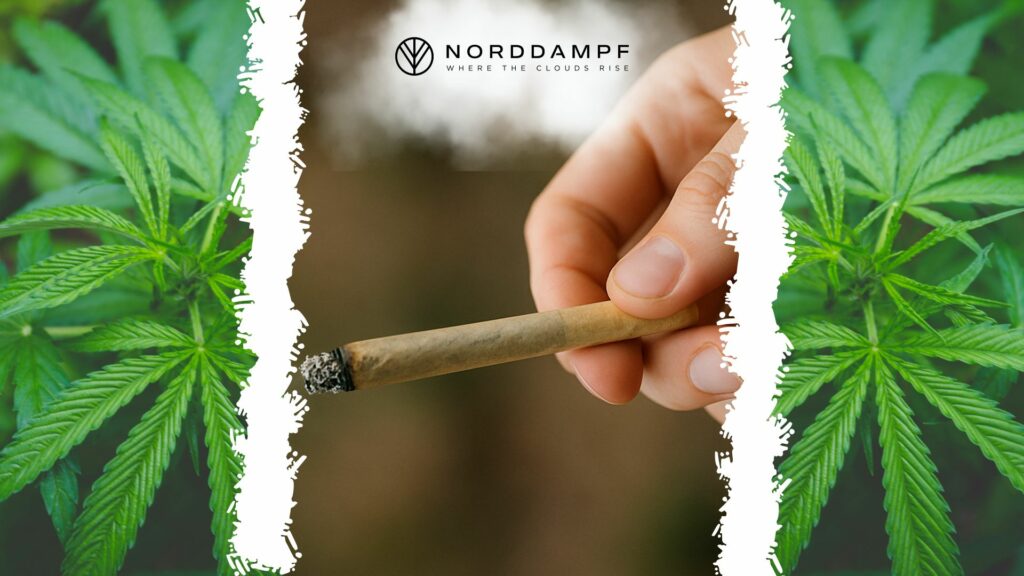
For beginners, their first experience with cannabis can be overwhelming. Smoking cannabis for beginners requires knowledge about dosage, effects, and potential risks. Here are the most important points to keep in mind. If you want to learn more about the proper use of cannabis, check out our article How to consume cannabis.
The right dose for beginners
When it comes to cannabis, less is more. Beginners should start with very small amounts —a few crumbs are enough for the first test. The effect can vary greatly depending on the strain, THC content, and individual tolerance.
An important point: the effects of smoking cannabis are felt quickly, usually within a few minutes. This is different from eating cannabis, where the effects are only felt after 30 minutes to two hours.
Preparation and safety
Smoking cannabis for beginners should always take place in a safe environment. Make sure you feel comfortable, are surrounded by people you trust, and don't have any important appointments coming up. The effects can last for several hours.
Possible reactions
Everyone reacts differently to cannabis. While some people feel euphoric and relaxed, others may experience nausea, hallucinations, or anxiety. It is particularly important to listen to your body the first few times you try it.
The effects of cannabis on the body
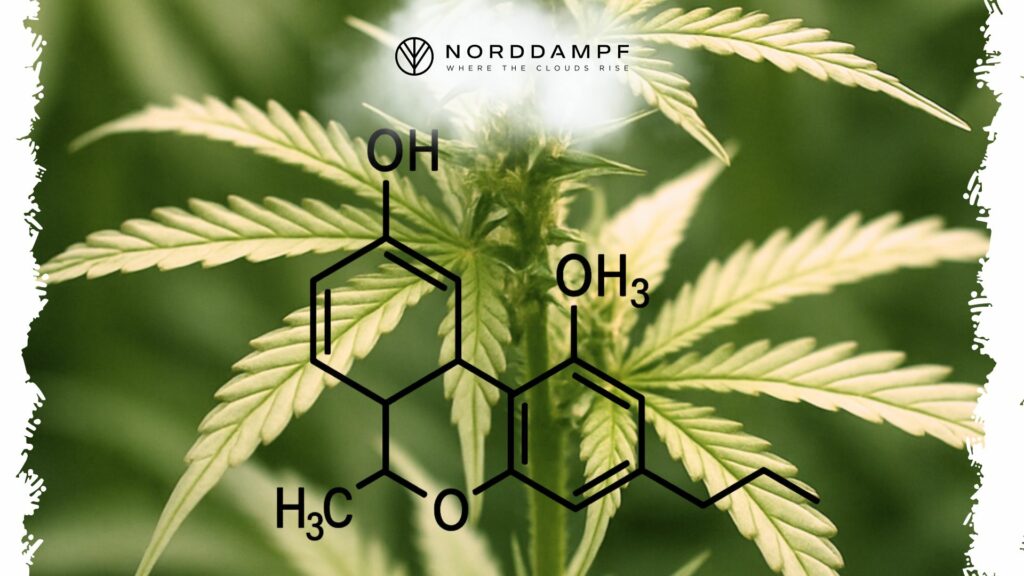
To understand why we at Norddampf prefer Norddampf , we first need to understand what happens in the body when cannabis is consumed. The effect is complex and affects various organ systems.
How cannabis affects the body
When you consume cannabis, the cannabinoids enter the bloodstream via the lungs and from there into the brain. There they bind to the cannabinoid receptors and influence various functions such as mood, memory, pain perception, and appetite.
The method of consumption greatly influences how quickly and intensely the effects are felt. When smoking or inhaling, you will feel the effects within minutes, whereas when eating, it can take hours.
Processing in the liver
Cannabis is mainly broken down in the liver. This process can take different amounts of time depending on the frequency of use and individual factors. With regular use, cannabinoids can remain detectable in the body for weeks.
Short-term and long-term effects
The immediate effects of cannabis can be positive: relaxation, euphoria, heightened sensory perception. But there are also possible negative reactions such as anxiety, paranoia, or concentration problems.
Long-term, intensive use can lead to tolerance and psychological dependence . Regular cannabis use can impair brain development, especially in young people.
Different methods of smoking cannabis
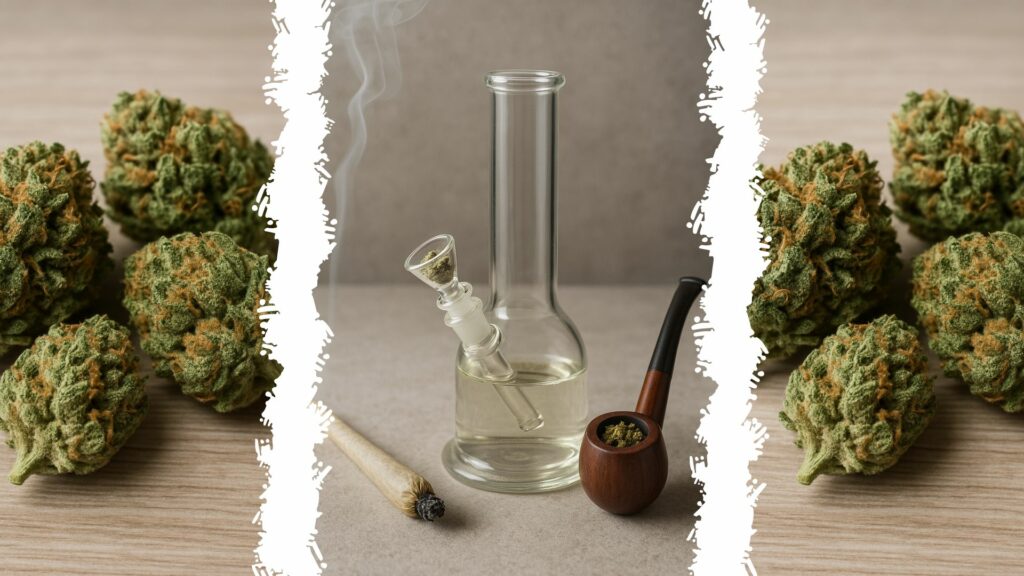
There are various ways to smoke cannabis. Each method has its own characteristics and is suitable for different situations and preferences.
The joint – the classic form
The joint is the most common way to smoke cannabis. It involves rolling the crushed cannabis in cigarette paper and lighting it. Many people mix cannabis with tobacco, but this poses additional health risks.
A joint allows for controlled dosing—you can pause after each puff and wait for the effects to kick in. This is an advantage for beginners, as it allows them to better control the dose.
The bong – intense consumption
A bong is a water pipe that filters and cools the smoke through water. This makes smoking less harsh, but also more intense. One hit from a bong can have a significantly stronger effect than one hit from a joint.
Bongs can be overwhelming for beginners, as the dose is more difficult to control. Experienced users appreciate the efficiency and cooling effect of the water.
The pipe – simple and direct
Cannabis pipes are the simplest method: put the cannabis in, light it, inhale. They are small, portable, and require no preparation. The disadvantage is that the smoke is unfiltered and often hotter than with other methods.
What happens when you smoke cannabis? – The science behind it
Smoking cannabis generates temperatures of 800 to 1000 degrees Celsius. At these extreme temperatures, not only does the cannabis burn, but hundreds of by-products are also created—many of which are harmful to health.
Combustion products and their risks
Smoking cannabis produces similar harmful substances to those found in cigarette smoke: tar, carbon monoxide, benzopyrene, and other carcinogenic compounds. These substances put strain on the lungs and can lead to long-term health problems.
This is one of the main reasons why we at Norddampf prefer Norddampf . Our vaporizers heat cannabis to only 160-220 degrees Celsius —enough to release the cannabinoids, but not enough to produce harmful combustion products.
Please also check out our article Vaporizer vs. Joint.
Efficiency and loss of active ingredients
When smoking cannabis, around 60-70% of the active ingredients are lost. They burn before they can be inhaled or escape as sidestream smoke. This is not only a waste of material, but also uneconomical.
With a high-quality vaporizer from Norddampf , you Norddampf 80-90% of the available cannabinoids. This means you need less material to achieve the same effect while also protecting your lungs.
Smoking cannabis vs. vaporizing – why we prefer vaporizers
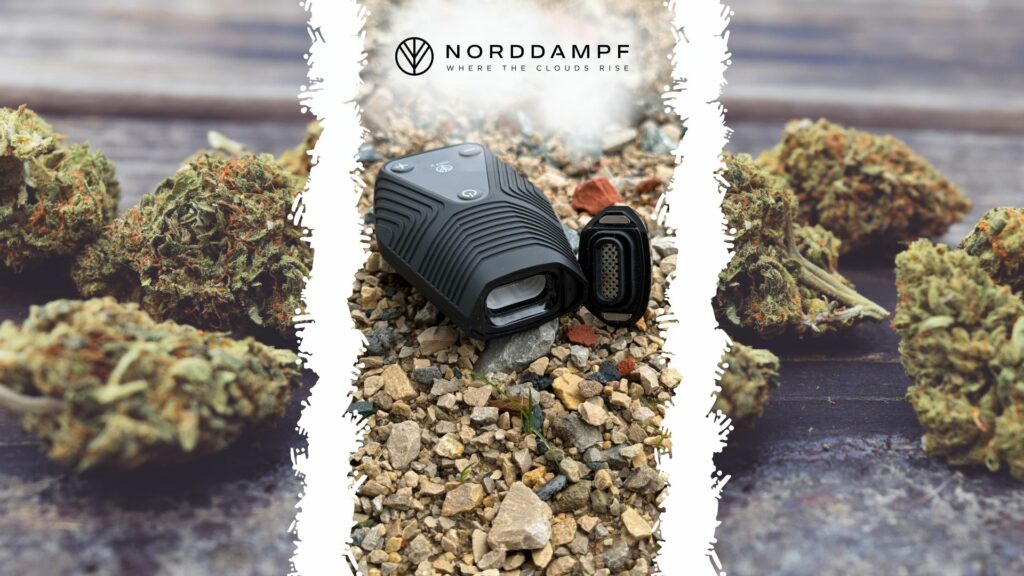
As experts in vaporization technology, we see the differences between smoking and vaporizing every day. Here are the most important reasons why we at Norddampf recommend Norddampf :
Health benefits
The most important reason: vaporization does not produce any combustion products. No tar, no carbon monoxide, no carcinogenic compounds. The strain on the lungs is significantly lower.
Improved efficiency
Vaporizers use cannabis much more efficiently. While two-thirds of the active ingredients are lost when smoking, a good vaporizer extracts almost all cannabinoids. This saves money and material in the long term.
Pure taste
When vaporizing, you can taste the pure terpenes and aromas of the cannabis plant. When smoking, the taste of combustion masks these subtle nuances. For connoisseurs, this is a decisive advantage.

More discreet application
Vaporizers produce less odor and no visible smoke. This makes consumption more discreet and less conspicuous —an important point, especially since legalization with its restrictions in public areas.
Norddampf – ingenious technology
At Norddampf , we Norddampf ingenious vaporizers for years that get the best out of your cannabis. Our devices combine precise temperature control, high-quality materials, and sophisticated design.
Whether portable vaporizers for on the go or tabletop devices for at home, our vaporizers offer a clean, efficient alternative to smoking. The investment quickly pays for itself thanks to lower material consumption.
Health aspects and risks
Cannabis use is not risk-free, regardless of the form. As responsible experts, we must be honest about the possible consequences.
Short-term risk
Smoking cannabis can cause various short-term reactions: dizziness, nausea, anxiety, or, in rare cases, hallucinations. These effects are usually temporary but can be unpleasant.
Beginners in particular should take care to consume in moderation and in a safe environment. The effects can vary greatly depending on the strain and individual tolerance.
Long-term health consequences
Regular cannabis smoking can cause similar lung problems to those associated with cigarette smoking. Chronic coughing, bronchitis, and other respiratory diseases are possible.
Cannabis use among young people is particularly problematic. Regular use can cause permanent damage to the developing brain. That is why the protection of minors is so important in the new cannabis law.

potential for dependency
Cannabis can be psychologically addictive, especially with daily use. About 9% of users develop an addiction. The risk is higher among young people.
Interactions and contraindications
Cannabis can interact with other medications and is not suitable for everyone. People with heart problems, mental illness, or pregnant women should refrain from using cannabis.
Cannabis in medicine – prescription use
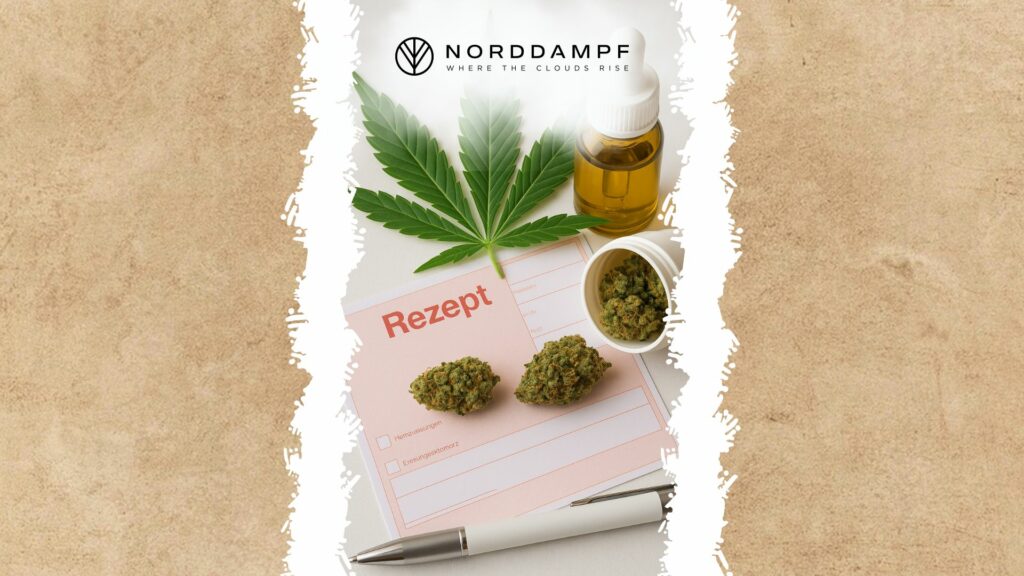
Cannabis is not only a recreational drug, but also a medicine. In Germany, doctors can prescribe cannabis if other therapies are not sufficiently effective.
Medical applications
Cannabis is used medicinally for various conditions: chronic pain, epilepsy, multiple sclerosis, nausea during chemotherapy, and other conditions. The effect is based on the interaction of cannabinoids with the body's own endocannabinoid system.
Differences from leisure consumption
Medical cannabis is subject to strict quality controls and is administered in standardized doses. It is used under medical supervision and with clear therapeutic goals.
For medical applications, vaporization is often the preferred method, as it allows for precise dosing and is less harmful to the lungs than smoking.
Practical tips for responsible cannabis use
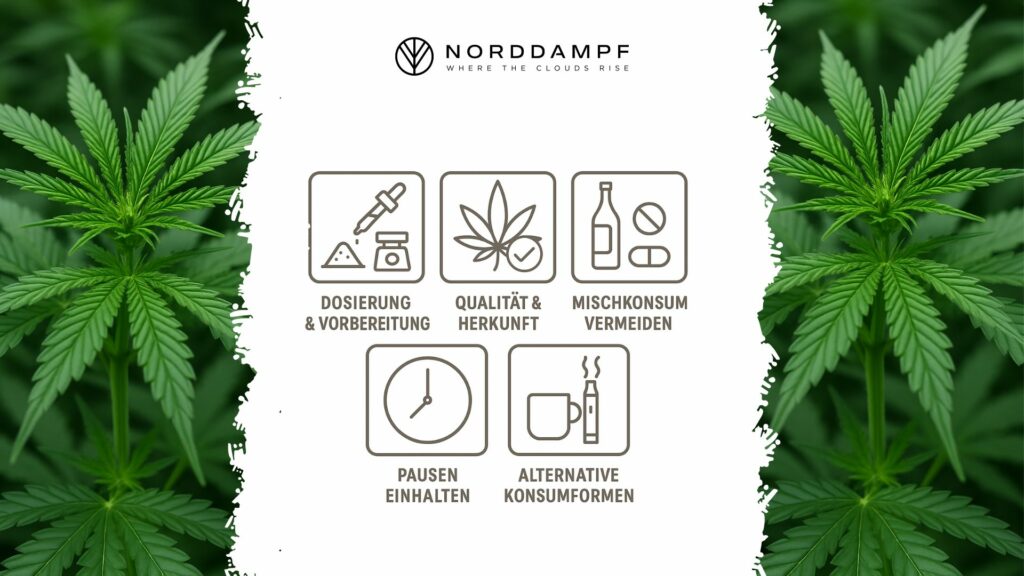
If you decide to consume cannabis, here are some tips for responsible use:
Dosage and preparation
Always start with small amounts, especially as a beginner. The rule "start low, go slow"applies to all forms of cannabis consumption. Prepare yourself: ensure you have a safe environment, trustworthy people around you, and no important appointments.
Quality and origin
Pay attention to the quality of your cannabis. Since legalization, there are legal sources that offer controlled quality. Avoid cannabis of unknown origin or with additives.
Avoid mixed consumption
Do not combine cannabis with alcohol or other drugs. This increases the risk of unpredictable reactions and can be dangerous.
Take breaks
Regular breaks from consumption help to prevent tolerance from developing and reduce the risk of psychological dependence.
Alternative forms of consumption
Consider whether smoking is really the best method for you. Vaping is healthier, edibles have a different effect, and there are many other options.
Frequently asked questions about cannabis use
Is smoking cannabis legal?
Since the new cannabis law came into effect, cannabis has been partially legal for adults. However, there are strict rules: consumption is prohibited in schools, youth facilities, playgrounds, and pedestrian zones. The protection of children and young people is also a key focus.
How long does cannabis last?
The effects of smoking cannabis are felt quickly and usually last for 2-4 hours. When cannabis is eaten, the effects can last for 6-8 hours or longer. The duration depends on the dose, tolerance, and individual factors.
Is it possible to overdose on cannabis?
A fatal overdose is practically impossible, but unpleasant reactions such as anxiety, nausea, or hallucinations may occur. In case of overdose, the following measures may be helpful: remain calm, drink plenty of fluids, and stay in a safe environment.
Is cannabis addictive?
Cannabis can be psychologically addictive, especially with regular use. It does not cause physical dependence like nicotine, but psychological dependence can become problematic.
Is vaporizing really better?
From a health perspective, definitely yes. Vaporization does not produce combustion products and is more efficient. That's why we at Norddampf develop Norddampf vaporizers as a healthier alternative to smoking.
What about cannabis in food?
Cannabis in cookies or other foods has a different effect than smoking. The effects kick in later, last longer, and are often more intense. This makes it harder for beginners to gauge the right dosage.
Our conclusion as vaporizer experts
As experts at Norddampf , we see smoking cannabis as one of many forms of consumption. We respect everyone's decision, but for various reasons we prefer vaporization.
Why we recommend vaporizers
The advantages are clear: fewer health risks, greater efficiency, purer taste, and more discreet use. Our ingenious vaporizers at Norddampf offer a modern, healthier alternative to traditional smoking.
Respect for all forms of consumption
Nevertheless, we respect everyone who continues to smoke. The important thing is that the decision is based on complete information and that consumption is responsible .
The role of education
Legalization brings with it greater responsibility. Education about risks, effects, and alternative forms of consumption is more important than ever. Protecting children and young people must be a top priority.
Our contribution
At Norddampf , we not only Norddampf ingenious vaporizers, but also contribute to education. We believe in informed decisions and responsible consumption – regardless of which form someone chooses.
The future of cannabis consumption
We are seeing a trend toward healthier forms of consumption. Vaping is becoming increasingly popular, new technologies are emerging, and health awareness is growing. Smoking will remain, but it will no longer be the only or dominant method.
This article is for informational and educational purposes only. It does not replace medical advice. Despite legalization, cannabis use is associated with associated with risks and is not suitable for everyone. Children, adolescents, and people with certain pre-existing conditions in particular should refrain from using cannabis. Find out about the current laws in your country and consume responsibly.