

Cannabigerol, or CBG for short, is increasingly coming into focus and has become a real trend topic in the world of cannabinoids. More and more manufacturers are launching products such as CBG oil, capsules, or mixtures of CBD and CBG, and consumer interest is growing steadily. The nickname"mother cannabinoid"already hints at the special role CBG plays in the hemp plant: it is the precursor to well-known active ingredients such as CBD and THC and thus a central component of the entire cannabinoid family. For a clear overview of how CBG is produced and why it is receiving so much attention, it is worth taking a closer look at its development and significance within the plant.
What is CBG and how is it produced?
CBG is the abbreviation for cannabigerol, a natural cannabinoid produced by the hemp plant itself. Its formation begins in the early stages of the plant's growth. At this stage, the hemp plant mainly produces cannabigerolic acid (CBGA). This precursor is a kind of chemical starting point from which other known cannabinoids develop through certain enzymes. This results in, among other things, THCA, which later converts to THC, and CBDA, the precursor to CBD.
Once the plant is fully mature, a large proportion of the CBGA has already been converted into these other cannabinoids. This is why the pure CBG content in harvested flowers is often negligible—usually less than one percent. This is precisely what makes CBG extraction so difficult. To obtain higher quantities, specialized companies cultivate hemp varieties that naturally produce more CBGA and harvest the plants earlier, before the conversion is complete.
How is CBG extracted?
The valuable cannabigerol is then extracted from the plant material using modern methods such as gentleCO₂ extraction. This technique ensures that as many active plant substances as possible are preserved and that the end product is particularly pure. All these additional steps explain why CBG products are often more expensive than comparable CBD oils and are considered premium products on the market.
What effects are attributed to CBG?
CBG is often referred to asthe "mother cannabinoid"because other cannabinoids such as CBD and THC are produced from its precursor CBGA during growth. This special role makes the substance interesting, but it also explains why it is only found in small quantities in mature hemp flowers. While CBD can be extracted relatively easily and cheaply, the extraction of CBG is more complex, which usually makes products with a high CBG content more expensive.
Despite its low concentration, CBG is increasingly becoming the focus of research. Initial studies suggest that it may have anti-inflammatory effects and influence the immune system. Antibacterial properties and possible protection of nerve cells are also being investigated. Some studies are investigating whether CBG can lower intraocular pressure or have a positive effect on digestion. However, these results are mainly based on laboratory and animal experiments, so no clear recommendations can yet be made for humans.
How does CBG work in the body?
CBG, or cannabigerol, interacts similarly to CBD with the body's endocannabinoid system, a network of cannabinoid receptors and messenger substances that controls functions such as sleep, mood, pain perception, and immune defense. Unlike THC, CBG does not bind directly to the classic CB1 and CB2 receptors, but rather has a regulating effect by modulating various processes in the body. This special role within cannabinoids is arousing great interest among scientists and manufacturers of CBG oil and other products, as it shows promising potential for various applications – even though meaningful clinical studies in humans are still pending.
What products containing CBG are available?
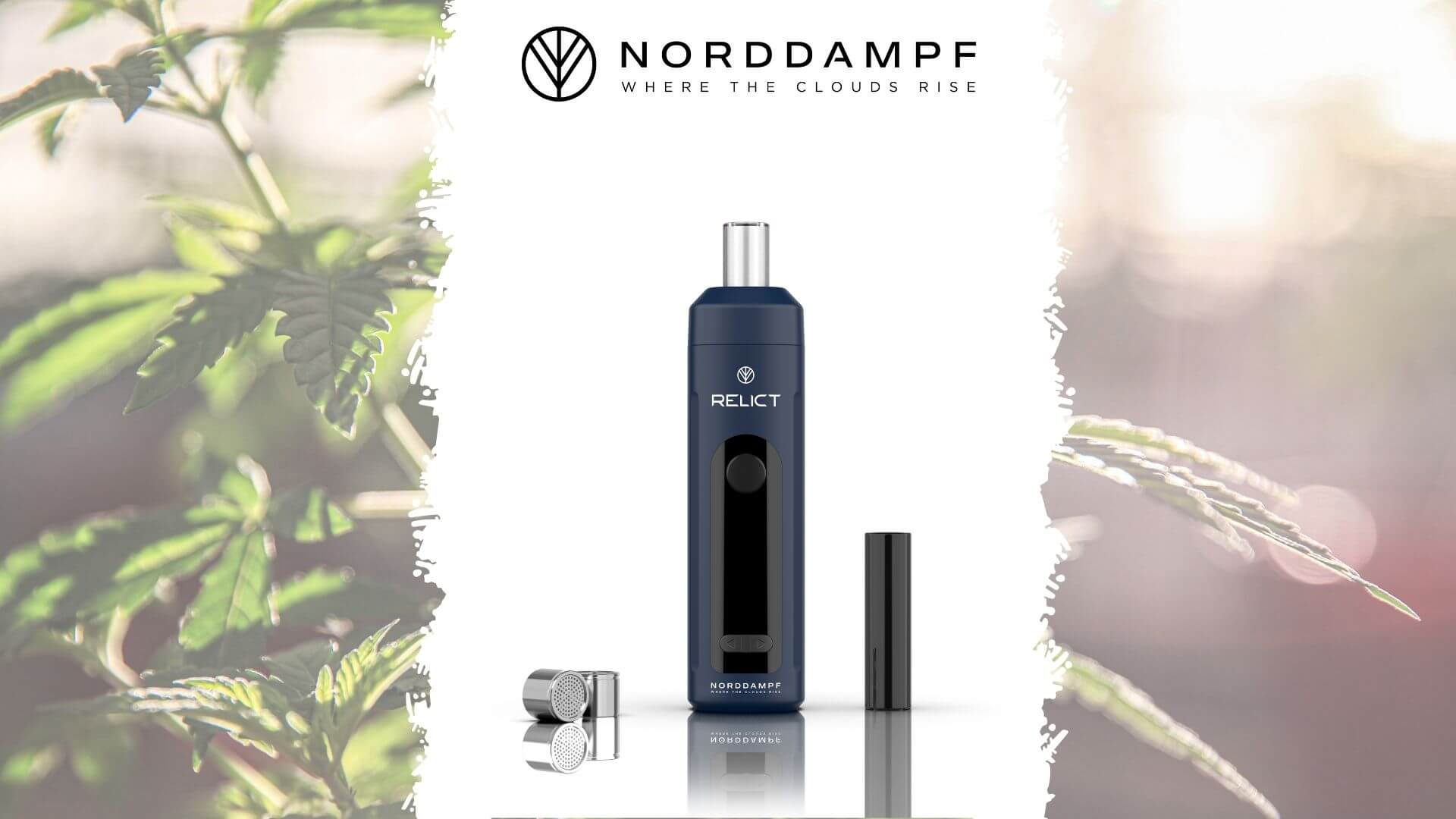
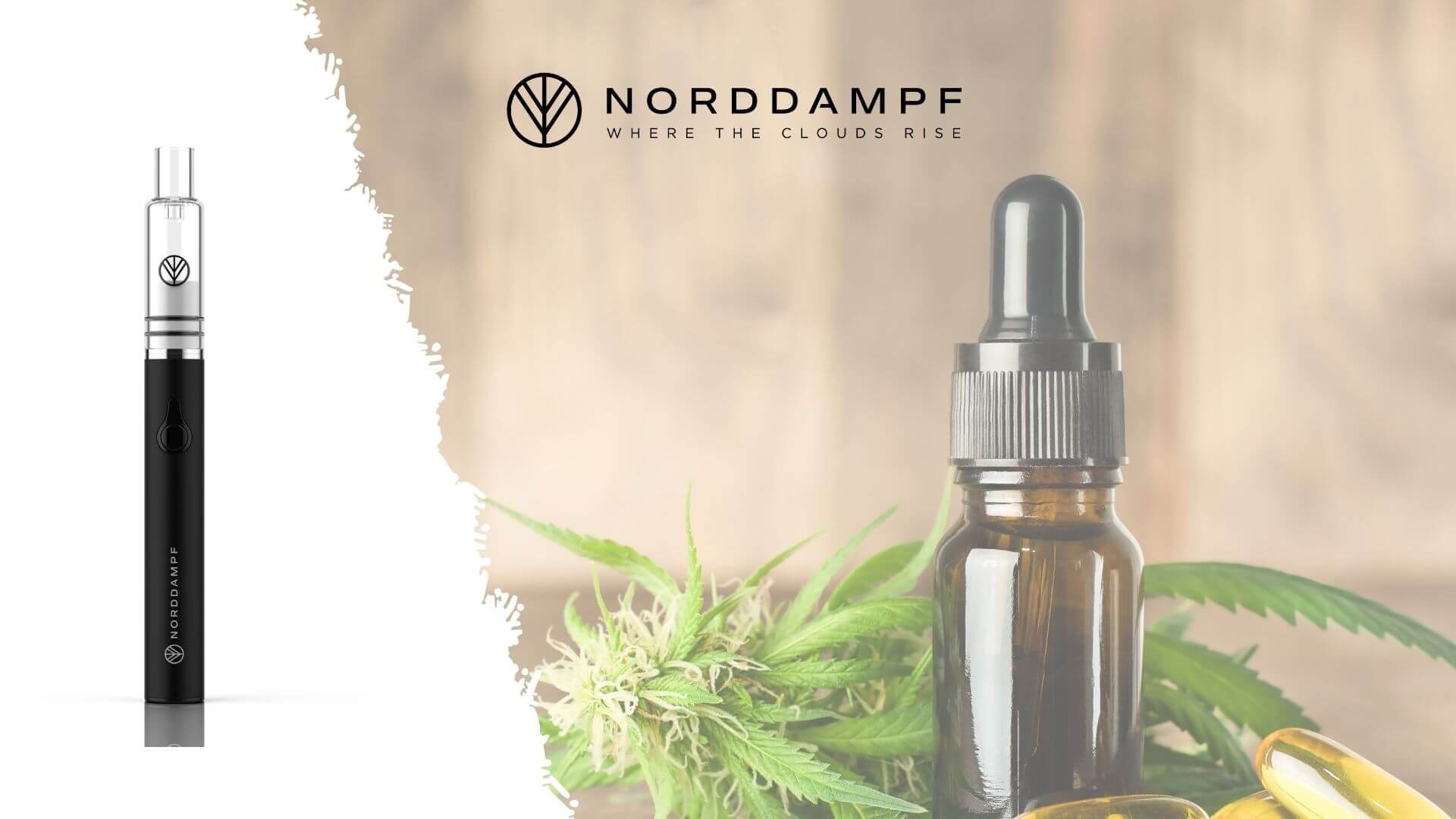
CBG is now available in various forms in stores. Oils are particularly common, often containing pure CBG or combined with CBD, allowing you to use both cannabinoids at the same time. There are also capsules for easy dosing and cosmetic products such as creams or balms, which are valued for their potential skin care properties. For those who prefer rapid absorption, CBG-containing liquids and vape pens are also available.
When purchasing, you should look for transparent information about the CBG content in milligrams or percent and check whether independent laboratory reports are available. Reputable manufacturers use gentle extraction methods such asCO₂ extraction and clearly indicate the THC content, which must be below 0.2 percent in Germany. This ensures that you are getting a safe and high-quality product.
What does current research say?
Research into CBG is still in its infancy, but is steadily gaining interest. Initial studies suggest that cannabigerol may have therapeutic potential in chronic pain, inflammation, increased intraocular pressure, or neurodegenerative diseases such as Parkinson's disease or multiple sclerosis. Possible applications in the digestive and immune systems are also being investigated. However, only limited results from laboratory and animal studies are available so far. Large-scale clinical trials in humans are lacking for reliable treatment or clear recommendations. Therefore, despite these exciting findings, CBG is currently considered a promising but not yet fully researched field within the diverse range of cannabinoids.
How safe is CBG, and what should you be aware of when consuming it—and how does it compare to CBD vs. CBG and hemp tea?
Based on current knowledge, CBG is considered to be well tolerated. Occasionally, people report mild side effects such as fatigue, gastrointestinal discomfort, or changes in appetite. If you take medication regularly, it is advisable to discuss possible interactions with a doctor in advance.
A comparison of CBD and CBG reveals a number of differences: CBD has been researched for much longer and is available in many CBD products such as oils, capsules, and cosmetics. CBG, on the other hand, is only just beginning to be scientifically investigated and is generally more expensive because it occurs only in small quantities in the hemp plant. Neither cannabinoid has an intoxicating effect, but they can have different effects on different individuals, which is why it is advisable to approach personal dosage slowly.
If you like it particularly mild, you can hemp tea can be a gentle alternative. It contains only minimal amounts of cannabinoids and is prepared like a classic herbal tea. This allows you to enjoy the aromas of the plant without having to worry about dosage or possible side effects. Whether you choose CBD, CBG, or hemp tea, always look for certified quality and clear information about the THC content so that you can enjoy your choice safely and relaxedly.