

Can tobacco be vaporized in a vaporizer? Technically speaking, the answer is yes—but you should definitely not do it! We at NORDDAMPF get asked this question NORDDAMPF again, and today we want to make it clear once and for all: vaporizing tobacco is a bad idea that is harmful to both your health and your vaporizer.
There are now numerous vapes and vaporizers on the market that have been specially developed using modern technology for vaporizing herbs. These devices are designed to bring out the aroma and flavor of the herbs to their fullest potential. When choosing the right model, users can customize various settings such as temperature range and session duration to achieve the best possible flavor experience. In contrast, tobacco does not offer the same aromatic benefits when vaped, as the substances and material of tobacco leaves are less suitable for developing a pleasant aroma.
While vaporizers for herbs are a fantastic, healthy alternative to smoking, this is definitely not the case for tobacco. In this detailed article, we explain why vaporizing tobacco is problematic, what damage it can cause, and what healthy alternatives are available.
Let's dispel the myths surrounding tobacco in vaporizers and show you why your vaporizer is meant for much better things!

Why tobacco in vaporizers is a bad idea
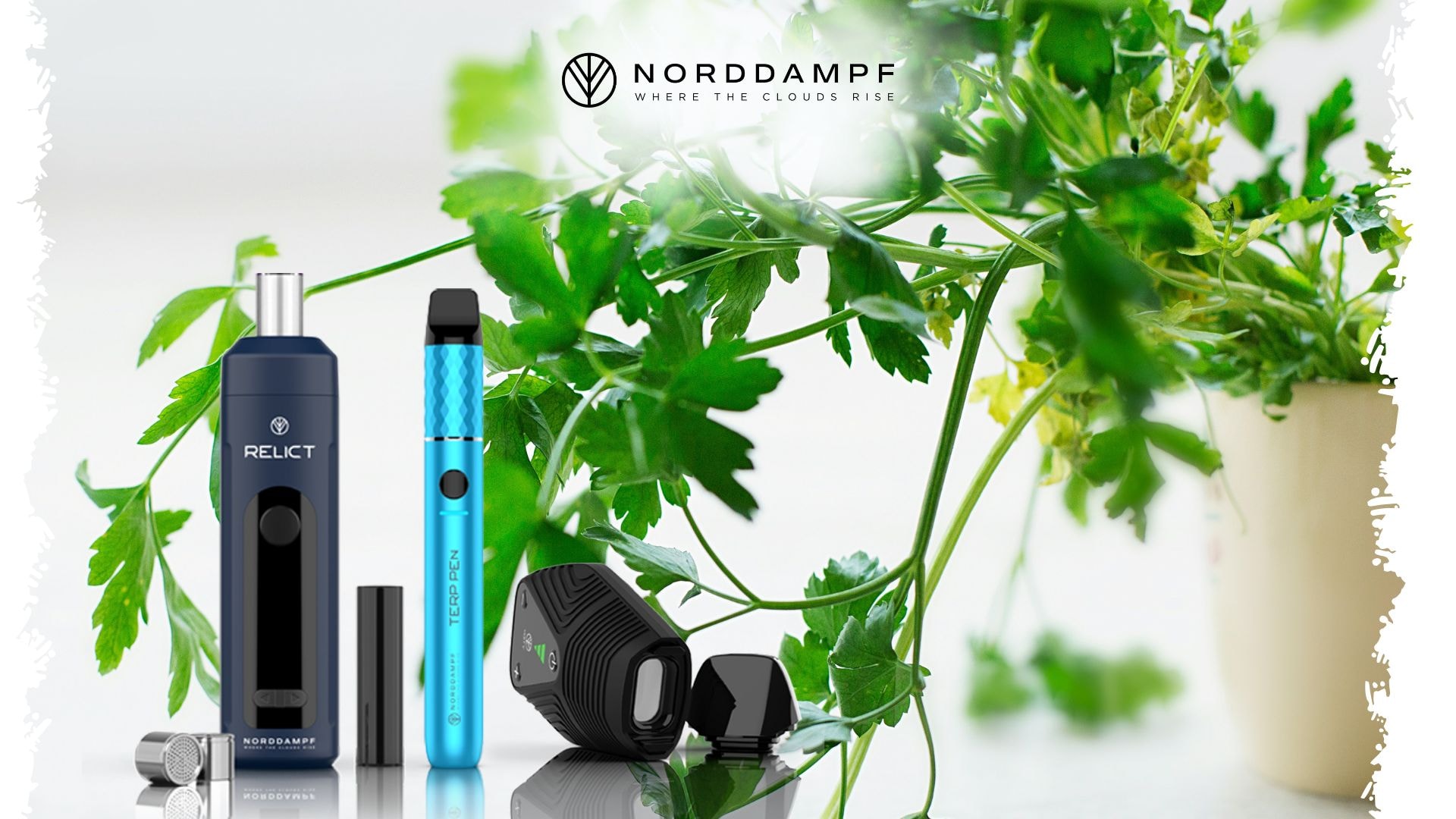
Many people mistakenly think: "Smoking is harmful, vaporizers are less harmful—so vaporizing tobacco is okay." This is a dangerous misconception! This logic does not apply to tobacco, because the problem lies not only in combustion, but in the tobacco itself.
Tobacco is designed to be burned, not vaporized. The tobacco industry processes tobacco leaves specifically for cigarettes and other smoking products. This involves adding flavorings, humectants, and other chemicals that become particularly problematic when vaporized. Different types of tobacco, the choice of material, the sticks used, and the respective flavors play a decisive role in the taste experience when vaporizing, as they influence the vapor, the aroma, and the efficiency of the device.
The fundamental problem: tobacco naturally contains three main components, all of which are problematic:
- Nicotine – The addictive alkaloid that retains its harmful properties even when vaporized
- Flavorings and additives – Artificial flavor enhancers and humectants that are not intended for the lungs
- Tars and resins – Natural components of the tobacco plant that are also released during vaporization
The substances contained and the material play a particularly important role in vaporization, as they significantly influence the effect, taste experience, and quality of the vapor.

Vaporizers are not designed for tobacco. They were developed specifically for natural herbs that have complex terpene profiles. With medicinal herbs or cannabis, the aim is to gently extract these valuable terpenes without using chemicals or damaging the lungs. Tobacco does not have these positive properties—quite the contrary.
The taste is simply awful. Anyone who has ever vaporized tobacco knows that it tastes bitter, harsh, and unpleasant. This is because tobacco is not designed for this type of extraction.
Health risks of tobacco – even when vaping
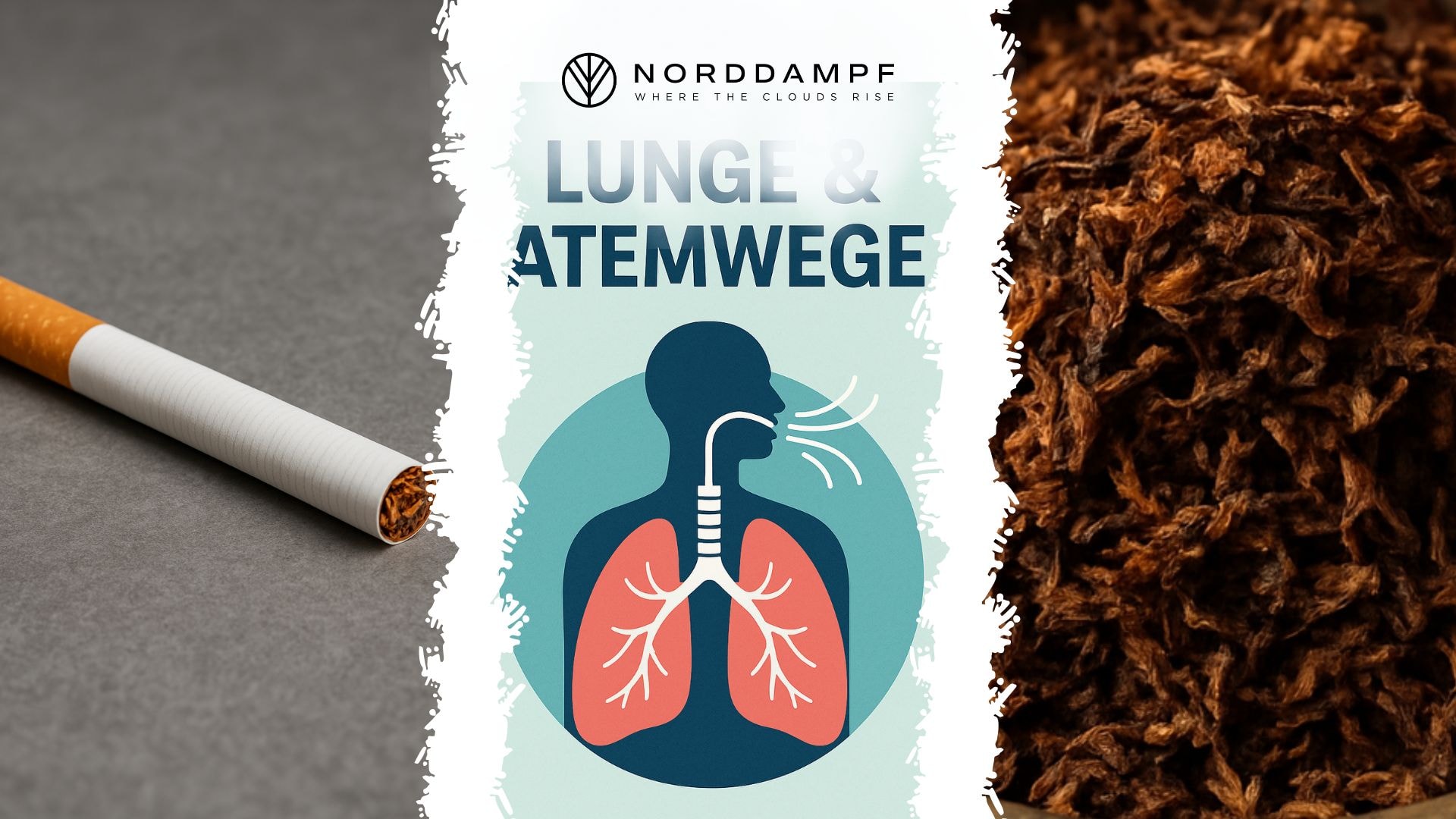
While the functional principle of vaporizers does indeed offer health benefits when used with natural herbs, this does not apply to tobacco. Tobacco is and remains unhealthy, regardless of how it is consumed.
- Flavorings and humectants damage the lungs: Commercial tobacco contains artificial flavorings and humectants such as propylene glycol or glycerin. These substances are not intended to enter the lungs. When vaporized, they are inhaled directly and can cause irritation, inflammation, and long-term lung damage. That's why we don't want that!
- Nicotine remains highly problematic: the nicotine released during vaporization is just as addictive as when smoking. The risk of addiction is no less just because you vaporize instead of smoke. Nicotine alters brain chemistry, leads to physical and psychological dependence, and has negative effects on the cardiovascular system.
- Tar and resins irritate the respiratory tract: Even when vaporized, the natural tar and resins in tobacco are released. These sticky substances accumulate in the respiratory tract and can lead to chronic respiratory problems.
- No comparison to natural herbs: While medicinal herbs and cannabis have complex terpene profiles that possess therapeutic properties, tobacco contains only harmful substances. There are no health benefits to tobacco use—only risks.
- Long-term health risks: Even when vaporized, tobacco still poses a risk of cardiovascular disease, respiratory problems, and other tobacco-related health risks. Vaporizing tobacco does not make it a healthy product.
Current scientific studies and data show that both smoking cigarettes and using e-cigarettes release numerous harmful substances. These substances enter the air as smoke or vapor and not only affect the health of consumers, but also the air quality in the surrounding area. Studies show that although e-cigarettes contain fewer harmful substances than conventional cigarettes, they still pose health risks and have a high potential for addiction. The information provided here is based on current studies and data and is intended solely to educate about the effects and dangers of various tobacco products.
Damage to the vaporizer caused by tobacco

Not only does tobacco in your vaporizer harm your health, it also causes considerable damage to your device. Tobacco leaves behind residues that are virtually impossible to clean. The vaporizer chamber in particular becomes heavily contaminated by the heating of tobacco during vaporization, which significantly impairs the efficiency of vaporization and the quality of the vapor.
Tar and resins clog everything: The tar and resins contained in tobacco are released during vaporization and settle as a sticky layer in your vaporizer. These residues clog:
- The airways and vapor paths
- Fine sieves and filters
- The heating chamber
- The mouthpiece
Practically impossible to clean: Unlike residues from natural herbs, tobacco residues are extremely stubborn. Even with intensive cleaning, you won't be able to remove them completely. The sticky tar settles in the smallest cracks and cannot be removed with normal cleaning agents.

Permanent odor: Once used with tobacco, your vaporizer will permanently smell like cold tobacco. The vapor produced from tobacco residue can permanently affect the taste and function of the device. This pungent, unpleasant odor will linger during all future sessions and render the device practically unusable for other herbs.
Long-term damage to the vaporizer: The aggressive ingredients in tobacco can:
- Attack seals and rubber parts
- Allow metal parts to corrode
- Damage the electronics with moisture and residue
- The heating elements become clogged, shortening their service life.
Loss of warranty: Most manufacturers explicitly exclude damage caused by tobacco consumption from the warranty, as vaporizers are not designed for tobacco.
Loss of value: A vaporizer contaminated with tobacco is practically worthless. You can neither resell it nor use it for other purposes.
Proper use: What are vaporizers really intended for?
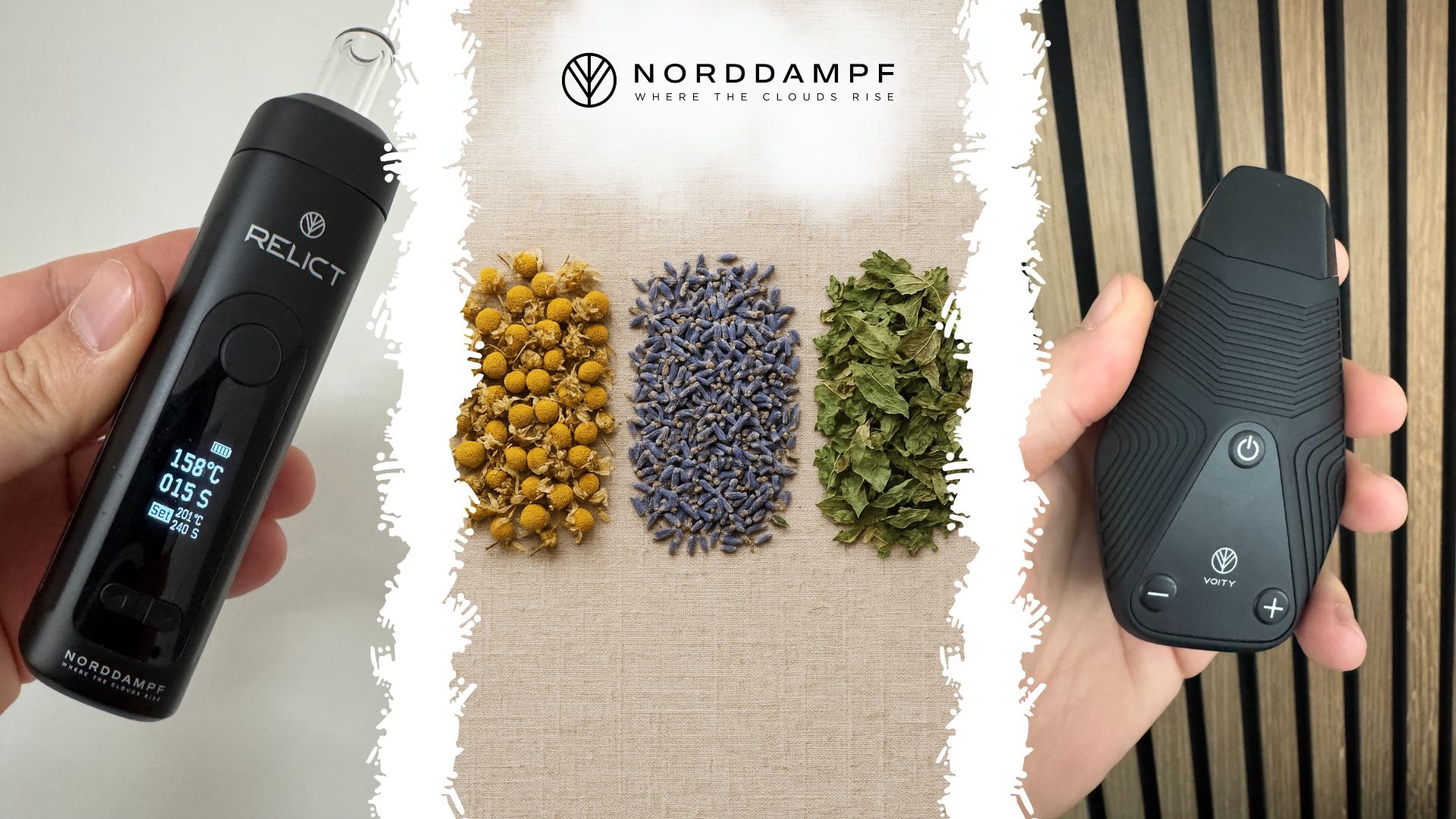
Vaporizers have been specially developed for vaporizing natural, untreated herbs. The advantages of vaporizers can only be realized when used correctly:
- Medicinal herbs with complex terpene profiles: The whole point of vaporizers is to gently extract the valuable terpenes from natural herbs. Medicinal herbs such as chamomile, lavender, and peppermint contain complex terpene profiles with therapeutic properties. These can only be extracted through precise temperature control without chemicals or lung damage.
- Cannabis (where legal): Cannabis is the perfect example of an herb with complex terpenes. The various terpenes, such as myrcene, limonene, and pinenehave different boiling points and effects. A vaporizer can extract them selectively without destroying the valuable compounds.
- Pure, natural herbs: Vaporizers work best with untreated, natural herbs without artificial additives. These contain natural essential oils and active ingredients that release their beneficial properties during gentle vaporization.
- Aromatherapy: Many people use vaporizers for therapeutic purposes to enjoy the benefits of various herbs without burning them or inhaling harmful chemicals.
- The difference to tobacco: While natural herbs have complex, therapeutic terpene profiles, tobacco mainly contains harmful substances and artificial additives. Tobacco was never designed to be vaporized—it is made to be burned.
The optimal temperature for these natural materials is usually between 160°C and 210°C— a temperature range in which the desired terpenes are extracted without producing harmful byproducts. Individual settings on the device allow users to adjust the temperature range to their personal preferences, optimizing each session for the desired taste experience and effect.
Healthy alternatives to tobacco
If you are looking for alternatives to tobacco, there are many healthy options that are ideal for vaporizers:
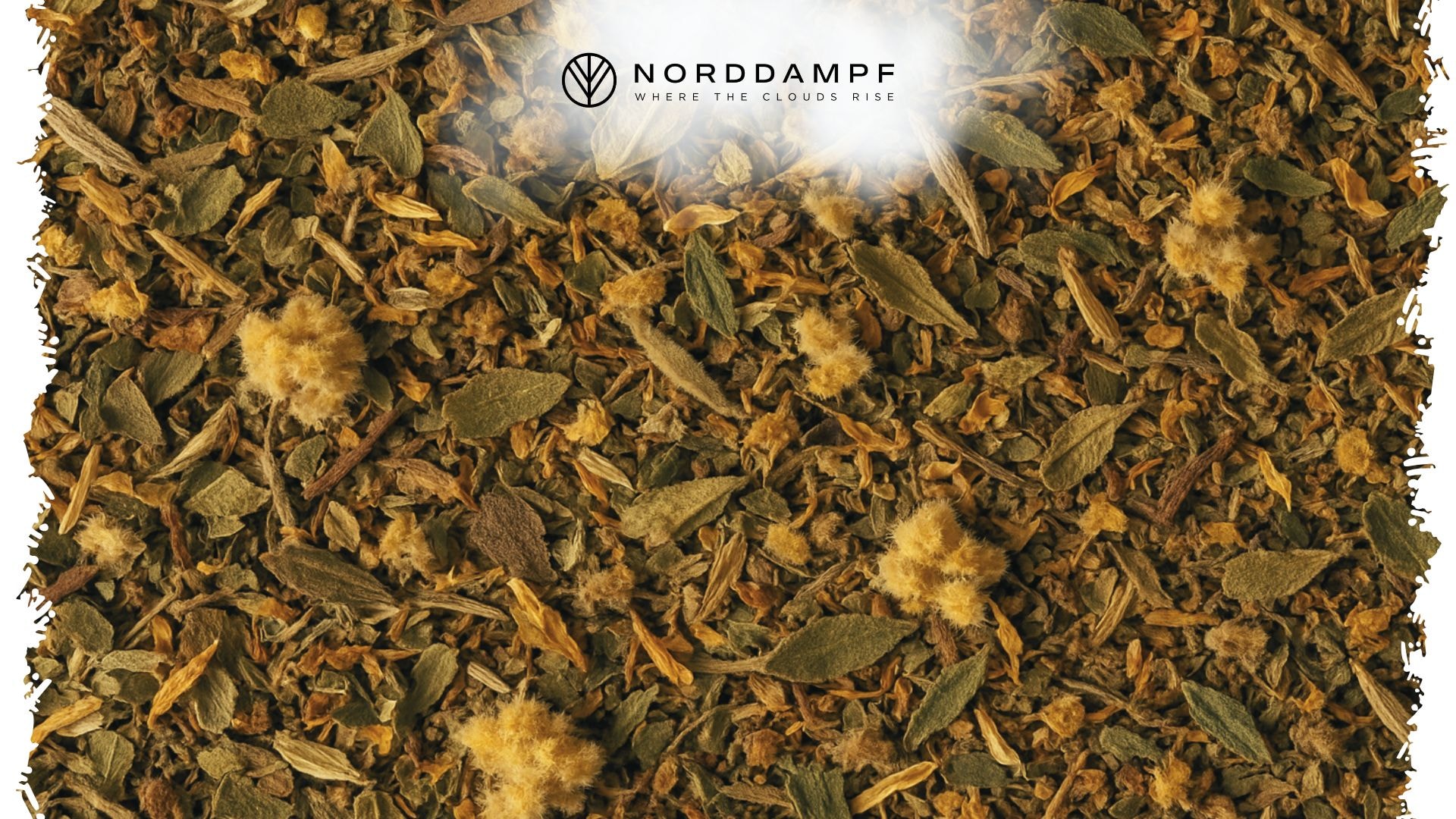
- Herbal blends: Special herbal blends without tobacco offer similar flavor experiences but are significantly healthier. Blends of damiana, mullein, or other natural herbs can be a good alternative. These alternatives are characterized by an intense aroma and a diverse flavor experience that varies depending on the flavors used.
- Pure herbs: Individual herbs such as lavender (relaxing), peppermint (refreshing), or chamomile (calming) offer unique flavors and effects without the risks associated with tobacco.
- CBD flowers: Legally available in many countries, CBD flowers offer a ritual similar to tobacco, but with relaxing rather than harmful properties.
- Nicotine-free herbal blends: There are special blends that have been developed to help smokers quit without the harmful properties of tobacco.
These alternatives make the most of the benefits of vaporization and offer a healthy, enjoyable experience.
Our NORDDAMPF for healthy alternatives
There is a wide range of different vaporizer models available on the market, allowing every user to find the right choice for their individual needs. Choosing the right model is crucial for achieving the best flavor experience and the desired effect.
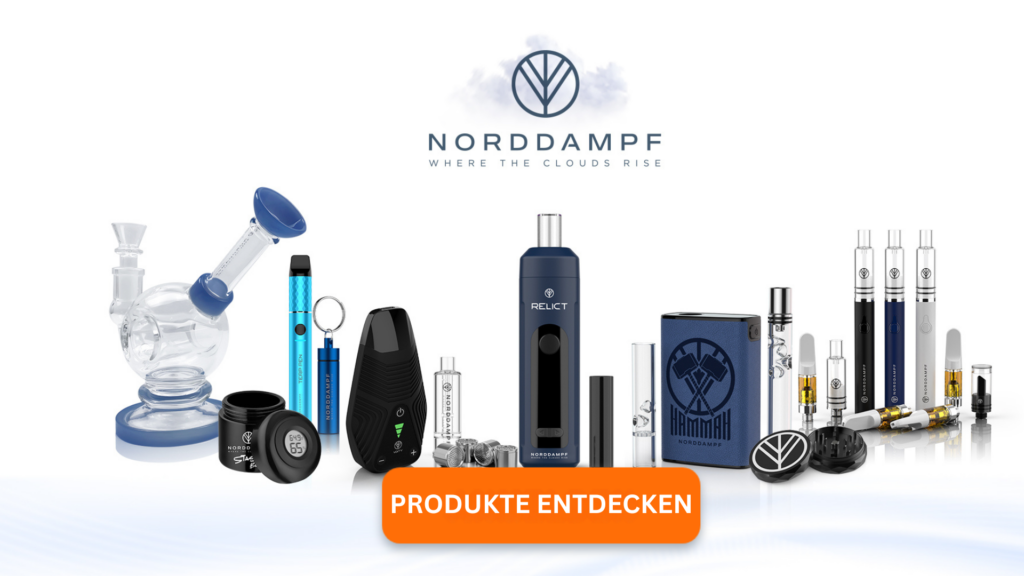
Instead of ruining your valuable vaporizer with tobacco, we recommend our high-quality devices for proper use:
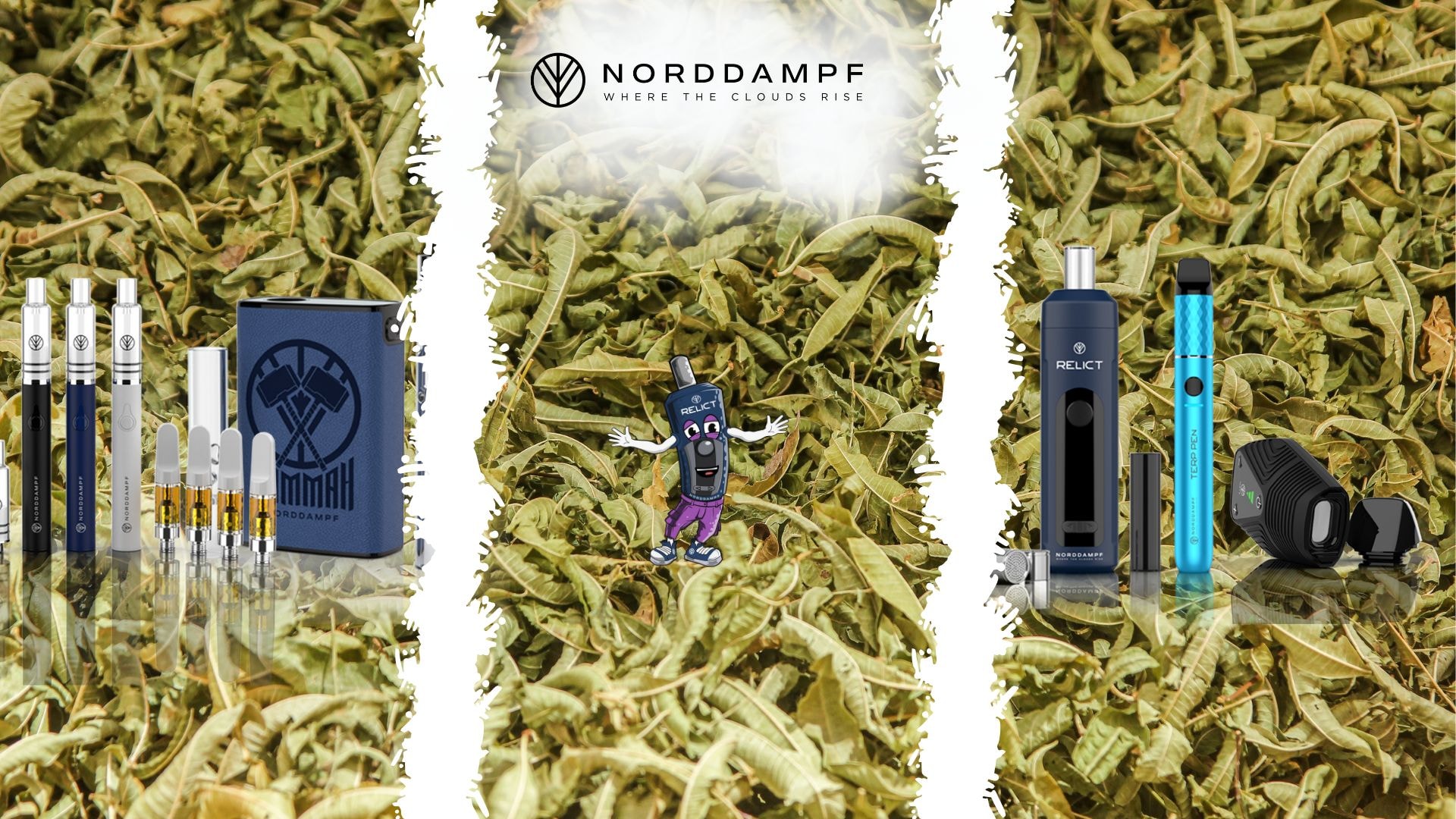
RELICT : Our flagship product is perfect for natural herbs and offers precise temperature control for optimal extraction of the desired active ingredients – without the damage caused by tobacco.
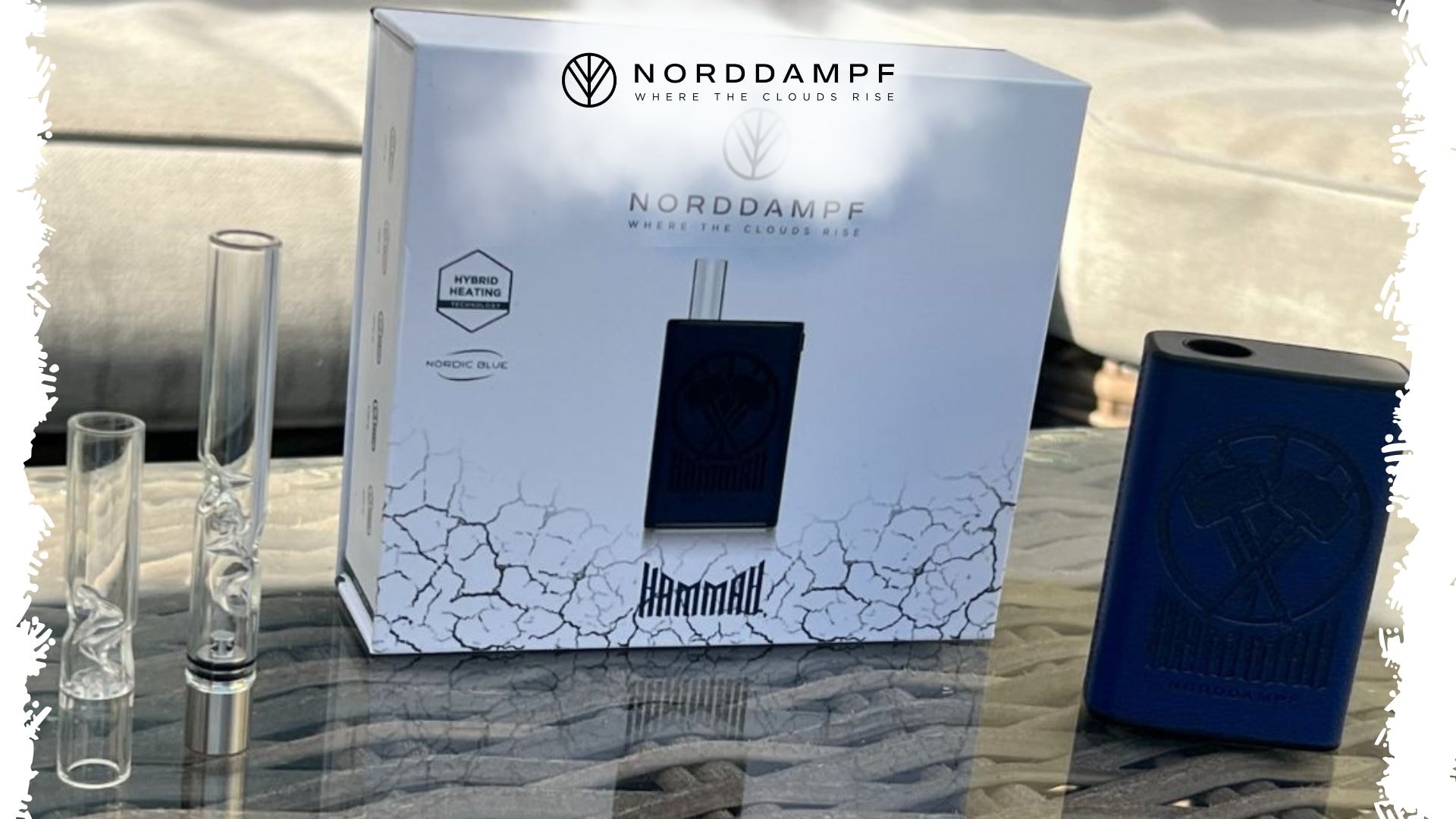
HAMMAH : Ideal for beginners who want to discover healthy herbal alternatives. Robust, reliable, and perfect for switching from harmful habits.
VOITY : Compact and discreet for on the go – perfect for healthy herbal blends that give you what you're looking for without the risks of tobacco.
DAB PEN MINI: Specially developed for concentrates, it offers a clean alternative for anyone looking for an intense experience without tobacco.
TERP PEN: Perfect for natural extracts and concentrates – a modern, healthy alternative to traditional forms of consumption.
Common myths about tobacco in vaporizers
Myth 1: "Vaping makes tobacco harmless"
❌ Wrong! Tobacco is and remains unhealthy. The flavorings, humectants, and tars are also released during vaporization and damage the lungs.
Myth 2: "It's better than smoking, so it's okay."
❌ Wrong! Just because something is less harmful doesn't make it good. Vaporizers are designed for natural herbs with complex terpene profiles, not tobacco.
Myth 3: "My vaporizer won't be damaged"
❌ Incorrect! Tobacco leaves behind tar and resin, which are practically impossible to clean and cause long-term damage to the vaporizer.
Myth 4: "I can just clean more."
❌ Wrong! Tobacco residue is extremely stubborn and the pungent smell lingers. The vaporizer becomes practically unusable.
Myth 5: "Tobacco tastes good in a vaporizer"
❌ Wrong! The taste is unpleasant, bitter, and harsh. Tobacco is made to be burned, not vaporized.
The truth about cannabis vs. tobacco
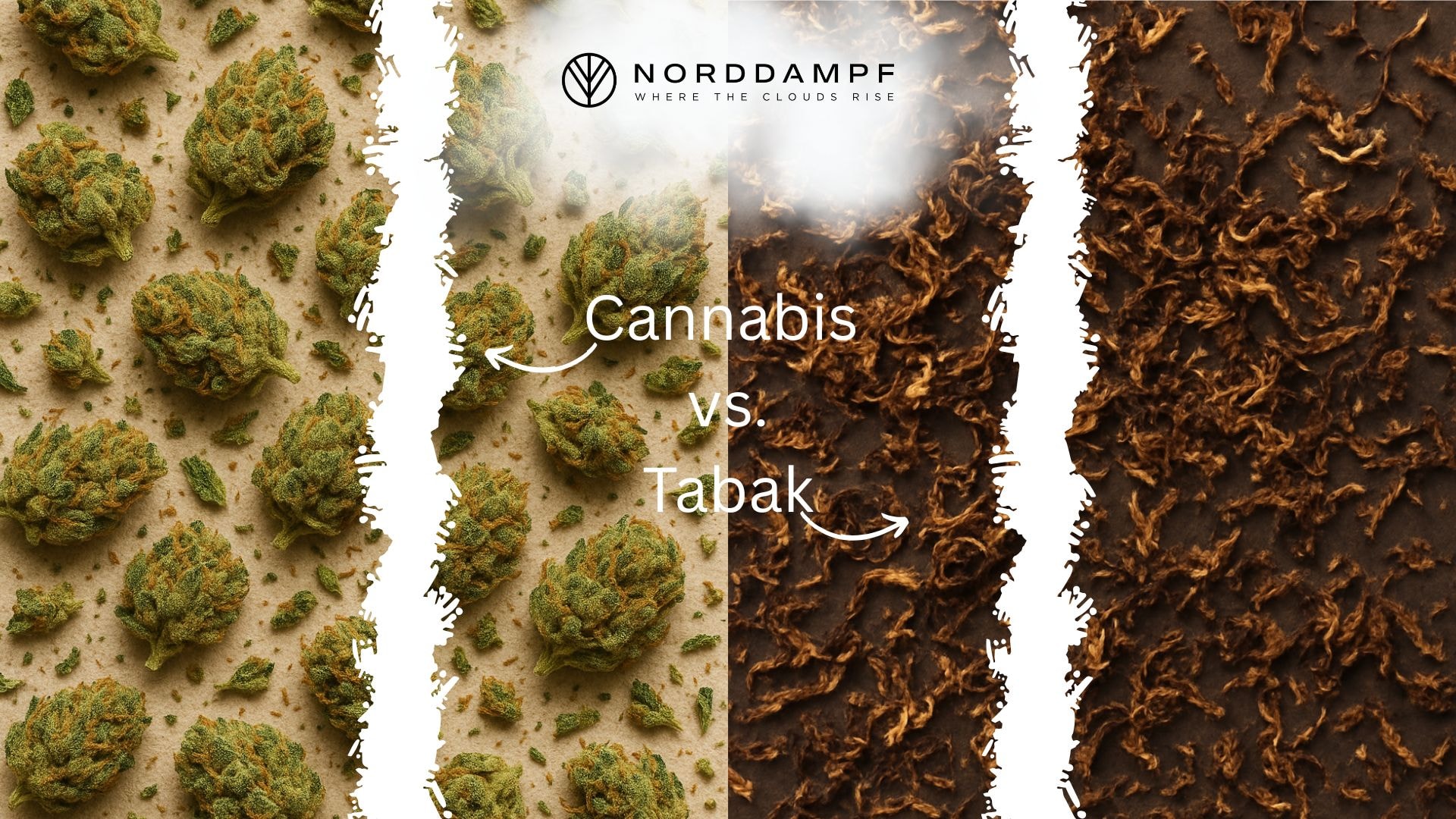
Many people confuse the risks of cannabis and tobacco. Here are the most important differences:
Cannabis (where legal):
✅ Natural product without artificial additives
✅ No known physical dependence
✅ Therapeutic properties
✅ Designed for vaporizers
When vaporizing weed, the effect is highly dependent on the temperature, as THC is released at certain vaporization temperatures—unlike tobacco, where other substances and flavors are more prominent.
Tobacco: ❌ Highly addictive
❌ Contains over 2500 chemical compounds
❌ No therapeutic benefits
❌ Not suitable for vaporizers
The difference is clear: cannabis is a natural herb that is well suited for vaporizers, while tobacco is an industrially processed product with known health risks.
Conclusion: Tobacco in vaporizers: Keep tobacco out of your vaporizer!
The answer to the question "Can you vaporize tobacco in a vaporizer?" is clear: Yes, you can—but you definitely shouldn't!
Summary of the most important points:
- Health risks remain: nicotine, harmful substances, and addictive potential are also present when vaporizing.
- Vaporizer damage: Stubborn residue and taste changes ❌ No benefits: Vaporizing tobacco does not make it a healthy product ❌ Better alternatives: Natural herbs offer all the benefits without the risks
- Our advice: Use your vaporizer for what it was made for—healthy, natural herbs that offer you a pure, clean experience. Your body and your vaporizer will thank you for it.
At NORDDAMPF , we stand for responsible consumption and honest education. We don't just sell you products, we help you use them correctly and healthily.
Do you have questions about healthy alternatives or need help making the switch? Our team of experts will be happy to advise you on natural herbal blends and how to get the most out of your vaporizer—without the risks of tobacco.

The information provided in this article is for educational and damage minimization purposes only and is not a substitute for medical advice. If you are a smoker and want to quit, consult your doctor or an addiction counselor. NORDDAMPF responsible consumption and the use of vaporizers only for legal, natural herbs.