

You probably know the feeling: you're looking forward to a relaxing session with your vaporizer, but suddenly the device just won't work properly. No vapor, weak flavor, or strange noises—vaporizer malfunctions can be really frustrating. As long-standing experts at NORDDAMPF , we NORDDAMPF helped countless customers troubleshoot their devices and have found that most problems can be quickly solved with the right know-how.
In this comprehensive article, we share our experiences with you and show you how to fix the most common vaporizer problems yourself. From insufficient vapor production to battery issues, we have a solution for almost every problem. It doesn't matter whether you have an inexpensive entry-level vaporizer or a high-end model like the Venty.
Why do vaporizer errors occur in the first place?
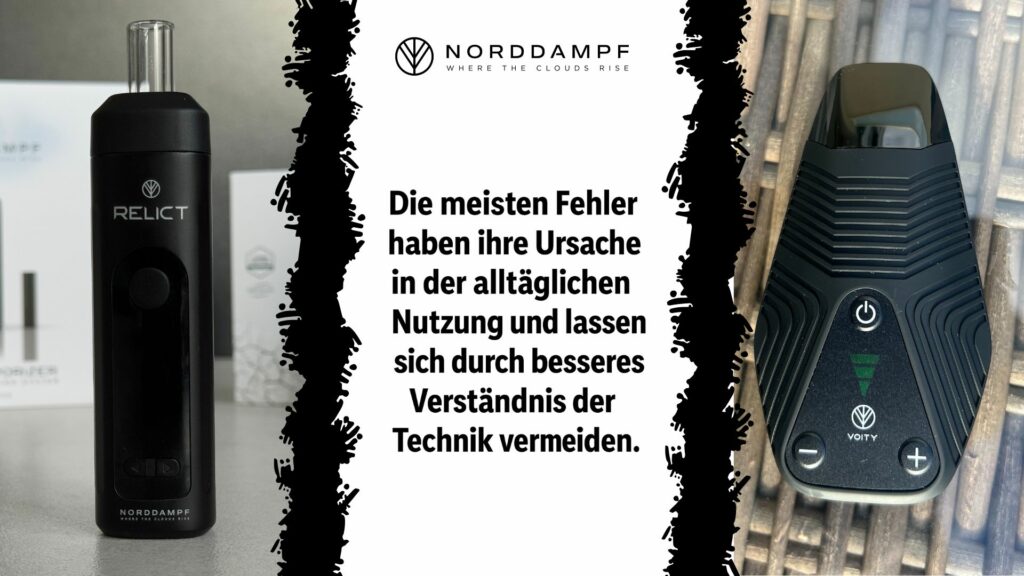
Before we look at specific solutions, it is important to understand why vaporizers develop problems in the first place. Most faults are caused by everyday use and can be avoided by gaining a better understanding of the technology.
Vaporizers are complex devices that must combine precise temperature control with efficient vaporization. Unlike e-cigarettes, which use liquids, herbal vaporizers vaporize solid materials such as cannabis or other herbs. This process places higher demands on the technology and makes the device more susceptible to certain problems.
The most common cause of vaporizer problems is lack of maintenance. Many people underestimate how important regular cleaning is for the efficiency of their vaporizer. Resin residue and plant particles can accumulate in the herb chamber, airflow, and other important components. This not only leads to poorer taste, but can also significantly impair vapor production.
Another important factor is the quality of the material used. Damp or poorly dried herbs can significantly impair steam production and lead to contamination in the device. Filling the chamber correctly also plays a crucial role—if it is too full or too loose, the effect will no longer be optimal.
Although the design of modern vaporizers is well developed, signs of wear and tear can still occur. Moving parts such as mouthpieces, cables, and battery contacts are particularly susceptible to wear. Careful handling can often help to significantly extend the service life.
No steam or weak steam production
The most frustrating problem is when your vaporizer produces little or no vapor. There are several reasons why this might happen, but in most cases, it's relatively easy to fix.
First , you should check the temperature setting. Many beginners set the temperature too low and then wonder why the vapor production is weak. Most of the active ingredients in cannabis only vaporize properly at around 160°C, while temperatures between 180-210°C are often necessary for optimal vapor clouds. Experiment with different settings to find the perfect balance between flavor and vapor production for you.
The quality and preparation of your herbs play a crucial role. Material that is too moist cannot vaporize properly and will result in weak vapor production. Allow your herbs to dry thoroughly before use or use a dehumidifier. At the same time, the material should not be too dry, otherwise it will burn too quickly and taste harsh.
The correct grind is also important. Herbs that are ground too coarsely have a smaller surface area and evaporate less effectively. Material that is ground too finely, on the other hand, can clog the air holes and impede the air flow. A medium consistency, similar to coarse salt, is usually optimal.
Also check the filling of your herb chamber. An overfilled chamber prevents even heating, while a chamber that is too sparsely filled does not provide enough material for proper vapor clouds. As a rule of thumb, the chamber should be loosely filled without pressing the material.
Blockages in the air path are another common reason for weak vapor production. Check all air holes and the vapor path for blockages. Often, carefully blowing through them or cleaning them with a thin wire is enough to solve the problem.

Taste problems and weak aroma
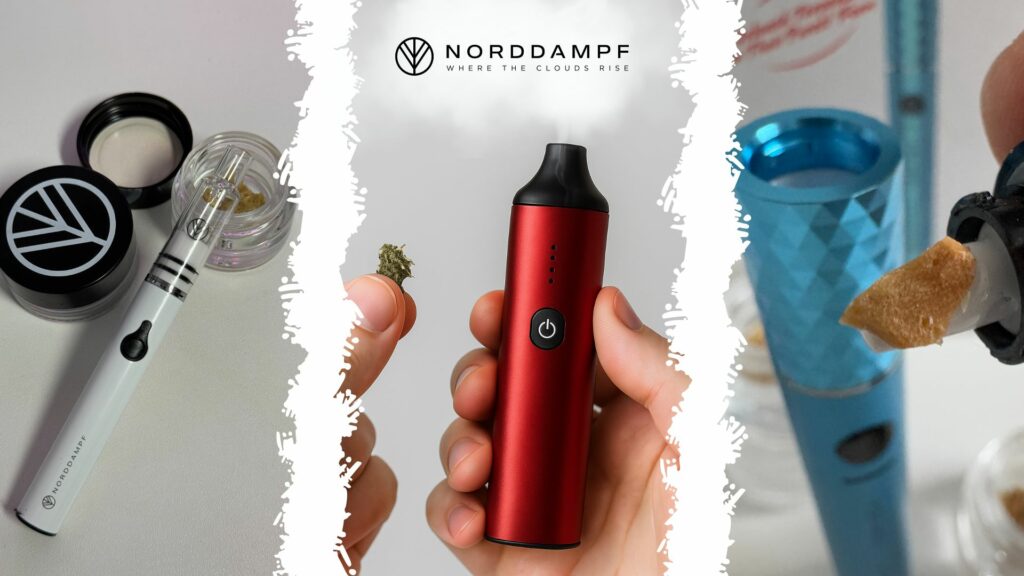
Poor or weak flavor can ruin the entire vaping experience. Fortunately, most flavor problems can be avoided with the right technique and care.
The most common reason for taste problems is a dirty herb chamber or vapor path. Resin residue and old plant matter can cause a bitter, burnt taste. Thorough cleaning with isopropyl alcohol will remove most deposits and restore the original taste.
The temperature setting has a huge impact on the aroma. Lower temperatures (160-180°C) emphasize the terpenes and provide a fresher, more herbal taste. Higher temperatures (190-220°C) extract more active ingredients, but can also result in a harsher, less aromatic vapor. Many experienced users start at low temperatures and gradually increase them during the session.
The drawing technique also has a significant impact on the taste. Drawing too quickly or too forcefully can overheat the material and lead to a burnt taste. Slow, even draws over 10-15 seconds extract the flavors optimally and ensure the best taste.
The quality of your herbs also plays an important role. Old, poorly stored material not only loses its potency, but also its flavor. Make sure you use fresh, properly dried, and stored herbs for the best aroma experience.
The mouthpiece can also cause taste problems. Plastic mouthpieces can develop a plastic-like taste at high temperatures. Glass or metal mouthpieces are often the better choice here and are also easier to clean.
Battery issues and charging difficulties
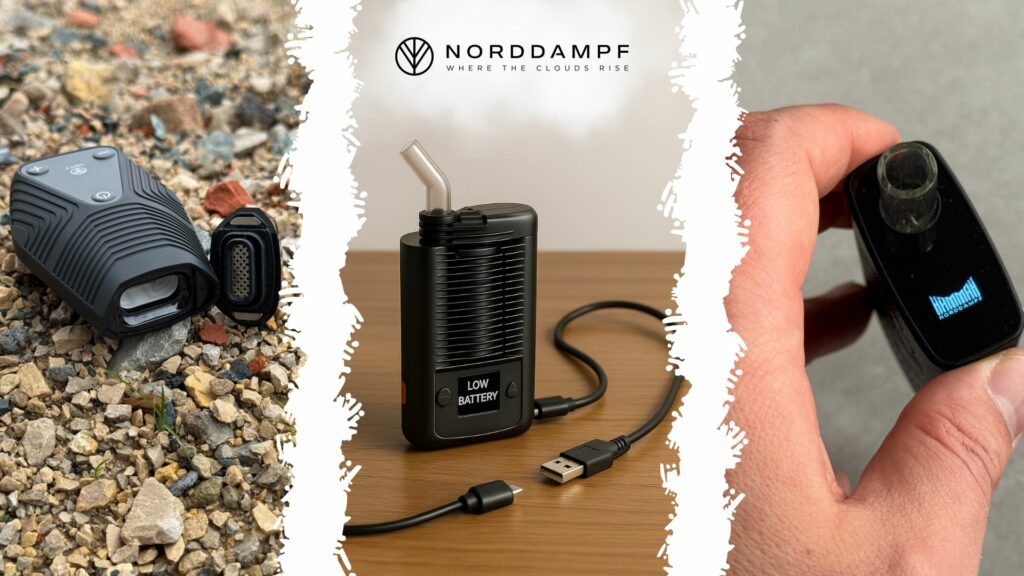
Battery problems are among the most common vaporizer faults and can have various causes. The good news is that many battery problems can be fixed without taking the device to a repair shop.
If your vaporizer won't turn on, the problem is often due to a deeply discharged battery. Modern devices have protective circuits designed to prevent deep discharge, but sometimes even prolonged storage without use is enough to cause this problem. Leave the device on the charger for at least 30 minutes before taking any further steps.
Charging problems can be caused by dirty contacts. Both the charging socket on the device and the contacts on the cable can be affected by dust or resin residue. Careful cleaning with a dry cotton swab or compressed air can work wonders here.
The service life of vaporizer batteries is limited. After 300-500 charging cycles, the capacity decreases noticeably. If your device used to last significantly longer, you may need to replace the battery. Many manufacturers offer replacement services, or you can find compatible batteries in specialist stores.
Extreme temperatures can damage batteries. Never leave your vaporizer in direct sunlight or in a frozen car. Storing it at extreme temperatures can also shorten the battery life. Room temperature is ideal for storage and use.
Some devices have special battery modes or energy-saving functions. Read the manual to find out about these features—often, the battery life can be significantly extended by using the right settings.
Temperature setting does not function correctly

Problems with temperature control can significantly impair the vaping experience. If the temperature setting is not working properly, there can be various causes.
First, you should check that you are using the temperature setting correctly. Many modern vaporizers have complex menu systems, and it is easy to get lost in the settings. Consult the manual or watch online tutorials for your specific model.
Calibration problems can occur if the device has been exposed to shocks or extreme temperatures. Some vaporizers have a calibration function in the menu that can be used to fix such problems. If not, resetting to the factory settings may help.
Dirty temperature sensors can lead to inaccurate measurements. These are usually located near the heating chamber and can be affected by resin deposits. Careful cleaning with isopropyl alcohol can remedy this.
Electronic components in older devices can wear out. If the temperature control has become completely unreliable and cleaning does not help, there may be a defect. In this case, you should contact the manufacturer or visit a repair service.
Some users also confuse the different temperature scales. Pay attention to whether your device displays Celsius or Fahrenheit—a difference that can lead to significant problems.
Blockages and airflow problems
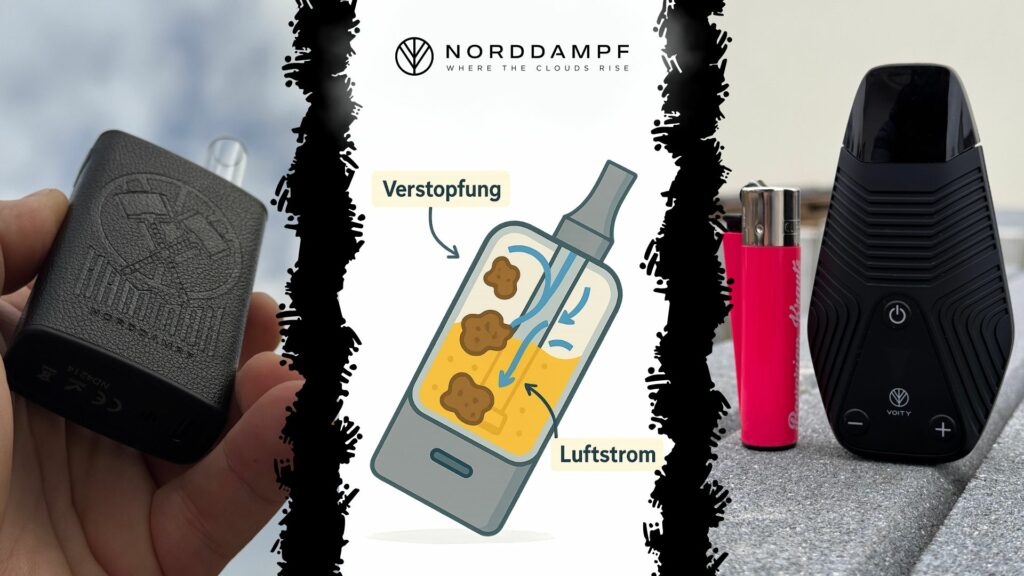
Blockages are among the most common vaporizer problems, but they are also the easiest to fix. A blocked airflow can drastically reduce vapor production and make it difficult to draw.
The most common cause of blockages is plant particles entering the vapor path. Particularly finely ground material can slip through the screens and become lodged in corners and crevices. Always use the screens supplied and replace them regularly.
Resin deposits are another common problem. These are caused by condensation of vapor in cooler areas of the device. Regular cleaning with isopropyl alcohol prevents large amounts from accumulating and keeps the airflow clear.
The mouthpiece is particularly prone to clogging. This is where the vapor condenses and can cause blockages when combined with saliva. Many mouthpieces can be taken apart and cleaned thoroughly. Some users have several mouthpieces and change them regularly.

Also check the air intakes on the bottom or sides of your vaporizer. These can become blocked by dust or lint. Carefully blowing through them or cleaning them with compressed air can help.
Thin cleaning wires or special cleaning tools can help with stubborn blockages. Many manufacturers supply such tools, or you can find them as accessories. Be careful not to damage sensitive components.
Cleaning and care mistakes
Incorrect cleaning and maintenance are the main causes of most vaporizer problems. However, proper maintenance is not that complicated once you know what to do.
The most common mistake is cleaning too infrequently. Many users wait until problems arise before cleaning their device. However, basic cleaning should be carried out after every 5-10 sessions, depending on the intensity of use. A thorough deep clean is recommended about once a month .
The wrong cleaning agents can do more harm than good. Never use aggressive chemicals or abrasive cleaners. Isopropyl alcohol (at least 90%) is the best choice for most components. Warm water is often sufficient for sensitive parts.
Many users forget to let the device cool down completely before cleaning it. Hot glass or metal can crack or warp when exposed to cold cleaning fluids. Wait at least 15 minutes after last use before starting to clean.
Drying after cleaning is just as important as cleaning itself. Moisture in electronic components can lead to corrosion or short circuits. Allow all parts to air dry completely before reassembling the device.
Some components should never come into contact with liquids. These usually include the battery, electronics, and some sensors. Check the manual to find out which parts are waterproof and which must be cleaned dry.
When should you contact the manufacturer?
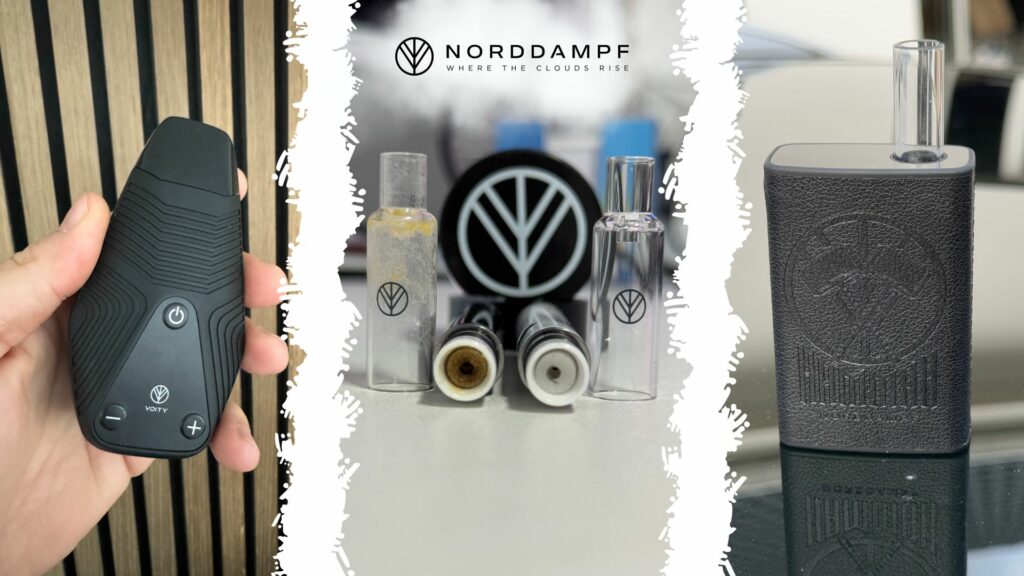
Not all vaporizer problems can be solved by yourself. There are situations where professional help is needed or a warranty claim is involved.
Electronic defects should definitely be left to the professionals. If your device no longer turns on, makes strange noises, or becomes unusually hot, you should turn it off immediately and contact the manufacturer. Never attempt to repair electronic components yourself.
The manufacturer is also your first point of contact for any problems with the warranty. Always keep your proof of purchase and register your device with the manufacturer if this option is available. Many problems that occur within the warranty period will be repaired free of charge or the device will be replaced.
If recurring problems cannot be permanently resolved despite all efforts, there may be a design flaw or material defect. Document the problems and contact the manufacturer—often there are already known solutions or replacement programs available.
Don't hesitate to contact customer support, even if you're unsure. Most manufacturers have experienced technicians who can help you with even minor problems. Often, a quick phone call or email is all it takes to find a solution.
FAQ – Frequently asked questions
How often should I clean my vaporizer?
A basic cleaning after every 5-10 sessions is recommended. A thorough deep cleaning should be done about once a month.
Why isn't my vaporizer producing vapor?
The most common causes are too low a temperature, damp herbs, blocked airways, or an empty battery.
Can I have my vaporizer repaired?
Yes, most manufacturers offer repair services. If you have an electronic defect, you should always seek professional help.
What is the optimal temperature? That depends on your preferences. For flavor: 160-180°C, for vapor production: 180-210°C.
Conclusion Vaporizer errors
Vaporizer malfunctions are annoying, but usually fixable. With proper care, regular cleaning, and an understanding of the technology, you can fix most problems yourself. At NORDDAMPF , we NORDDAMPF happy NORDDAMPF you with advice and assistance—contact us if you have any questions or visit our shop for replacement parts and accessories.
The contents of this article are for informational and educational purposes only. They do not constitute an invitation to grow, purchase, or consume cannabis or hemp seeds. Please note that the legal situation regarding hemp, especially hemp seeds and their cultivation, varies from country to country and region to region.
We expressly call for compliance with the applicable laws and regulations. This article does not replace legal or professional advice.
The author and operator of this website accept no liability for any violations of applicable law.