

More and more people are paying attention to their health, exercising regularly, and at the same time do not want to give up vaping. A particularly interesting question is how vaporizing cannabis or e-liquids affects the body and athletic performance. While smoking puts a heavy strain on the lungs and cardiovascular system, vaporizing with a vaporizer is considered a much gentler alternative.
But what happens in your body when you exercise regularly and vaporize at the same time? Can vaping really affect your fitness, or is it just a trend? In this article, you'll learn how vaporizers affect endurance, recovery, and performance, what role cannabis plays, and what you should keep in mind when combining the two.

What happens in the body when you vape?
When vaporizing, herbs, concentrates, or e-liquids are heated without burning. This means that no toxic combustion products such as tar or carbon monoxide are produced, which are generated when smoking and place a heavy strain on the lungs and cardiovascular system. Instead of smoke, pure vapor is produced, which contains significantly fewer harmful substances.
When you consume cannabis with a vaporizer, cannabinoids such as THC and CBD are primarily released. THC can have a stimulating or relaxing effect, while CBD has anti-inflammatory and calming properties. Both substances interact with your body's endocannabinoid system, a network that regulates mood, pain perception, and energy balance.
Oxygen supply is particularly important when exercising. Since vaporization does not involve inhaling smoke, fewer harmful substances enter your respiratory tract. This can have a positive effect on lung function and support physical performance. Many people report that they breathe more easily when vaporizing and feel more comfortable overall during training than when smoking traditional cigarettes.

How does a vaporizer differ from e-cigarettes, vapes, and cigarettes?
Even though vaporizers, vapes, and e-cigarettes appear similar, there are significant differences.
E-cigarettes and vapes work with so-called e-liquids, which usually consist of propylene glycol, vegetable glycerin, flavorings, and sometimes nicotine. This mixture is heated to produce a fine vapor. Many people use e-cigarettes as an alternative to tobacco in order to quit smoking without completely giving up nicotine.
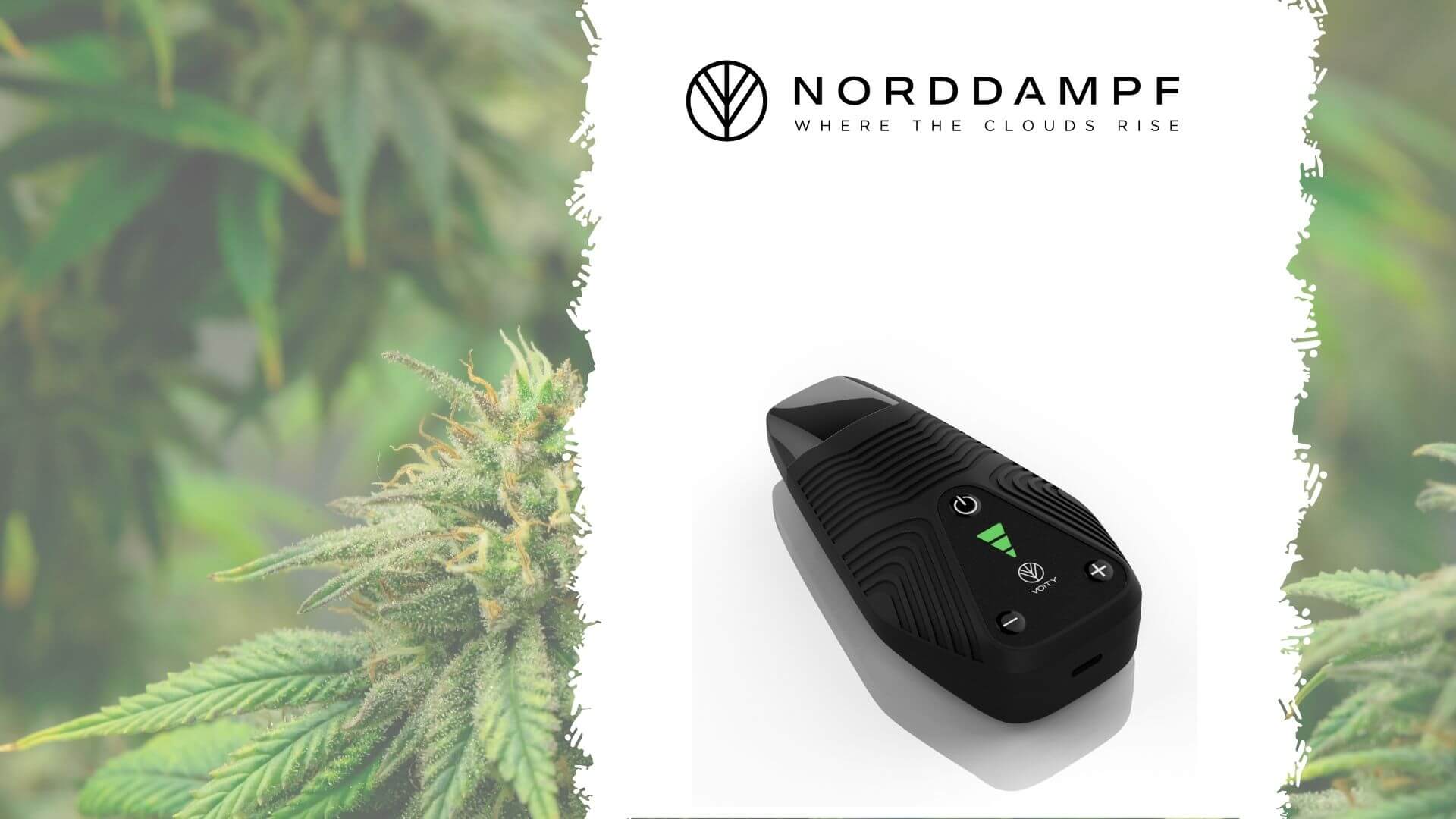
A vaporizer is more versatile. It can vaporize dry herbs such as cannabis as well as oils or concentrates. The temperature is precisely controlled to release only the desired active ingredients. Since there is no combustion, the vapor is particularly mild and has a pure taste. This is gentler on the lungs and leads to a more pleasant inhalation experience. This is a clear advantage for anyone who cares about their health and fitness.
Compared to conventional cigarettes, vaporizers do not burn tobacco leaves. This means that there is no smoke or ash, and the body is not exposed to the same amounts of harmful substances. This puts less strain on the cardiovascular system and the respiratory tract.
If you exercise regularly, vaping can be a sensible alternative to smoking. The lower intake of harmful substances relieves the body and can improve oxygen uptake. Nevertheless, nicotine remains a performance-inhibiting substance, regardless of whether you smoke or vape it. In the long term, it can impair blood circulation and slow down recovery after training.
How does vaping affect athletic performance?
The extent to which vaping affects your athletic performance depends primarily on the substances you consume. E-liquids containing nicotine, herbs, or cannabis each have very different effects on the body and mind.
When vaping e-liquids in the traditional way, nicotine can have a short-term stimulating effect. It stimulates the central nervous system and increases alertness. Many people experience this effect as an energy boost that makes them more focused during training in the short term. In the long term, however, nicotine has a counterproductive effect. It constricts the blood vessels, impedes blood flow, and thus impairs the oxygen supply to the muscles. In the long run, this can slow down regeneration and reduce physical performance.
The situation is different when it comes to vaporizing cannabis. Initial studies suggest that certain cannabinoids such as CBD can have a positive effect on the body. CBD has anti-inflammatory and calming properties and can promote muscle recovery after intense training sessions. This makes it particularly well suited for regeneration after exertion.
THC, on the other hand, has a more complex effect. In low doses, it can have a relaxing and mood-lifting effect, while in higher doses it can impair reaction time, coordination, and motivation. These effects make it unsuitable for use immediately before training or competitions, but can be helpful during the recovery phase.
Does cannabis aid recovery and relaxation?
In recent years, CBD has become increasingly important in the world of sports. It is considered a natural aid to recovery and is used by many athletes as part of their recovery routine. CBD can help reduce inflammation in muscles and joints, relieve pain, and speed up recovery after intense workouts. In addition, many users report improved sleep quality, which in turn promotes overall performance.
THC can also contribute to relaxation, but should be consumed with caution. In small amounts, it can help reduce stress and mental tension after exercise. However, in higher doses, it can reduce concentration and responsiveness, which negatively affects athletic performance.
One advantage of vaporizing is that you can consciously control the effect and intensity. By selecting different cannabis strains and controlling the temperature, you can customize the effect to suit your individual needs. For example, sativa-dominant strains tend to have a stimulating effect, while indica strains are more calming and physically relaxing.
Is the vaporizer a better alternative to smoking?
If you have been smoking, switching to a vaporizer is definitely an improvement for your health. Smoking tobacco or cannabis produces countless harmful substances through combustion, which put a heavy strain on the lungs, heart, and circulatory system. These substances not only impair performance, but also increase the risk of respiratory diseases and heart problems in the long term.
A vaporizer works differently. It heats plants or liquids just enough to release the active ingredients without burning anything. This produces pure vapor instead of smoke. The vapor is significantly milder, contains fewer harmful substances, and is easier on the throat and lungs. For active people, this means less strain on the cardiovascular system and noticeably better breathing.
The vaporizer can be a significantly gentler alternative, especially for athletes who occasionally consume cannabis. It allows for more precise dosing and a targeted effect without putting unnecessary strain on the body. This makes it easier to control consumption and can also benefit recovery after training.
What are the risks associated with vaporizing and cannabis use?
Even though vaping is considered healthier than smoking, it is not completely risk-free. E-liquids often contain nicotine, propylene glycol, glycerin, and various flavorings. With heavy or frequent use, this combination can irritate the respiratory tract and impair lung function.
When vaporizing cannabis, the risk depends primarily on the amount and variety. THC can alter perception, slow reaction times, and impair coordination. This is particularly problematic if you are training or preparing for a competition. Excessive cannabis use can also weaken motivation and concentration, which reduces athletic performance in the long term.
The Federal Center for Health Education also points out that the effects of vaping and cannabis have not yet been conclusively researched, particularly in adolescents and young adults. The long-term consequences for the cardiovascular system and lung function are also currently being investigated further. However, one thing is certain: the purer the product and the more conscious the consumption, the lower the risk of negative effects on the body.
What do experts say about vaporizers, cannabis, and sports?
Experts agree that vaporizing cannabis is a much gentler method than smoking. Since vaporizers do not involve combustion, fewer harmful substances enter the lungs and the cardiovascular system is less stressed. This is particularly beneficial for physically active people who want to maintain their lung function and endurance.
At the same time, experts warn against overestimating the positive effects. Neither vaping nor cannabis use are completely risk-free. Dosage, frequency, and product quality are always important factors.
The most important recommendation is therefore: consume consciously. If you decide to use a vaporizer, you can control your consumption more effectively and avoid tobacco completely. For many athletes, this is a step towards a healthier and more conscious lifestyle.