

In a world where health consciousness and technological progress go hand in hand, vaporizers have revolutionized the way we consume herbs and their active ingredients. But what exactly happens inside these fascinating devices? How do vaporizers work? This article delves deep into the basics of vaporization technology and explains why modern vaporizers such as the Norddampf are not only technological marvels, but also an alternative to traditional smoking.
The vaporization revolution
The history of vaporization technology goes back further than many would assume. German pioneer Markus Storz developed the first prototypes of modern vaporizers back in the 1990s. However, it is only in the last 15 years that the technology has undergone an enormous leap in development—from bulky, unwieldy devices to precise, portable high-tech instruments.
The fundamental paradigm shift lies in the move away from combustion. While smoking is based on a principle that is thousands of years old—the direct combustion of plant material—vaporization technology uses a much more advanced concept: controlled heating to precisely defined temperatures at which the desired active ingredients are converted into gas without combustion taking place.
This approach not only has health benefits, but also opens up completely new possibilities for the targeted use of the spectrum of flavors and active ingredients. Vaporization produces fewer harmful byproducts, making it a healthier alternative. At Norddampf , we Norddampf invested over 10 years of experience in developing vaporizers that optimally implement these principles.
Basic physics of evaporation
To understand why vaporizers are revolutionary, we first need to look at the physical fundamentals. At the molecular level, the differences between vaporization and combustion are enormous.
Evaporation vs. combustion

Vaporization is a phase transition in which molecules change from a solid or liquid state to a gaseous state without changing their chemical structure. Controlled vaporization in a vaporizer reaches temperatures between 160°C and 220°C —high enough to vaporize the desired active ingredients, but low enough to avoid combustion.
Combustion, on the other hand, is a chemical reaction in which oxygen reacts with the material, creating new compounds. This process reaches temperatures of over 800°C, resulting in the formation of numerous pollutants such as tar, carbon monoxide, and carcinogenic compounds. In comparison, vaporization avoids the health risks of smoking because it gently heats herbs and does not produce harmful smoke.
Boiling points and evaporation temperatures

The science behind vaporizers is based on precise knowledge of the boiling points of various active ingredients:
- Terpenes (aromatic compounds): 120–180°C
- Cannabinoids such as CBD: 160–180°C
- THC: begins to vaporize at around 157°C, optimal up to 220°C
These different boiling points enable specific active ingredients to be extracted through precise temperature control. The Relict from Norddampf this principle with its temperature control in the range of 160-240°C in 1°C increments to provide a customized experience.
Heat transfer principles
Various physical principles of heat transfer are used in vaporizers:
- Heat conduction: Direct transfer of heat energy through physical contact between the heating element and the material.
- Heat flow (convection): Transfer of heat through the movement of heated air through the material.
- Thermal radiation: Transfer of thermal energy through electromagnetic waves.
The chemistry behind steam
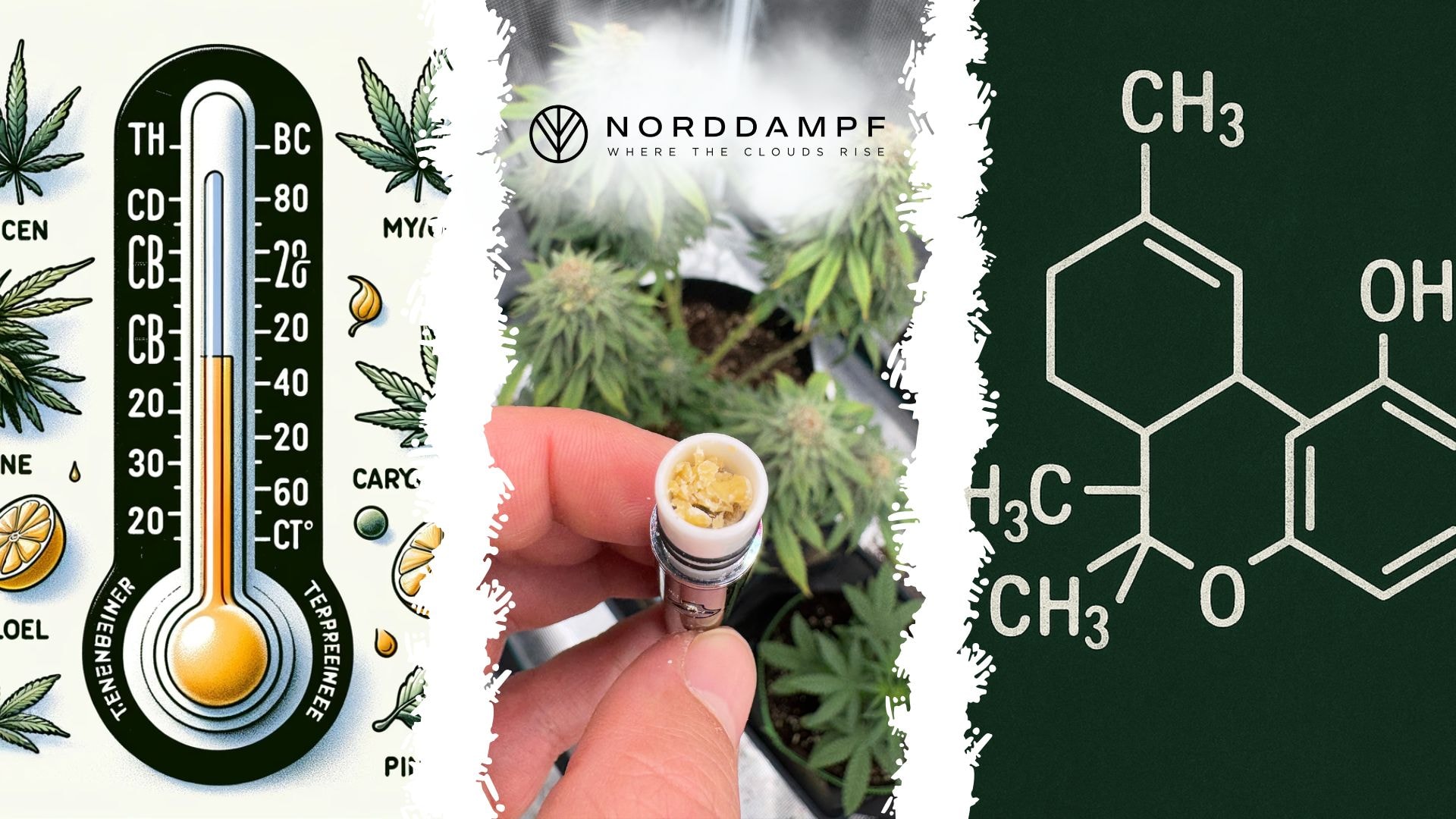
When we talk about the science of vaporization, chemistry is a key aspect. And this is precisely where the question arises: How does a vaporizer actually work on a chemical level?
Chemical composition of plant material
Herbs such as cannabis contain hundreds of different chemical compounds, including:
- Cannabinoids: Over 100 different compounds, including THC and CBD
- Terpenes: Aromatic compounds responsible for taste and smell
- Flavonoids: Plant compounds with antioxidant properties
- Chlorophyll: The green plant pigment
- Cellulose and plant fibers: Structural components of plants
The cannabis plant contains specific active ingredients and aromas that are released at different temperatures, making vaporization particularly effective.
During vaporization, primarily the volatile compounds (cannabinoids and terpenes) are extracted, while the structural components remain intact.
What happens chemically at different temperatures?
The temperature determines which chemical compounds evaporate:
- At 160-180°C: Mainly terpenes and some cannabinoids such as CBD are released. The vapor is aromatic and mild.
- At 180-200°C: Optimal release of THC and other cannabinoids. Balanced ratio between flavors and active ingredients.
- At 200–220°C: Maximum extraction of cannabinoids, but fewer terpenes (as these have already vaporized at lower temperatures).
This temperature sensitivity allows users of the Relict to control their experience through precise temperature settings —from terpene-rich and aromatic to maximized active ingredients.
Formation of aerosols vs. smoke
What we inhale when vaporizing is not smoke, but an aerosol—a suspension of microscopic droplets in air. These droplets contain the vaporized active ingredients in their original chemical form.
In contrast, smoke from combustion processes contains:
- Burnt and chemically altered active ingredients
- Tar and carbon particles
- Carbon monoxide and other toxic gases
- Carcinogenic polycyclic aromatic hydrocarbons (PAHs)

Scientific studies on pollutant reduction
Numerous studies confirm the drastic reduction in harmful substances through vaporization compared to smoking:
- A study by Leiden University found a reduction in harmful and carcinogenic substances of up to 95%.
- Research conducted by the Beckley Foundation showed that vaporizers produce virtually no measurable amounts of carbon monoxide.
- A study in the Journal of Psychopharmacology showed that users of vaporizers report significantly fewer respiratory symptoms than smokers.
These findings underscore why vaporization technology represents not only a technological revolution, but also a health revolution.
Heating technologies in detail
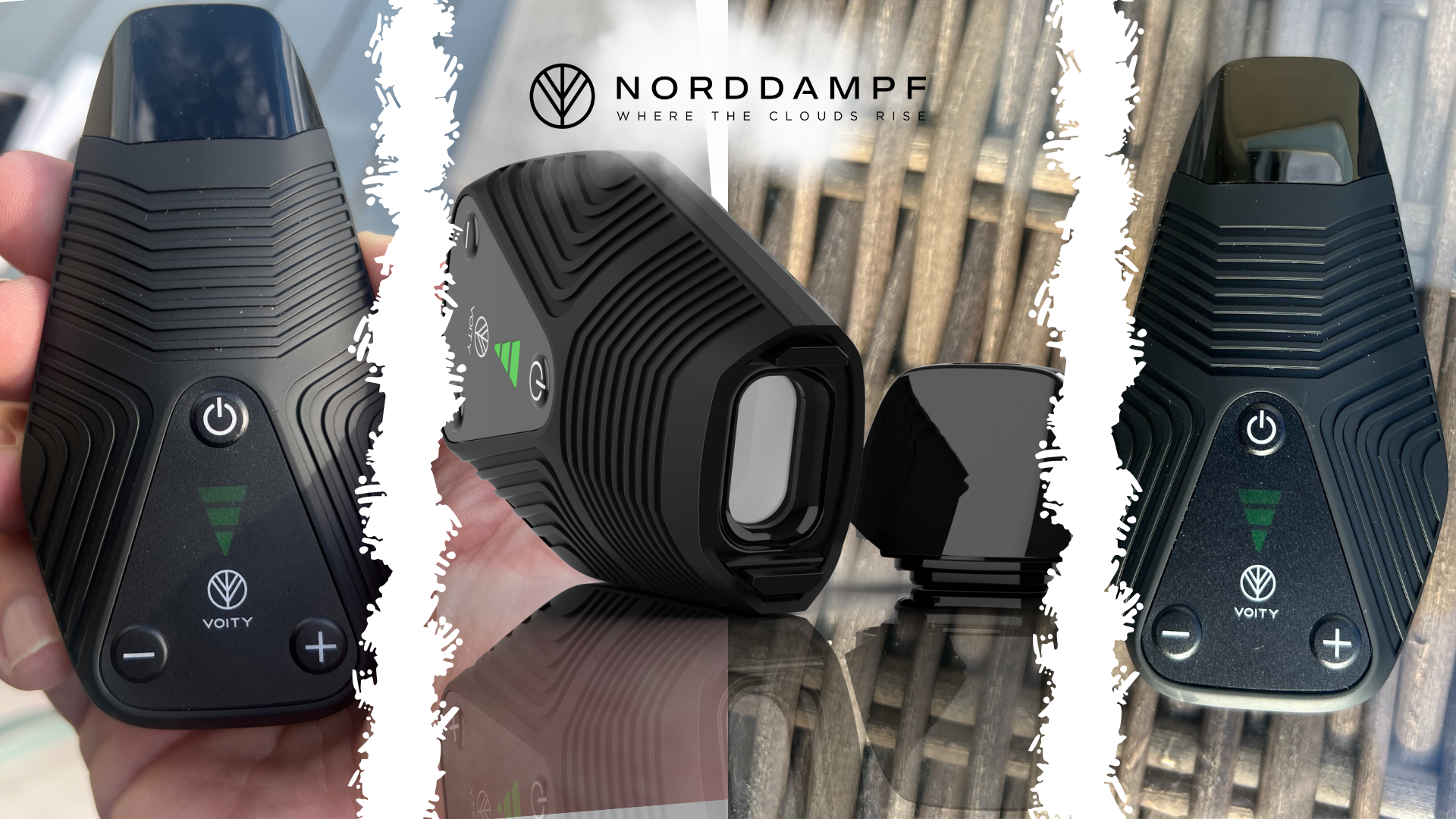
The heating method is the heart of every vaporizer and significantly determines the quality of the vapor experience. Let's take a closer look at the different technologies so you can understand how a vaporizer works.
Conduction (heat transfer)
With conduction heating, the plant material is in direct contact with the heated surface.
Physical principle: Heat energy is transferred from the hotter to the cooler material through direct contact. The molecules of the heating element vibrate faster and transfer this energy to the adjacent molecules of the plant material.
Advantages and disadvantages:
- ✅ Fast heating
- ✅ Energy efficient
- ✅ Simple design
- ❌ Uneven heating (hot spots)
- ❌ Requires occasional stirring of the material
- ❌ Higher risk of overheating
Typical materials: Ceramic, stainless steel, or aluminum are used for the heating chamber, with each material having specific thermal properties. A well-filled herb chamber is crucial for even heat distribution and efficient extraction.
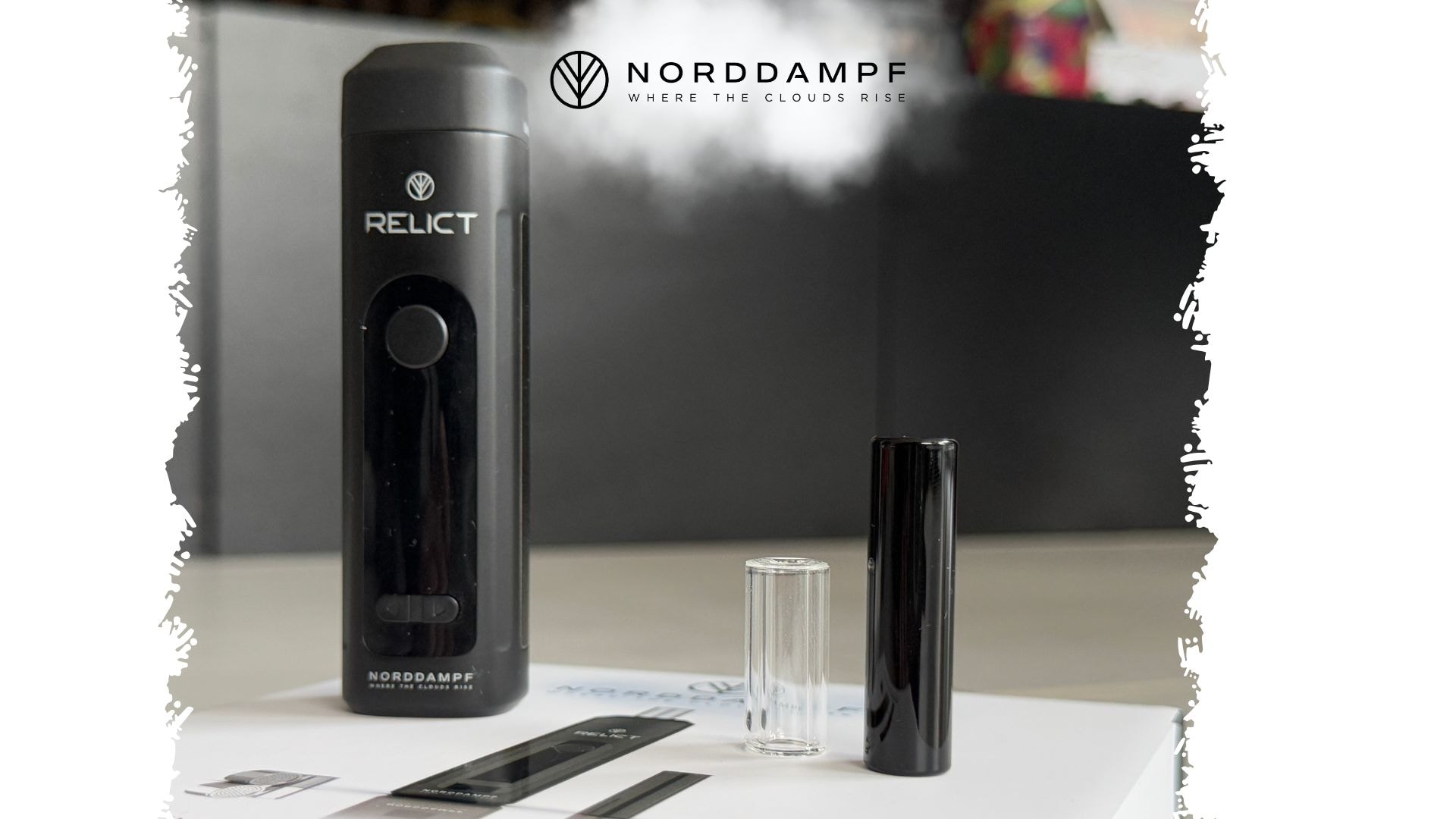
The Relict from Norddampf advanced conduction heating with a specially developed ceramic chamber that allows for more even heat distribution than conventional conduction vaporizers.
Convection (heat flow)
In convection heating, heated air is passed through the plant material.
Physical principle: A heating element warms air, which then flows through the plant material and extracts active ingredients. Heat is transferred by the movement of the heated medium (air).
Advantages and disadvantages:
- ✅ More even heating
- ✅ Purer taste
- ✅ Lower risk of burns
- ❌ Longer heating time
- ❌ Higher energy consumption
- ❌ More complex construction
Airflow design: The efficiency of a convection vaporizer depends heavily on the airflow design—how the air is heated and how it flows through the material.
The Voity from Norddampf a sophisticated convection system with optimized airflow for maximum efficiency and purity of flavor.

hybrid heating system
The most advanced technology combines both approaches in a hybrid system.
Combination of both technologies: The plant material is heated both by direct contact with the heating chamber (conduction) and by heated air (convection).
How hybrid technology compensates for the disadvantages:
- The conduction component ensures rapid heating
- The convection component ensures even heat distribution.
- The risk of hotspots is minimized
- Optimal extraction of active ingredients is achieved
Thermodynamic advantages: Combining both heating technologies creates a thermodynamic equilibrium that enables more precise temperature control.
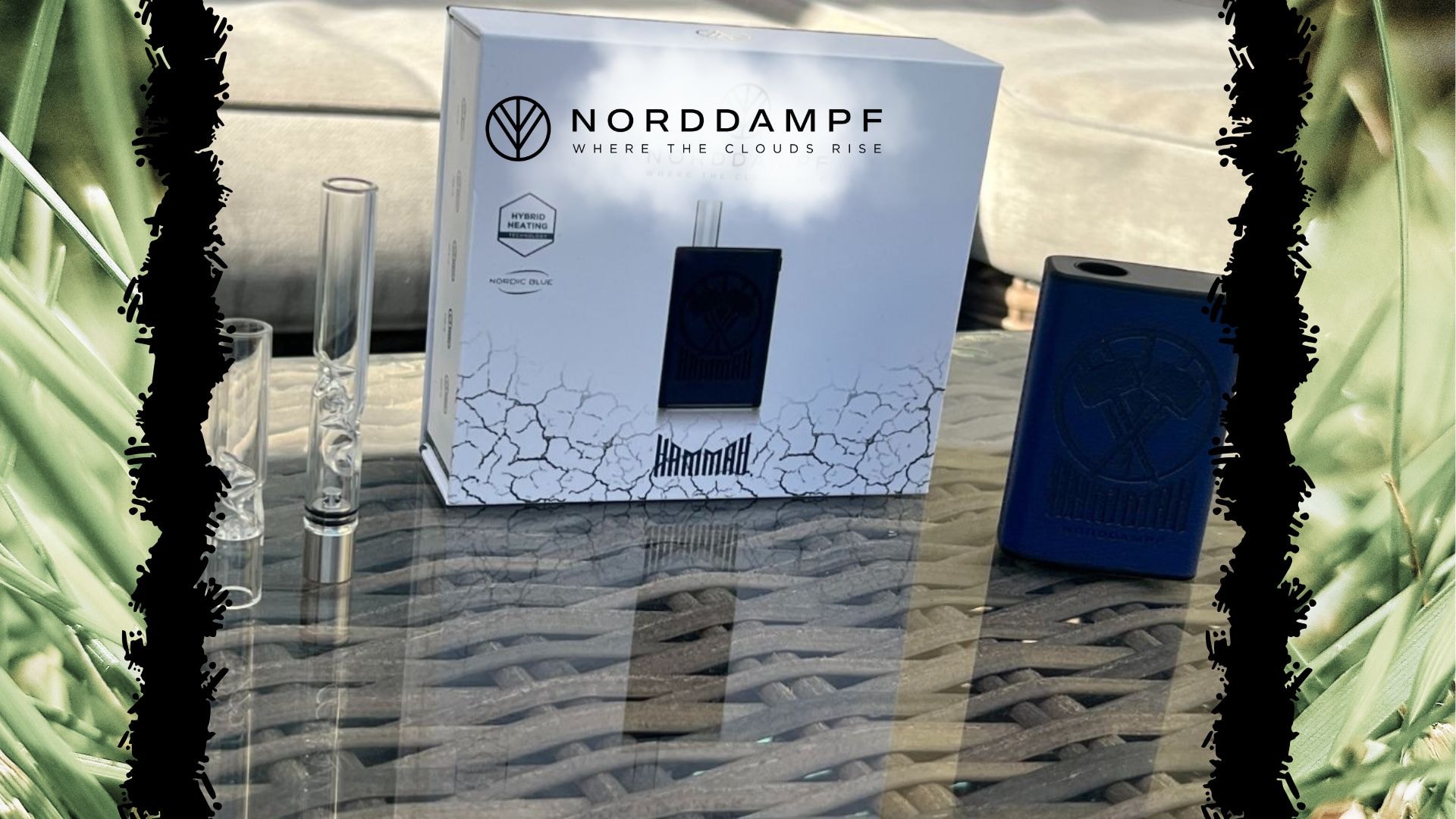
The Hammah from Norddampf on advanced hybrid heating technology that has been perfected through years of research and development. At its heart is the innovative glass pod system, which not only includes the mouthpiece but also the filling chamber. This system is inserted directly into the heating chamber, where it is efficiently heated using hybrid heating technology.
The modular Steelpod system is also included in the scope of delivery as an option. Not only does it allow the use of additional add-ons, but it also specifically influences heat development. This allows users to decide for themselves which system best suits their needs—for a personalized vaping experience of the highest standard.
Materials science: What's inside your vaporizer
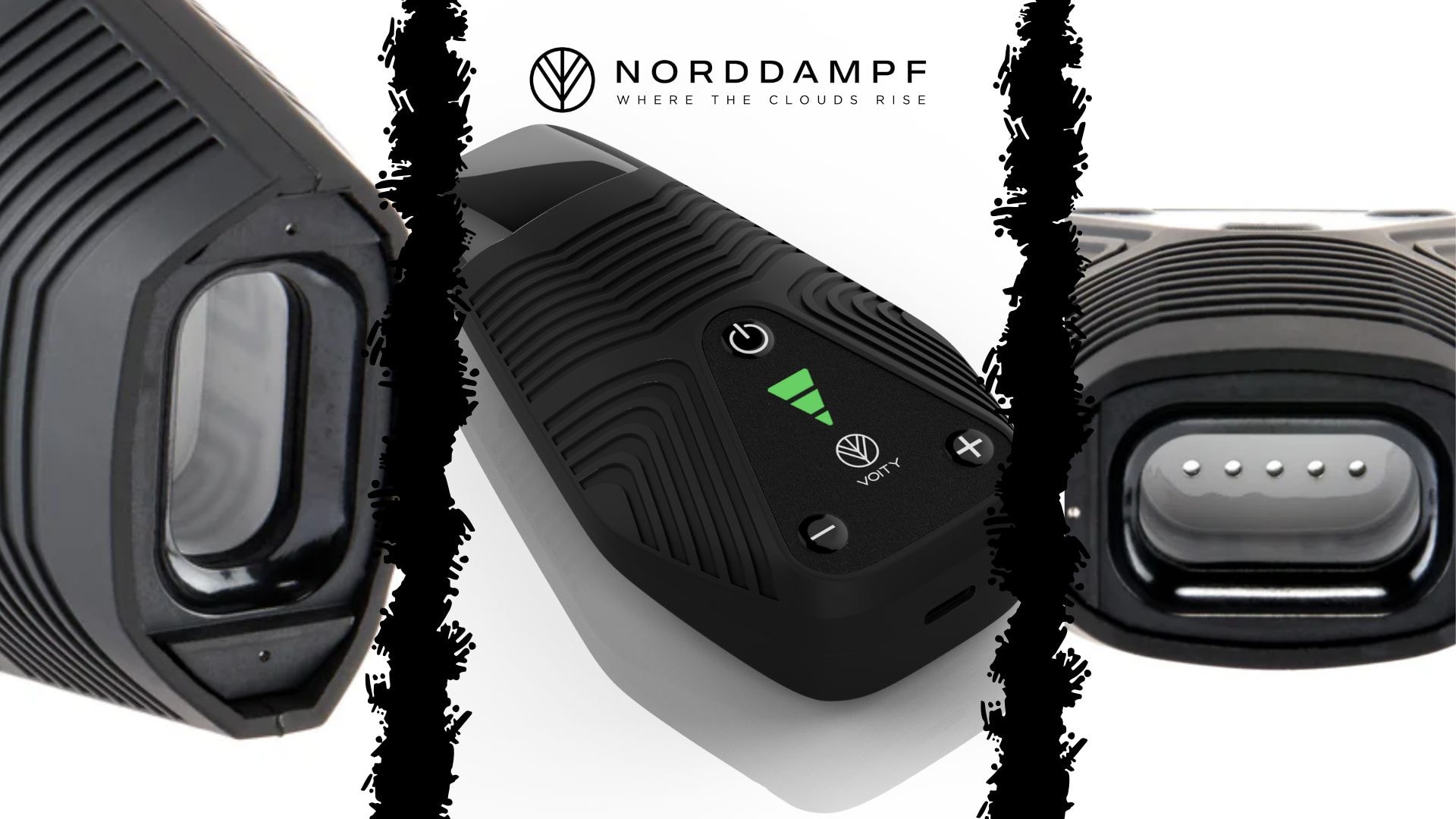
The materials used to make a vaporizer are not just a question of aesthetics or durability—they have a direct impact on vapor quality, health, and the overall user experience.
Requirements for materials in vaporizers
Materials in vaporizers must withstand extreme conditions while meeting the highest safety standards:
- Heat resistance: Materials must withstand temperatures of up to 220°C or more without releasing harmful substances.
- Chemical inertness: No reaction with the vaporized substances or release of harmful substances.
- Mechanical stability: Resistance to thermal expansion and contraction during repeated heating cycles.
- Food safety: All materials in the steam path must be safe for human consumption.
Improper use or malfunction of vaporizers can lead to burns or other injuries. It is therefore important to use the devices in accordance with the manufacturer's instructions.
Health aspects of different materials
Stainless steel:
- Extremely durable and corrosion resistant
- Chemically inert at vaporizer temperatures
- No release of pollutants
- Relatively high thermal conductivity
- Frequently used for heating elements and steam paths
Ceramics:
- Excellent heat resistance
- Chemically inert and tasteless
- No release of pollutants
- Even heat distribution
- Ideal for heating chambers and steam paths
Glass:
- Completely tasteless
- Chemically inert
- No release of pollutants
- Enables visibility of the steam
- Ideal for mouthpieces and vapor paths
Aluminum:
- Lightweight yet sturdy
- Good thermal conductivity
- No release of harmful substances with high-quality alloys
- Mainly used for enclosures
- Should not be used directly in the steam path
Plastics and silicones:
- Must be specially designed for high temperatures
- Only medical/food-grade silicone in the steam path
- Plastics should never be heated directly.
- Used for seals and external components
How Norddampf rely on materials science findings
During the development of Norddampf vaporizers, Norddampf worked closely with materials scientists to find the optimal combination of materials:
Ceramic chamber of the RELICT :
- Specially designed stainless steel chamber for optimal heat distribution
- Non-porous surface for easy cleaning and hygiene
- Thermally optimized wall thickness for energy efficiency
- Chemically inert for pure taste
Air path design for optimal heat distribution:
- Optimized geometry for uniform airflow
- Thermal insulation of critical components
- Can be completely dismantled for thorough cleaning
These innovations in materials science are a key reason why the Relict offers such exceptional vapor quality and efficiency.
Electronics and sensor technology in modern vaporizers
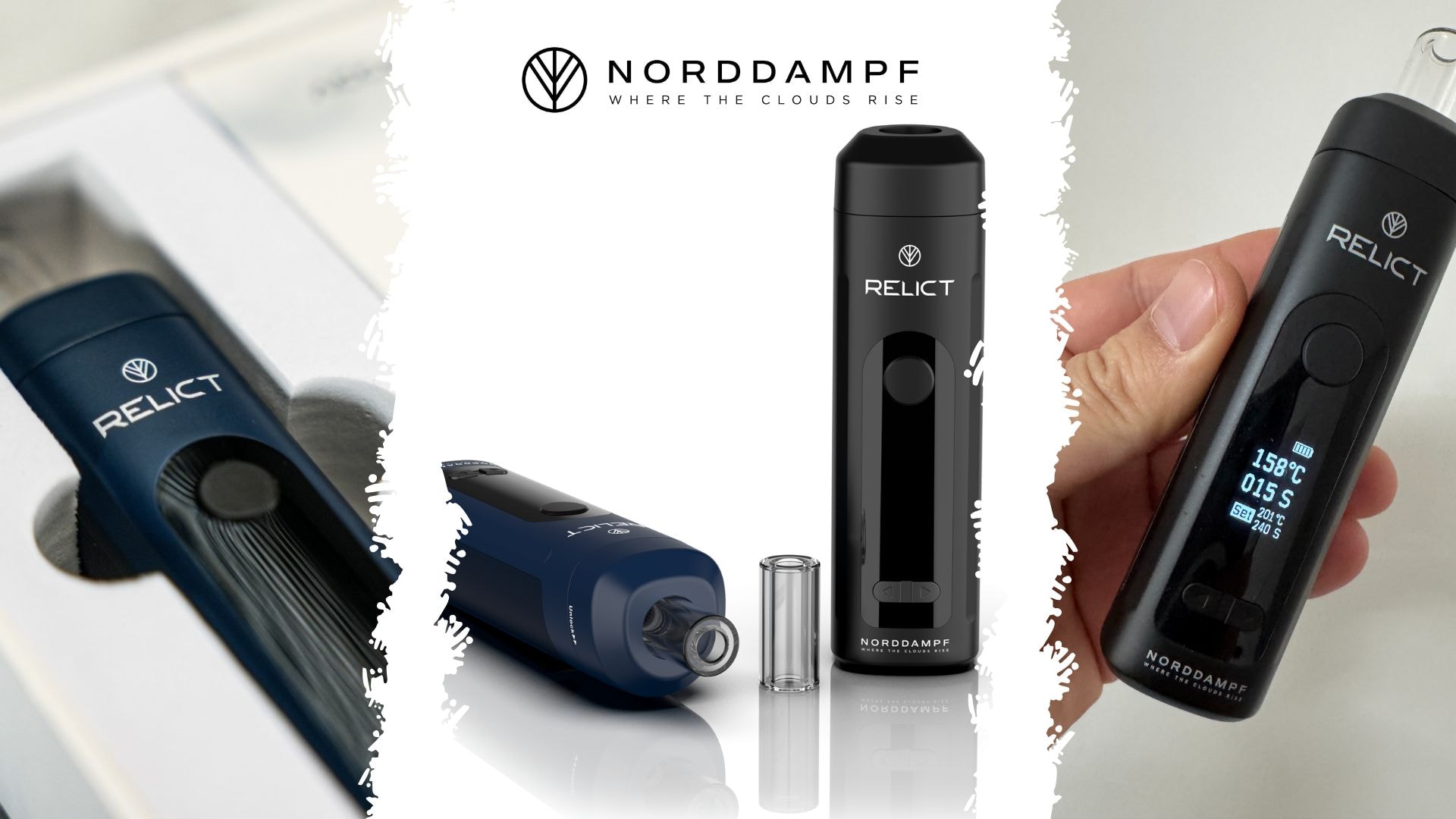
Behind the seemingly simple operation of modern vaporizers lies highly complex electronics that enable precise control and optimal performance.
Temperature control and sensor technology
Precise temperature control is crucial for an optimal vaping experience and is based on advanced sensor technology:
Thermocouples:
- Generate a temperature-dependent voltage
- Fast response time
- Used in many mid-range vaporizers
- Accuracy of approximately ±3-5°C
Resistance temperature detectors (RTD):
- Utilize the change in electrical resistance with temperature
- Higher accuracy than thermocouples (±1-2°C)
- Relict in premium vaporizers such as the Relict
- Enable precise temperature control in 1°C increments
PID control for precise temperature control:
- proportional-integral-derivative control
- Continuous adjustment of heating output
- Minimizes temperature fluctuations
- Ensures constant temperature throughout the entire session
The Relict uses a high-precision platinum RTD sensor in combination with an advanced PID control algorithm that maintains the temperature to within ±1°C—a level of precision that is crucial for the optimal release profile of various active ingredients. The right temperature settings are particularly important when using herbal blends, as different herbs have different ideal temperatures. Experiment with different settings to achieve the best results.
Battery technology and energy efficiency
Power supply is a critical aspect of modern portable vaporizers:
Lithium-ion vs. LiPo batteries:
- Lithium-ion batteries: Higher energy density, longer service life, safer at higher temperatures
- LiPo batteries: Lighter, more flexible design, higher discharge rates
Charge cycles and battery life:
- High-quality lithium-ion batteries last for 300-500 full charging cycles
- Intelligent charge management extends service life
- Temperature monitoring prevents overheating
Energy management in the Relict :
- Dynamic power adjustment depending on temperature requirements
- Intelligent standby mode thanks to the Intelisense sensor with minimal energy consumption
- Optimized heating cycles for maximum battery life
- USB-C fast charging technology
This advanced battery technology allows the Relict to handle up to 8-10 sessions on a single charge—significantly more than most competing products.
Microprocessors and firmware
The "brain" of modern vaporizers is a powerful microprocessor with specialized firmware:
How software controls hardware:
- Real-time temperature monitoring and adjustment
- Control of the user interface and feedback systems
- Battery management and safety features
- Diagnostic and self-test functions
Temperature curves and profiles:
- Preprogrammed heating profiles for different materials
- Dynamic adjustment of heating output for constant temperature
- Compensation for ambient temperature and air flow
- Protection against overheating and thermal damage
The Relict firmware is the result of thousands of hours of development and testing. It optimizes not only temperature control, but also the entire user experience—from intuitive operation to haptic feedback via the vibration function.
Biomedical aspects of vaporization

The benefits of vaporization extend far beyond the technology itself—they have a direct impact on the health and well-being of users.
Effects on the lungs compared to smoking
Numerous studies have examined the effects of vaping compared to smoking:
- A study by the University of California San Francisco showed that smokers who switched to vaporizers showed a significant improvement in lung function after just one month.
- Research conducted by the Roswell Park Cancer Institute found that vapor from vaporizers contains 95% fewer toxic compounds than smoke.
- A long-term study by the University of Auckland documented a significant decrease in respiratory symptoms among people who switched from smoking to vaping. These studies prove that vaping reduces the strain on the lungs and is therefore considered a healthier alternative to smoking.
These results are not surprising when you consider that vaporization does not involve combustion and therefore does not produce tar particles, carbon monoxide, or significantly fewer carcinogenic substances.
Bioavailability of active ingredients at different temperatures
The temperature not only influences which active ingredients evaporate, but also their bioavailability—i.e., how well they can be absorbed by the body:
Low temperatures (160-180°C):
- Higher bioavailability of terpenes
- Better absorption of CBD
- Lower total extraction, but higher efficiency per extracted active ingredient
Medium temperatures (180-200°C):
- Optimal bioavailability for most cannabinoids
- Balanced ratio between terpenes and cannabinoids
- Best overall efficiency of active ingredient uptake
High temperatures (200-220°C):
- Maximum extraction of cannabinoids
- Reduced terpene bioavailability (many have already broken down)
- Higher total amount, but partially reduced absorption efficiency
The precise temperature control of the Relict allows users to find the optimal temperature for their specific needs.
Medical applications of vaporization technologies
Vaporization technology has also found its way into medicine:
- In Germany, Israel, and Canada, medical vaporizers are prescribed for the administration of medical cannabis.
- Clinical studies have shown that vaporization allows for more precise dosing than smoking.
- The controlled temperature enables the targeted extraction of therapeutically effective compounds.
- For patients with respiratory diseases, vaporization offers a significantly gentler alternative.
These medical applications underscore the legitimacy and health benefits of vaporization technology.
Optimal use
The basics of vaporization can be directly translated into practical recommendations for use in order to achieve the best possible experience.
Thermodynamics of the chamber during a session
What happens inside the chamber of a vaporizer during a session is a fascinating interplay of thermodynamic processes:
- Heating phase: The chamber reaches the target temperature while the plant material remains relatively cool.
- Heat transfer: Heat is transferred to the material, with the outer layer heating up faster than the core.
- Evaporation phase: First, the compounds with lower boiling points (mainly terpenes) evaporate.
- Progressive extraction: With each draw, deeper layers of the material are heated and further active ingredients are released.
- Exhaustion phase: After several passes, the easily vaporized compounds are extracted, and higher temperatures are required.
This understanding of thermodynamic processes explains why the first sips taste different from later ones and why temperature stepping makes sense.
Inhalation techniques
The physics of fluid dynamics and heat transfer suggest that certain inhalation techniques maximize efficiency:
Optimal pulling speed based on fluid dynamics:
- Pulling too quickly cools the chamber and reduces efficiency.
- Pulling too slowly can lead to local overheating.
- The optimal speed is around 5-10 seconds per stroke.
- This maximizes the contact time between air and material at the optimum temperature.
Ideal pull length for maximum extraction:
- Measurements show that the concentration of active ingredients in the vapor begins to decrease after 5-8 seconds.
- Longer draws of 8-10 seconds maximize extraction per draw.
- Shorter, more frequent runs lead to greater heat loss and lower overall efficiency.
The Relict was specially developed for this optimal inhalation technique, with air resistance that naturally promotes the ideal inhalation speed.
Temperature stepping
Gradually increasing the temperature during a session is not only preferred by experienced users, but also has a solid basis:
Why gradual temperature increases are more effective:
- Different compounds have different boiling points.
- Lower temperatures extract the more volatile compounds first.
- Higher temperatures are only necessary once these have been exhausted.
- This approach maximizes both flavor diversity and overall efficiency.
- Proper temperature control helps achieve the desired effect by improving the efficiency of inhalation.
Optimal temperature steps for different active ingredients:
- Start at 160-170°C: Optimal extraction of terpenes and flavonoids
- Increase to 180-190°C: Ideal range for CBD and most cannabinoids
- Finish at 200-210°C: Maximum extraction of remaining active ingredients
This method of temperature stepping can be perfectly implemented with the Relict thanks to its precise 1°C temperature control.
Research and development at Norddampf
The fundamentals we have discussed so far are not just theoretical knowledge—they are directly Norddampf into our product development at Norddampf .
Insight into the development process of new vaporizers
The development of a vaporizer such as the Relict is a complex process:
- Basic research: Investigation of thermodynamic principles and materials science
- Concept development: Creation of prototypes based on scientific findings
- Thermal simulation: Computer-aided modeling of heat distribution and transfer
- Prototype construction: Production of functional test devices using various materials and designs
- Instrumented tests: Measurement of temperature distribution, energy efficiency, and steam quality
- Chemical analysis: Examination of the vapor composition at different settings
- User testing: Feedback from experienced testers and design adjustments
- Production optimization: Development of efficient manufacturing processes while maintaining consistent quality
This development process ensures that every Norddampf is based on solid physical and chemical principles.
How scientific findings are incorporated into product development
At Norddampf , we Norddampf closely with scientists from various disciplines:
- Materials scientists assist in selecting optimal materials for heating chambers and steam paths
- Thermodynamic engineers optimize heat distribution and energy efficiency
- Electronics engineers develop precise temperature control systems
- Chemists analyze the vapor composition and optimize the extraction process.
- Product designers integrate these scientific findings into user-friendly devices.
This interdisciplinary collaboration enables us to develop vaporizers that are also user-friendly.
Test procedures and quality assurance
Every Norddampf vaporizer undergoes rigorous testing procedures:
- Thermal imaging: Visualization of heat distribution in the chamber
- Gas chromatography: Analysis of the chemical composition of the vapor
- Lifetime testing: Simulating years of use in accelerated tests
- Material testing: Ensuring the safety of all materials used
- Electronic calibration: Precise adjustment of temperature sensors and control systems
These testing procedures ensure that every Relict meets the highest standards for performance, safety, and durability.
The future of vaporization technology
The science behind vaporizers is constantly evolving. Let's take a look at current research trends and future innovations.
Current research trends
Research in the field of vaporization technology is focusing on several promising areas:
- Nanomaterials for heating elements: Researchers are developing nanomaterial-based heating structures that enable even more uniform heat distribution and faster heating times.
- Artificial intelligence in temperature control: Adaptive algorithms that optimize heating behavior based on usage patterns and material type.
- Biocompatible materials: Development of new, high-temperature-resistant materials that are completely inert and safe for human consumption.
- Energy efficiency: Research into heat storage materials and techniques that further improve the energy efficiency of portable vaporizers.
These areas of research promise significant improvements in the next generation of vaporizers.
Upcoming technologies and innovations
Based on current research trends, we can expect some exciting innovations in the near future:
- Induction heating: Electromagnetic induction could replace conventional heating elements and enable even more precise temperature control.
- Smart vaporizers with app integration: real-time data analysis, personalized heating profiles, and cloud-based optimization of the user experience.
- Improved sensor technology: real-time analysis of steam composition for optimal extraction of active ingredients.
- Modular designs: Customizable components for different materials and user preferences.
- Improved battery technology: New generations of high-performance batteries with longer service life and shorter charging times.
- E-cigarettes: These battery-powered devices heat liquid solutions to produce an aerosol that is inhaled. Their popularity, especially among young adults, and the associated health concerns are also an important aspect.
At Norddampf , we closely Norddampf these developments and integrate proven innovations into our future products.
Potential improvements in efficiency and user-friendliness
Scientific research will lead to concrete improvements for end users:
- Higher energy efficiency: Longer battery life with consistent or improved performance.
- Faster heating times: Ready for use immediately without waiting times.
- More precise temperature control: Even more accurate control for optimal extraction of specific active ingredients.
- Improved material utilization: More uniform extraction for reduced material consumption.
- More intuitive operation: Adaptive user interfaces that adjust to individual usage patterns.
These improvements will further optimize the user experience and increase the efficiency of vaporization technology.
Norddampf's vision for the next generation of vaporizers
At Norddampf , we Norddampf already Norddampf on the next generation of vaporizers based on the latest scientific findings:
- Integration of adaptive heating algorithms for personalized usage profiles
- Research into new hybrid heating concepts for even more uniform heat distribution
- Development of improved energy management systems for longer battery life
- Optimization of airflow geometry for maximum efficiency
- Research into more biocompatible materials for the vapor path
Our goal is to continue researching the scientific principles behind vaporization and translate these findings into innovative products that continuously improve the user experience.
Conclusion: Science in the service of user experience
The science behind vaporizers is fascinating and multifaceted—from the basic physics of vaporization to the chemistry of the extracted active ingredients to materials science and electronics. But all of these fundamentals ultimately serve one goal: the optimal user experience.
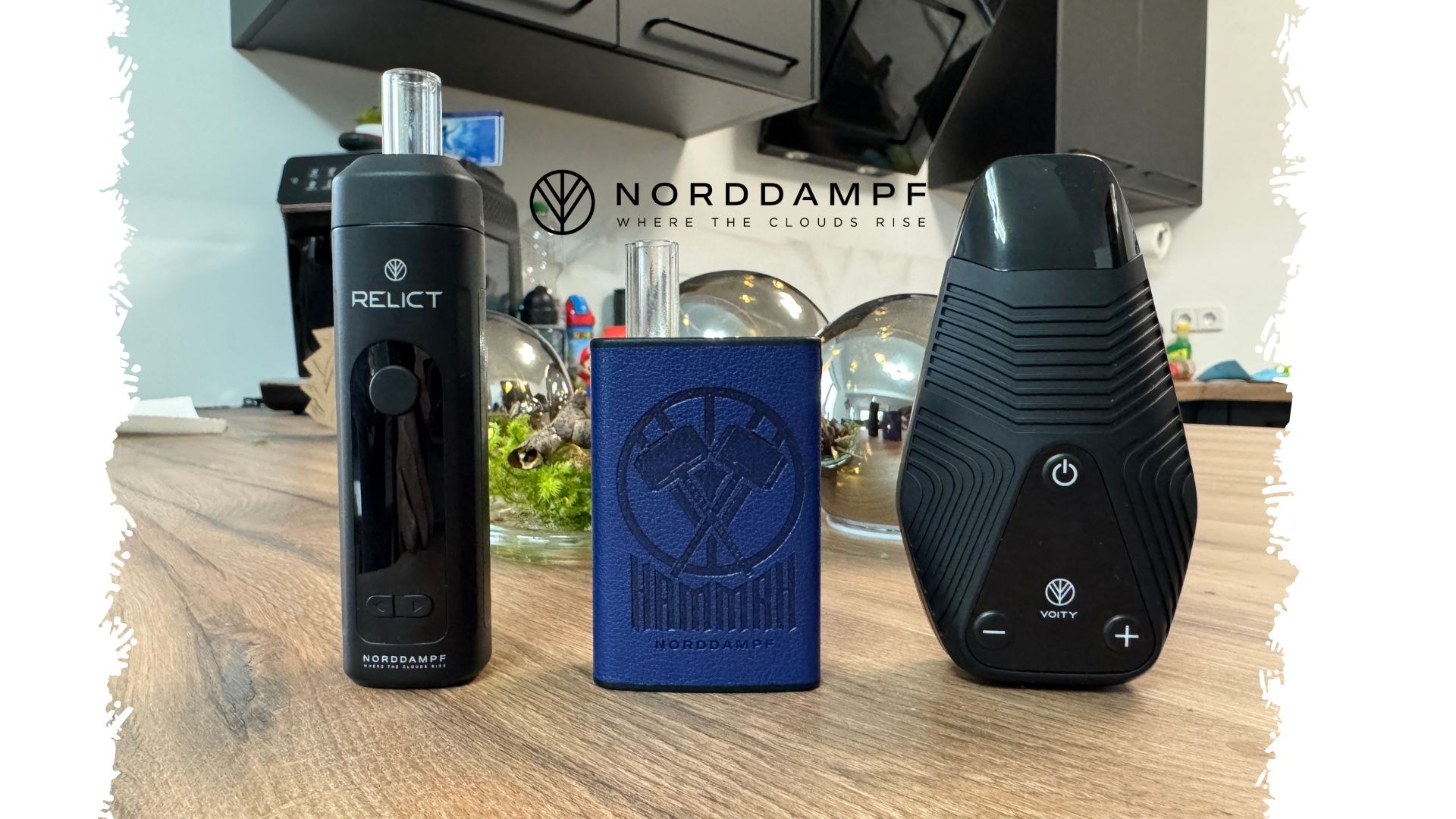
These principles form the foundation for the development of high-quality vaporizers such as the Relict, HAMMAH and Voity from Norddampf.
How scientific understanding leads to a better vaping experience
A deeper understanding of the basics can directly improve the vaping experience:
- Knowledge of optimal temperatures enables targeted extraction of desired active ingredients
- Understanding thermodynamics leads to more efficient utilization techniques
- Knowledge of materials science helps in selecting high-quality, safe products.
- Insights into electronics enable optimal use of temperature control
- Awareness of biomedical aspects promotes healthier consumption habits
This knowledge empowers users to make informed decisions and realize the full potential of their vaporizers.
Recommendations for using Norddampf
We recommend
- Temperature stepping for maximum efficiency:
- Start at 170°C for a terpene-rich flavor
- Gradually increase to 185°C for balanced extraction.
- Finish at 200°C for maximum yield
- Optimal pulling technique based on fluid dynamics:
- Slow, steady strokes lasting 5-10 seconds
- 20-30 seconds pause between breaths
- Easy steam retention for optimal absorption
- Material preparation for even heating:
- Medium-fine consistency for optimal airflow
- Loose packing in the chamber
- Uniform distribution for homogeneous heat transfer
- Regular cleaning for optimal performance:
- Clean after 5-10 sessions for the best vapor quality
- Special attention to steam path and mouthpiece
- Use of isopropyl alcohol-based cleaning methods
These recommendations will help you get the most out of your Norddampf vaporizer.
Invitation to explore the Norddampf with a new understanding
With this article, we invite you to take a fresh look at the Norddampf:
- Discover the Relict with its advanced conduction technology thanks to "dual heating technology" and precise temperature control.
- Experience the HAMMAH with its optimized hybrid heating technology for on the go
- Try out the Voity with hybrid heating technology and additional infrared heat.
The science behind vaping is fascinating and complex—but the result is simple: a purer, more efficient, and more enjoyable experience. At Norddampf , we Norddampf this scientific knowledge into practice every day to develop products that are not only technologically advanced, but also offer a superior user experience.