

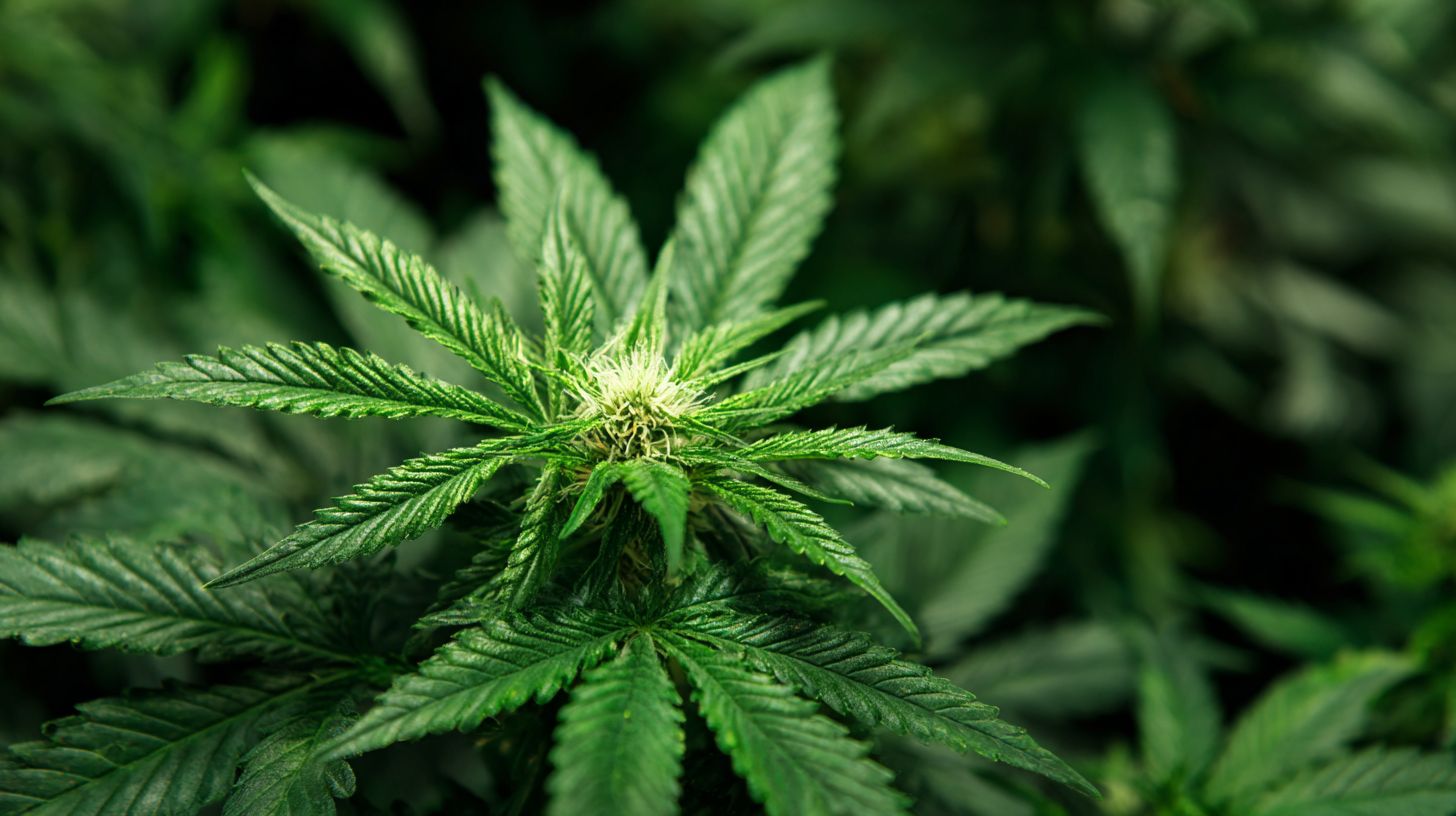
Since April 1, 2024, growing cannabis for personal use has been legal in Germany. The Recreational Cannabis Act (KCanG) allows adults to grow up to three cannabis plants per person at their own residence. In addition, there is a possession limit of 50 grams of dried flowers at home and 25 grams in public. This guide provides practical tips for indoor and outdoor cultivation—while also explaining the most important legal framework. This article is intended exclusively for adults in Germany and does not constitute a call to engage in illegal activities.
-
VPD Chart & Calculator: Perfectly Control Your Cannabis Grow
-
CO2 bags useful for growing

-
Cannabis cultivation EC value
-
Measuring and correcting cannabis pH levels: The key to nutrient uptake

-
Keeping a grow diary – why and how it improves your yield

-
Growing cannabis in the attic—is it legal and safe?
-
Cannabis training techniques: LST, HST, and topping explained simply

-
The best cannabis strains for beginners – seed selection made easy
-
Growing accessories for mini balconies – the most space-saving solutions

-
Smart Grow: High-tech & sustainability at home
Legal Framework: Cannabis Cultivation in Germany Since 2024
The Recreational Cannabis Act (KCanG) took effect on April 1, 2024, marking a historic turning point. For the first time since the ban in 1929, adults in Germany are legally permitted to grow recreational cannabis. The KCanG must be clearly distinguished from the Medical Cannabis Act (MedCanG), which regulates medical cannabis separately.
The basic rules for home gardening:
| Regulation | details |
|---|---|
| Minimum age | 18 years old |
| Plants per person | A maximum of 3 live plants |
| Home ownership | A maximum of 50 g of dried cannabis flowers |
| Possession in public | No more than 25 g |
| Location | Exclusively at the place of residence |
Cultivation is permitted only for personal use. Sale, transfer for money, or any form of commercial trade remains a criminal offense. Industrial hemp with a THC content below 0.2% is subject to different regulations—this article focuses on cannabis for recreational use.
Where is it allowed to grow cannabis? Apartment, balcony, garden
The law is clear: Cannabis cultivation is permitted only at one’s place of residence or habitual residence. Allotment gardens, allotment garden associations, or community plots are expressly excluded.
Apartment
In your home, you have full control. Every adult in the household is allowed to keep up to three plants. So in a shared apartment with three adults, up to nine cannabis plants would be legal. However, the 50-gram limit applies to the total amount in your possession—careful separation is required.
Balcony
The balcony is suitable for outdoor gardening, but requires privacy screening to keep prying eyes at bay. Companion plants or screens can help shield the plants from view.
Garden
In your own garden, you can use larger pots (18–20 liters) or plant directly in the garden bed. Here, too, it’s essential to have locked-off areas and ensure that children and teenagers cannot access them.
In rental apartments, installing a system is generally permitted. However, you must be considerate of your neighbors. Minimize odors caused by activated carbon filters and reduce fan noise—otherwise, you risk civil claims such as a reduction in rent.

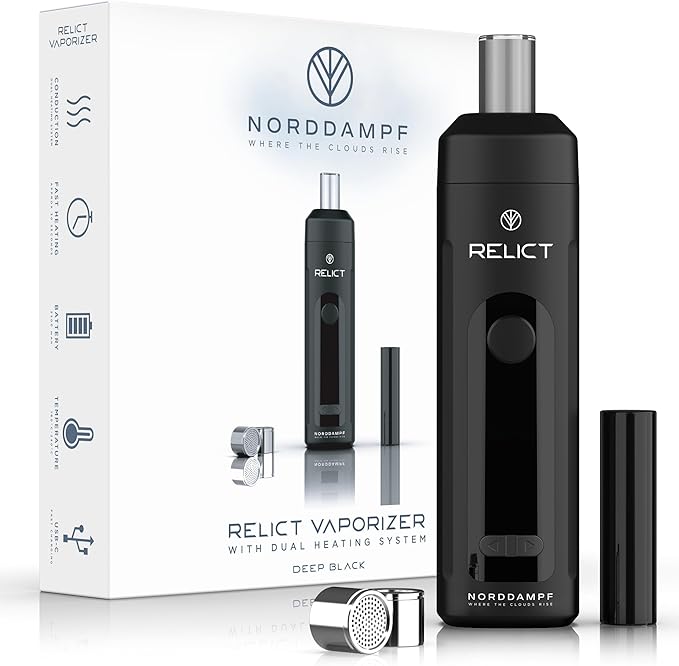
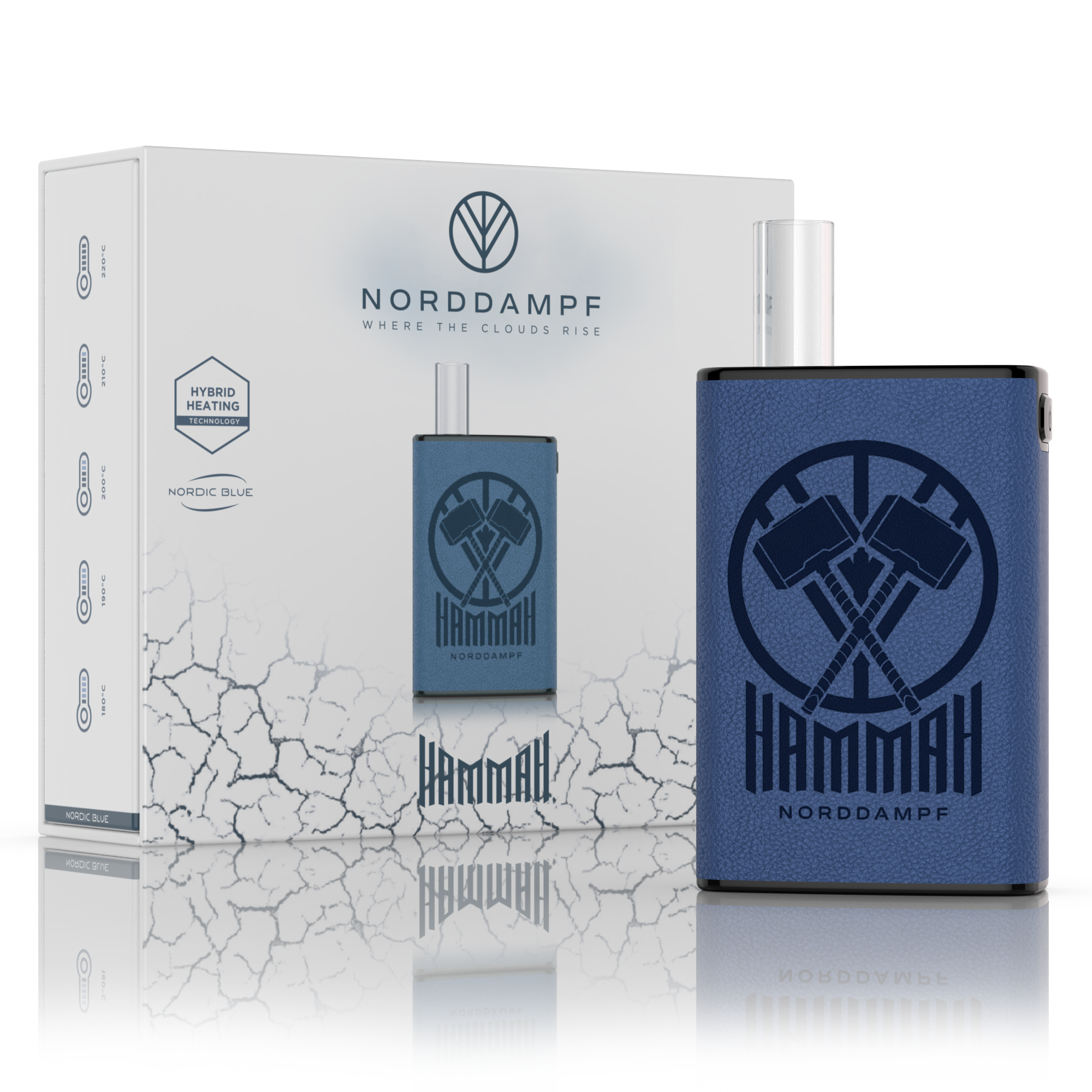
Our Best Sellers
Discover the most popular Norddampf products
Fines, penalties, and common mistakes in cannabis cultivation
The law sets clear limits. If you cross them, it will cost you—or worse.
Possession of more than three plants per person is subject to criminal prosecution under the revised Narcotics Act. Possible consequences: fines or imprisonment for up to three years. Example: Six plants in the possession of a single individual will result in confiscation and severe penalties.
Administrative offenses under the KCanG include:
- Inadequate safeguards against minors
- Exceeding property boundaries
- Violations of youth protection laws
Fines range from several hundred euros to 30,000 euros, depending on the specific case and the state.
Commercial cultivation or trafficking is prosecuted particularly strictly. If intent to profit is proven, the penalty is imprisonment for 3 months to 5 years. The law permits only non-commercial personal cultivation and communal cultivation through cultivation associations (cannabis social clubs), which have been authorized to operate since July 2024.
Indoor Cannabis Cultivation: All Year Round in Your Own Home
Indoor growing is the top choice for urban growers. The advantages are clear:
- Year-round cultivation regardless of the weather
- Full control over lighting, climate, and odor
- Discreet cultivation at home
- 2–3 harvests per year are possible
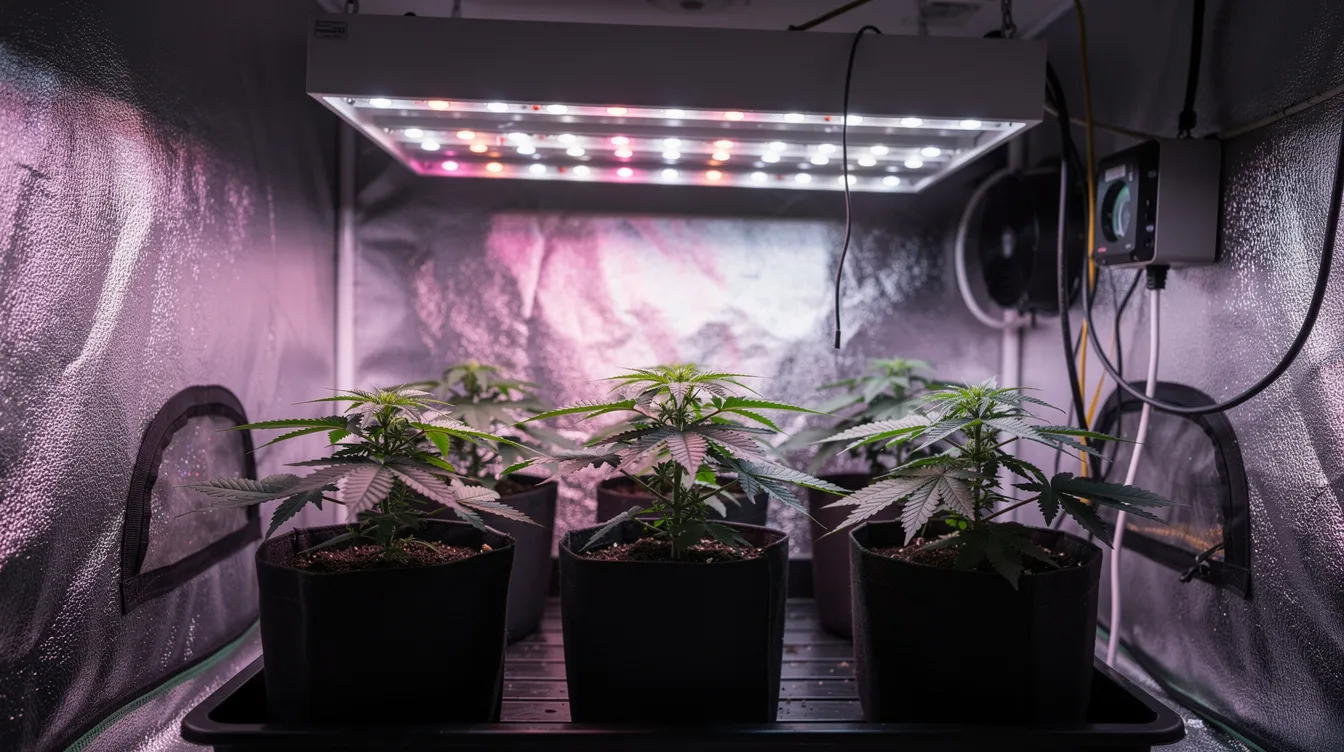
A compact grow box measuring 80 × 80 × 160 cm or 100 × 100 × 200 cm is suitable for up to three plants. The initial costs are higher than for outdoor cultivation—LED lights, exhaust fans, filters, and the grow box add up to 300–600 euros. In return, indoor cultivation delivers more consistent yields of about 50–200 grams per plant.
What supplies do you need for indoor growing?
The basic equipment you need for successful indoor cannabis cultivation:
Technology:
- Grow box (80 × 80 × 160 cm, for 3 plants)
- LED grow light (200–300 W per 1 m²)
- Timer
- Circulating fan (oscillating)
- Exhaust fan
- Activated carbon filter
- Thermometer/Hygrometer
Planters:
- 3 pots, each holding 11–18 liters, with saucers
- Fabric pots for better root aeration (prevents root circling)
Earth:
- Loose, pre-fertilized potting soil
- Light mix for seedling production (low EC, below 1.0 mS/cm)
- All-Mix for the growth phase (pH 5.8–6.5)
Step-by-step preparation:
- Assemble the box and install the exhaust vent
- Set up the light at a distance of 40–60 cm
- Program the timer
- Calibrate the temperature (22–26 °C) and humidity (50–70 %)
How do you control the climate, lighting, and odors in indoor cultivation?
Light
The light cycle controls plant growth. During the growth phase: 18 hours of light, 6 hours of darkness. For flowering in photoperiod varieties: 12/12. Autoflowering cannabis varieties can be kept under 18 hours of light at all times.
Climate
The optimal temperature ranges:
- Growing season: 22–26 °C during the day, not below 18 °C at night
- Humidity during growth: 50–70%
- Flowering stage: 20–26 °C, humidity 40–50%
Lower humidity during flowering minimizes the risk of mold, such as Botrytis (grape rot).
smell
The activated carbon filter is essential. It removes 90–95% of the volatile terpenes from the exhaust air. Direct the filtered air from the grow box outside or into a well-ventilated room. Quiet fans and vibration isolation help prevent noise and conflicts with neighbors.
Growing Cannabis Outdoors: Garden, Balcony, and Patio
Outdoor growing offers a cost-effective way to grow cannabis. It requires no electricity, uses natural sunlight, and produces better terpene profiles thanks to UV radiation. The downsides include weather risks, pests, and the visibility of the plants.
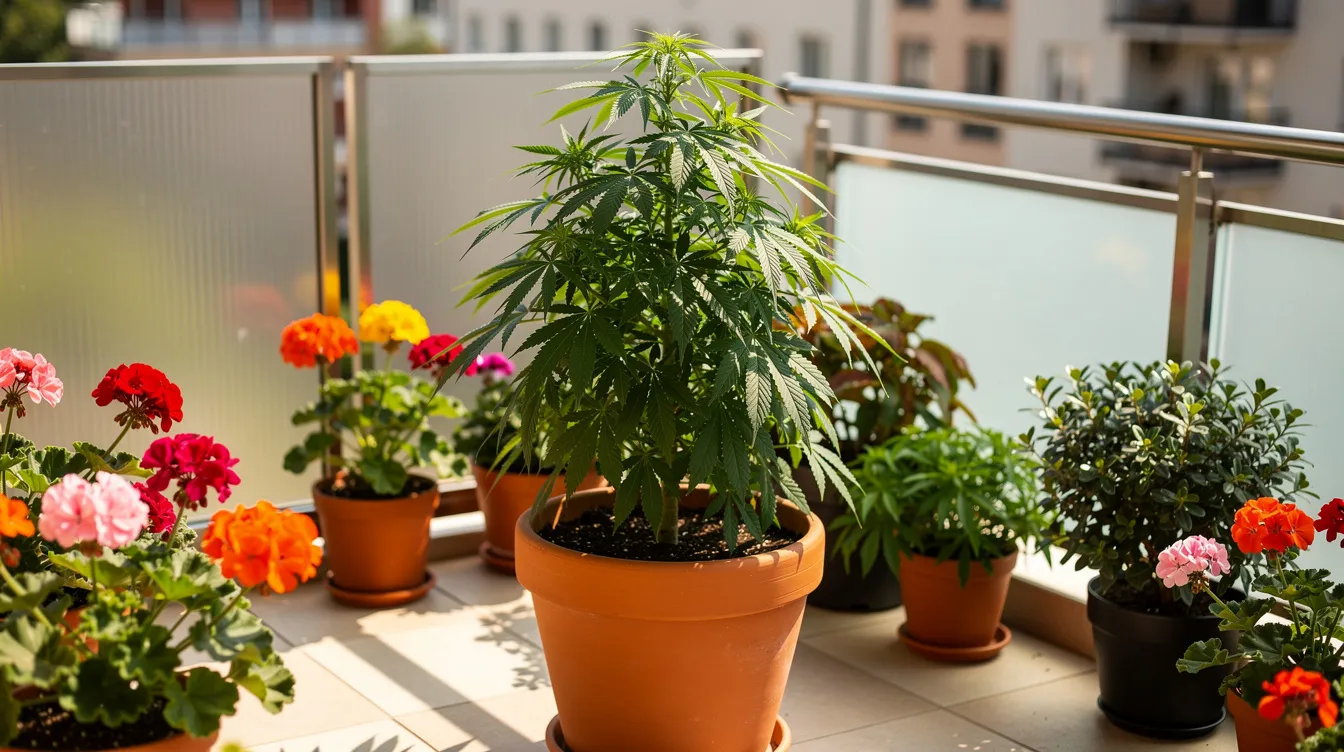
Balcony
Compact autoflowering strains are ideal. Privacy screens, balcony railings, or strategically placed potted plants are a must. A south-facing location provides optimal light conditions.
Garden
More space means larger pots (18–20 liters) or planting directly in the ground. The yield—100–500 grams per plant—is significantly higher than with indoor cultivation.
Patio
Similar to a balcony, but often with more room to move around. Make sure to provide privacy and keep your plants out of reach of others.
If you have children or teenagers in your household, you should opt for controlled indoor cultivation—the safety of minors is the top priority.
How do you prepare the outdoor location?
Select a location
Ideally, they should receive 6–8 hours of direct sunlight daily. A south or southwest-facing location yields the best results. An east-facing location is a viable alternative, but yields lower output.
Take the climate into account
Cannabis grows at temperatures between 12–30 °C, with 18–28 °C being ideal. Take the risk of frost in the spring seriously—nighttime temperatures below 12 °C significantly slow growth.
Set a schedule
- Indoor pre-cultivation: March/April
- Planting outdoors: After the last frost (starting in mid-May)
- Harvest: September through October (Indicas earlier, Sativas later)
Get the materials
- 3 pots, each holding 18–20 liters, with saucers
- Loose potting soil with 20–30% perlite
- Slow-release fertilizer (NPK 5-5-5)
- Snail protection (copper barriers)
- Neem oil may be used against spider mites (0.5% dilution)
Choosing a Cannabis Strain: Autoflowering vs. Photoperiod Strains
Choosing the right variety determines the amount of effort required and the yield.
Autoflowering strains
Ruderalis hybrids flower based on age—regardless of the light cycle. Compact height of 40–100 cm; total time from seed to harvest is about 9–12 weeks. Perfect for balconies, beginners, and small grow boxes. Yield: 50–150 grams per plant.
Photoperiodic varieties
These plants respond to the light cycle. They require 12 hours of darkness to enter the flowering phase. Larger plants (1–2 meters), greater control over the growth phase, higher yields of 200–600 grams. However, under stress, there is a higher risk of hermaphroditism.
Feminized seeds
With 95–99% female plants, feminized seeds are the standard choice for hobby gardeners. There is no need to weed out male plants. Both Cannabis sativa and Cannabis indica are available as feminized varieties—both species belong to the Cannabaceae family (hemp family), which, incidentally, also includes hops.
Seeds, Cuttings & Germination: Getting Started with Cannabis Cultivation
Procurement
The purchase of cannabis seeds is legal within the EU for personal cultivation. Numerous suppliers from the Netherlands, Spain, and other EU member states ship to Germany. Their selection ranges from classic strains to modern hybrid crosses.
Seeds vs. Cuttings
Seeds offer more variety and a longer growth period. Cuttings produce genetically identical female plants and provide a faster start—they usually come from cultivation associations or legal sources. Membership in such a cultivation association allows you to obtain seeds and cuttings under controlled conditions.
Instructions: How to Sprout Seeds, Step by Step
- Thoroughly dampen the kitchen towels (but not soaking wet)
- Place the seeds between the damp cloths
- Store in a dark place at 22–25 °C (e.g., in a closed box on the windowsill)
- After 2–5 days, the root (radicle, 1–2 cm long) appears
- Gently plant the seeds 1 cm deep in moistened potting soil
Alternative: Sow directly about 1 cm deep, at 20–25 °C and with consistent moisture. Germination occurs after 5–7 days. Fresh seeds achieve germination rates of over 90%.
Soil, Nutrients, and Watering in Cannabis Cultivation
Two-stage earthwork
Start with a nutrient-poor, loose seed-starting mix. After 2–3 weeks, transplant the seedlings into a more heavily pre-fertilized growing medium—15–20 liters per plant.
Nutrients
Cannabis is a heavy feeder. The most important nutrients:
| Macronutrients | Function |
|---|---|
| Nitrogen (N) | Leaf growth |
| Phosphorus (P) | Roots & Blossoms |
| Potassium (K) | General Health |
Micronutrients such as magnesium, calcium, and iron are just as important. CalMag supplements help address deficiencies.
If using pre-fertilized soil, supplement with liquid fertilizer after 3–4 weeks—every 1–2 weeks, depending on the manufacturer’s instructions.
Irrigation
Avoid waterlogging. Use pots with drainage holes. Water again when the top 2–3 cm of soil are dry. Practical tip: Lift the pot before and after watering—this will help you get a feel for how much water it needs. Check daily in the summer if the plant is on a south-facing balcony.
Growth phase, training & flowering
Growth
The vegetative phase lasts 3–8 weeks for photoperiod varieties and is shorter for autoflowers. Focus: leaf and root development. Fertilizer with a high nitrogen content (e.g., NPK 4-2-3).
Training
For advanced growers:
- Low Stress Training (LST): Gently train shoots downward, increase light penetration, 20–50% increase in yield
- Pruning: Pinch off the growing tips when they reach 3–5 inches; this encourages bushier growth with 6–8 main shoots
flower
Indoors, flowering is triggered by a 12/12 light cycle. Outdoors, it begins naturally in July or August as the days grow shorter.
Environmental requirements during flowering:
- 20–26 °C
- 40–50% humidity
- Increased phosphorus and potassium supply via bloom fertilizer (PK boost)
The flowering phase lasts 8–10 weeks. The effects and flavor of the mature flowers develop during this critical phase.
Harvesting, Drying, and Storing Cannabis
Determine harvest time
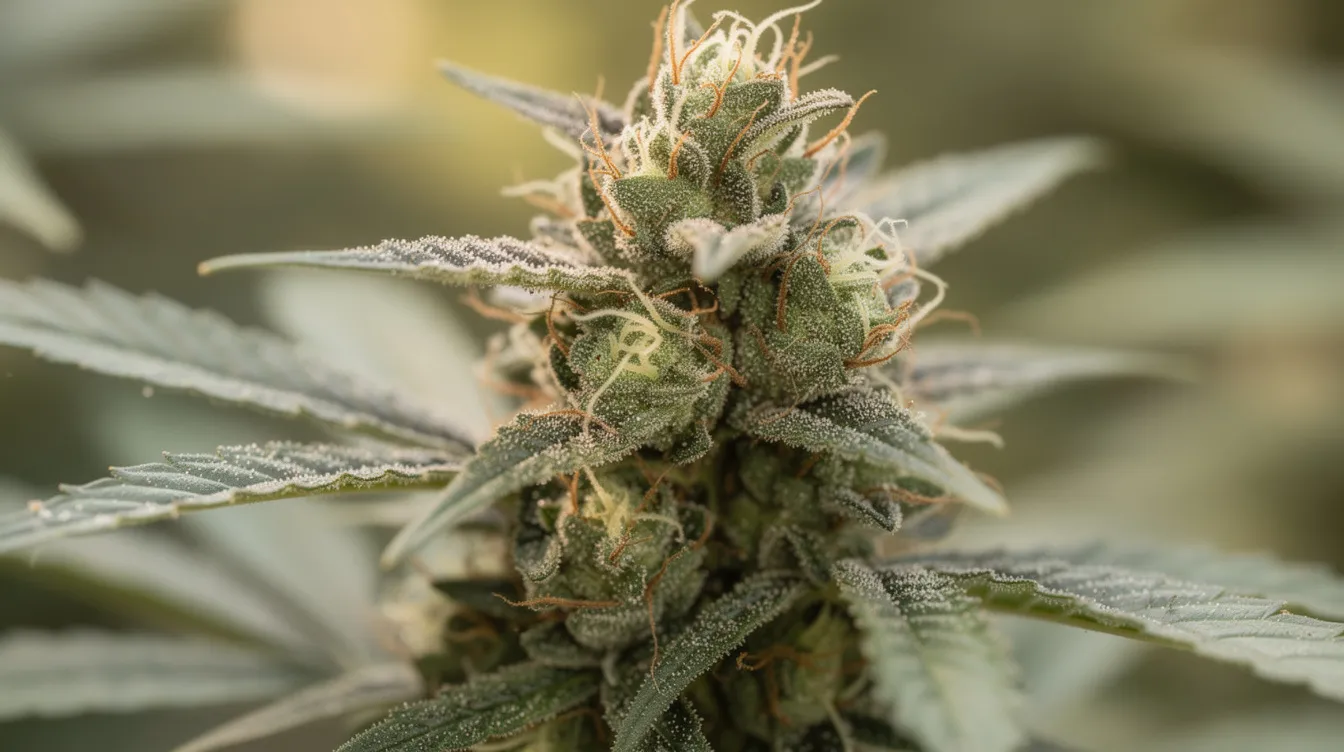
Examine the flower trichomes (pistils). The THC content is optimal when about 40–70% of the trichomes have turned brownish and 10–30% are amber-colored. A magnifying glass or pocket microscope can help with this assessment.
Harvesting technology
Trim small plants at the main stem. Cut larger plants into individual branches. Trim the flowers by hand—wet trimming reduces drying time by about 20%.
Drying
- Temperature: 10–20 °C
- Humidity: 50–60%
- A dark, well-ventilated room
- Hanging or on drying racks
- Duration: 7–14 days (stems should snap, not bend)
Curing & Storage
After drying: Place the flowers in airtight glass jars. Let them “cure” for 2–4 weeks—open the jars for 15 minutes every day during the first week. After that, store them in a cool, dark place out of the reach of children. Do not exceed the 50-gram limit.
Safety, Protection of Minors, and Good Neighborly Relations
Protection of Minors
Children and adolescents must not have access to cannabis plants or dried flowers. Specific measures:
- Lockable cabinets or rooms (ANSI Class 1 locks)
- No plants in freely accessible common areas
- Child-proof storage of all materials
- For families with minors: Indoor cultivation in a separate, lockable room
Odor control
Indoors: Activated carbon filters are required. They remove up to 99% of volatile organic compounds.
Outdoors: Carefully consider the location and plan ventilation times. In cases of severe odor nuisance, civil liability may arise under Section 903 of the German Civil Code (BGB), including rent reductions or injunctions.
Good neighborly relations
Treating others with respect helps defuse conflicts. An open conversation—without revealing too many details—and consideration for others foster a relaxed atmosphere in the long run. Legalization is still in its early stages. By acting responsibly, every grower contributes to greater acceptance.
Frequently Asked Questions About Growing Cannabis (FAQ)
How many plants am I legally allowed to grow?
Each adult is permitted to grow a maximum of three live cannabis plants at their own residence. In a household with multiple adults, this number increases accordingly—so a three-person shared apartment may have up to nine plants.
Where can I legally buy cannabis seeds?
The purchase of cannabis seeds is legal within the EU for personal cultivation. Numerous online shops from the Netherlands, Spain, and other member states ship to Germany. Cultivation associations may also provide seeds and cuttings to their members.
How long does it take from germination to harvest?
For autoflowering strains, about 9–12 weeks. Photoperiod strains require 3–8 weeks of growth plus 8–10 weeks of flowering—a total of 12–18 weeks. When grown outdoors, the harvest season is limited to September through October.
Do I need expensive equipment for indoor growing?
Not necessarily. A basic setup including a grow box, LED light, exhaust fan, and filter costs between 300 and 600 euros. The investment increases for more plants and higher yields. A greenhouse, as an alternative, requires less equipment but offers less control than purely indoor cultivation.
Growing your own marijuana legally gives you full control over its quality and use. With the right knowledge, the right equipment, and a commitment to following the law, nothing stands in the way of your first harvest.
Cannabis may be grown in Germany under the conditions specified. Please use this opportunity responsibly.
All articles on cannabis cultivation
 1 min.
VPD Chart & Calculator: Perfectly Control Your Cannabis Grow
 9 min.
CO2 bags useful for growing
 10 min.
Cannabis cultivation EC value
 16 min.
Measuring and correcting cannabis pH levels: The key to nutrient uptake
 7 min.
Keeping a grow diary – why and how it improves your yield
 7 min.
Growing cannabis in the attic—is it legal and safe?
 6 min.
Cannabis training techniques: LST, HST, and topping explained simply
 9 min.
The best cannabis strains for beginners – seed selection made easy
 8 min.
Growing accessories for mini balconies – the most space-saving solutions
Growing on the balcony? Click on the video!
 5 min.
Smart Grow: High-tech & sustainability at home
