

How to Make Your Own Cannabis Butter: A Relaxed Guide Following Legalization
Want to finally learn how to turn regular weed into a solid base for edibles? Then you've come to the right place. This guide will show you, step by step, how to make cannabutter—no stress, no chemistry lab, just in your kitchen.
What is cannabis butter, and why is it worth making it yourself?
Cannabis butter is basically regular butter into which you infuse the active compounds of the cannabis plant—primarily THC and CBD—by slowly heating it. The finished cannabis butter can then be used as a base for all sorts of things: hash brownies, cookies, pasta sauces, or simply as herb butter on bread.
The key difference from smoking or vaping: When you eat it, THC is converted into 11-hydroxy-THC in your liver. This metabolite is more psychoactive; the effects kick in later (30–90 minutes), but last for 4–8 hours.
Here’s a concrete example to illustrate: 5 g of flowers with an 18% THC content mixed into 250 g of butter, with an 80% extraction rate, yields about 720 mg of THC. That’s a potent cannabis butter. If you divide it into 20 portions, each one contains 36 mg—well above the recommended 2.5–5 mg for beginners.
Why do it yourself?
- Full control over strain, THC content, and flavor
- No additives or foreign substances
- Perfectly tailored to your tolerance
- Sustainable: Even trimmings, sugar leaves, and ABV residues can be recycled
Since the CanG 2024, adults have generally been permitted to make cannabis butter for personal use. Nevertheless, always check the current legal situation, especially when sharing it with others or in borderline cases.
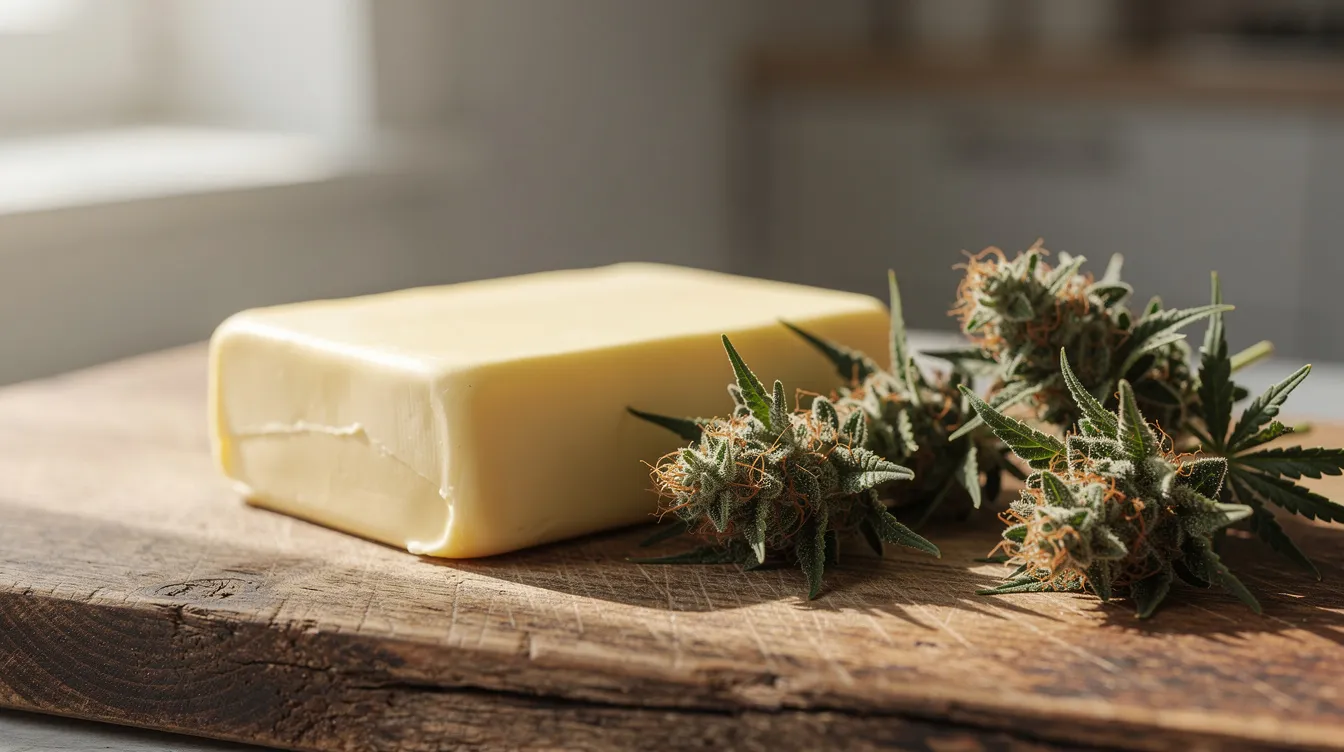
Calculate the dosage of cannabutter
Before you get started, you should know how strong your butter will be. Use the interactive calculator:

Our Best Sellers
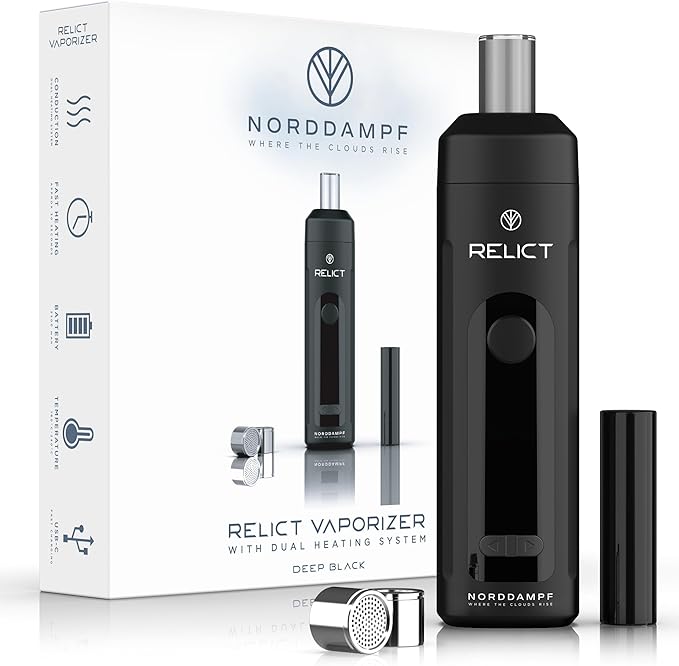
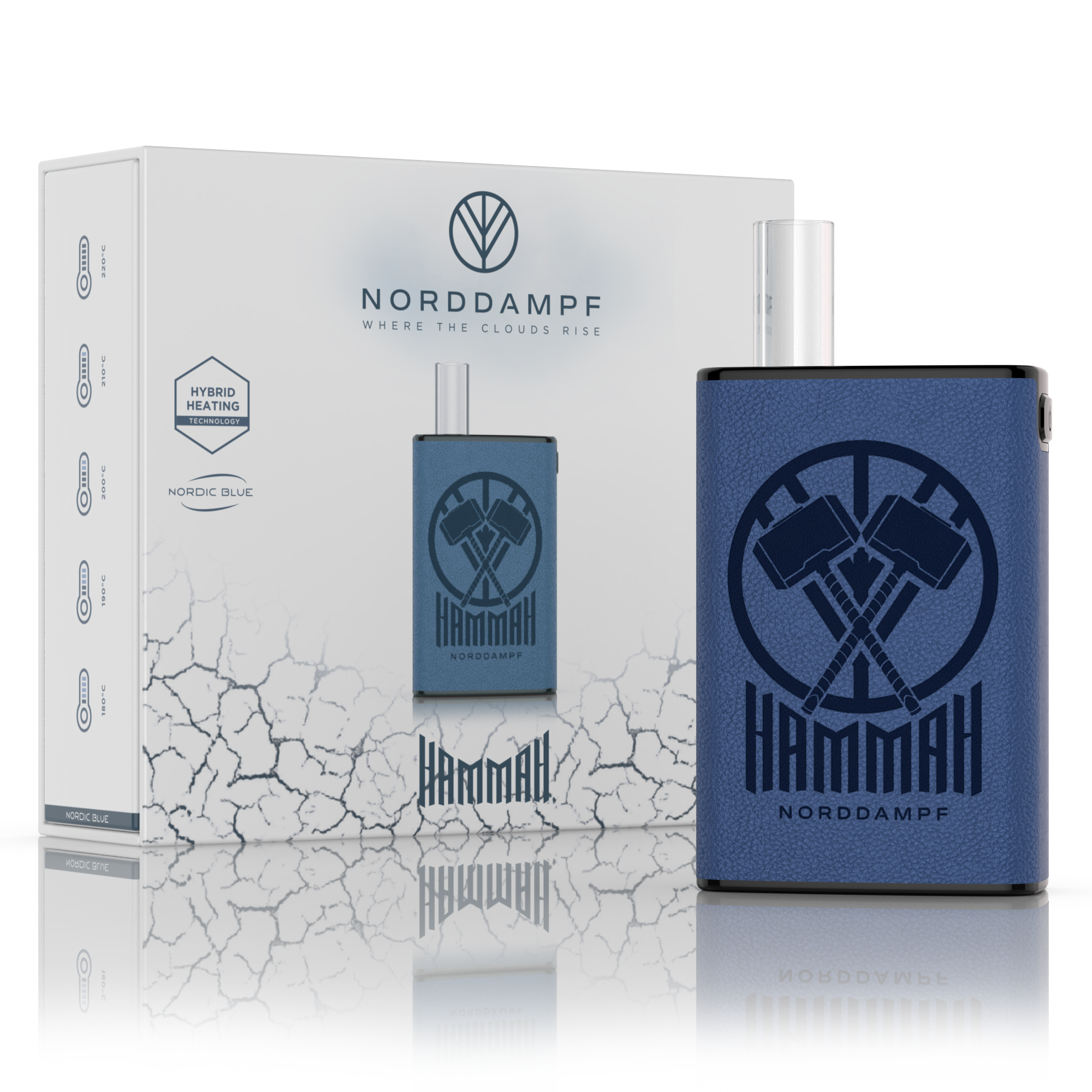
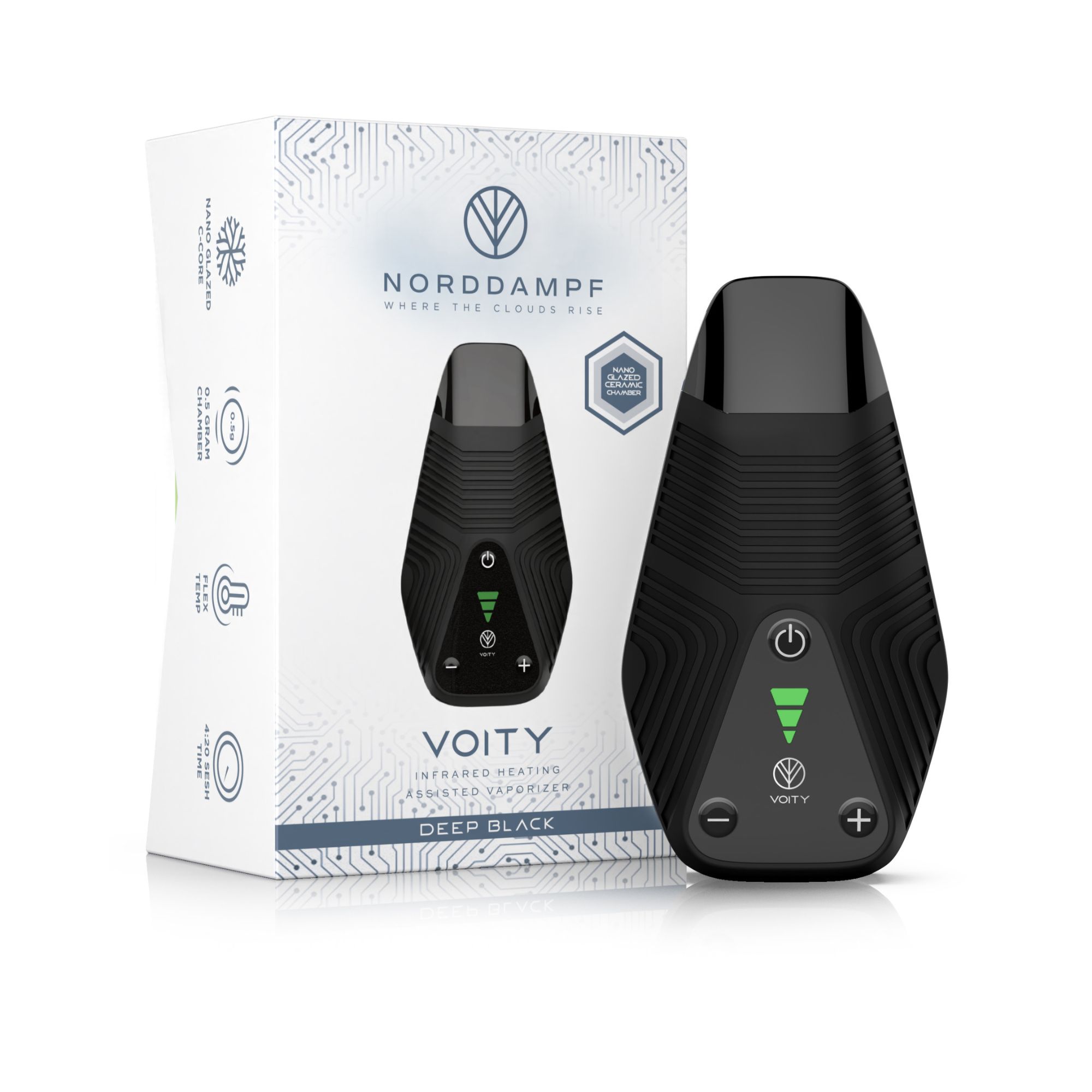
Discover the most popular Norddampf products
Cannabis Butter & Edibles Calculator
Calculate the perfect dosage for your edibles—precisely, safely, and tailored to your needs.
cannabis
Carrier medium
Servings
Results
decarboxylation
Cannabis must be decarboxylated before processing to convert THCA into active THC.
Dosage Guide
The formula behind it
Total THC [mg] = grams of cannabis × THC % × 1000 × 0.8
The 0.8 represents an 80% extraction yield—a realistic figure under proper manufacturing conditions.
Calculation example: 5 g × 15% × 1000 × 0.8 = 600 mg total THC. Divided into 20 servings = approx. 30 mg THC per serving.
That's way too much for beginners. The recommended starting dose is 2.5–5 mg per serving.
Important: Edibles take 30–90 minutes to take effect. Wait at least 2 hours before taking another dose. Many people underestimate the delayed onset and take another dose too soon—which can lead to unpleasant effects.
Recipe: Cannabis Butter, Step by Step
Now it's time to get down to business. These step-by-step instructions use the classic double boiler method—simple, safe, and easy to do in any kitchen.
Standard recipe (medium strength): 250 g unsalted butter + 5–7 g cannabis flowers with 15–20% THC. For beginners: Reduce the amount to 2–3 g and use the dosage calculator above.
Step 1: Preparing the cannabis and equipment
Good preparation will save you stress later on. Get everything ready before you start.
Ingredients: 250 g unsalted butter, 5–7 g finely chopped cannabis flowers, optional: 200–300 ml water.
Equipment: Baking sheet + parchment paper, large pot of water, small pot or heat-resistant bowl (for the water bath), fine-mesh strainer/coffee filter/cheesecloth, heat-resistant glass or container with a lid.
- Remove the coarse stems—they contain hardly any cannabinoids; optimally dried and carefully cured flowers provide the best aroma
- Sugar leaves and trimmings can be added (this results in a milder but longer-lasting butter)
- ABV (Already Been Vaped) from your vaporizer is suitable for very mild edibles—the decarboxylation has already taken place
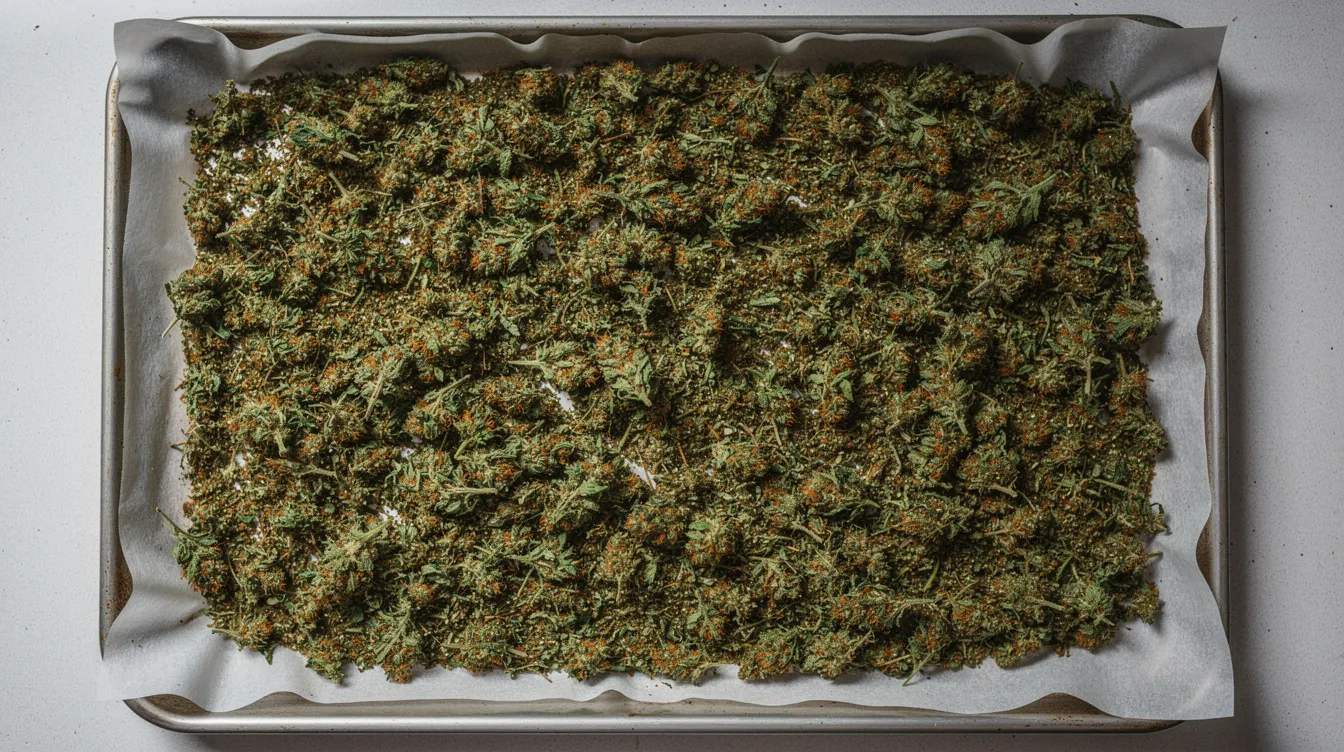
Step 2: Decarboxylation in the oven
This process is non-negotiable. Without decarboxylation, the THCA remains in your cannabis material and you’ll hardly feel any effects.
- Preheat the oven to 110–115 °C (top and bottom heat)
- Line a baking sheet with parchment paper
- Spread the chopped cannabis evenly in a thin layer
- Heat for 30–40 minutes
- Turn carefully every 10–15 minutes
Result: Evenly golden-green to light brown. Not black—that means burnt THC.
Pro tip: Many ovens in older kitchens aren't very accurate. An oven thermometer helps you keep an eye on the temperature. At temperatures above 120 °C, you'll destroy terpenes and cannabinoids.
Step 3: Simmer cannabis in butter (double boiler method)
The double boiler prevents your butter-water mixture from getting too hot. This helps protect the THC and CBD from evaporating.
- Fill a large pot about one-third full with water
- Bring to a gentle simmer (90–95 °C, gently simmering)
- Place a smaller pot or bowl in the water
- Let the butter melt slowly
- Add the decarboxylated cannabis and stir well
- Optional: Add 100–150 ml of water to the butter (to bind the bitter compounds)
- Let it simmer for 1½–2 hours over low heat
- Stir regularly; do not let it boil
Temperature control: The water in the large pot should only simmer gently. If it starts to boil vigorously, turn down the heat.
Note about the smell: Your kitchen will smell strongly of cannabis. Make sure to ventilate well and use the range hood.
Step 4: Strain, Cool & Portion
After boiling, strain the mixture to separate it from the plant material.
- Pour the warm (not boiling) mixture through a fine sieve or cheesecloth into a heat-resistant container
- Gently squeeze the plant material with a spoon—but don't wring it out (this makes the taste very bitter)
- Put the container in the refrigerator
- Refrigerate for at least 6–8 hours (preferably overnight)
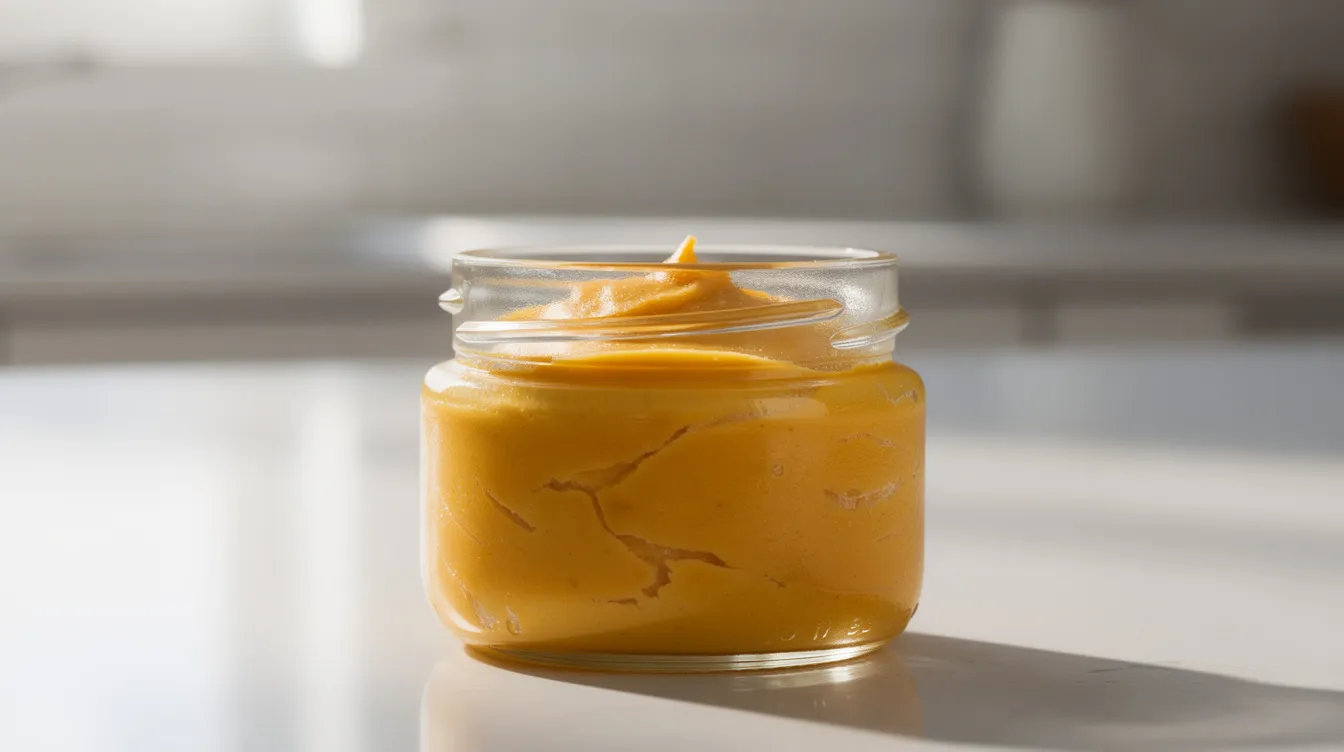
- Butter separates from the water as a solid layer
- Carefully lift the butter dish, rinse the bottom briefly, and pat dry
Portioning: Divide the butter into 10-gram pieces or place it in ice cube trays. This will allow you to measure out exact amounts later.
Don't forget to label it: date, estimated THC content (e.g., "approx. 10 mg THC per 5 g"), and a clear warning stating "Contains cannabis."
Our Best Sellers
Discover the most popular Norddampf products
Dosage: Chart for Beginners, Intermediate, and Advanced Users
The right dosage is key to a good experience. Many beginners overdo it—and end up regretting it. These are rough guidelines for healthy adults:
| Experience Level | mg of THC per serving | Description |
|---|---|---|
| Beginners | 2.5–5 mg | A simple effect, perfect for beginners |
| means | 5–15 mg | Noticeable results, yet practical for everyday use |
| Experienced | 15–25 mg | Powerful effect, but only with tolerance |
Practical example: According to the calculator, your cannabis butter contains 10 mg of THC per 5 g of butter. As a beginner, start with just 2.5 g—that’s about 5 mg of THC.
Safety instructions:
- It works faster and more effectively on an empty stomach
- Wait at least 2 hours after taking the medication before taking another dose
- Do not drive or operate machinery
- If you feel unwell: rest, drink water, eat a light snack—it will pass
Tips, Tricks, and Common Mistakes When Making Cannabis Butter
To make sure your first batch doesn't end up in the trash, here are the classic pitfalls:
| Error | problem | solution |
|---|---|---|
| Excessive heat | THC vaporizes at approximately 157 °C | Oven max. 115 °C, do not boil in a water bath |
| Too much weed | Bitter, extremely sedating | It's better to start off gently and increase the dosage later |
| Mixed unevenly | The effect varies from cookie to cookie | Work the butter thoroughly into the dough |
Serving suggestions:
- Ghee (clarified butter) instead of regular butter – nuttier, less grassy
- Chocolate, cocoa, and nuts mask the aroma well
- Brownies are the classic treat that doesn't taste like weed
Everyday Tips:
- Storage: Label clearly; store out of reach of children
- First test dose: 2–3 g on bread, wait 2–3 hours
- When baking: Do not exceed 170 °C; it is better to bake longer at a lower temperature
FAQ on Cannabis Butter
Here are the most important questions—answered concisely and clearly.
How much cannabis goes into 200 g of butter?
Rule of thumb: Mild butter: 2–3 g of flowers (15% THC). Medium-strength butter: 4–5 g of flowers. Strong butter: Over 5 g—for experienced users only.
Calculation example: 4 g × 15% × 1000 × 0.8 ≈ 480 mg total THC. Divided into 20 servings = approx. 24 mg per serving – too high for beginners.
How long does cannabis butter last?
Refrigerator (airtight): 10–14 days; up to 3–4 weeks if prepared properly. Freezer (-18 °C): 3–6 months with little loss of potency.
Always check for mold, discoloration, or a rancid odor before use.
Cannabis butter without decarboxylation—is that possible?
Technically, yes, but the effect remains very weak. THCA is barely psychoactive. While some decarboxylation does occur during prolonged simmering, it happens in an uncontrolled and inefficient manner.
Recommendation: Always decarboxylate separately in the oven at 110–115 °C. This ensures that the potency remains consistent.
Can you freeze cannabis butter?
Yes, freezing is actually ideal for long-term storage. Divide the mixture into ice cube trays or silicone molds (e.g., 5 g each), and label them with the date and estimated THC content. The flavor and potency are largely preserved when frozen.
How long does it take for cannabis butter to take effect?
The effects begin to take effect after 30–90 minutes, depending on stomach contents and metabolism. The peak is usually reached 2–3 hours after ingestion.
How long do the effects of cannabis butter last?
Typically 4–8 hours. With high doses, the effects may linger into the next day.
Now you have everything you need to make your first batch of cannabis butter. Start small, experiment patiently, and savor every bite. Your first brownie is waiting.
Legal Notice & Disclaimer
This calculator is intended solely for informational and educational purposes. The calculated values are estimates based on average figures and are not a substitute for professional advice.
The actual THC/CBD content may vary significantly depending on the strain, growing conditions, storage, and processing method. We recommend always starting with a lower dose and waiting to see how you feel (edibles may take 30–120 minutes to take effect).
Important: Cannabis and cannabis products are subject to legal restrictions in many countries and regions. Please check the applicable laws in your area. Use of this calculator does not constitute an invitation to purchase, possess, or consume cannabis.
VapoClouds / Norddampf no liability for the use of the calculated results. Use is at your own risk. If you have any health-related questions, please consult a doctor or pharmacist.