

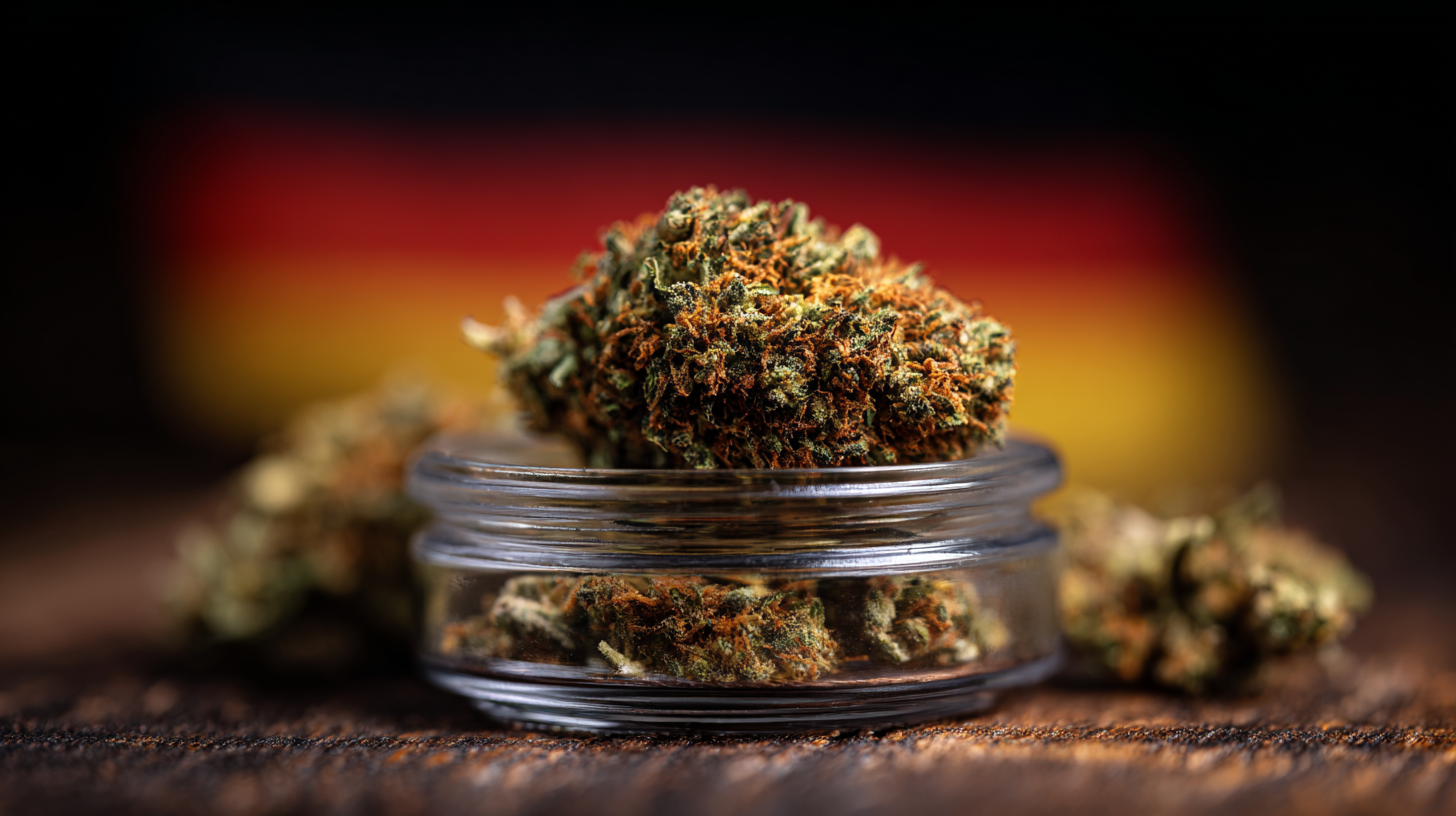
A new chapter in drug policy has been in effect in Germany since April 1, 2024. The Cannabis Act (CanG) has fundamentally changed the way cannabis is handled. It is not complete legalization. It is not anarchy. Rather, it is a strictly regulated framework with clear boundaries.
-
Opening a Cannabis Social Club: Setup, Procedures, Challenges, and Differences by State

-
Is cannabis addictive? Effects, risk of addiction, and forms of consumption explained

-
THC breakdown calculator: Realistically estimate detection times

-
Using vaporizers correctly in social clubs

-
Cannabis events in Germany in 2026

-
Cannabis social clubs in Germany: Status in 2025 – What applies now, what is coming?

-
What effect does THC have?

-
How can you open a cannabis social club?
The goals of this reform are clearly defined: the focus is on protecting public health, safeguarding children and young people, and combating the black market. At the same time, the public debate remains contentious. Medical associations are warning of risks. Political parties are arguing over the right approach. And in practice, the first strengths and weaknesses of the new regulations are becoming apparent.
The key points of cannabis legalization:
- Adults 18 and older may possess up to 25 grams in public and 50 grams in private
- Growing up to three cannabis plants per person is permitted
- Since July 2024, cannabis cultivation associations have been able to distribute cannabis to their members
- Commercial sales and imports remain prohibited
- Consumption near schools, daycare centers, and playgrounds is prohibited
Legal Framework: What the Cannabis Act (CanG) Specifically Regulates as of April 2024
The Cannabis Act reclassifies the regulation of cannabis outside the scope of the previous Narcotics Act (BtMG). Cannabis has been removed from the BtMG schedules for non-commercial use by adults.
Adults aged 18 and older may possess up to 50 grams of dried cannabis in private spaces. In public spaces, the limit is 25 grams. These limits are mandatory. Exceeding them may constitute an administrative offense or a criminal offense, punishable by fines of up to 30,000 euros.
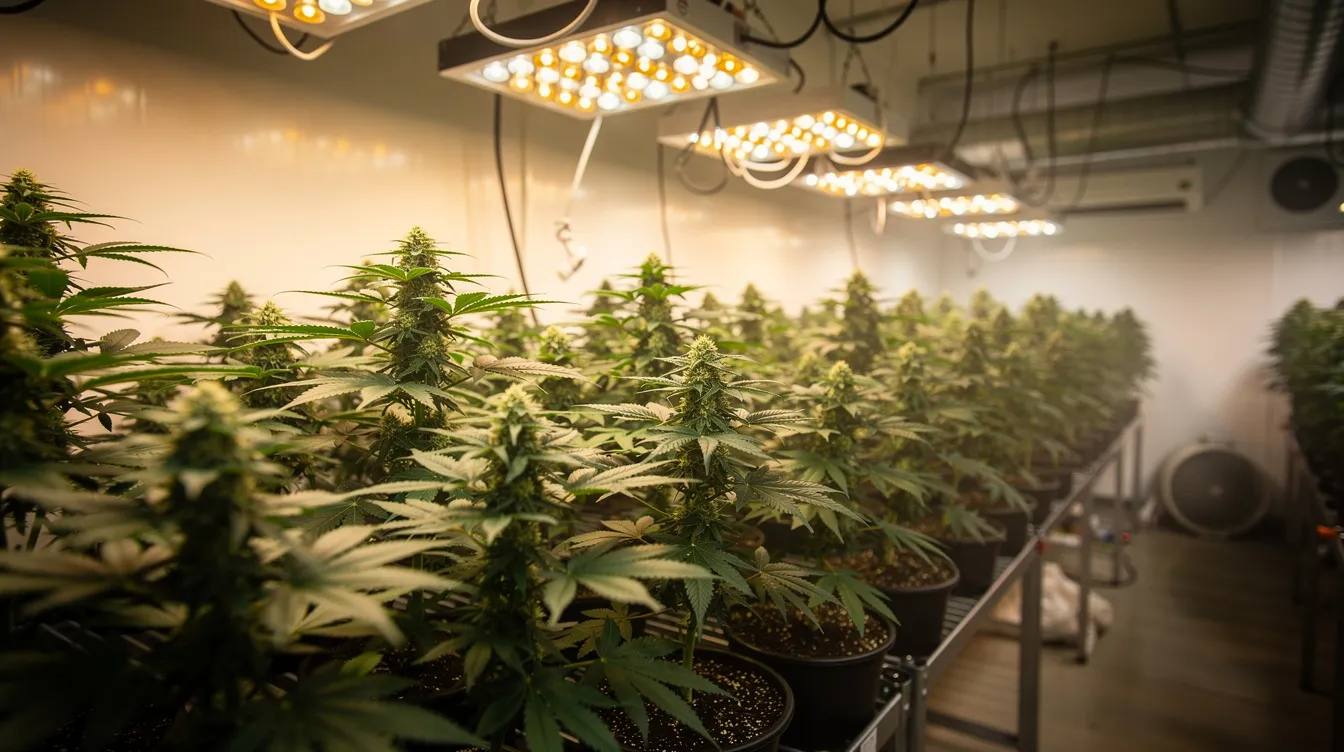
Private home cultivation is permitted for up to three flowering female plants per adult. Requirement: The plants must be kept out of the reach of children and out of public view. Cultivation on a balcony visible from the street is not permitted.
Since July 1, 2024, cannabis cultivation associations, also known as cannabis social clubs, have been permitted to grow and distribute cannabis to their members on a non-commercial basis. The distribution of products is subject to strict documentation requirements. THC content and quality are monitored.
| Regulation | threshold | Effective as of |
|---|---|---|
| Public property | up to 25 g | 01.04.2024 |
| Privately owned | up to 50 g | 01.04.2024 |
| Homegrown | up to 3 plants | 01.04.2024 |
| Farmers' associations | up to 500 members | 01.07.2024 |
The implementation took place in phases. Personal possession and cultivation have been permitted since April 2024. Clubs followed in July. Certain regulations did not take effect until January 1, 2025. Details may vary by state.
Rules for possession, use, and personal cultivation: What is allowed, and what remains prohibited?
The quantity limits are clearly defined. You may carry a maximum of 25 grams of dried cannabis in public. Up to 50 grams are permitted in your home. Violations will be punished.
Here's a concrete example: You're stopped in the park with 40 grams. That exceeds the public limit of 25 grams by 15 grams. The result: confiscation of the excess material and a fine of between 100 and 1,000 euros.
Consumption bans in protected areas:
- No cannabis use within 100 meters of schools, kindergartens, and playgrounds
- Ban in the vicinity of sports facilities and youth centers
- No consumption in the presence of minors under the age of 18
- State governments may expand these zones
Cannabis remains off-limits for children and adolescents. Use by those under 18 is prohibited. Providing cannabis to minors is a criminal offense punishable by up to five years in prison.
Rules for growing your own:
- A maximum of three flowering cannabis plants per adult
- Not visible from the street (no balcony facing the street)
- Child-proof storage in sealed containers
- No disclosure to third parties outside of legal channels
Trade, commercial sales, and imports for recreational use remain illegal. The black market remains prohibited. Controlled distribution is carried out exclusively through growers' associations or personal cultivation.

Our Best Sellers
Discover the most popular Norddampf products
Cultivation Associations and Cannabis Clubs: Structure, Regulations, and Practical Limitations
Growers' associations under the German Cannabis Act (CanG) are registered associations (e.V.) with a clear membership structure. They do not operate public retail outlets and are not commercially oriented. Instead, they focus on collective cultivation for their own members.
Membership and Quantity Limits
Each club may have a maximum of 500 members. All members must reside in Germany and be at least 18 years old. Members may not belong to more than one club.
The quantities available are strictly limited:
| Age group | Daily limit | Monthly limit | THC limit |
|---|---|---|---|
| 21+ years old | 25 grams per day | 50 grams per month | none |
| Ages 18–21 | 25 grams per day | 30 grams per month | max. 10% THC |
Requirements for club operations
The requirements for clubs are extensive. They must keep records of all plants and seeds. Quality tests for contaminants and pesticides are required. Mandatory prevention programs must include at least two hours per member per year. Health and safety plans must be submitted.
Cultivation is permitted only at authorized locations. Local building codes may restrict cultivation. On-site consumption is not permitted. Enforcement varies by state. Bavaria, for example, requires stricter THC testing than other states.
Practical challenges
The reality reveals gaps. By early 2025, only about 150 clubs nationwide had received provisional licenses. However, for an estimated 4–5 million regular users, more than 1,000 clubs would be needed.
The setup costs are high. Over 100,000 euros per club for secure facilities. The approval process takes several months. Geographical disparities are emerging. Berlin has received over 40 applications, while rural areas have hardly any coverage.
Here's how the legal use of cannabis works in everyday life
This section serves as a practical guide for adult consumers in Germany. The following information is based on key legal provisions and does not replace individual legal advice.
Legal cannabis use requires knowledge of possession limits, consumption rules, and safe storage. During police checks, you should be aware of your rights and not exceed the permitted amounts. Extra caution is needed when driving, traveling abroad, and when using cannabis in combination with alcohol.
A Step-by-Step Guide to Responsible Cannabis Use
- Be sure to familiarize yourself with the applicable legal quantity limits in Germany before purchasing or consuming cannabis.
- Assess your personal suitability by honestly evaluating your health, especially if there is a history of mental health conditions in your family.
- Choose a suitable location that is at least 100 meters away from schools, daycare centers, playgrounds, and youth centers.
- Pay attention to the THC content and start with low doses, especially with unfamiliar products from growers' cooperatives.
- Store your cannabis in a child-proof, locked container so that minors cannot access it.
- Always refrain from driving after using cannabis, as THC remains detectable in your blood and you may be stopped for a breathalyzer test at any time.
- Do not bring cannabis with you when traveling abroad, as even legally purchased cannabis can be confiscated at the border and may result in severe penalties in other countries.
Important: Starting August 22, 2024, there will be a zero-tolerance policy for THC in combination with alcohol when driving. Courts recognize a serum THC threshold of 1 ng/ml as the standard for impairment.
Health Aspects: Opportunities, Risks, and the State of Research
The research on cannabis is clear: no form of use is risk-free. Early and frequent use among adolescents and young adults is particularly problematic.
Known risks associated with regular consumption:
- Daily use is associated with a 2- to 4-fold increased risk of psychosis
- Cognitive deficits in memory and attention
- A loss of up to 8 IQ points (reversible after abstinence)
- 9% addiction rate among all users
- Impairment of brain development before the age of 25
Medical associations and professional medical societies are warning of the consequences. The Federal Center for Health Education reports a lifetime prevalence of 25% among 12- to 17-year-olds. The average THC potency has risen from 4% in the 1990s to 15–25%.
At the same time, legalization offers opportunities for improved health protection. Club testing ensures that the THC content in products consumed by young adults remains below 10%. Quality controls reduce contamination. Synthetic cannabinoids were detected in 20% of black market samples. Regulated channels eliminate this risk.
Funding for prevention has been increased. Over 50 million euros for 2024–2026. Access to support services is improving as a result of destigmatization. People are more likely to seek help when they do not fear criminal prosecution.
Vulnerable groups remain particularly at risk. If there is a family history of schizophrenia, the risk of developing the condition is 40%.

Public debate, the black market, and political controversies
The political landscape remains divided. Some members of the federal government are defending the reform, citing improved measures to protect minors. During the pilot program, the 100-meter safety zones reduced incidents near schools by 30%.
The opposition is calling for the measure to be withdrawn. The CDU/CSU and AfD point to the risks to young people and the potential normalization of drug use. The Medical Association warns of neurocognitive consequences for young people.
The Reality of the Black Market
One year after partial legalization, the black market share remains at 70–80%. Limited club capacity cannot meet the demand. Berlin’s 2.5 million adults are served by about 40 clubs, which supply roughly 10 tons per year. That is nowhere near enough.
Positive developments:
- 25% decline in small-scale property seizures
- Police can focus their resources on drug dealers
- Surveys of adolescents (KiGGS 2024) show no increase in usage among 12- to 17-year-olds
Construction sites currently open
Discussions regarding further adjustments are ongoing. “Module 2,” which involves licensed specialty stores, is being considered as a way to further curb the black market. Economic forecasts from the Ifo Institute estimate tax revenues of 4.7 billion euros by 2028 once the system is fully implemented.
The administrative burden falls on the states. More than 10,000 annual inspections tie up resources in the police and judicial systems. THC limits for drivers are still under debate. The costs of prevention programs are rising.
The legalization of cannabis remains a process of social negotiation. A consensus among experts at the German Center for Addiction Issues emphasizes the need for ongoing monitoring data. Initial surveys show a 60% user satisfaction rate, but 25% continue to obtain cannabis illegally due to limited access.
FAQ on Cannabis Legalization in Germany
This section answers common questions about the practical implementation of the Cannabis Act. The answers are based on the current legal situation and do not constitute individual legal advice.
How much cannabis can I legally possess as of April 2024?
Adults 18 years of age and older may possess up to 25 grams of dried cannabis in public places and up to 50 grams in private settings. These limits apply to dried cannabis flowers or cannabis resin.
Exceeding these limits constitutes an administrative offense or a criminal offense. In cases of significant exceedance, the remaining provisions of the Narcotics Act apply. For individuals aged 18 to 21, additional restrictions apply when purchasing through cultivation associations: a maximum of 30 grams per month with a THC content of no more than 10%.
Can I take cannabis that was legally grown in Germany with me when I travel abroad?
No. Exporting cannabis across the German border is prohibited, even if it was purchased legally or grown by yourself. Other countries have much stricter laws.
While the Netherlands tolerates possession, it prohibits importation. In France or Poland, possession of even small amounts can result in up to 10 years in prison. Seizures at Schiphol Airport increased by 20% following legalization in Germany. Before traveling, always check the legal situation in your destination country, and if in doubt, avoid bringing any with you altogether.
What happens if I drive after using cannabis?
Driving under the influence of cannabis is prohibited and will be strictly enforced. The police conduct random saliva tests, followed by blood tests if suspicion arises.
Possible consequences:
- Fines ranging from 500 to 1,500 euros
- 2–3 points in Flensburg
- Driving ban or license suspension
- Novice drivers face the possibility of having their driver's license revoked entirely
Courts recognize a serum THC limit of 1 ng/ml as the threshold for impairment. As a general rule, do not drive after using cannabis; instead, use alternative modes of transportation.
Conclusion: Between Regulation, Health Protection, and an Ongoing Construction Project
The legalization of cannabis in Germany, effective April 2024, marks a turning point in drug policy. Clear rules on possession and cultivation, a focus on protecting children and young people, and controlled distribution through clubs. The basic framework is in place.
The reform offers opportunities. Decriminalization reduces the burden on the judicial system. Better prevention through destigmatization. Quality control reduces health risks posed by contaminated black-market products. At the same time, weaknesses are becoming apparent. The black market continues to dominate. Enforcement places a burden on the states. The club infrastructure is growing more slowly than hoped.
Responsible consumption starts with education. The risks are real—especially for young people under 25. Access to accurate information and being mindful of one’s own limits are crucial.
Cannabis-related legislation remains in flux. Further changes and debates will shape the coming years. “Module 2,” which involves specialty stores, is under discussion. The process is not yet complete.
Get your information from official sources. Know your rights and your limits. And make informed decisions for yourself and your health.
All articles about cannabis in Germany
 18 min.
Opening a Cannabis Social Club: Setup, Procedures, Challenges, and Differences by State
It has been a reality since April 1, 2024: The Cannabis Act (CanG) has legalized cannabis for adults…
 10 min.
Is cannabis addictive? Effects, risk of addiction, and forms of consumption explained
Short answer: Is cannabis addictive? Yes, cannabis can be addictive. Studies show that about 9% of all users…
 10 min.
THC breakdown calculator: Realistically estimate detection times
Have you used cannabis and are wondering how long THC remains detectable in your body? A THC half-life calculator…
 6 min.
Using vaporizers correctly in social clubs
 5 min.
Cannabis events in Germany in 2026
 8 min.
Cannabis social clubs in Germany: Status in 2025 – What applies now, what is coming?
 13 min.
What effect does THC have?
 19 min.
How can you open a cannabis social club?
Meta Title: Starting a Cannabis Social Club – Norddampf Description: Starting a Cannabis Social Club – Requirements, Rules &…
