

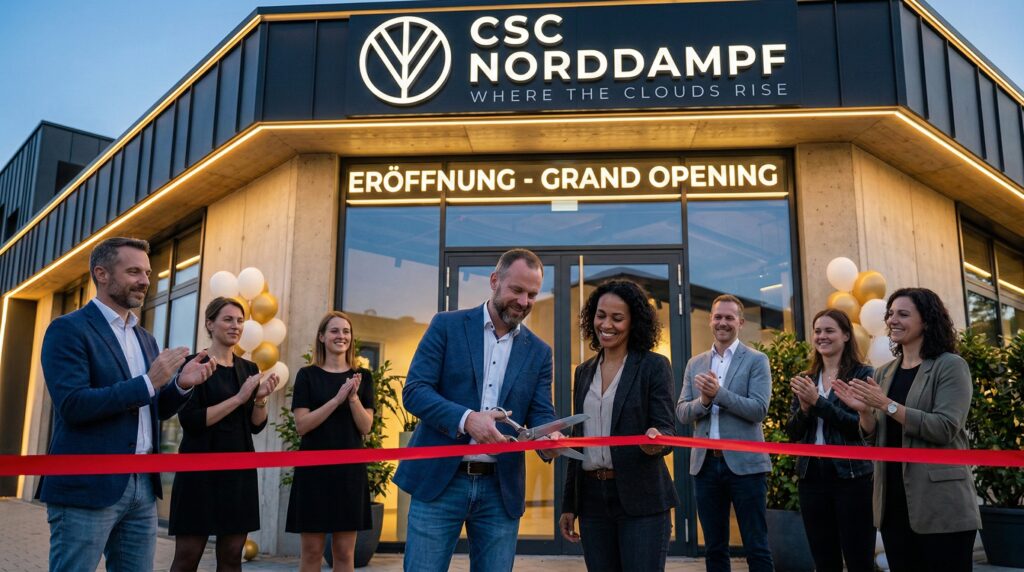
It has been a reality since April 1, 2024: The Cannabis Act (CanG) has paved the way for the legalization of cannabis for adults in Germany. The legalization of cannabis represents a social and legal milestone that brings with it new opportunities and challenges. What seemed unthinkable for many years is now enshrined in law. For anyone looking to open their own cannabis social club, this marks the beginning of a new era—one with clear opportunities, but also significant requirements.
Introduction: What does “opening a cannabis social club” mean under the CanG 2024?
The Recreational Cannabis Act (KCanG), passed in February 2024, came into effect in two phases. On April 1, 2024, possession and personal cultivation were legalized for adults. On July 1, 2024, the comprehensive regulations for cultivation associations—the legal basis for cannabis social clubs in Germany—took effect. Cannabis social clubs are legally classified as associations that must meet certain requirements to ensure the legal and responsible use of cannabis.
In Germany, a Cannabis Social Club (CSC) is organized as a non-commercial registered association (e.V.). This association brings together like-minded individuals who wish to collectively grow and consume cannabis for recreational purposes. Organizations such as Cannabis Social Clubs promote communal cultivation and consumption, represent the interests of their members, and contribute to social acceptance. It is permitted to cultivate and distribute cannabis to its members. No sales. No profit-making. Pure self-sufficiency through the communal cultivation of cannabis for personal use.
The key question is: How exactly do I go about opening a cannabis social club?
An overview of the key steps:
- Forming an Association as an e.V. (Articles of Association, Founding Meeting, Register of Associations)
- Apply for an official cultivation permit from the relevant state agency
- Secure a suitable location that meets all safety and distancing requirements
- Fulfill ongoing operational responsibilities (documentation, quality control, protection of minors)
It is important to understand that federal law, as set forth in the Cannabis Act, applies uniformly. However, the specific implementation—which authority is responsible, what additional requirements apply, and how strictly enforcement is carried out—varies significantly from state to state. We will discuss this in detail later.
Legal Framework: How is a cannabis social club legally defined in Germany?
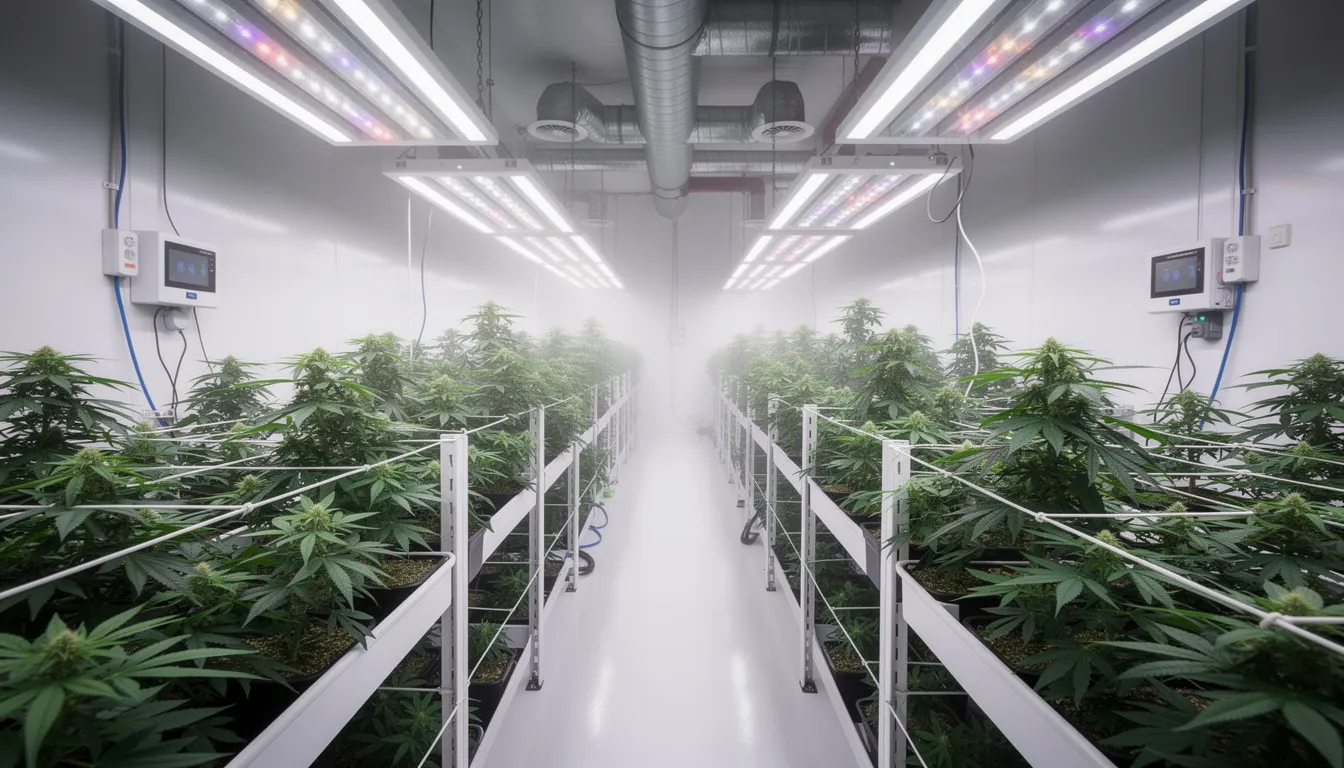
Cannabis social clubs are legally defined as “cultivation associations” under the Cannabis Act. The Act establishes a clear framework for communal cannabis cultivation outside the commercial market. Compliance with the Cannabis Act is a key requirement for the legal establishment and operation of a cannabis social club.
The core principles are clear:
- Non-commercial nature: No intention to make a profit. Membership fees cover only operating costs.
- For members only: Sales are limited to registered club members. No sales to third parties, tourists, or non-members.
- Personal use: The cannabis grown is intended for the members' personal use—not for resale.
Key Facts at a Glance: Cannabis Vaporization as a Harm Reduction Method
Vaporizing cannabis as an alternative to smoking a joint is an increasingly recognized method of harm reduction compared to traditional smoking. In this process, the plant material is heated without burning it, releasing the active compounds without producing the harmful byproducts of combustion.
A key advantage of vaporizing is precise temperature control. Different temperatures allow for the targeted activation of various cannabinoids and terpenes, which not only influences the effects but also preserves the aroma and flavor of the cannabis. Preserving the terpenes is particularly important, as they play a significant role in the unique profile of effects and the overall enjoyment.
By avoiding combustion, significantly fewer harmful combustion byproducts—such as tar and carbon monoxide—are produced, which are inhaled when smoking cannabis. This can reduce long-term health risks and make cannabis use safer overall.
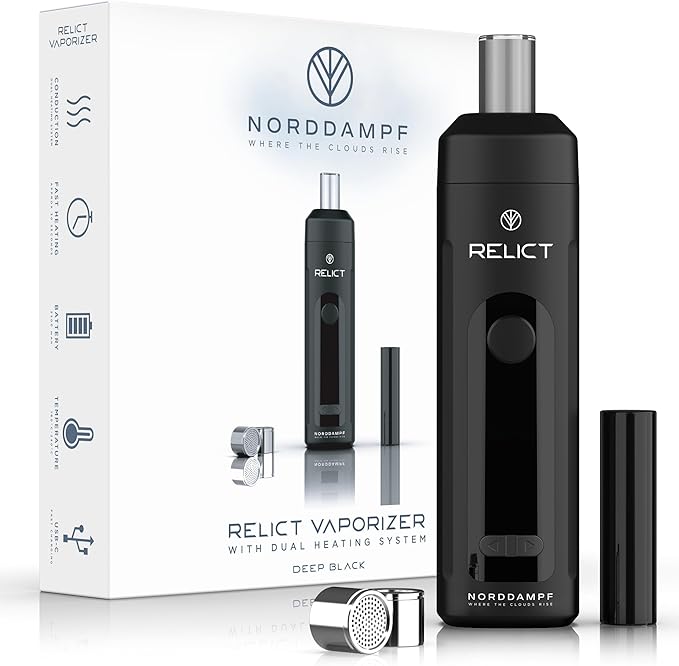
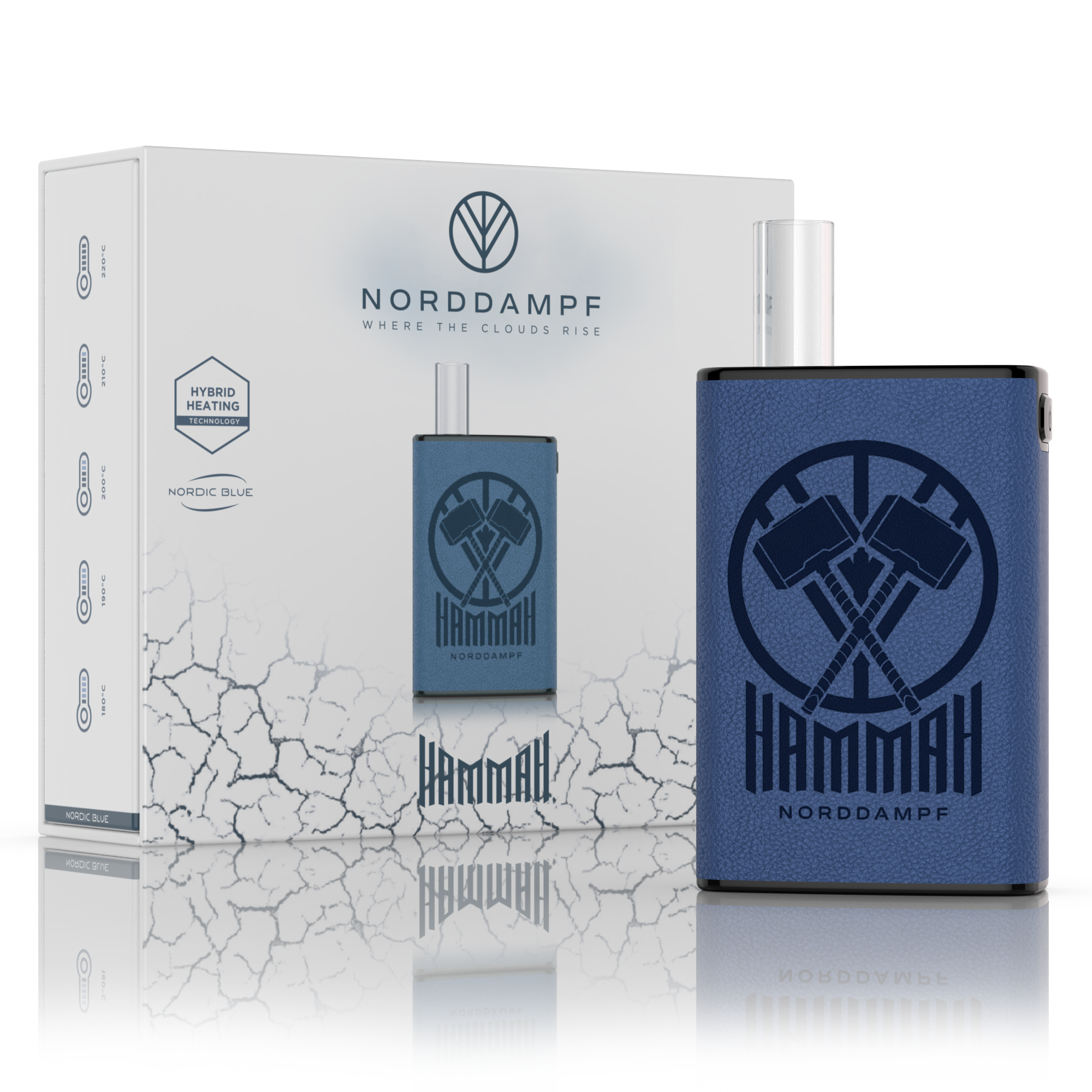
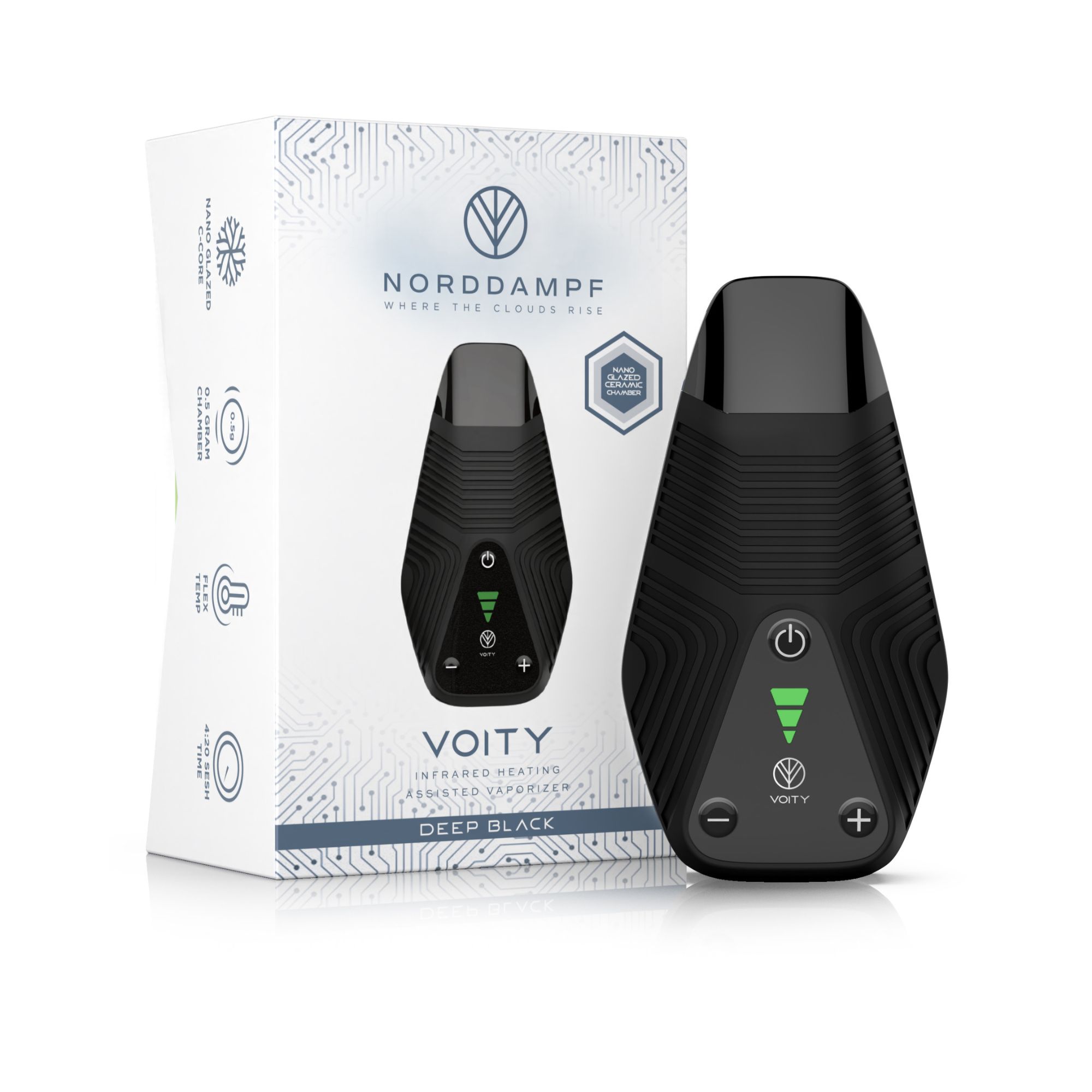
Modern herbal vaporizers, such as the RELICT, VOITY HAMMAH models HAMMAH Norddampf, are examples of technological advancements that enable the efficient and gentle vaporization of cannabis. These vaporizers feature user-friendly temperature controls and are specifically designed to meet the needs of cannabis users.
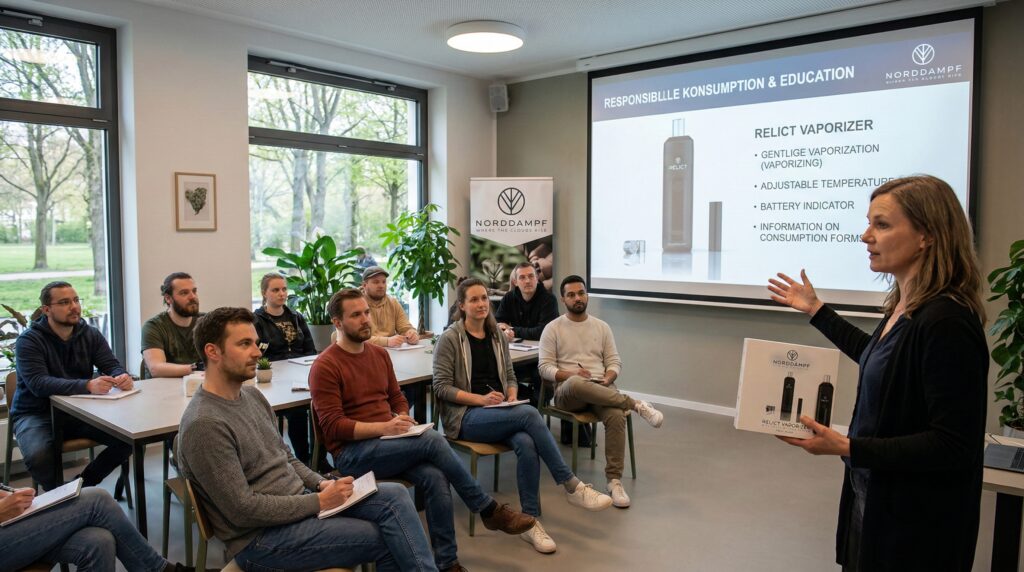
For cannabis social clubs, educating members about such harm-reducing consumption methods is an important part of fulfilling their responsibility toward them. The selection and quality of cannabis products offered in cannabis social clubs are strictly regulated and subject to clear legal requirements. Promoting a mindful and healthier approach to cannabis supports prevention goals and contributes to a positive club atmosphere.
| Regulation | requirement |
|---|---|
| Maximum number of members | 500 members per club |
| Minimum age | 18 years old |
| Daily fee | Max. 25 g |
| Monthly fee | Max. 50 g (30 g for 18–20-year-olds) |
| THC limit for people under 21 | Max. 10% THC |
| Multiple memberships | Prohibited (only one CSC allowed) |
| Minimum membership period before resignation | 3 months |
| Selling to minors is a criminal offense. The same applies to sales to non-members. CSCs operate within a strictly regulated framework that prioritizes the protection of minors and controlled quantities. |
Distinction from medical cannabis
Medical cannabis remains subject to narcotics laws. Doctors prescribe it, pharmacies dispense it, and the BfArM regulates the market. Cannabis social clubs established under the Cannabis Act (CanG) are clearly distinct from this system—they are intended solely for recreational use by adults, not for medical purposes.

Our Best Sellers
Discover the most popular Norddampf products
Requirements & Personal Suitability: Who is eligible to establish a cannabis social club?

In principle, anyone of legal age with full legal capacity who is a resident of Germany may establish a cannabis social club. The purpose of such a club is to legally and collectively organize the members’ personal cannabis needs. However, the requirements for those in charge—particularly the board members authorized to represent the club—are stringent.
Audit
When an application is submitted, the authority reviews the integrity of the board members. By “integrity,” the authorities typically mean:
- No relevant prior convictions related to narcotics
- No serious property or violent crimes
- No ongoing investigation into organized crime
- No evidence of mismanagement within the club's leadership
Certificates of good conduct are required for the licensing process. If there are doubts about the applicant’s reliability, the cultivation license will be denied.
Checklist: Personal Requirements
- [ ] Minimum age: 18
- [ ] Residence or habitual residence in Germany
- [ ] Clean criminal record (no relevant prior convictions)
- [ ] Willingness to assume responsibility for managing the association in accordance with the law
- [ ] At least 7 founding members are required to establish the association
The founding members jointly sign the bylaws and elect the board of directors. In doing so, they collectively assume responsibility for establishing the growers' association in a professional and compliant manner.
Step 1: Forming an Association – Bylaws, Founding Meeting, Register of Associations
The first formal step in opening a cannabis social club is to establish a registered association (e.V.). This legal form has become the standard.
Why the non-profit organization?
- Lower startup costs than cooperatives or limited liability companies
- Clear limitation of liability to the association's assets
- Acceptance by government agencies and banks
- Suitable for non-commercial use
The Founding Meeting
The founding meeting marks the official starting point. This is where everything important happens:
- Invitation to prospective members – at least seven people must be present
- Presentation of the Association’s Purpose – Collective Cultivation and Distribution of Cannabis in Accordance with the Cannabis Act
- Discussion and adoption of the bylaws —the association’s governing document
- Election of the first board of directors – President, Vice President, Treasurer, Secretary (if applicable), and Agricultural Advisor
What the bylaws must address
The bylaws are the foundation of the association. They should clearly define:
- Purpose of the Association (exclusively for collective cultivation and distribution)
- Membership Rules (Admission, Expulsion, Rights, and Obligations)
- Fee Structure (Enrollment Fee, Monthly Fees)
- Board Elections and Terms of Office
- Convening of General Meetings
- Limitation of Liability and Termination Provisions
Club name
Fictitious names are permitted—such as “Grüner Kreis e.V.,” “Hanf Kollektiv Berlin e.V.,” or similar. Misleading names such as “Bundesverband” are not permitted if the association is active only locally.
Entry in the registry of associations
The founding meeting is followed by registration with the appropriate local court.
Required documents:
- Articles of Incorporation (signed by at least 7 members)
- Minutes of the Incorporation Meeting
- Board of Directors
- Registration in the Registry of Associations
The signatures must be notarized. Notary and registration fees typically range from 100 to 200 euros. The registration process usually takes a few weeks.
Only once the association is registered does it acquire legal status and can take the next step: applying for official authorization.
Step 2: Apply for official authorization as a growers' association
Simply founding the club is not enough. Without official authorization under the Cannabis Act, neither the legal cultivation nor the distribution of cannabis is permitted. This step is the most critical in the entire process. As part of the security plan, the deployment of security personnel and appropriate measures to monitor and protect the cannabis social club is essential to ensure compliance with legal requirements and the safety of members and the club.
Application
The application for a cultivation permit must be submitted in writing or electronically to the relevant state authority. Depending on the state, this is:
- The State Department of Health
- The State Office for Consumer Protection
- A special “cannabis office” at regional councils
- The Department of Agriculture (e.g., in Lower Saxony)
These differing responsibilities result in different application procedures, forms, and processing times—a key factor in the variations among the federal states.
Required application documents
The application must be comprehensive. Typical contents:
- Club documents: Articles of Incorporation, current certificate of registration
- Personal Information: Complete details of the members of the Executive Board
- Certificates of Good Conduct: For all authorized representatives
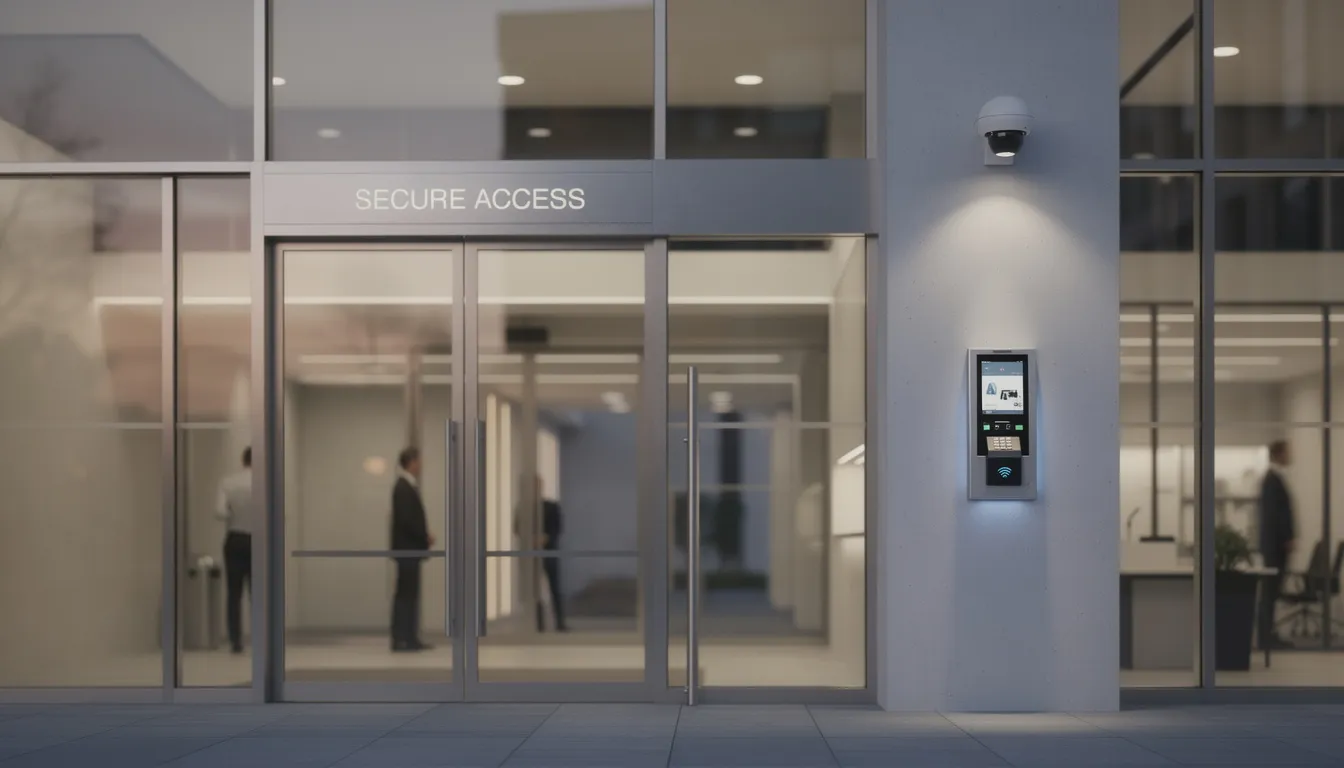
- Security plan: Access control, burglary protection, video surveillance
- Cultivation and Production Concept: Land Area, Technology, Varieties, Yield Planning
- Hygiene Protocol: Processing, Storage, Packaging
- Health and Youth Protection Policy: With a designated, trained prevention officer
Processing time and issuance of permits
By law, the agency has up to three months to make a decision. In practice, this period is often extended due to:
- Requests for additional documents
- Ambiguities in interpretation
- Overburdening of government agencies in the initial phase
The permit is granted for a limited period —typically seven years. It is tied to the reported number of members. Changes in membership numbers may require adjustments to the permitted cultivation and distribution quantities.
Specific real-world examples
The reality reveals significant differences:
- Lower Saxony: First German permit issued on July 8, 2024, to a club in Ganderkesee. First delivery as early as November 2, 2024.
- Bavaria: Significantly longer processing times. First permits not expected until spring 2025.
- Saarland: First approved club in August 2025.
Key obstacles in the licensing process
- Significant planning effort is required even before submitting the application
- Detailed documentation and safety certifications are required
- Differences in interpretation practices among the federal states
- Potentially long processing times with no guarantee of approval
- Legal fees can run into the thousands

Step 3: Site Selection, Spacing Requirements, and Building Code Requirements
The location determines whether a cannabis social club succeeds or fails. The requirements are strict—and vary by state and municipality.
Social distancing guidelines
CSCs must maintain minimum distances from certain facilities:
- Schools: 200–250 meters (depending on state regulations)
- Daycare centers: 200–250 meters
- Youth facilities: 200–250 meters
- Playgrounds: Often included as well (varies by municipality)
These distances are measured as the crow flies. In urban areas, this can make site selection considerably more difficult.
Structural safety requirements
The requirements for growing areas and storage facilities are clearly defined:
- Access security: Solid doors, high-quality locking systems
- Burglary protection: alarm system, security windows if necessary
- Video surveillance: Required depending on state regulations
- Privacy protection: Facilities must not be visible from the outside
- HVAC: Ventilation, Temperature Control, Odor Filtration
The ban on alcohol consumption on club premises
An important point that often causes confusion: Consumption is prohibited on the club premises. The same applies to the immediate vicinity within a radius of 100–200 meters.
This means that consumption is not permitted in areas where products are grown or stored. This rule distinguishes German CSCs from some international models, such as those in Spain.
Rental Properties and Landlord Issues
Most clubs will use rental properties. This comes with certain risks:
- Many standard lease agreements prohibit the cultivation of intoxicating plants
- Landlords must give their explicit consent
- Failure to obtain consent may result in immediate termination
- Complaints from neighbors can lead to termination of the lease
Additional building code requirements
Depending on the state and municipality, additional permits may be required:
- Building code approval for a change of use
- Fire Safety Plan
- Special requirements for greenhouses or indoor facilities
- Proof of proper waste disposal
Step 4: Internal Organization, Membership Management & Farming Plan

Once permission has been granted, the actual setup of the club’s operations begins. The organization must be professional from the very start. Communication and collaboration with friends are particularly important, as communal cultivation and consumption in the Cannabis Social Club are based on sharing and a social atmosphere among members.
Membership Rules as Required by Law
Membership in a Cannabis Social Club (CSC) is subject to clear rules:
- Minimum age: 18 years
- Residence: In Germany or habitual residence
- No multiple memberships: Only one CSC is permitted (self-certification required)
- Minimum membership period: 3 months prior to the first receipt of cannabis
- Upper limit: Max. 500 members per club
All memberships must be documented and retained for at least three years.
Board of Directors and Committees
The responsibilities of the Executive Board and other bodies, such as the Growers' Council, include:
- Planning Production and Harvest Cycles
- Monitoring compliance with legal requirements
- Coordination of member activities
- Responsibility for documentation and reporting to government agencies
- Ensuring the protection of minors
- Appointment and Training of the Prevention Officer
The Cultivation Concept
The club needs to make detailed plans:
- Crop cycles: When is planting done, and when is harvesting done?
- Strain selection: Different THC/CBD levels to suit various preferences and age groups
- Inventory: Organize it so that quantity limits per member are adhered to
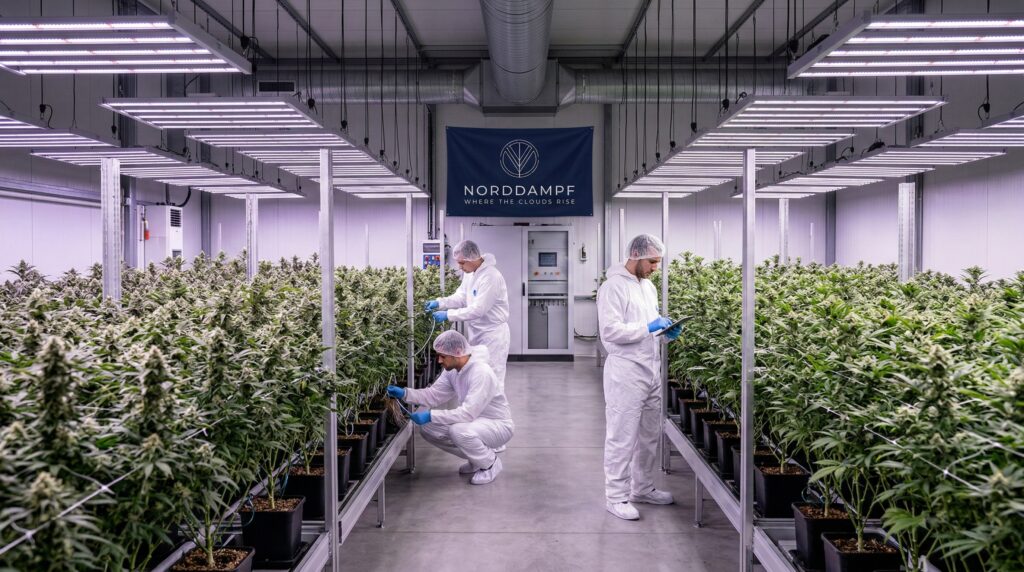
- Quality standards: Pesticide-free cultivation, regular inspections
Who is allowed to grow it?
All cultivation activities may only be carried out by:
- Club members
- Club employees
This includes: watering, fertilizing, harvesting, drying, trimming, and packaging. External service providers are not permitted for the actual cultivation.
Digital Administrative Solutions
We strongly recommend using professional digital membership and fee management software. Specialized CSC software helps with:
- Tracking the quantities dispensed per member
- Age verification and documentation
- Compliance with monthly and daily limits
- Quality documentation and batch traceability
- Audit-ready documentation for government inspections
Step 5: Ongoing Operations – Delivery, Documentation Requirements, and Quality Control
Running a cannabis social club requires constant attention. The responsibilities are extensive—and violations have consequences.
Detailed Tax Rules
The sale of cannabis products is subject to strict regulations:
- For members only: Do not give to non-members or guests
- No sales to minors: punishable by law
- No distribution: Members are not permitted to distribute cannabis they have received to third parties (which is also a criminal offense)
- Neutral packaging: No advertising, no colorful designs
- Package insert required: THC content, risks, safe-use guidelines
quantity limits
The limits are tiered:
| Age group | Per day | Per month |
|---|---|---|
| 18–20 years old | Max. 25 g | Max. 30 g |
| Ages 21 and up | Max. 25 g | Max. 50 g |
| In addition, you may submit up to 7 seeds or 5 cuttings (or a combination of 7) per month. |
Documentation requirements
The documentation must be complete:
- Recording of cultivation, harvesting, processing, storage, and distribution
- Retention period: At least 5 years
- Electronic or written documentation that is immediately available during inspections
- Proof of membership and quantities purchased per person
Annual reporting requirements
The following must be reported to the authorities:
- Yields
- Shared data volumes (anonymized)
- Destruction of unusable goods
- Contaminants or quality issues
- Changes in leadership or membership
quality control
Quality is not optional:
- Regular laboratory analyses: THC content, cannabinoid profile, mold, pesticides
- Batch Traceability: Every harvest must be traceable
- Immediate suspension: In the event of contamination or quality defects
- Documented destruction: Contaminated batches must be verifiably destroyed
Studies estimate that about 80% of the black market supply to date has been contaminated. Quality control in CSCs is therefore not only mandatory but also provides real added value for members.
Health and Youth Protection in Everyday Life
The prevention officer is not just a formality:
- Regular training sessions on addiction prevention
- Information Sessions on Risk Mitigation
- Special attention for young adults (ages 18–20)
- Documentation of all preventive measures
- Peer education approaches to promote health-conscious consumption patterns
Challenges & Risks: Common Pitfalls When Opening a Cannabis Social Club
Starting a cannabis social club is no walk in the park. The hurdles are real, and the risks are significant.
Legal uncertainty as a key risk
While the Cannabis Act establishes a nationwide framework, its interpretation varies:
- Different interpretations by state authorities
- Municipal bylaws with additional requirements
- Ambiguous wording that is clarified only through case law
- Possible legislative changes following changes in government
Common organizational challenges
- Finding a home: Properties that are close enough to schools and other amenities are hard to come by—especially in cities
- Convincing landlords: Many landlords turn down requests or charge high fees
- Funding a security plan: Alarm systems, surveillance, and reinforced doors cost money
- Covering initial investment costs: Growing technology (lighting, irrigation, climate control) requires five-figure sums
- Urban rents: In major cities, rent can exceed 2,000 euros a month
Legal pitfalls
The most common mistakes with legal consequences:
- Inadequate documentation: Gaps become immediately apparent during inspections
- Exceeding the permitted quantities—even if unintentional—results in penalties
- Advertising violations: Overly aggressive marketing, signs, social media advertising
- Inadequate protection of minors: Lack of age verification, untrained staff
- Consumption on the premises: Prohibited, but difficult to enforce
Financial Risks
Its non-commercial nature creates financial constraints:
- Membership fees must cover all costs—without a profit margin
- Underestimated operating costs (rent, utilities, personnel, insurance, laboratory analyses)
- Contributions that are too low jeopardize cost-effective operations
- Lack of funds for repairs, upgrades, or poor harvests
- Pest infestations or crop failures can lead to bankruptcy
Consequences of Violations
Violations of the CanG are not treated leniently:
- Fines: For administrative offenses
- Revocation of permission: In the case of serious or repeated violations
- Criminal consequences: Selling, distributing, or providing to minors may result in imprisonment
Leading a CSC is a position of responsibility. Anyone who underestimates this risks not only the club but also their own future.
Expert assessments
The German Hemp Association views CSCs as an ideal model for prevention. Collective supervision reduces problematic use compared to isolated individual use. At the same time, industry representatives emphasize the limits to scaling: 500 members per club are quickly reached. Forecasts predict over 1,000 clubs by 2026—but also growing competition from potential commercial shops after 2026, which could put pressure on nonprofit models.
Differences Across the Federal States: How Procedures, Government Agencies, and Practices Vary

The Cannabis Act is federal law. Implementation is the responsibility of the states. The result: a patchwork of differing practices.
Competent authorities
Depending on the state, a different agency is responsible:
| State | Typical responsibilities |
|---|---|
| Lower Saxony | Department of Agriculture |
| Bavaria | State Department of Health |
| North Rhine-Westphalia | District governments |
| Berlin | State Office of Health and Social Services |
| Saarland | State Office for Consumer Protection |
| These differences mean: different application procedures, different forms, and different points of contact. |
Differences in social distancing rules and requirements
State laws and municipal ordinances may go beyond the minimum requirements of the CanG:
- Greater distances from schools (250 meters instead of 200 meters)
- Stricter protection zones around parks or sports facilities
- Additional security requirements (biometric ID checks in countries with stricter regulations)
- Distribution limits lower than those permitted under federal law
Differences in processing speed
In practice, there are enormous differences:
- Lower Saxony: Fast processing due to the Ministry of Agriculture’s jurisdiction. First permits expected as early as July 2024.
- Bavaria: A more conservative interpretation, strict reviews, and a focus on protecting minors. Significant delays until spring 2025.
- Saarland: First permit not until August 2025.
Audit practice
The frequency of inspections also varies:
- Some states are planning frequent inspections (at least once a year, plus as needed)
- Others rely on risk-based inspections (less frequent, but more thorough when suspicion arises)
- The resources available to regulatory agencies vary considerably
Recommendation: Contact us early
Before starting your business, you should contact the relevant state agency. Be sure to ask specifically about:
- Required documents and forms
- Current processing times
- Country-specific additional requirements
- Scheduled check-up
- Contacts for inquiries
This preliminary assessment saves time, money, and frustration.
Financing, Costs, and Insurance at the Cannabis Social Club
A cannabis social club is a nonprofit organization—but it must be self-sustaining. Financial planning is key to its viability.
Typical initial investments
| cost category | Estimated costs |
|---|---|
| Incorporation of an Association (Notary, Registry) | €100–200 |
| Legal advice | €1,000–€5,000 |
| Tax Consulting | €500–€2,000 |
| Leasing/Renovation of Space | €5,000–€20,000 |
| Security Technology | €3,000–€10,000 |
| Growing technology (lighting, climate control, irrigation) | €10,000–€50,000 |
| Membership Management Software | €500–€2,000 per year |
| Initial laboratory analyses | €1,000–€3,000 |
Running costs
- Rent and utilities
- Electricity (significant for indoor cultivation)
- Staff (if applicable)
- Insurance
- Regular laboratory tests
- Maintenance and Repairs
- Administration and Accounting
Sources of income
Funding is provided exclusively through:
- Membership fees: Monthly or annually
- Registration fees: One-time fee upon joining
- Fees for cannabis sold: To cover production costs
Selling prices must reflect actual costs. Typically, these range from 5 to 10 euros per gram —significantly lower than black market prices of over 12 euros, but sufficient to cover costs.
Tax considerations
Even non-profit organizations have tax obligations:
- Tax ID number: Apply at the tax office
- Bookkeeping: Proper recording of all income and expenses
- Value-Added Tax: Unresolved Legal Issues Regarding the Treatment of Certain Contributions
- Recommendation: Seek tax advice early on
Required Insurance
A CSC needs comprehensive insurance coverage:
- Club Liability Insurance: Covers damages resulting from club activities, including product liability
- Financial Liability Insurance: For Board Members in the Event of Erroneous Decisions
- Building and Contents Insurance: Coverage for Fire, Burglary, and Water Damage
- Legal Protection Insurance: For disputes with government agencies or third parties
Summary & Outlook for Founders of a Cannabis Social Club
Cannabis Social Clubs have been a legal option for communal personal cultivation in Germany since 2024. But the legal and organizational requirements are stringent. Anyone who wants to open a CSC needs more than just enthusiasm—they need planning, capital, and perseverance.
A summary of the four key steps
- Forming an association as a registered association (e.V.): At least 7 members, bylaws, registration in the register of associations
- Applying for an official cultivation permit: Comprehensive documentation, safety plan, prevention officer
- Creating a safe, code-compliant workspace: social distancing guidelines, safety equipment, landlord approval
- Organizing day-to-day operations: Rigorous documentation, quality control, protection of minors
Outlook
The legal landscape, administrative practices, and state guidelines will continue to evolve. The traffic-light coalition government has laid the groundwork—but specific details will only be clarified through practical application and case law.
Possible developments after 2026:
- Integration of consumption areas (previously prohibited in Germany)
- EU harmonization and pressure for uniform standards
- Competition from commercial online stores
- Establishment of umbrella organizations for political advocacy
Recommendation
Seek legal, tax, and professional advice early on. Contact the relevant state agency before you get started. Network with like-minded people who already have experience in this area.
A cannabis social club is more than just a growing club.
It is a step toward a responsible, self-determined cannabis culture.
The obstacles are real.
The requirements are high.
But with the right preparation, running your own CSC is doable.
Table of Contents
- Introduction: What does “opening a cannabis social club” mean under the CanG 2024?
- Legal Framework: How is a cannabis social club legally defined in Germany?
- Requirements & Personal Suitability
- Step 1: Start a club
- Step 2: Apply for a government permit
- Step 3: Site Selection & Structural Requirements
- Step 4: Internal Organization & Cultivation Plan
- Step 5: Ongoing Operations
- Challenges & Risks
- Differences among the federal states
- Financing, Costs & Insurance
- Summary & Outlook