

CBD is on everyone's lips—literally. Whether in the form of oil, cream, or flowers, products containing cannabidiol promise relaxation, pain relief, and greater well-being. But how much of this is scientifically proven, and how much is just marketing?
In this article, you will learn how CBD works, what research says about it, and how CBD differs from THC. We will also look at which effects are truly plausible and where science is still in its infancy.
What is CBD?
CBD is the abbreviation for cannabidiol, one of the most important ingredients in the cannabis plant (Cannabis sativa). Unlike the well-known tetrahydrocannabinol (THC), CBD has no psychoactive effect. So you won't get "high." Instead, it is believed to have calming, anti-inflammatory, and pain-relieving effects.
The hemp plant contains over a hundred different cannabinoids, and CBD is one of them. As an active ingredient, it is now found in a wide variety of products: oils, hemp oils, creams, capsules, and flowers.
But caution is advised: the enthusiasm surrounding the effects of CBD is greater than the evidence. According to the pharmaceutical journal Pharmazeutische Zeitung, "research is lagging significantly behind demand for this supposed miracle cure." It is therefore worth taking a closer look at the scientific facts.
How does CBD affect your body and mind?
To understand how CBD works, you need to know about the endocannabinoid system (ECS). This is part of the nervous system that regulates many bodily functions, including sleep, mood, pain perception, appetite, and even the immune system.
CBD interacts with this system in a subtle way. Unlike THC, it does not bind directly to the classic cannabinoid receptors (CB1 and CB2), but influences their activity indirectly. This also explains why CBD has no intoxicating effect.
In addition, CBD acts on other receptors and messenger substances, for example:
- 5-HT1A serotonin receptors, which are associated with anxiety and mood,
- TRPV1 receptors, which are involved in pain processing,
- and adenosine metabolism, which can inhibit inflammation and protect cells.
In short, CBD is not a single lever in the body, but rather a fine-tuner. It modulates various systems simultaneously. This results in its diverse but difficult-to-measure effects.

What effects can CBD have?
Does CBD help with pain?
Many people use CBD oil or creams to relieve pain or inflammation. The idea is that CBD is a natural alternative to traditional painkillers.
However, the research findings are mixed. Researchers at the Medical University of Vienna found that even high doses of CBD did not produce any detectable pain relief in humans.
On the other hand, laboratory studies show that CBD can have anti-inflammatory effects, particularly by influencing certain enzymes and signaling pathways.
CBD therefore appears to have a supportive effect in certain cases, but it is not a substitute for pain therapy. If you want to try CBD for pain relief, it should only be used as a supplement and ideally in consultation with a doctor.
Can CBD reduce stress, anxiety, and fear?
Another popular area of application: CBD for stress or inner restlessness. Many users report noticeable relaxation and peace of mind after taking it.
There is a scientific explanation for this: CBD can have a calming effect via serotonin receptors and the nervous system. Studies suggest that it has anxiolytic (anxiety-relieving) properties.
Nevertheless, research in this area is scarce. There are indications, but no clear evidence. Some studies report positive effects on social anxiety or stress, while others find no difference compared to placebo.
How does CBD work on inflammation in the body?
When it comes to inflammation, CBD shows its most promising side. Several studies indicate that it can inhibit certain inflammatory processes by blocking enzymes and regulating signaling molecules.
This could be relevant for chronic conditions such as joint inflammation or skin problems. However, most of these findings come from animal studies or in vitro experiments.
CBD therefore has proven potential as an anti-inflammatory substance. However, large-scale clinical trials in humans are still needed to definitively confirm its effects.
Does CBD help with epilepsy and other serious illnesses?
There is clear evidence of this. The drug Epidiolex, a CBD-containing medicine, is approved in the EU and the US for the treatment of rare forms of epilepsy such as Dravet syndrome and Lennox-Gastaut syndrome.
In these cases, its effectiveness has been clinically proven and its use is medically supervised. However, this does not mean that CBD automatically helps with all conditions. For most other indications, such evidence is currently lacking.
What can CBD do for your overall well-being?
Many people use CBD not because of a specific illness, but to feel more balanced in their everyday lives. For example, for better sleep, inner peace, or simply to clear their minds.
Interaction with the nervous system probably plays a role here. CBD can help bring the body into balance (homeostasis), which can manifest itself as relaxation or well-being.

What does research really say about the effects of CBD?
The scientific basis is—to put it mildly—mixed.
- CBD is clearly effective for the treatment of epilepsy.
- There is some evidence for pain, stress, and inflammation, but no consistent proof.
- Many of the alleged effects are based on individual cases or animal experiments, not on large clinical studies.
- Research is ongoing, but it is still in its early stages.
CBD is therefore interesting and promising, but not all-powerful.
How does the effect of CBD differ depending on the method of application?
The effect of CBD depends greatly on how you take or use it. Each form has its own characteristics—some are gentle and long-lasting, others are fast-acting and intense. But which type is best for you?
How does CBD oil work in the body?
The best-known product is CBD oil. You drip it under your tongue, let it sit there for a moment, and then swallow it. But why do it this way? It's simple: the cannabidiol quickly enters the bloodstream via the mucous membranes, without having to go through the digestive system. The effect usually sets in after about 15 to 30 minutes and lasts for several hours.
So if you are looking for a consistent, controllable effect, the oil is a good choice. It is particularly suitable if you want to reduce stress, sleep better, or simply increase your well-being.
What is the difference between these and CBD capsules?
Don't like the typical taste of hemp oil? Then capsules are a pleasant alternative. They are tasteless and easy to dose. However, they take a little longer to take effect. This is because the CBD is only released in the gastrointestinal tract. On the other hand, the effect usually lasts longer.
Capsules are ideal if you prefer to take your CBD regularly and prefer a slow, steady effect, for example throughout the day.
When do creams and ointments make sense?
It is not always necessary to allow CBD to take effect throughout the entire body. If you experience discomfort such as tense muscles, joint problems, or irritated skin, you can apply it directly to the affected areas. Creams or ointments penetrate the upper layers of the skin and take effect precisely where they are needed.
Are you wondering whether it is as effective as oil? No, the effect is more localized, but it is targeted and often noticeably pleasant.
How quickly does CBD work when used with a vaporizer?
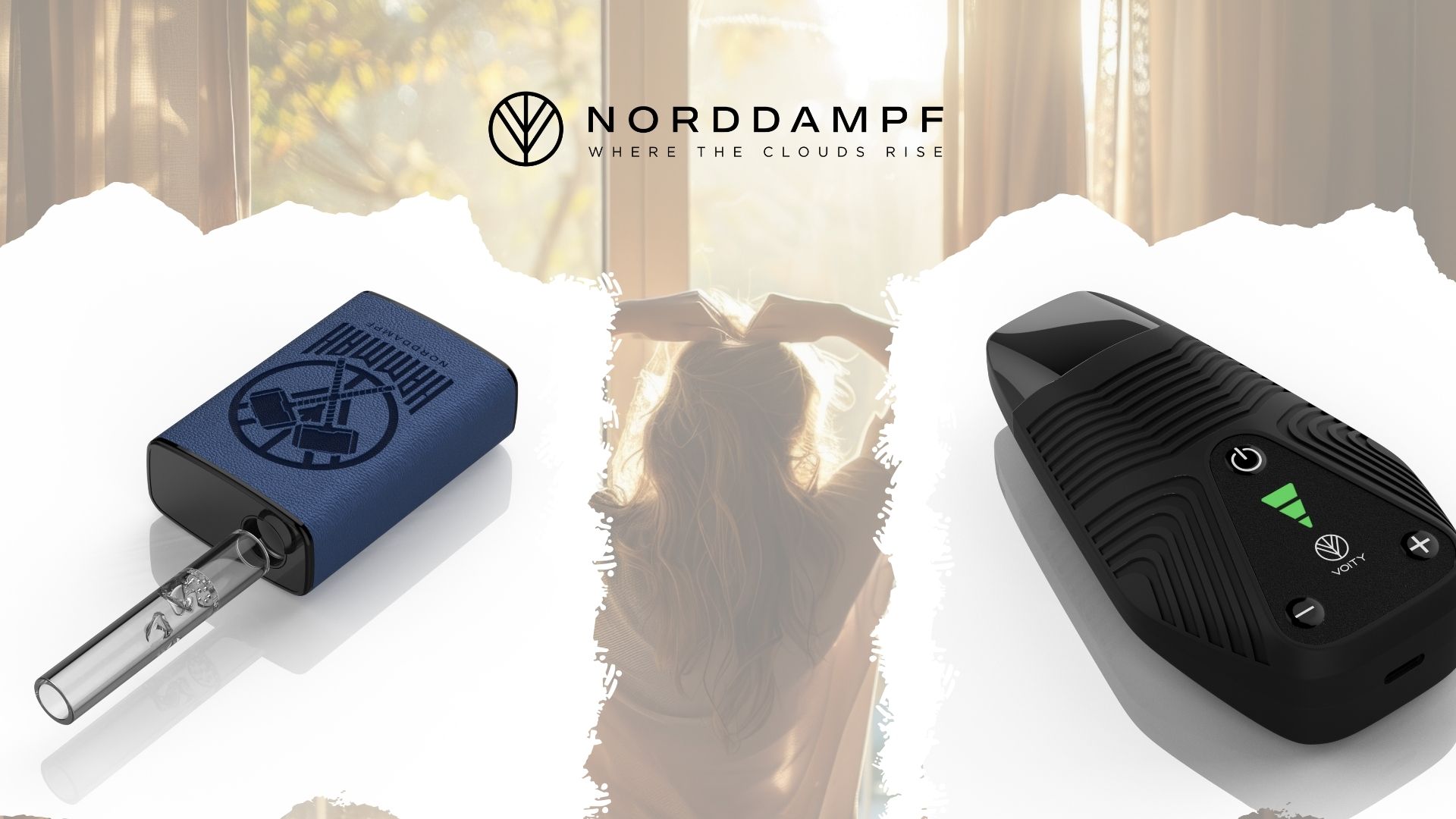
Want it to work faster? Then a vaporizer might be interesting for you. Here, the CBD from flowers or concentrates is gently heated until a fine vapor is produced, which you inhale. No combustion, no smoke—just vapor. This allows the cannabidiol to enter the bloodstream directly through the lungs, and you usually feel the effects after just a few minutes.
This method can be particularly effective in cases of acute inner turmoil, stress, or short-term pain. Some describe the feeling as clear, immediate, and physically noticeable.
What about hemp tea or cosmetics?
Perhaps you would prefer to take a gentler approach. In this case, hemp teas, skin oils, or cosmetic products containing CBD are a good addition. They usually contain lower amounts of cannabidiol and have a subtle effect. They are intended more as a support for your general well-being.
Such products are not a substitute for oil or vaporizers, but they can be a pleasant part of your care or relaxation routine.
What side effects can CBD have?
Although CBD is generally well tolerated, side effects may occur. Some people report dry mouth, mild fatigue, drowsiness, or changes in appetite. Occasionally, low blood pressure or digestive problems may also occur. These effects are usually mild and disappear when you reduce the dose. Serious side effects are rare but can occur, especially in people with liver disease or when taking certain medications at the same time. If you are new to CBD, start slowly and observe how your body reacts.
Are there any interactions with medications?
CBD affects certain enzymes in the liver (e.g., CYP450) that are involved in the breakdown of many medications. As a result, CBD can increase or decrease the active ingredient levels of other preparations.
This is particularly relevant for:
- Blood thinners (e.g., warfarin),
- antiepileptic drugs,
- antidepressants,
- sedatives,
- and immunosuppressants after organ transplants.
Taking alcohol or strong sedatives at the same time can also increase tiredness. If you are taking medication, always consult your doctor or pharmacist first.
For whom is CBD unsuitable or risky?
CBD is not suitable for everyone. Pregnant and breastfeeding women should refrain from using it, as the potential risks to the child have not yet been sufficiently researched. Caution is also advised in cases of liver disease, as CBD can affect liver values. People with Parkinson's disease should avoid high doses, as these can increase tremors in some cases. Men who wish to have children should be aware that there is evidence of effects on sperm quality. And adolescents should only use CBD after consulting a doctor if there is a clear medical indication.
How can you meaningfully integrate CBD into your daily routine?
If you want to integrate CBD into your everyday life, it is helpful to set a clear goal beforehand. Do you want to sleep better, reduce stress, or alleviate physical complaints such as muscle tension or pain? Think about what result you want to achieve and then choose the appropriate form of application.
Whether CBD oil, vaporizer, or cream—choose the form that suits you and your everyday life, and give your body time to adjust. This way, you can gradually discover how CBD best supports you and contributes to greater calm, balance, and well-being.