

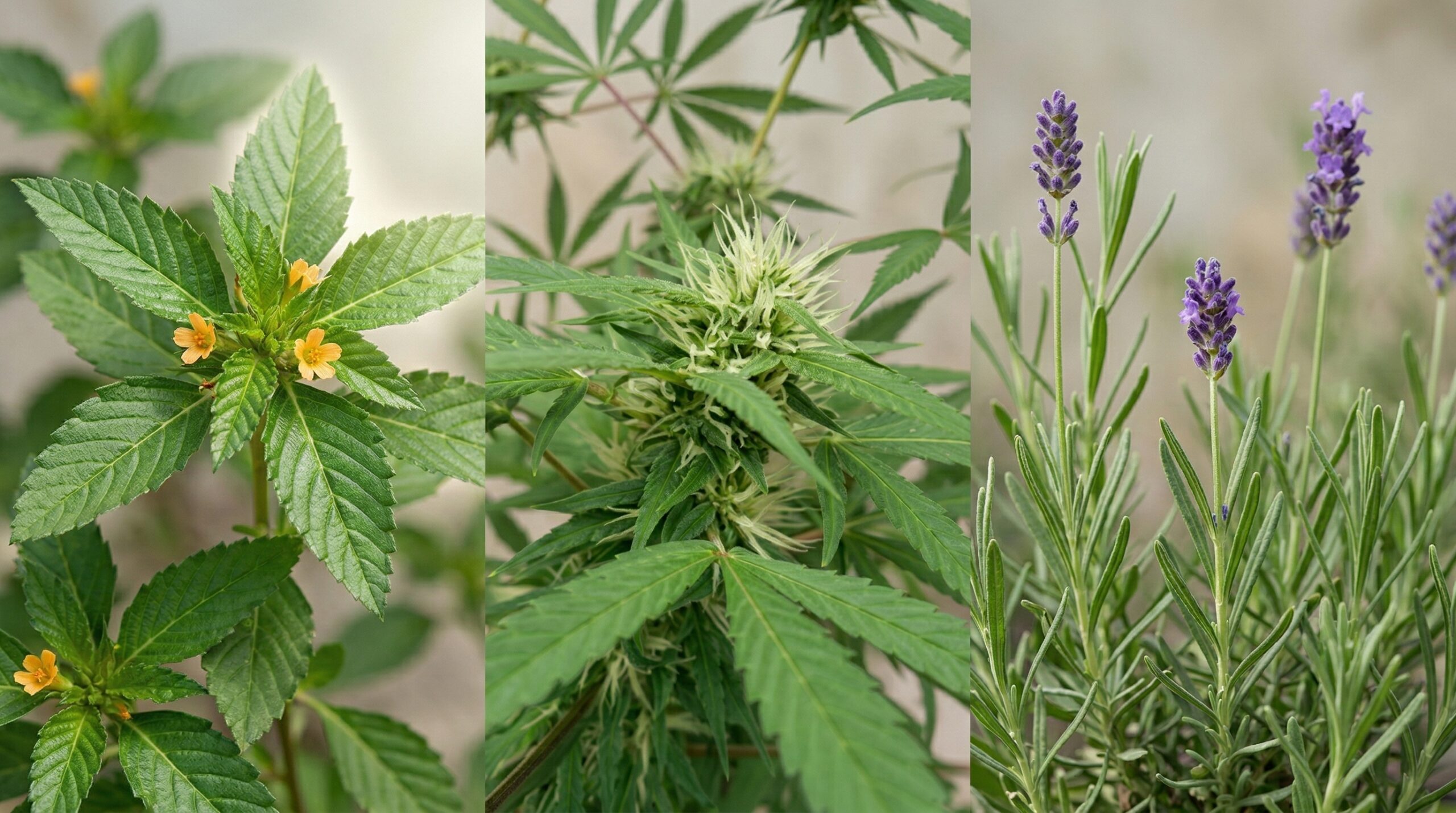
Damiana is an herb that has been valued for centuries for its relaxing properties. In this article, you’ll find concise information on the effects, uses, and safety of damiana. Additionally, damiana is generally legal and can be purchased without any issues.





Contents
- Effects of Damiana
- Possible applications
- Damiana in a vaporizer
- Safety and Legality
Key Findings

- Gentle effect: Damiana has a mild relaxing effect and helps lift your mood—it’s no miracle cure, but it’s a pleasant companion for stressful days.
- Optimal temperature: Damiana is best enjoyed in a vaporizer at 175–190 °C; lower temperatures bring out the aroma, while higher temperatures produce more intense effects.
- Vaping beats smoking: fewer harmful substances, better taste, precise temperature control—the vaporizer is the more efficient choice.
- Legal, but not a medicine: In Germany (as of 2026) , it is availableover the counter as a herbal product, but without any approved therapeutic claims.
- Beginner-friendly: Devices like RELICT VOITY precise vaporization—ideal for trying damiana as your first herb.

Our Best Sellers
Discover the most popular Norddampf products

What is damiana (Turnera diffusa)?
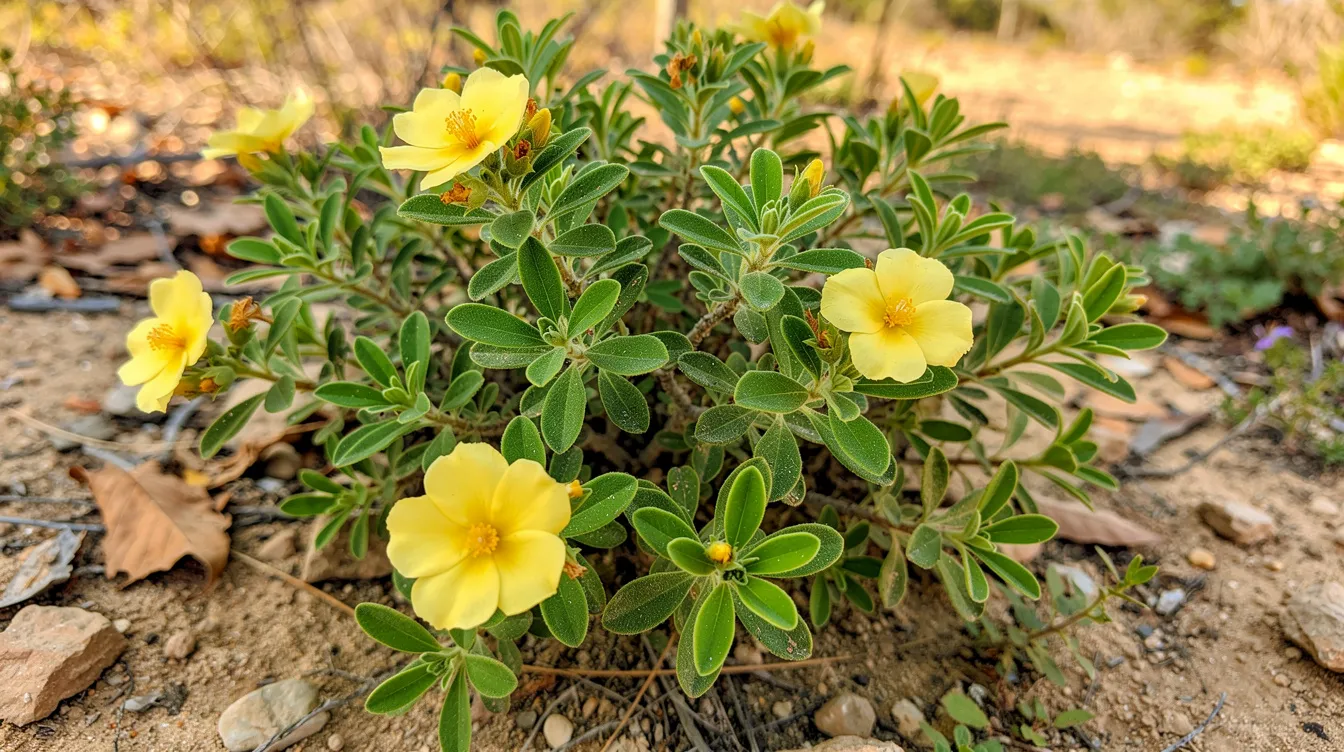
Damiana, botanically known as Turnera diffusa and belonging to the Turneraceae family (also known as the saffron mallow family or Passifloraceae), is an evergreen shrub with velvety, small, aromatic leaves and bright yellow flowers. The plant grows wild in dry, rocky areas and regions of Central and South America, particularly in Mexico, Central America, and parts of North America through South America. The dried damiana leaves are primarily used.
The name "Damiana" comes from Saint Damian, after whom the plant was named.
Its historical use dates back a long time: Indigenous peoples such as the Maya and Aztecs used damiana as a tonic to enhance sexual function and relieve stress. The Maya used the herb under names such as Chac Mixib as a tonic for mood, digestion, and libido. As early as the 17th century, the Spanish missionary Juan Maria de Salvatierra documented damiana’s reputation as an aphrodisiac.
Today, this medicinal plant is experiencing a renaissance. The wellness trend and the search for nicotine-free alternatives are driving demand. Whether as tea, in extracts, or for vaping—Damiana (Turnera diffusa) has established itself as a versatile herb. In South America, damiana leaves are traditionally used to make tea and to flavor liqueurs.
Damiana Effects: What Many Users Report
The effects of damiana are based primarily on anecdotal reports and preliminary preclinical studies. There is a lack of reliable clinical data—damiana is not a substitute for medical treatment.
Uses: Among the most important uses of damiana are improving mood, boosting libido, promoting gastrointestinal health, and treating urinary tract complaints.
Mood Enhancer & Relaxation: Many users describe a mild mood-enhancing effect and relaxation without strong sedation. The herb is considered gentle—ideal for stress, tension, or exhaustion, without making you drowsy. Damiana helps alleviate anxiety, stress, and nervous exhaustion. Preclinical studies suggest that damiana may affect the nervous system and potentially influence anxiety.
Libido & Sensuality: Traditionally used as an aphrodisiac, damiana is now found in numerous aphrodisiac teas and herbal blends. Damiana is used to boost libido in both men and women and supports blood flow to the genital area. A 2013 study found that damiana can enhance sexual sensation in women. Users report increased sensuality and improved blood flow, though scientific evidence is still limited.
Physical effects: Mild muscle relaxation and a pleasant sensation in the body are frequently reported. The active ingredients—essential oils, flavonoids such as apigenin, bitter compounds, and compounds such as damianin and arbutin—work synergistically. Damiana also contains terpenes such as pinene, which can influence various processes in the body. Pinene is a key component of the essential oils and can support breathing. The plant can support hormonal balance by inhibiting the enzyme aromatase, which stabilizes testosterone levels and regulates estrogen dominance. In traditional use, damiana is also employed for various physical ailments, particularly those affecting the gastrointestinal tract and urinary tract.
Important: If you experience serious symptoms such as sleep disturbances, loss of interest, or fatigue, it is advisable to consult a doctor. Damiana is a herb that promotes well-being, not a medication.
Smoking Damiana: Effects & Limitations
Traditionally, damiana is smoked as a tobacco substitute or as an additive in herbal cigarettes. This practice has a long history, particularly in Central America, where damiana was used both to promote well-being and as a natural aphrodisiac. The effects set in quickly: mild relaxation, sometimes a subtle sense of euphoria, and a gentle physical sensation. When smoked, the ingredients produce a similar but milder effect compared to tea. Traditionally, damiana is also used for colds and infections, as it contains essential oils such as cineol and thymol, which can have a supportive effect. However, smoking damiana poses health risks to the respiratory tract, similar to those associated with other herbs.
Flavor & Smoke: The flavor is mildly herbal with a slightly sweet note—less harsh than tobacco. Damiana works well as a nicotine-free filler.
The Limitations: Combustion produces smoke, tar, and harmful substances—even without nicotine. Temperatures ranging from 400–900 °C destroy up to 90% of the heat-sensitive active ingredients. Many users therefore switch to vaporizers to reduce harmful substances by up to 80%.
If you still want to roll your own: Start with small amounts (0.2–0.5 g) and avoid mixing in nicotine to prevent cardiovascular strain.
Damiana in a vaporizer: The gentler alternative
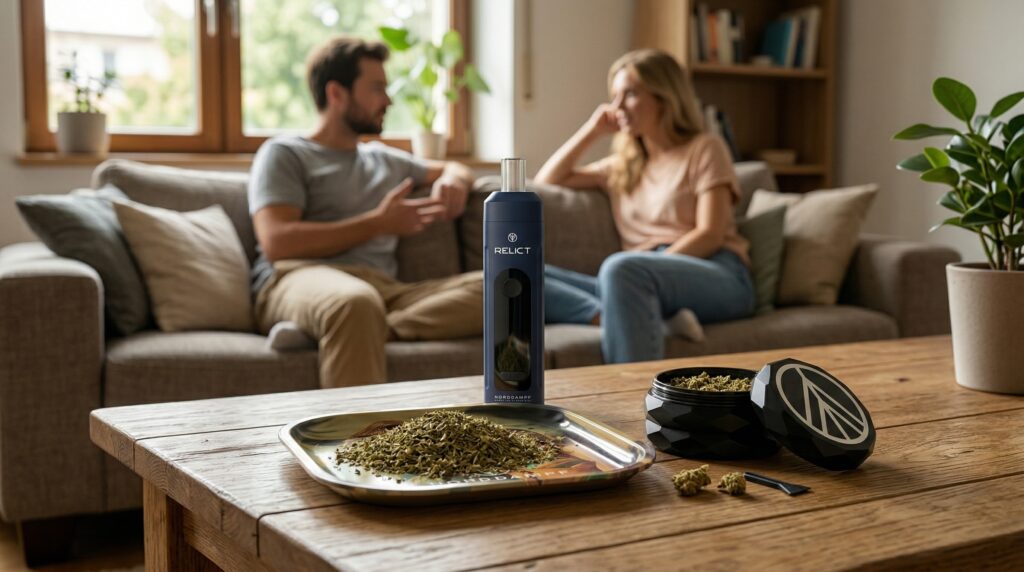
Damiana is an excellent choice for beginners using herbal vaporizers. As a method of administration, vaporizing differs significantly from other forms such as tea, capsules, or tinctures, as the active ingredients are absorbed particularly efficiently and quickly. Damiana leaves can be vaporized in a vaporizer at temperatures up to 190 °C. Mild, aromatic, and uncomplicated—perfect for getting to know your new device.
Advantages over smoking:
- Up to 90% less particulate matter and pollutants
- A more intense, pure aroma (sweet and spicy, with no smoky notes)
- More efficient use of active ingredients (40–60% yield vs. 20% when smoked)
- Precise temperature control for optimal extraction
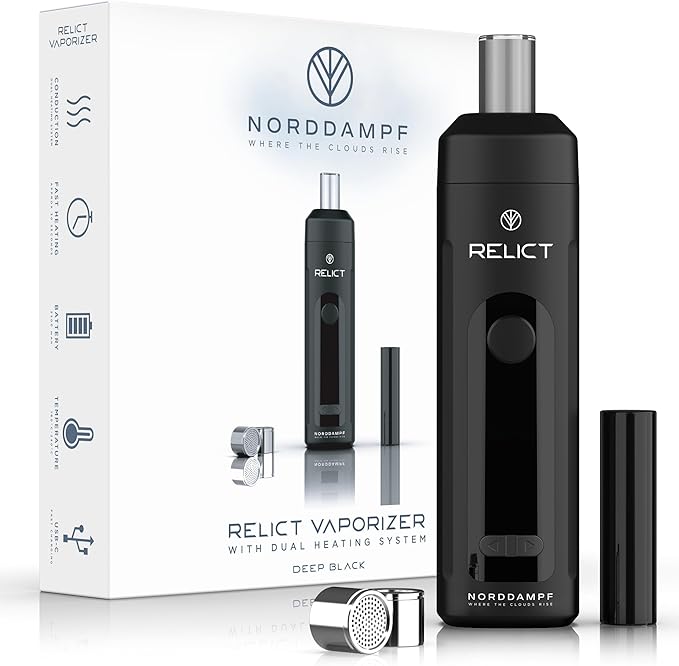
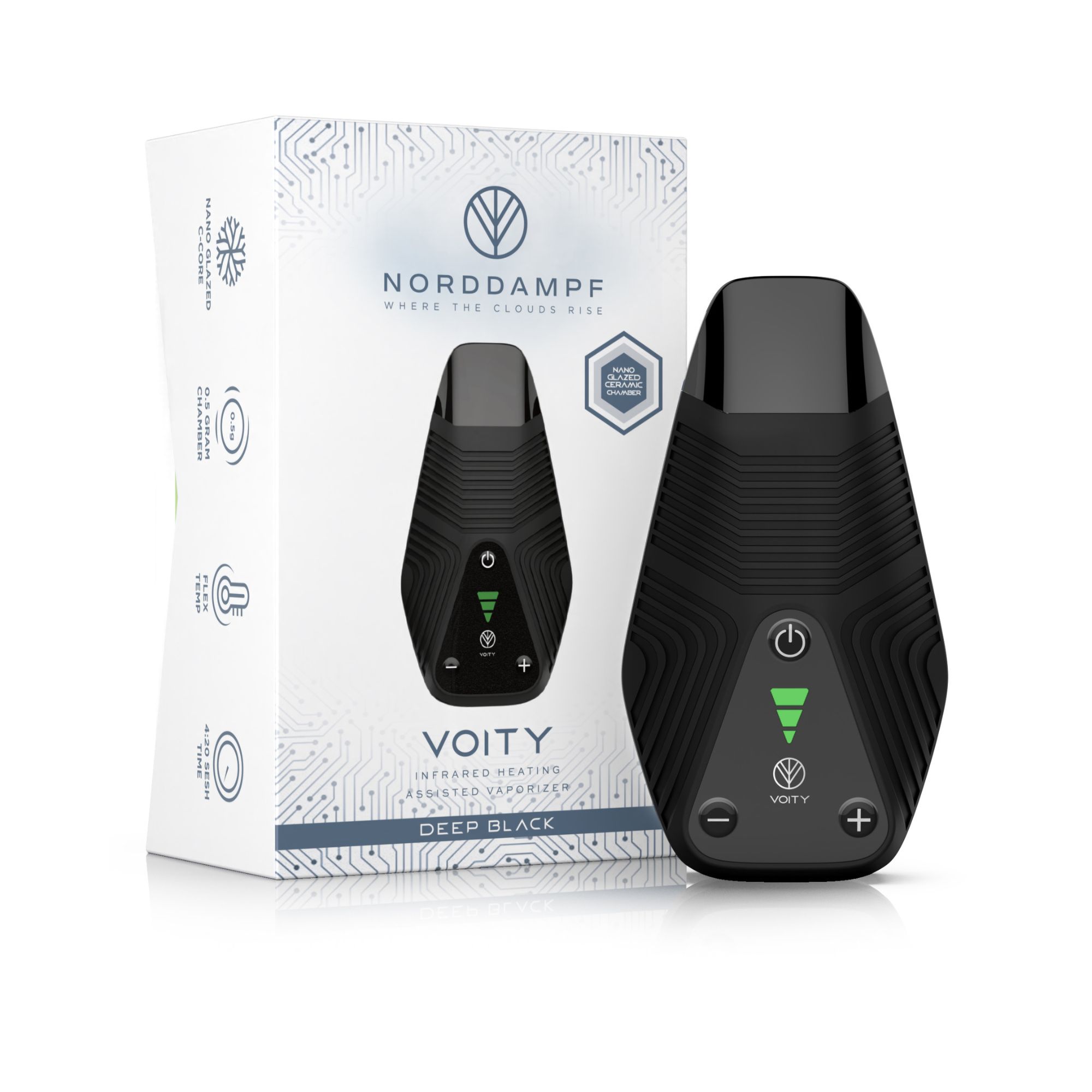
Modern devices like the RELICT its precise PID control, or the VOITY rugged everyday device, make vaping easy. Damiana is also an ideal herb for practicing inhalation techniques and temperature settings before moving on to stronger herbs.
Ideal temperature for damiana in a vaporizer
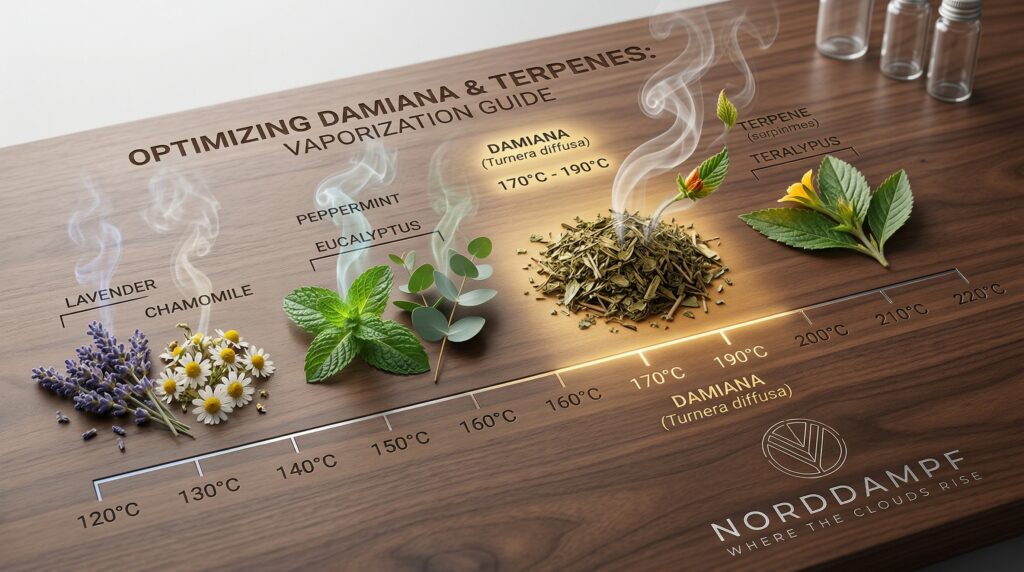
The ideal temperature for damiana is 175–190 °C.
| Temperature | Effect |
|---|---|
| 175–180 °C | Aromatic, clear-headed, light terpenes |
| 185–190 °C | More intense, richer steam; physical relaxation |
| Over 200 °C | Risk of partial combustion, soot, byproducts |
Tip for beginners: Start at 180 °C and increase the temperature in 5 °C increments. Use finely ground, well-dried herbs (particle size approx. 1.5 mm) and fill the chamber loosely—the airflow must remain unobstructed.
For devices without a precise temperature display, the medium to high setting usually corresponds to this range (e.g., setting 4 on the RELICT 182 °C).
How to properly vaporize damiana
- Grinding: Grind the damiana leaves in a grinder until they reach a fine, but not powdery, consistency.
- Preheat: Preheat the oven to 180 °C for about 60 seconds.
- Filling: Loosely fill the herb chamber with 0.1–0.2 g (50–70% capacity).
- Inhalation: Inhale slowly and steadily, taking 4–6 seconds per inhalation, and repeat every 30 seconds.
- Session: Steam for 5–10 minutes, stirring the herbs gently every now and then.
- Disposal: Used herb (AVB) is golden brown and can be disposed of—most of the active ingredients have been extracted.
You can make blends with herbs like lemon balm (160–180 °C) or lavender (170–185 °C)—but be sure to test each herb individually first.
Vaporizers vs. Smoking: Benefits for Taste, Efficiency, and Lung Health
Switching from smoking to vaping is worth it—especially with herbs like damiana.
Flavor: Vaping brings out the delicate, sweet and spicy notes. No throat hit, and hardly any odor on clothes or in the home.
Efficiency: More active ingredients per gram—making damiana consumption more economical. Studies show a 2–3 times higher yield of active ingredients when vaping.
Lungs & Well-being: No tar particles, significantly less respiratory irritation. Users report up to 95% less coughing compared to smoking.
Temperature control: Devices like RELICT VOITY fine-tuning—which is important for herbs with different vaporization points.
Everyday use: Discreet, low-odor, easy to use—perfect for evening relaxation rituals.
Other forms: tea, tincture, and capsules

Damiana is used in a variety of areas and applications, such as to promote well-being, libido, relaxation, and digestion. This medicinal plant is used in both traditional and modern forms, including as tea, capsules, tinctures, globules, or even as a smoking product.
- Damiana tea: Use 1–2 teaspoons of dried leaves per cup, pour hot water over them, and let steep for 10–15 minutes. Gently relaxing, ideal as an evening ritual.
- Tincture: Alcohol- or glycerin-based extracts that are absorbed more quickly through the mucous membranes than tea. Use with caution (20–40 drops).
- Capsules/tablets: Neutral taste, precise dosage—convenient for on the go.
- Globules: A homeopathic dosage form that can be individually adjusted.
Damiana is available online or in specialty stores as loose leaves, capsules, or tinctures. There is no certified organic damiana, as the plant is sourced exclusively from wild harvests. When purchasing, pay attention to quality and origin to avoid substandard products.
One particular use is the production of damiana liqueur: to make it, damiana leaves are steeped in spirits to create an aromatic liqueur that can be enjoyed as a culinary specialty.
Inhalation takes effect in 2–5 minutes; oral administration takes 20–60 minutes. Choose based on the situation and your preference.
Buy Damiana & Store It Properly
Damiana as a medicinal plant.
Tea, extracts, products.
Demand is rising.
So is the supply.
And so are the differences in quality.
Make an informed purchase.
Designed with your well-being in mind.
Shopping Tips:Turnera diffusa.
Certified organic.
Organic preferred.
Reputable manufacturers provide the following information: • Origin of the plant • Year of harvest • Processing method
Damia leaves for tea.
For vaporization.
Quality control through the senses:
Fresh leaves:
Greenish to olive.
Aromatic scent.
Gently dried.
Powdered product.
Strong brownish discoloration.
Indication of: Poor quality.
Or: Long-term storage.
Product Forms:Damiana Technology.
Various Applications.
Loose-leaf tea:
Relaxing evening rituals.
Designed for tranquility.
Tea blends:
Combined effects.
Carefully selected blends.
Extracts & Tinctures:
Concentrated ingredients.
Convenient for on the go.
Maximum effectiveness.
Capsules:
Neutral taste.
Precise dosage.
Controlled use.
See ingredient lists.
Choose products without unnecessary additives.
Purity first.
Proper storage:Maintain effectiveness.
Preserve flavor.
Ensure long-term quality.
Storage instructions: • Keep dry • Protect from light
• Keep airtight
Ideal containers:
Dark glass containers.
Tightly sealed cans.
Professional Storage.
Avoid:
Moisture.
Direct sunlight.
Loss of quality.
Tea and extracts:
After opening.
Shelf life: A few months.
Maximum freshness.
Careful selection.
Proper storage.
Full potential.
This versatile plant.
Designed for your well-being.
Applied with precision.
Legality, Dosage, and Safety of Damiana

In Germany and the EU, damiana (as of 2026) is legally available as a herbal product—it is not approved as a medicinal product.
Uses and Dosage Forms:
Damiana is used both traditionally and in modern medicine to promote well-being, enhance libido, and aid digestion. Its primary uses also include relieving stress, mild depressive moods, and menstrual cramps. Dosage forms range from tea, tinctures, and capsules to use as a smoking product. The chosen dosage form can influence the duration of action and efficacy.
Dosage:
- Vaporizer: 0.1–0.3 g per session
- Tea: 1–3 cups a day
- Always follow the manufacturer's instructions
Safety:
Damiana is generally well tolerated in moderate amounts. Excessive or frequent use may cause side effects such as nausea, tinnitus, hypoglycemia, stomach upset, headaches, or dizziness. Too much damiana tea can cause mild side effects such as stomach upset or sleep problems in some people. If an overdose occurs, discontinue use. Damiana should be avoided during pregnancy, while breastfeeding, and in cases of liver disease. Pregnant women, children, and adolescents should avoid damiana as a precaution. Research on side effects is not yet comprehensive; if you have pre-existing conditions or are taking medications, it is recommended to consult a doctor before use. Combining with alcohol or other psychoactive substances is not recommended.
Possible side effects
- Nausea or mild headaches at high doses (5–10% of users)
- Nervousness or sleep disturbances are rare
- Isolated reports of dizziness or fluctuations in blood pressure
Recommendation: Start with a low dose and monitor the effects. If you have any concerns or medical conditions, consult a doctor. Damiana is not a substitute for medication.
Which vaporizer is best for damiana? (Tips for beginners)
What you should pay attention to:
- Dry Herb Vaporizers: No e-cigarettes for e-liquids—only genuine herb vaporizers.
- Temperature control: Units with a digital display and precise temperature control (e.g., RELICT 1°C increments) are ideal.
- Herb Chamber: A fine mesh prevents damiana from being drawn through the air passage.
Recommended devices:
- RELICT: Precise PID control, 90-minute battery life, perfect for temperature-sensitive herbs.
- VOITY: A durable everyday tool with an intuitive boost system.
- Simple vaporizers for beginners: Preset settings, easy to get started with.
A high-quality vaporizer is worth the investment if you want to try other herbs like lemon balm, chamomile, or lavender in addition to damiana.
Bottom line: Damiana helps you relax—the vaporizer brings out the best in it
Damiana is a mild, aromatic herb traditionally known for its mood-lifting and relaxing effects. It has its place as an energy booster for stressful times or sensual evenings—without making exaggerated claims about its healing properties.
Vaping at temperatures between 175–190 °C is the most efficient and enjoyable way to experience the ingredients. Switching from smoking to vaping offers clear benefits in terms of flavor, efficiency, and your respiratory health.
Try damiana mindfully and in small amounts—using a precise herbal vaporizer like RELICT VOITY. Discover what this herb can do for your well-being.
Frequently Asked Questions About Damiana & Vaporizers (FAQ)
How quickly does damiana take effect when I vaporize it in a vaporizer?
When inhaled, the effects usually kick in within 2–5 minutes—much faster than with tea or capsules. The intensity and duration (often 30–60 minutes) vary from person to person. Take a short break after the first few puffs to avoid accidentally consuming too much.
Can I use damiana in a vaporizer every day?
Occasional use in moderate amounts is generally considered safe. Due to a lack of long-term data, the effects of daily, prolonged use have not been sufficiently studied. Take breaks (e.g., 2–3 times a week) and pay attention to your body’s signals. If you have any pre-existing medical conditions, consult a doctor beforehand.
Can I mix damiana with other herbs in a vaporizer?
Blends using legal herbs such as lemon balm, lavender, or rose petals are possible and offer interesting flavor combinations. Start by testing each herb individually. When creating blends, choose a safe mid-range temperature (180–185 °C), as each herb has its own optimal temperature range.
Does damiana make you "high" or cause addiction?
In typical doses, damiana has a mild relaxing and mood-lifting effect—it is not strongly psychoactive. A “high” similar to that of cannabis is not to be expected. Physical dependence is not currently known to occur. Nevertheless, mindful use as an occasional aid remains advisable.
Can I use the same vaporizer for damiana and cannabis?
Technically, many herbal vaporizers are suitable for both types of products (cannabis only where legal). Clean the herb chamber and mouthpiece between uses to prevent flavors from mixing. Damiana is the perfect herb to start with to get to know your device before using stronger plants.
All articles on herbal vaporizing
 8 min.
Organic herbs in the vaporizer
 5 min.
Legal aromatic herbs 2026
 6 min.
Herbal blends for stress relief – the best recipes
 5 min.
Aromatherapy – enjoy legal herbs in a vaporizer
 7 min.
Choosing herbs for your vaporizer
Choosing the right herbs for vaporizers and preparing them properly are key to a top-notch vaping experience. It…
 10 min.
The top selection for vaporizer herbs: Discover the best varieties for your device!
Which herbs are suitable for vaporizers, and how can you maximize their flavor and effects? In this article, you’ll find…
