

Vape pen vs. vaporizer – the comparison
Perhaps you've seen a few devices and wondered why some people refer to them as "vape pens" while others insist on calling them "vaporizers." From the outside, this sometimes seems like nitpicking, because ultimately both produce vapor. In practice, however, the difference is quite concrete: the devices are built for different materials, function differently in everyday use, and offer varying degrees of control depending on the model.
If you know what you want to vaporize and how you want to use the device, the decision becomes much easier. That's exactly what this is about: not hype, but a clear, understandable comparison.
What exactly is a vape pen?
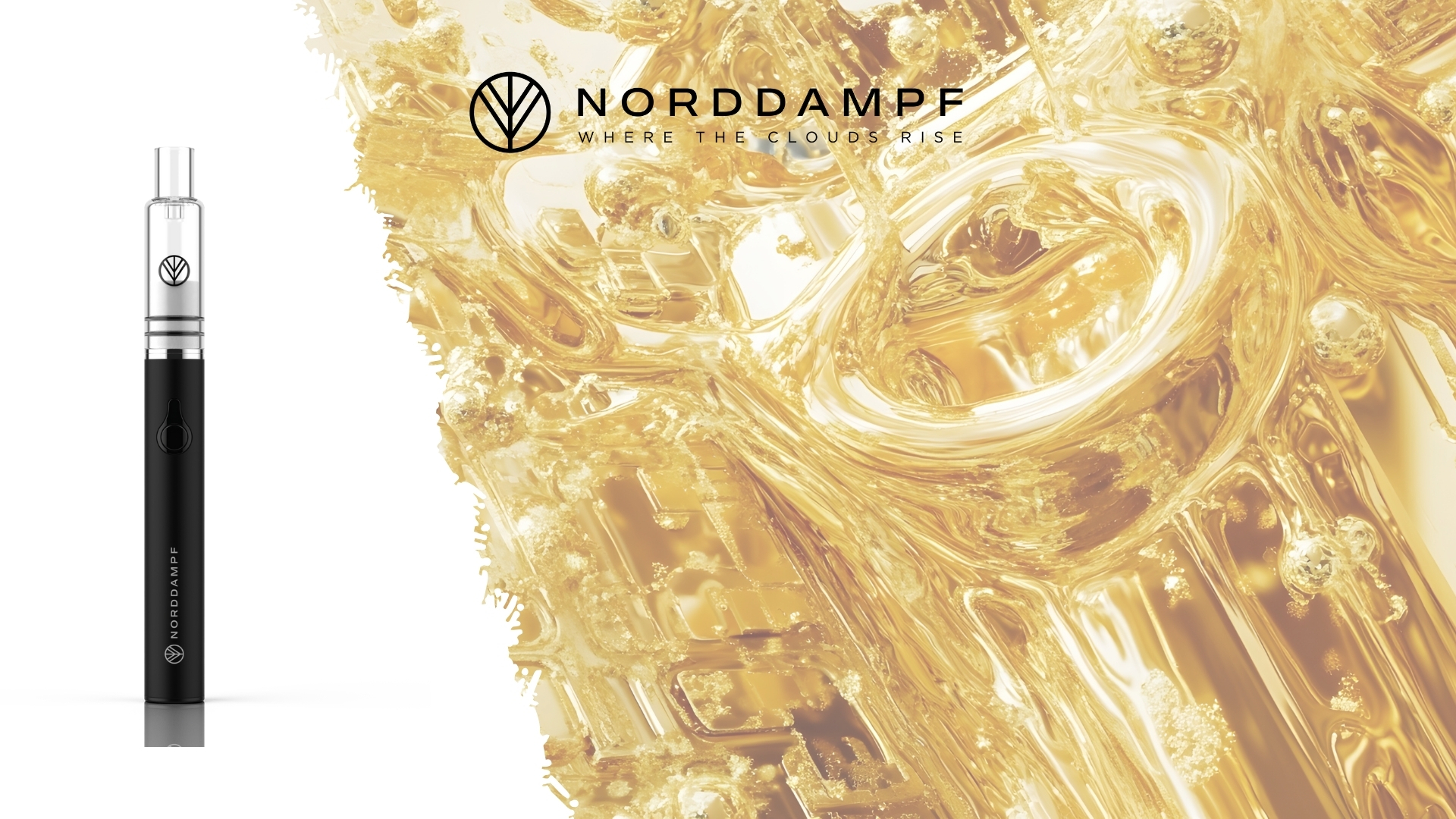
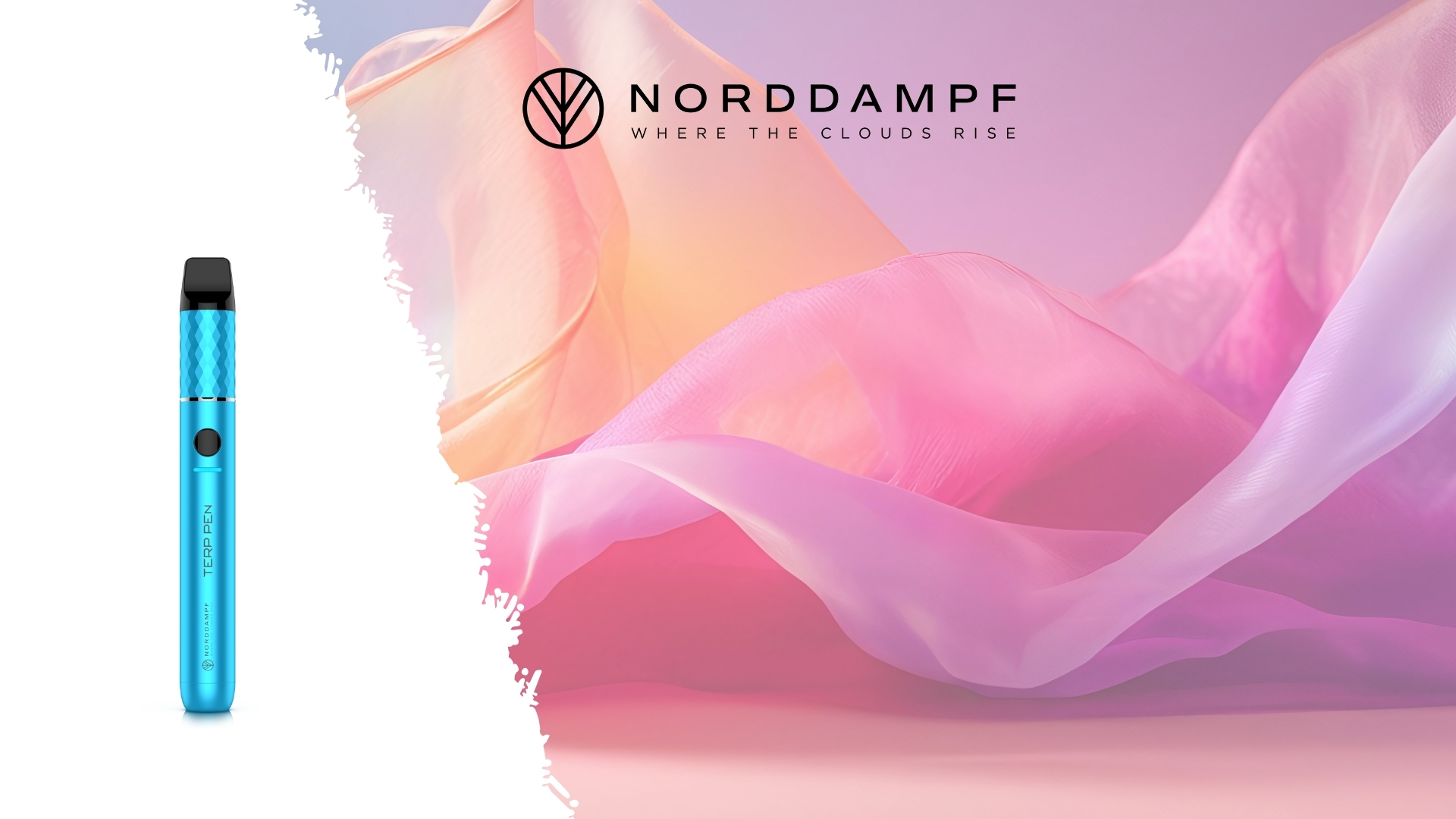
A vape pen is usually a slim, pen-shaped device designed for vaporizing liquids. These liquids are usually found in pre-filled cartridges, pods, or small tanks. Inside the pen is a heating element that heats the liquid so that it vaporizes and can be inhaled.
Many vape pens are deliberately kept very simple. With many models, simply pulling on the mouthpiece is enough to start the vaporization process. Others also have a button that activates the device. The idea behind this is clear: as little effort as possible, as quick to use as possible. This is precisely why vape pens are attractive to many people who are looking for something compact, inconspicuous, and uncomplicated.
What is a vaporizer and how does it work?
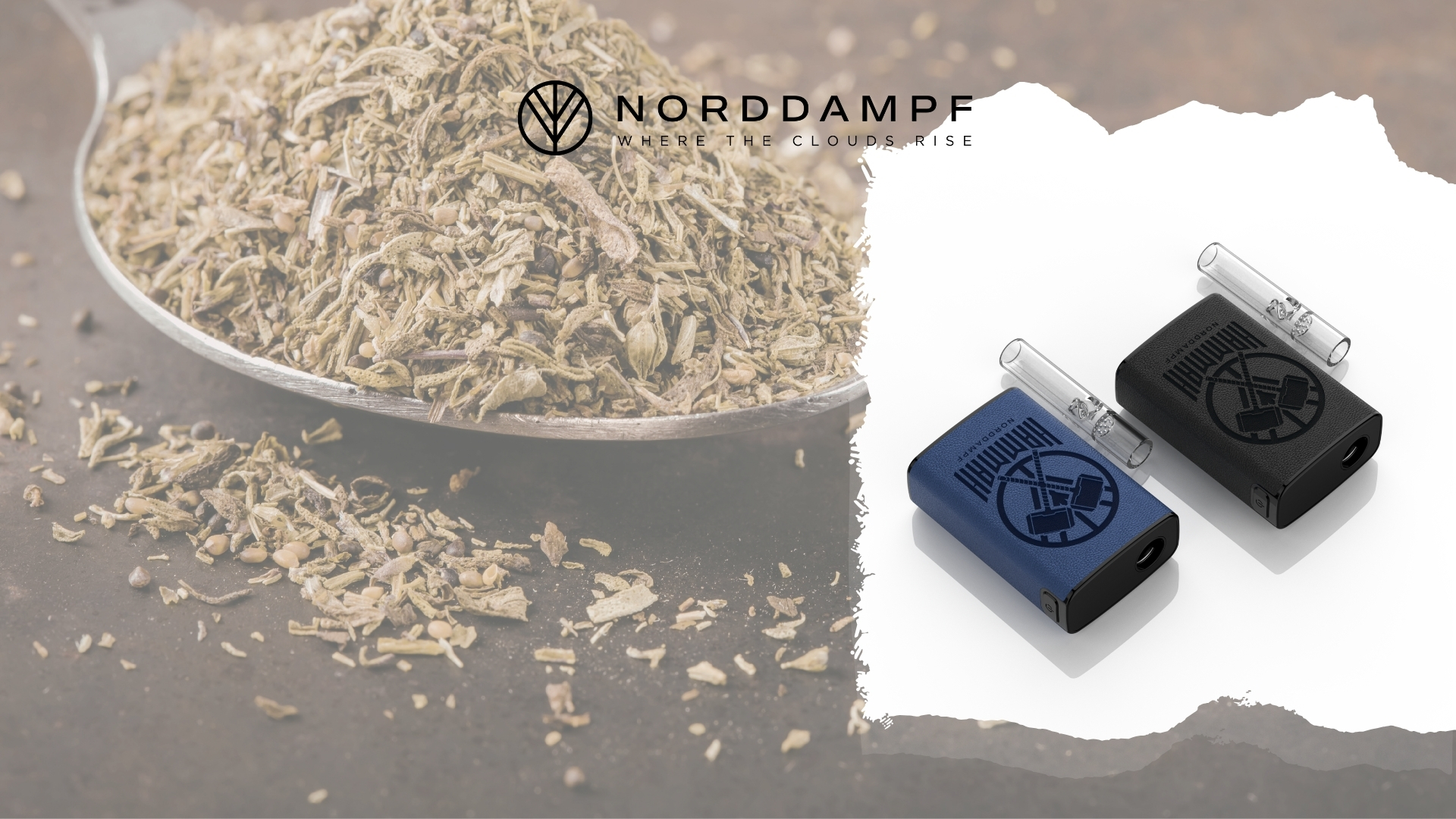
A vaporizer is a device designed primarily for vaporizing dried herbs. You fill a chamber with plant material, which is then heated in a controlled manner. The aim is to release the desired ingredients and aromas without burning the material.
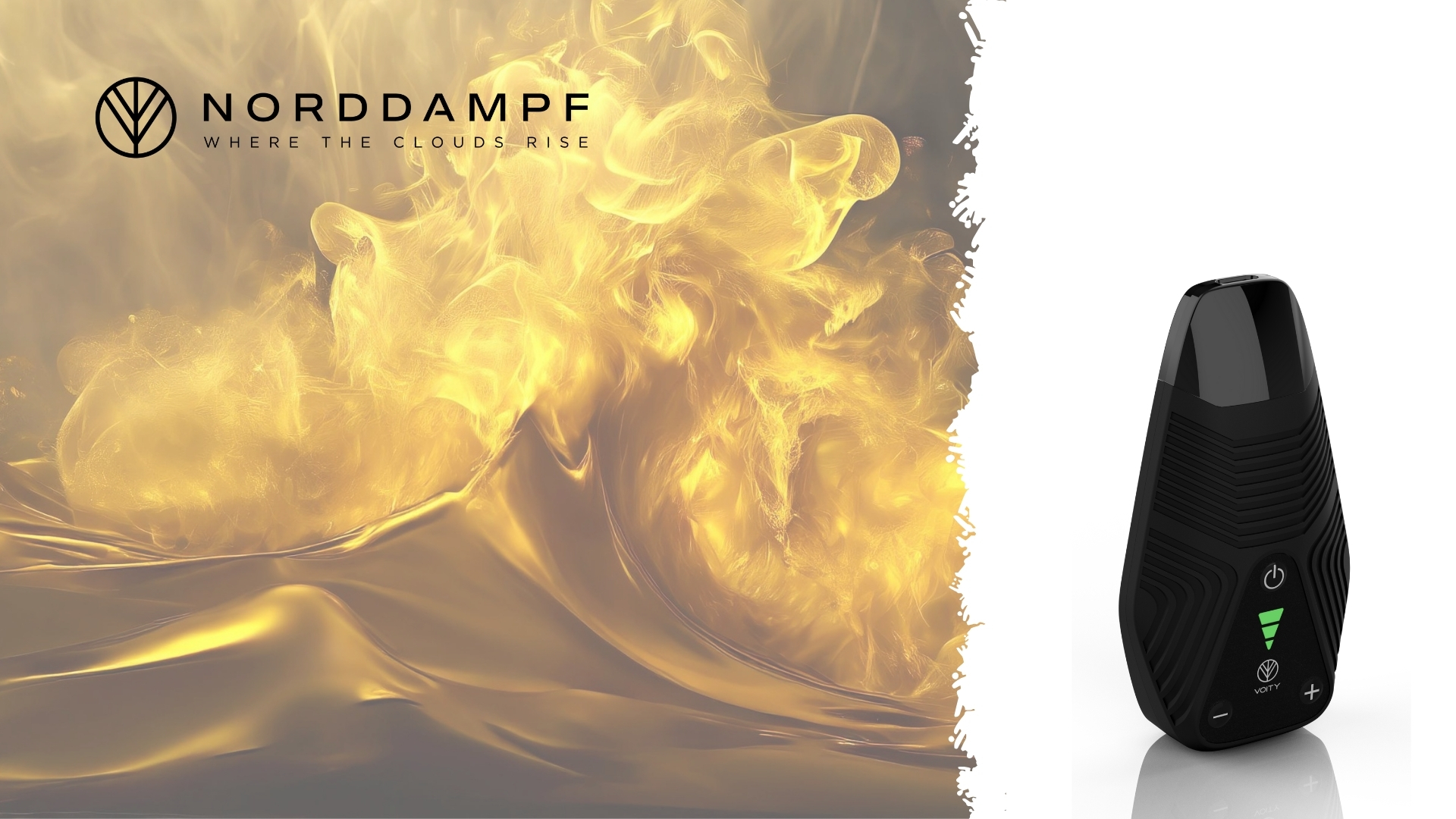
Many vaporizers allow you to set the temperature precisely. This allows you to influence how gentle or intense the vapor is and which flavors are more prominent. Some models also allow you to vaporize concentrates, usually using special inserts. However, the basic idea always remains the same: controlled heat, even vaporization, and more conscious use of the material.
What is the most fundamental difference between a vape pen and a vaporizer?
The most important difference lies in what the devices are designed for. A vape pen is designed for liquids. A vaporizer is designed for herbs. At first glance, this difference seems simple, but it leads to many other differences.
Liquids behave completely differently from plant material when heated. This means that the heating technology, airflow, temperature control, and maintenance requirements are significantly different. So if you only want to make one decision, this question is crucial: Do you want to vaporize liquids or herbs?
What materials are used with a vape pen?
A vape pen is used with liquids. These liquids can have very different compositions. Some contain nicotine, others contain cannabinoids such as CBD or THC, and others are purely flavored. It is important to understand that "liquid" is not a uniform term. Composition, carriers, and quality can vary greatly.
For you, this means that when it comes to vape pens, it's not just the device that determines the experience, but above all the liquid itself. Taste, vapor production, and compatibility depend heavily on what you use and how high-quality the product is.
What materials are used with a vaporizer?
A classic vaporizer is designed for dried plant material. This includes herbs that have been properly prepared: not too moist, not too finely ground, and stored cleanly. Some vaporizers are so-called hybrid devices and also allow the use of concentrates, usually with a separate insert.
Practical experience shows that a vaporizer works best when used for its intended purpose. Those who regularly work with herbs and utilize the temperature settingsbenefit significantly more from a vaporizer than from a pen.
Why shouldn't you use herbs in a vape pen?
A vape pen is not technically designed to vaporize herbs. It lacks the appropriate chamber, the airflow is unsuitable, and the heating technology is designed for liquids. In practice, this leads to poor vaporization, unpleasant draw behavior, and, in the worst case, damage to the device.
If you want to vaporize herbs, you need a herbal vaporizer. It's not a question of preference or brand, but simply a question of design.
How do temperature control and operation differ?
This is where one of the biggest differences becomes apparent. Many vaporizers allow for very precise temperature settings. You can consciously choose whether to start at a lower temperature to enjoy the aroma or go higher to produce denser clouds of vapor.
With vape pens, the temperature is often fixed or can only be controlled roughly. This fits in with the concept of use: quick, easy, without much thought. The vaporizer is aimed more at people who want to consciously influence their vaping experience.
What are the differences in terms of taste and vapor production?
With vaporizers, the taste depends heavily on several factors: herb quality, temperature, airflow, and cleanliness of the device. Lower temperatures often produce clearer flavors, while higher temperatures produce more vapor, but sometimes also a heavier feeling in the throat.
With vape pens, the flavor is usually very consistent because the liquid is already flavored. Many people appreciate this reliability. However, those who appreciate the natural flavor of plants and want to experience differences between temperatures often feel more comfortable using a vaporizer.
Is a vape pen more suitable for short-term use and a vaporizer for longer sessions?
In many cases, yes. Vape pens are ideal for short, spontaneous puffs. You take a few puffs, put the device away, and you're done. Vaporizers often work in sessions. You prepare the material, let the device heat up, and use it for several minutes.
There are exceptions, but the basic user experience differs significantly. If you are looking for something that fits into your everyday life without any preparation, a vape pen is more practical. If you want to consume consciously and take your time, the vaporizer shows its strengths.
What is the difference between care and cleaning?
Disposable pens or closed systems require very little maintenance. With refillable pens, it is usually sufficient to keep the contacts clean from time to time. A herbal vaporizer, on the other hand, must be cleaned regularly. Herbs leave behind residues that restrict the air flow and alter the taste.
Anyone who uses a vaporizer should consider maintenance to be part of the experience. A clean device tastes better, draws more easily, and functions more reliably.
How important are battery life and everyday usability?
Vape pens are compact and lightweight, so the battery is often smaller. This means more frequent charging, but also high mobility. Vaporizers come in many sizes, from very portable to powerful for longer sessions.
The battery capacity on paper is less important than your usage style. Short puffs in between have different requirements than longer sessions.
Is a vape pen or vaporizer "healthier"?
There is no general answer to this question. The decisive factors are material quality, temperature, and usage. Vaporization ideally avoids combustion, which reduces many undesirable byproducts. With vape pens, a lot depends on the liquid, while with vaporizers, it depends on the quality of the herbs, the temperature, and the cleanliness of the device.
A realistic view considers not only the device, but also what is being vaporized and how consciously it is being used.
Which device is better suited to you?
If you want to use liquids and value simplicity, discretion, and spontaneous use, a vape pen is often the better choice. If you want to vaporize herbs, value temperature control, and are looking for a more conscious user experience, a vaporizer is usually the better decision.
In the end, an honest question helps: Do you want something that works quickly and easily, or a device that you consciously take time to use and have more control over the experience?