


Highly concentrated cannabis extracts, extremely high levels of active ingredients, and a particularly intense effect: dabbing is a method of consuming cannabis that has been popular in the U.S. for years and is increasingly being discussed in Europe as well. Dabbing involves the use of various substances, such as concentrates, oils, and extracts, which differ in composition and potency.
While cannabis is traditionally consumed in the form of dried flowers, dabbing focuses on so-called cannabis concentrates —that is, extracts with a significantly higher concentration of active compounds. The rise of the dabbing trend is particularly evident in the United States, where social acceptance and the legalization of cannabis products are advancing, while growing interest can also be observed in Europe.
But what exactly is behind this trend? How does dabbing work, how does it differ from other methods of use—and what risks should users be aware of? Cannabis concentrates are specialized substances derived from the cannabis plant through various extraction methods and have a particularly high THC content.
This article explains the key basics of dabbing, cannabis extracts, and their effects. The information presented is based on current studies and reliable sources that examine the risks and effects of dabbing.
Classification and Important Note
This article is intended solely for informational and educational purposes.
This is not intended as a recommendation to use cannabis, nor does it encourage others to do so. Anyone considering cannabis use should thoroughly research the subject and realistically assess the potential risks.
The legal situation regarding cannabis and products derived from it may vary depending on the country and local laws. In Germany, new legal regulations regarding cannabis have been in effect since 2024, establishing specific rules regarding possession and use.
Before dabbing, it is especially important to do your research using reliable sources and to rely solely on verified sources of information.
What is dabbing?
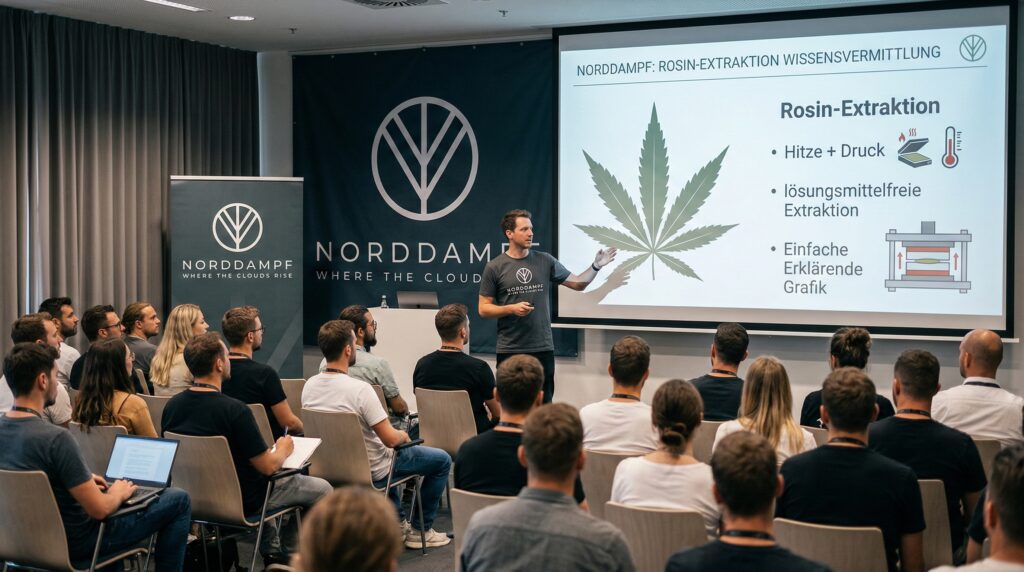
Dabbing refers to a method of consuming cannabis in which cannabis concentrates such as oil, wax, or shatter are placed on a heated surface (usually a nail) and the resulting vapor is inhaled. In German, dabbing is also referred to as “Tupfen” or “dabben.”
Dabbing involves a specific method: The cannabis concentrate is extracted from the plant using chemical solvents such as butane, which can be dangerous if not prepared properly. The concentrates contain no plant material and provide significantly higher concentrations of cannabinoids such as THC—the THC content of dabs can range from 40 to 90 percent, while dried cannabis flowers typically contain only about 20 percent.
Special devices such as dabbing bongs, glass water pipes, or so-called dab rigs are used for dabbing. These are usually made of heat-resistant glass and feature a nail or banger as the heating surface. The oil or other extracts are placed on this hot surface and vaporize, allowing the vapor to be inhaled. Using a dabbing torch to heat the nail is recommended. Carb caps improve convection and airflow, allowing users to dab at the lowest possible temperatures. Dab rigs should be cleaned regularly, as they get dirty quickly.
One advantage of this method is that dabbing does not produce toxic byproducts from combustion, as is the case with traditional smoking of a joint or bong—similar to using a vaporizer as a non-combustion alternative. Staying well-hydrated while dabbing helps minimize side effects. Watching YouTube videos on dabbing can help beginners learn the technique more safely, as can a comprehensive guide to proper vaporization. The environment and social setting also play an important role in the quality of a dabbing session.
Why is dabbing stronger than regular cannabis?
The key difference between dabbing and smoking cannabis flowers lies in the concentration of active ingredients.
Dried flowers typically contain between 10 and 25 percent THC. Cannabis concentrates, on the other hand, can contain significantly higher levels of the active ingredient.
The THC content of dabs can be as high as 90 percent, whereas cannabis flowers typically contain about 12 percent THC.
Because of this high concentration, large amounts of the active ingredient enter the body within a short period of time.
This can lead to:
- faster onset of action
- stronger psychoactive effects
- more intense physical effects
lead.
For people with no experience or a low tolerance, this intensity can quickly become overwhelming. Dabbing can also lead to an overdose, which may cause hallucinations, nausea, nervous breakdowns, or fainting.
What types of cannabis extracts are available?
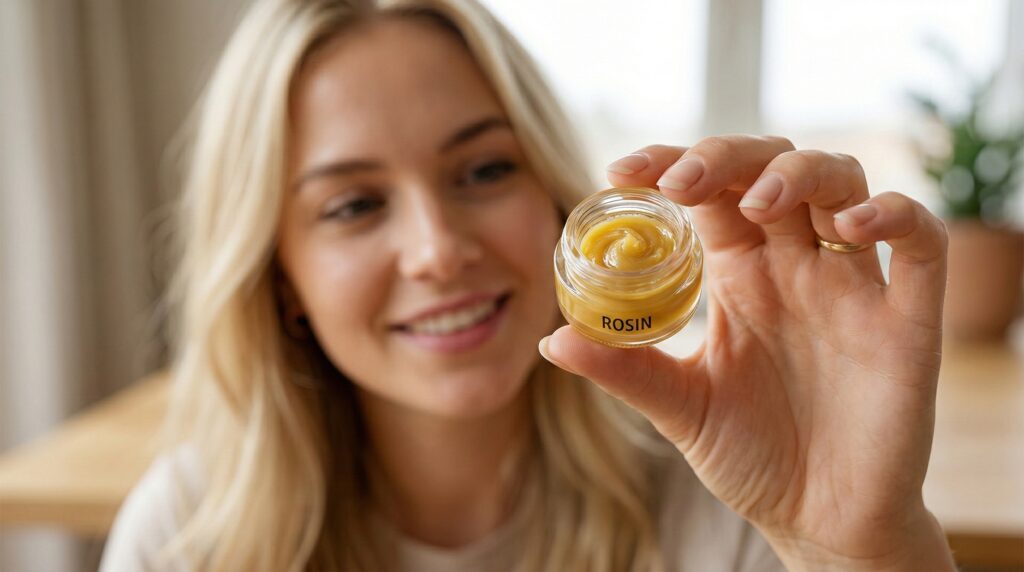
Cannabis concentrates include various substances that differ in consistency and method of production. They are typically produced by extracting the active compounds from the cannabis plant, using various methods such as solvents or the rosin technique. In legal markets, the following types are commonly distinguished.
Wax
Wax has a soft, often creamy consistency and is produced through specific extraction processes. In the production of wax, a method is often used in which active compounds are extracted from cannabis using solvents such as butane or DME, which can pose potential risks due to solvent residues in the final product.
Shatter
Shatter has a glass-like structure and is usually brittle and transparent. Not only does its texture resemble glass visually, but glass is also frequently used as a material for dabbing devices such as water pipes and nectar collectors, as it is heat-resistant and easy to clean.
Live Resin
Live resin is made from fresh plant material and is often particularly rich in terpenes.
A special method is used to produce live resin, in which the fresh plants are flash-frozen immediately after harvest and then extracted. This method preserves a particularly high concentration of terpenes, resulting in a more intense aroma and a higher-quality concentrate.
Budder
Budder has a consistency similar to whipped butter and is also a common concentrate.
In the production of budder, a process involving solvents such as butane or CO₂ is typically used to extract the active compounds from the cannabis plant and produce the concentrate.
rosin
Rosin is produced from plant material through heat and pressure and is considered a solvent-free form of cannabis extract.
These terms primarily describe texture and the manufacturing process, not necessarily quality or purity.
Cannabis extracts and their active ingredient concentrations
A cannabis extract is produced when the plant's active compounds are concentrated. This process primarily isolates cannabinoids and terpenes.
The result is a product with a significantly higher concentration of active ingredients than the original plant.
Typical THC levels can generally fall within the following ranges:
| product | Typical THC content |
|---|---|
| cannabis flowers | about 10–25% |
| High-potency strains | up to about 30% |
| Cannabis extracts | often significantly higher |
| The higher the concentration of the active ingredient, the stronger the effect may be. |
Cannabis concentrates such as dabs are produced through a special process that significantly increases the concentration of active ingredients and the THC content. The THC content of dabs can reach up to 90 percent.
Quality Risks Associated with Cannabis Concentrates
Product quality is a key factor when it comes to dabbing.
Various contaminants can occur, particularly in unregulated products.
These include, among other things:
- Solvent residues
- Pesticides
- Heavy metals
- contaminated plant material
If concentrates are produced improperly, residues of solvents and pesticides may remain in the final product. Studies show that over 80 percent of the cannabis concentrates analyzed contain residues of solvents or pesticides that can be toxic.
Without laboratory analysis, it is difficult for consumers to assess the actual purity of a concentrate.
The health risks of dabbing are still largely unknown, as there have been few scientific studies on the subject to date. Some studies suggest that the use of high-potency cannabis increases the risk of psychosis. Chronic respiratory problems can occur as long-term consequences. At temperatures above 300 °C, terpenes break down into toxic substances such as benzene or methacrolein. There are reports that the intensity of dabbing can trigger seizures in some cases.
To assess these risks, it is important to rely on trustworthy sources and scientific studies to ensure the credibility of the information.
Effects of dabbing compared to cannabis flowers
The use of cannabis extracts differs significantly from the use of regular flowers.
The main differences are as follows:
onset of effect
The effects may set in more quickly when consuming highly concentrated extracts.
Intensity
The psychoactive effects may be stronger than with comparable amounts of flowers.
Absorption of active ingredients
Due to the high concentration of active ingredients, larger amounts of THC enter the body within a short period of time.
This combination means that dabbing is often perceived as a more intense form of consumption.
Possible side effects
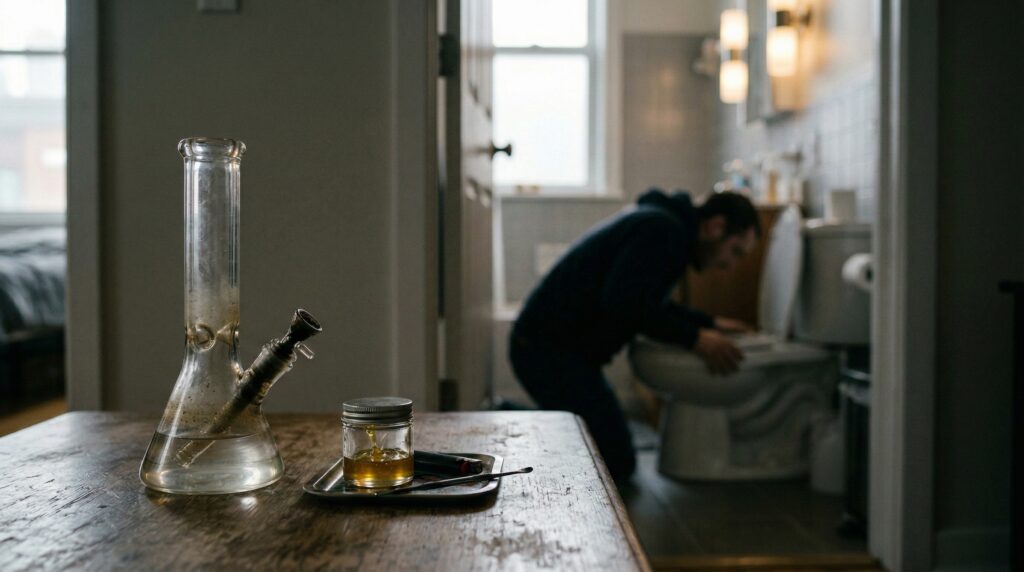
Very high doses of THC can cause various adverse reactions.
These include, among other things:
- Heart palpitations
- dizziness
- Nausea
- Feelings of anxiety or paranoia
- Circulatory problems
The higher the dose and the faster the onset of effects, the more likely it is that unpleasant experiences will occur.
The Origins of the Dabbing Trend
The trend of dabbing originated primarily in the United States.
As legalization progressed, a growing market for cannabis concentrates and extract products developed there.
Social media platforms also contributed to its popularity. Videos featuring large clouds of vapor, eye-catching glassware, and new forms of extracts spread quickly, raising global awareness of dabbing.
In Europe and Germany, this form of consumption has been much less common so far, but it is increasingly being discussed.
Dabbing Equipment and Techniques
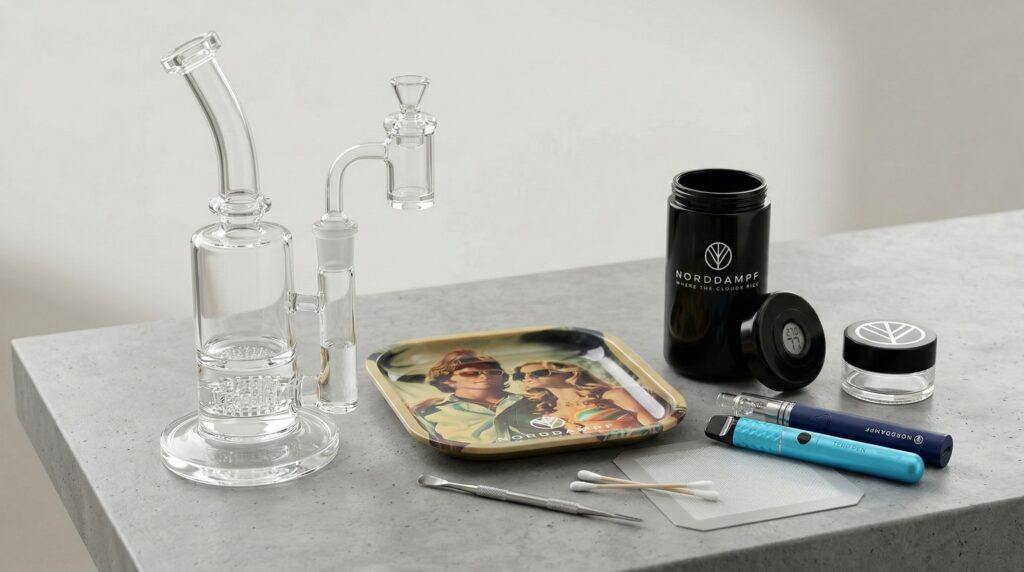
Dabbing involves the use of special devices that heat cannabis extracts to very high temperatures.
These include, among other things:
- Glassware for concentrates
- electronic heating systems
- portable concentrate vaporizers
These devices differ significantly from traditional herbal vaporizers, which were designed specifically for dried plant material.
Examples of such herbal vaporizers include devices like the RELICT HAMMAH , which heat cannabis flowers at controlled temperatures without causing combustion.
Cost factor: How much does this trend cost?
In legal markets, cannabis concentrates can be significantly more expensive than traditional cannabis flowers.
In addition to product costs, there are often additional expenses for:
- Devices
- accessories
- spare parts
Another factor is the potential development of tolerance, which can alter consumption over the long term.
Effects on THC tolerance
Very potent cannabis products can accelerate the development of THC tolerance.
In this process, the body’s endocannabinoid system adapts to frequent and high doses of the active ingredient.
Possible consequences may include:
- less effective for the same amount
- rising consumption levels
- more frequent consumption
Many consumers therefore report that, after prolonged use of highly potent products, regular cannabis flowers can seem significantly less potent.
Risks of dabbing

The main risks associated with the use of highly concentrated cannabis extracts can be divided into several categories.
Mental health risks
Very high levels of THC can trigger intense psychological reactions, especially in people with a history of such issues.
Physical reactions
Possible physical reactions include circulatory problems, nausea, or dizziness.
Quality issues
Unregulated products pose an increased risk due to contaminants or residues.
Technical risks
Some devices operate at very high temperatures, which can pose additional safety risks.
FAQ – Frequently Asked Questions About Dabbing
What is dabbing?
Dabbing is a method of consuming cannabis in which highly concentrated cannabis extracts are heated and the resulting vapor is inhaled.
Why is dabbing stronger than regular cannabis?
Cannabis extracts contain significantly higher concentrations of active ingredients than dried flowers, which can result in a more intense effect.
What types of cannabis extracts are available?
Among the best-known forms are wax, shatter, live resin, budder, and rosin.
Can dabbing increase THC tolerance?
Yes. Because of the high concentration of active ingredients, tolerance can develop more quickly than when consuming flowers.
Conclusion: A trend with increased risk
Dabbing is a method of consumption that involves a particularly high concentration of active ingredients.
Key points at a glance:
- very high THC concentrations
- more intense and faster onset of action
- potential risk of overdose
- faster development of tolerance
- additional quality and safety risks
This method of ingesting active ingredients can be difficult to assess, especially for inexperienced consumers.
Anyone involved with cannabis should therefore educate themselves thoroughly and realistically assess the potential risks.