
Key findings
- Germinating cannabis seeds is a natural biological process that depends on three factors: moisture, temperature, and oxygen.
- Feminized seeds, regular seeds, and autoflowering seeds differ primarily in their later growth stages—the germination phase is virtually identical for all types.
- Seed quality and proper storage have a greater impact on the germination rate than the method chosen.
- This article provides neutral, informative content without specific step-by-step instructions for cultivation.
- Legal requirements vary by region—always check the current legal situation.
Introduction: What does “germinating cannabis seeds” mean?
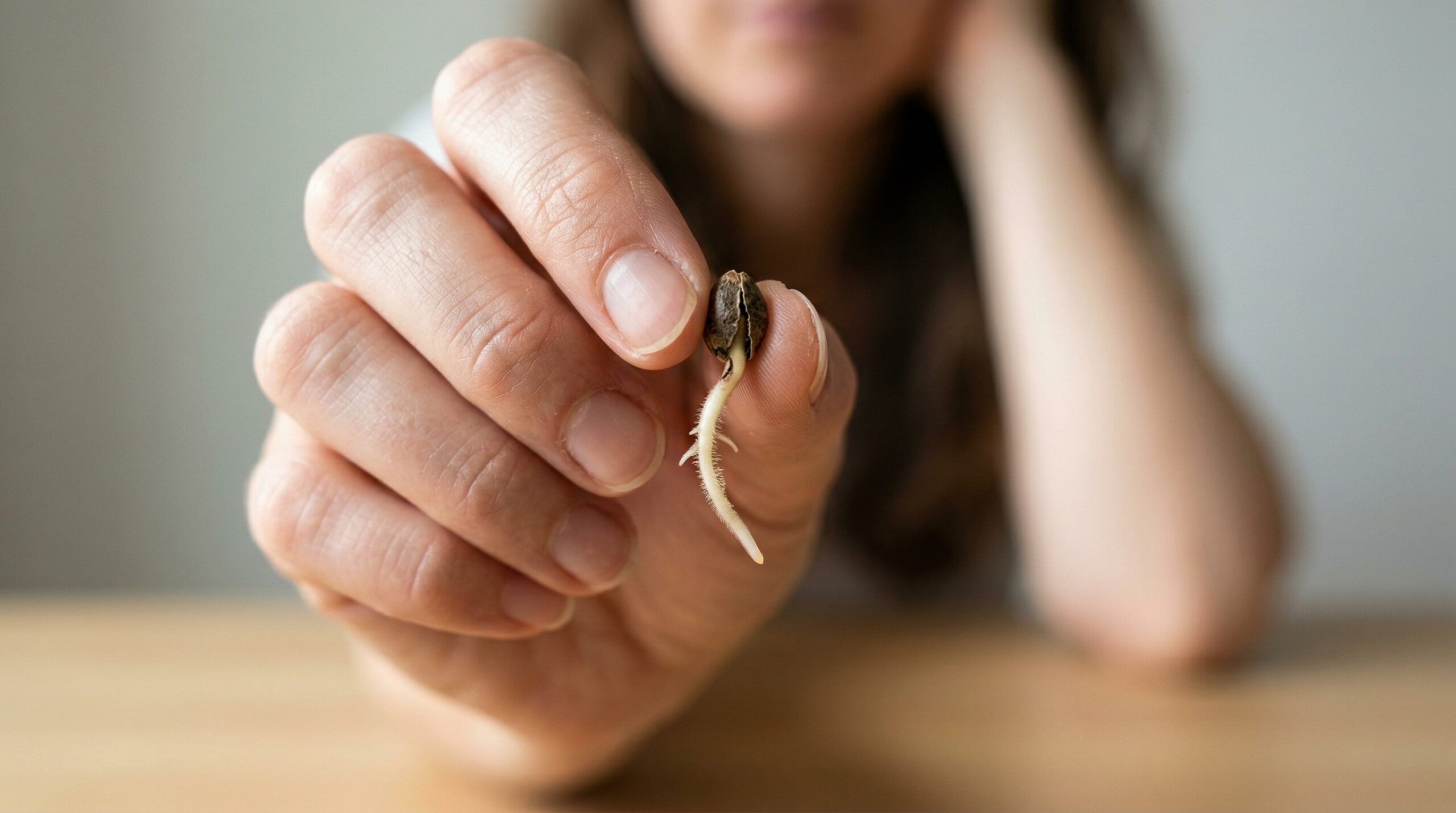
Seed germination refers to the moment when a dormant seed comes to life and a new plant begins to grow. For cannabis seeds, this means that a small, unassuming cannabis seed develops a root, followed by the first cotyledons.
This article focuses on the biological and practical basics of germinating hemp seeds—without providing specific growing instructions. Instead, it aims to help you understand the processes behind successful germination. Cannabis seeds have a wide range of applications, including recreational use, medical purposes, and industrial applications.
As of 2026, legal regulations may change. It is your responsibility to check the current legal situation in your region. The following information is intended for both beginners and more experienced readers who want to improve their germination rates and better assess seed quality. Compared to cuttings, cannabis seeds also offer greater genetic diversity, which is particularly beneficial for growers and natural cultivation.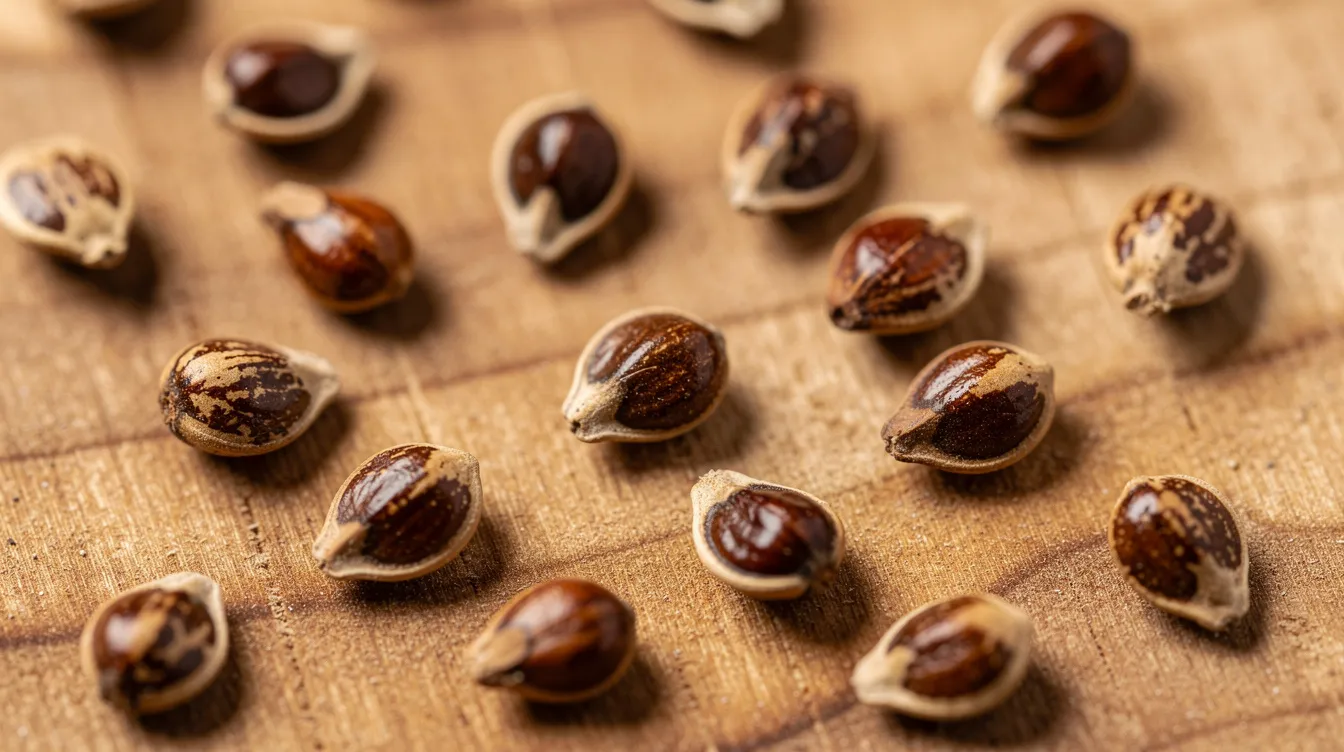

Our Best Sellers
Discover the most popular Norddampf products
What are cannabis seeds, and how does germination work?
Cannabis seeds carry the genetic potential of a hemp plant. Each seed consists of a protective shell (testa), an embryo, and nutrient reserves that fuel early growth.
Here's what happens when cannabis seeds germinate:
- Water absorption (imbibition): The seed absorbs moisture and begins to swell.
- Enzyme activation: Stored nutrients are mobilized to initiate growth.
- Emergence of the radicle: The radicle—the first root—breaks through the seed coat.
- Emergence of the cotyledons: The cotyledons unfurl, followed by the first true leaves with the characteristic cannabis leaf pattern.
After germination, the development of sexual characteristics begins, with environmental factors such as light, temperature, and nutrient supply having a decisive influence on the development and maturation of cannabis plants.
Germination is a critical early stage. What happens during this phase has a significant impact on the plant’s future vitality and potential. If you understand this biological process, you can identify problems early on and make better decisions.
The genetic potential of a cannabis seed is largely determined by its parents, whose genetic traits are passed on to their offspring and play a central role in the development of new strains.
Conditions for germination: moisture, temperature, oxygen
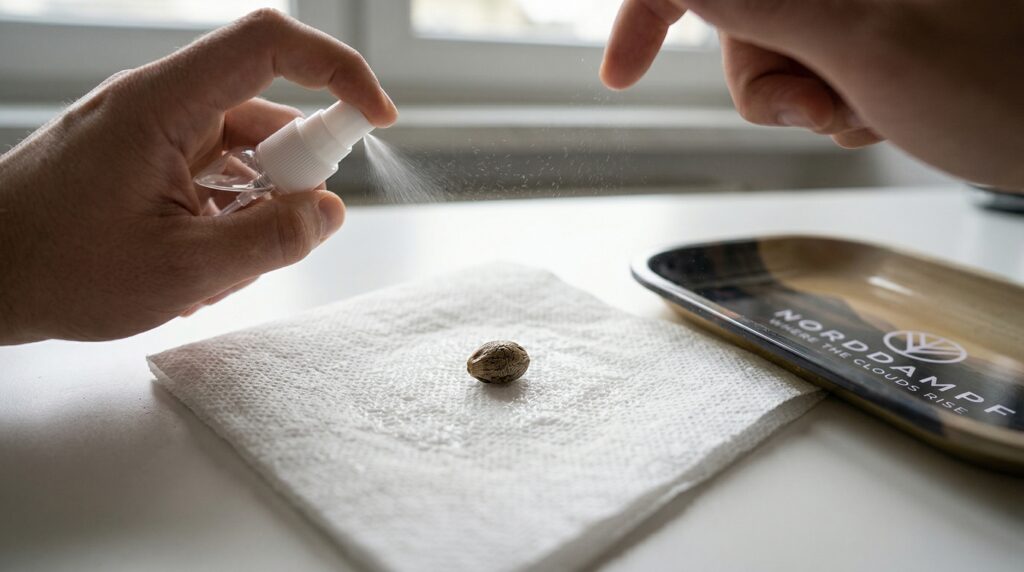
The conditions under which cannabis seeds germinate are more important than the specific method used. Three factors determine success or failure.
The location where germination takes place also has a decisive influence on the plant’s future success.
Moisture
Seeds need consistent, light moisture—but not wetness. The rule of thumb is: moist, not wet. Standing water displaces oxygen and promotes mold growth. Conditions that are too dry interrupt the germination process before it even begins.
Temperature
The optimal range is 20–25 °C. Temperatures below 15 °C significantly slow down enzyme activity. Temperatures above 30 °C can damage the sensitive embryo. Stability is more important than perfect values: significant fluctuations between day and night stress the sperm more than constant temperatures with slight variations.
Oxygen
The embryo breathes. Airtight containers or permanently saturated substrate lead to oxygen deprivation. The result: suffocation or rot.
Light
Light plays a minor role during germination. Most growers keep seeds in the dark or in dim light. Light only becomes important for photosynthesis once the seedling has emerged.
Types of Cannabis Seeds and Their Germination Characteristics
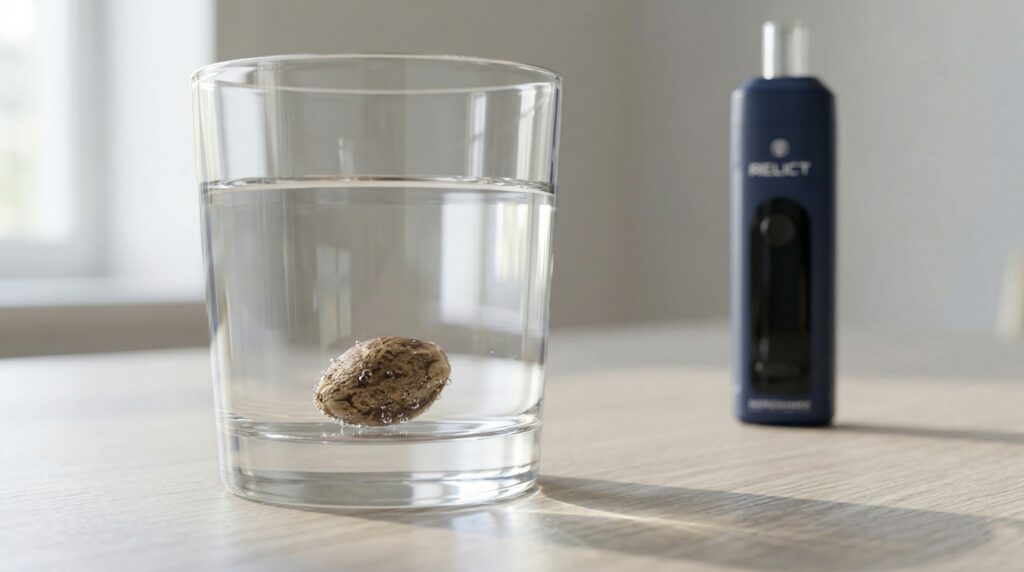
The world of cannabis seeds offers various types of cannabis seeds that differ in their characteristics, uses, and purposes—whether for recreational, medical, or industrial purposes. During the germination phase, they all behave similarly, but the differences between cannabis strains only become apparent later on during growth, flowering, and harvest.
An overview of the most important seed types:
| Type | Description | Germination characteristics |
|---|---|---|
| Regular cannabis seeds | They contain both male and female genes, making them ideal for breeders looking to develop new strains. The probability of a female plant developing is about 50%. Regular seeds now account for only 2–3% of seed sales, but they are valued by breeders who need male plants for crossbreeding. They produce both male and female plants. | Identical to other types |
| Feminized cannabis seeds | Specifically bred to achieve a 99.9% probability of female plants. Selected for almost exclusively female plants. | No special treatment required |
| Autoflowering seeds | Autoflowering seeds bloom regardless of the light cycle, usually 2 to 4 weeks after germination. They are particularly suitable for beginners and outdoor growers who are unable to control light cycles. They bloom regardless of the light cycle. | Germination is the same as for other varieties |
| CBD-dominant strains | High CBD content | Same requirements |
Genetics and the fact that the seeds come from a reputable cannabis seed bank often have a greater impact on germination rates than the seed type itself. Some breeders specifically select lines that germinate particularly well, which results in consistently high germination rates.
The selection and combination of seed types, cultivation methods, and environmental factors are crucial to the success of cannabis cultivation. Outdoor strains offer the ability to adapt cannabis plants to various locations and climates, thereby achieving optimal yields. Cuttings are often used for the rapid and genetically identical propagation of cannabis plants, while seeds offer greater genetic diversity. The flowers of female cannabis plants are crucial for the harvest and the quality of the final product, as they contain the desired cannabinoids. In seed production and breeding, pollination and pollen play a central role in developing new cannabis strains.
Feminized, regular, autoflower – what’s important when germinating?
Feminized seeds have been bred to produce exclusively female plants with a 99.9% probability. This saves time and effort during cultivation, as there is no need to identify and remove male plants. Additionally, feminized seeds yield a higher harvest because all plants produce flowers, and no resources are wasted on male plants. Hobby growers and medical users in particular prefer feminized seeds, as they can obtain high-quality female cannabis plants directly without extensive selection. Feminization is achieved through various methods, such as treatment with colloidal silver or self-pollination of female plants. For germination, this means no special treatment is required. Feminization only takes effect during the flowering phase.
Regular seeds produce both male and female plants—this is the main difference highlighted in a classic comparison of feminized versus regular seeds. During the germination phase, however, they require exactly the same care.
Autoflower seeds (also known as autos or autoflowers) automatically enter the flowering stage about 5–6 weeks after germination, regardless of the light cycle. The total growing time is typically only 10–11 weeks from seed to harvest under 20 hours of light per day. Under optimal conditions, modern autoflower seeds can yield several hundred grams per plant. They are particularly hardy and low-maintenance, making them ideal for beginners in cannabis cultivation. Outdoors, the harvest time is about 100 days, making them suitable even for regions with short summers. Autoflower seeds are also ideal for guerrilla cultivation, as they grow small and discreet. Many autoflowering strains have already won awards at Cannabis Cups, underscoring their quality and reliability.
For beginners: Whether autoflowering, feminized, or regular cannabis seeds – The basic principles remain the same. When purchasing cannabis seeds, customers should look for certified genetics, consistent quality, and good customer service. Choosing a reputable supplier is crucial, as the quality of cannabis seeds can vary significantly and has a major impact on the final result.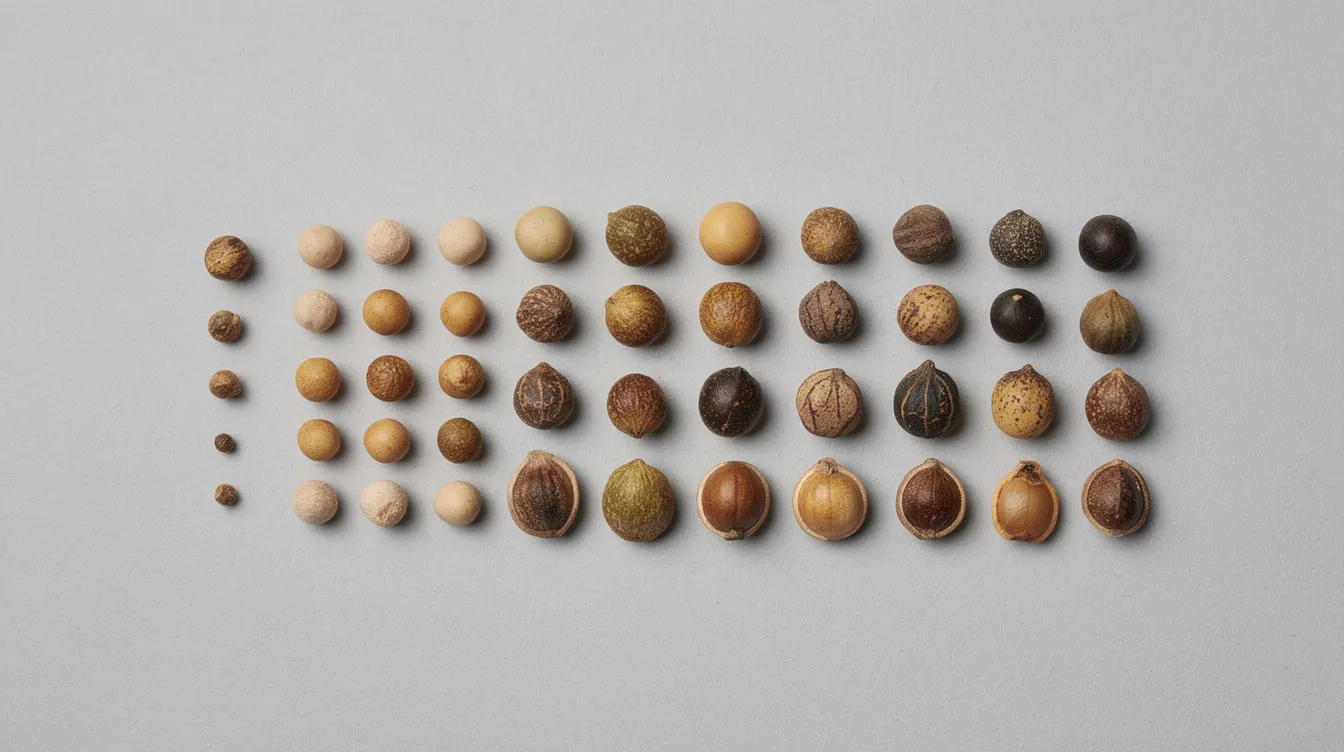
How to Identify Healthy, High-Quality Cannabis Seeds
Seed quality is crucial; when buying cannabis seeds, it’s especially important to pay attention to quality and visual characteristics. Poor-quality cannabis seeds often fail to germinate—even under optimal growing conditions. Pale, green, or white seeds are often immature, have a low germination rate, and should be avoided when purchasing.
Visual characteristics
- Color: Healthy cannabis seeds are usually brown, gray, or marbled (tiger-striped).
- Skin: Smooth, firm, with no visible cracks or damage.
- Warning signs: Very light-colored, green, or discolored seeds indicate that they are unripe or have been stored improperly.
Tactile features
A good seed feels hard to the touch. Soft, easily indented seeds are often unripe or damaged. A simple pressure test with your fingers will give you an initial indication.
Size and shape
Varietal differences are normal. However, extremely small or severely deformed seeds tend to have lower germination rates.
Origin and Storage
Reputable suppliers—whether sperm banks or specialty stores—often specify minimum germination rates and harvest dates. Before use, the product should be stored in a cool, dry, and dark place. This helps maintain its viability for months or even years.
Good customer service at sperm banks often includes additional services such as instructions or free samples, which significantly contribute to customer satisfaction.
An Overview of Common Germination Methods (without detailed instructions)
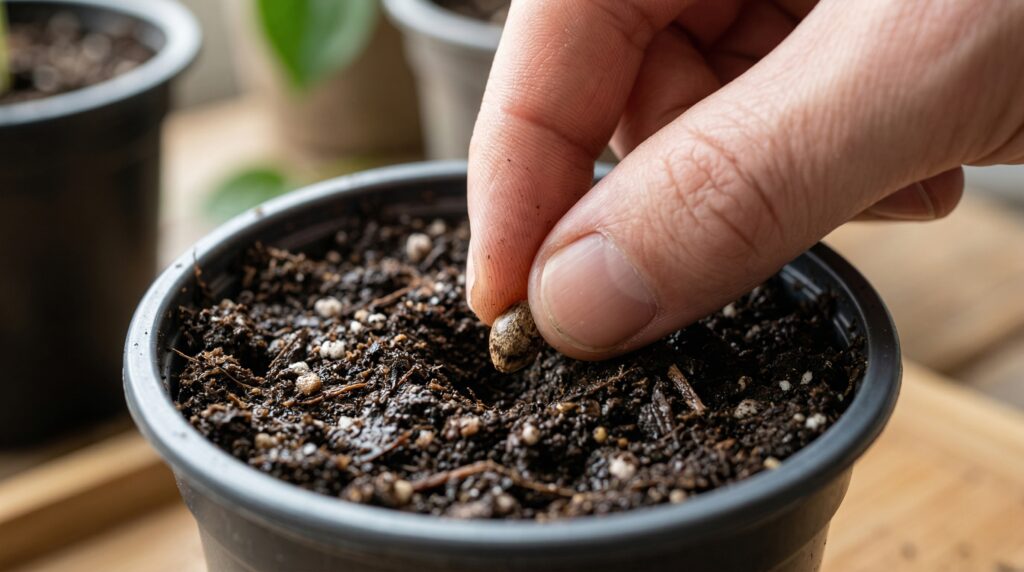
There are several ways to germinate cannabis seeds. They all have the same goal: to keep the seeds safe, moist, and warm.
The choice of method depends on personal preference. As long as the basic rules are followed, all approaches yield comparable results.
An overview of common practices:
- Direct seeding into a growing medium (potting soil)
- Pre-germination in moist medium
- Use of special germination cubes or peat pellets
For all methods, clean equipment, moderate humidity, and protection from drafts and temperature fluctuations are essential.
Legal Notice: Practical application may be legally restricted or prohibited depending on the country or region. The reader assumes all responsibility.
Direct Seeding vs. Pre-germination – Pros and Cons
| Method | benefits | disadvantages |
|---|---|---|
| Direct seeding | Less transplant stress, lower risk of root damage | Dead seeds are not detected until late |
| Pre-germination | Monitoring germination progress, selecting germinated seeds | Requires a delicate touch when implementing |
Both approaches work—choose the method that gives you the most control over the conditions. The choice of germination method should be made on an individual basis and depends on your own preferences and experience. For many beginners, pre-germination offers more control, while experienced growers often sow directly.
General Timeline: How long does it take for hemp seeds to germinate?
There is no exact timeframe that applies to all cannabis strains. However, typical experience shows a clear pattern.
Approximate timeline:
- 24–72 hours: Many fresh cannabis seeds show the first signs of germination during this period.
- 3–7 days: Slower-germinating varieties or older seeds take longer.
- 10–14 days: After this point, a sperm cell is generally considered no longer viable.
Seeds that are very old or have been stored improperly may take significantly longer to germinate—or may not germinate at all. Checking on them too often and constantly disturbing them tends to slow down the process rather than help it.
Once the radicle has emerged, the most delicate phase begins. Gentle handling is now particularly important.
Common Mistakes When Germinating Cannabis Seeds
Many germination problems stem from simple, avoidable mistakes—not from poor genetics. Even during the germination phase, mistakes can negatively impact the subsequent growth and development of the cannabis plant.
Too much water
Constant dampness displaces oxygen, promotes mold growth, and causes seeds to suffocate. The rule of thumb: damp, not wet.
Not enough moisture
If the growing medium dries out, the process stops. Once seedlings have dried out, they rarely recover.
Temperature fluctuations
Cold soil slows down enzyme activity. Significant day-night temperature fluctuations stress the embryo.
Direct light or heat sources
Strong sunlight or heat sources dry out the growing medium and can damage the embryo.
Mechanical damage
Rough handling, crushing, or improper opening can damage the delicate root tips.
Poor hygiene
Contaminated materials, dirty hands, or untreated water promote the growth of mold and bacteria.
Dealing with Seeds That Won't Germinate
Even with proper care, not all cannabis seeds will germinate. A 100% germination rate is rare in practice.
Recommendations:
- Let germination tests run for at least 10–14 days before concluding that a seed is dead.
- Severely deformed, split, or foul-smelling seeds are usually no longer viable.
- A consistently low germination rate despite favorable conditions suggests poor seed quality or improper storage.
Take a critical look at the source, storage conditions, and your own approach, rather than just switching methods.
Tips for Improving Germination Rates (non-instructional, high-level)
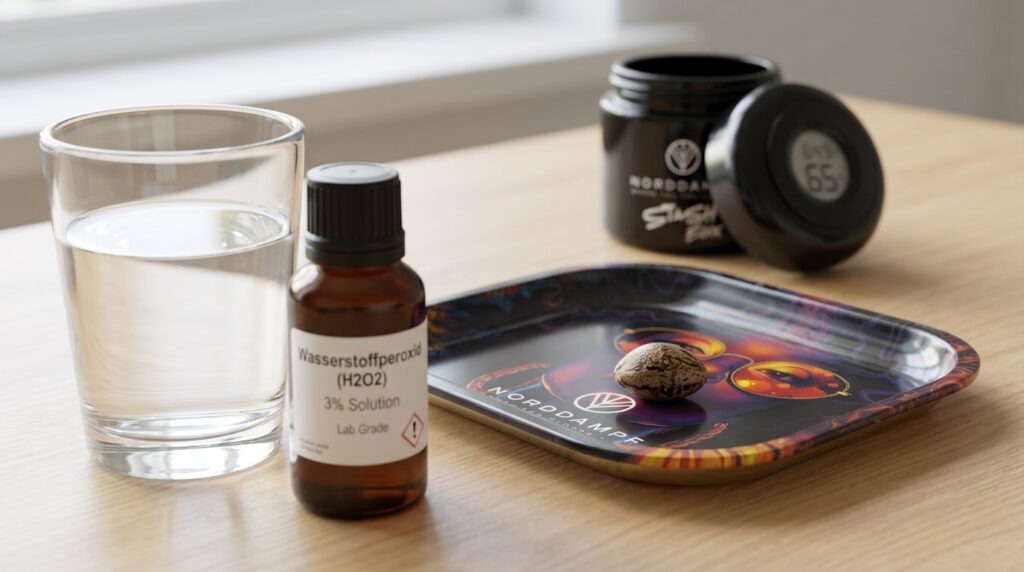
This is about general optimization—not specific practical instructions.
- Seed quality: When purchasing cannabis seeds, customers should look for certified quality and reputable suppliers. Use fresh cannabis seeds from trustworthy sources. Cannabis social clubs, reputable growers, or established seed banks often offer certified seeds with documented germination rates.
- Consistent conditions: A stable, moderate temperature and consistent humidity are more important than short-term improvements.
- Protected environment: Protect seeds from vibrations, direct drafts, and temperature fluctuations.
- Water quality: Some growers prefer clean, relatively soft water and avoid extreme pH levels.
- Documentation: Record the date, conditions, and variety. This way, you’ll learn from your own experience and improve your success rate over time.
The Importance of Careful Handling and the Environment
Germinating hemp seeds and young seedlings are delicate. Even the slightest damage can harm the radicle—which can affect future growth.
Basic principles:
- Work gently and avoid unnecessary moving.
- No pressure, no creases, no rough handling.
- Keep your workspace clean and tidy.
- Keep seedlings away from pets, children, strong drafts, and direct heat.
The best approach: Let the germination process run its course instead of constantly interfering or checking on it.
Conclusion: Understanding the Basics of Germination
From a dry seed to a young seedling—this journey depends on three key factors: moisture, temperature, and oxygen. If you understand these relationships, you’ll make better decisions.
Healthy, properly stored seeds and a gentle growing environment significantly improve the germination rate. The differences between feminized, regular, and autoflowering seeds become apparent mainly later in the life cycle—the germination phase is very similar for all of them.
A solid understanding of germination is essential for the responsible handling of cannabis seeds. The germination of cannabis seeds is crucial for a wide range of applications—from medical and recreational to industrial uses. Be sure to familiarize yourself with the legal situation in your region and act accordingly.
Frequently Asked Questions About Germinating Cannabis Seeds (FAQ)
The following questions supplement the information in the main article. The answers are intentionally general in nature and do not constitute an invitation to engage in illegal activity.
In addition to cannabis seeds, cuttings are also used as an alternative method of propagation. Cuttings produce genetically identical plants, while seeds allow for greater genetic diversity.
How long do cannabis seeds remain viable if stored properly?
Hemp seeds stored properly often remain viable for several years. However, the germination rate decreases over time. Storing them in a cool, dry, and dark place—such as in tightly sealed containers—significantly extends their shelf life. Experience shows that after about 3–5 years, a noticeable decline in germination can be expected, even with high-quality genetics.
Is it possible to test the germination rate of cannabis seeds without growing them all the way through?
There is no way to test germination without actually allowing at least some of the seeds to sprout. Some hobby gardeners germinate only a few seeds from a batch as a test to estimate the approximate germination rate. Visual inspections (appearance, hardness) provide only rough indications. Reputable suppliers often specify minimum germination rates, which reduces the need for individual testing.
Why do some varieties germinate faster than others?
Genetic differences, seed age, and breeding objectives all influence germination speed. Some strains have been specifically selected for vigorous, fast-germinating seeds, while others are optimized for flavor, effects, or yield. Storage and transport conditions (heat, humidity) also play a role. Even within a single variety, individual variations are normal.
Does pH play a role in the germination of cannabis seeds?
Extreme pH levels—very acidic or very alkaline—are unfavorable for germination. A slightly neutral to slightly acidic environment is generally well tolerated. Normal household conditions with clean water are sufficient in many cases. For the germination phase, maintaining stable conditions is usually more important than perfect fine-tuning.
Is it a problem to germinate different varieties at the same time?
It is generally possible to germinate multiple cannabis strains at the same time. It is important to label them clearly to avoid confusion later on. Different genetics may germinate at slightly different rates. The basic conditions (humidity, temperature, oxygen) remain similar for all seed varieties and can be controlled collectively. It is therefore possible to germinate a combination of different cannabis strains at the same time, as long as the conditions are suitable for all strains.