
Reading time: about 5 minutes
Are you interested in CBG and wondering how its effects differ from those of CBD? CBG (cannabigerol) is particularly significant because it serves as a precursor to other cannabinoids like THC and CBD and is gaining increasing relevance in research. In the dynamic world of cannabinoids, CBG is playing an increasingly important role as a standalone phytocannabinoid. This article provides you with a clear overview of CBG’s effects, CBG vs. CBD, and vaping with a CBG vaporizer—presented in an easy-to-understand way for both beginners and experienced users.
Key findings
- CBG (cannabigerol) is a non-psychoactive phytocannabinoid and is considered a precursor; its acidic form, CBGA, is the source of CBD and THC, among other compounds.
- CBG differs from the more well-known CBD in its binding profile to the endocannabinoid system—however, neither produces a psychoactive effect.
- When using a vaporizer to inhale CBG, it is absorbed through the lungs, which allows for a faster onset of effects than with oil or capsules.
- CBG products are considered dietary supplements and should be discussed with a doctor before use for therapeutic purposes.
- In Germany, CBG is generally legal as long as it is derived from EU-certified hemp varieties and the THC content is below 0.2%.
- The selection of CBG products should be tailored to individual needs in order to achieve optimal results.
- This article provides neutral, non-medical information and addresses responsible use as well as the legal framework.
- Quality control through laboratory analysis is essential for CBG products.
What Is CBG? – Basics & Role as a Precursor Cannabinoid
CBG is one of over 100 cannabinoids found in the hemp plant. It is a phytocannabinoid and occurs only in small amounts in most industrial hemp varieties—often less than 1%. CBG (cannabigerol) is the chemical precursor to other cannabinoids such as cannabidiol (CBD) and THC, which are also found in the cannabis plant. CBG concentrations are highest in young cannabis plants, which is why natural extraction is usually performed on these plants. The reason: CBGA (cannabigerolic acid) is produced in young plants and is largely converted enzymatically into other compounds such as THCA and CBDA during the maturation process. Research into CBG and its potential health benefits is gaining increasing scientific relevance.
Since around 2018, breeders have been specifically developing CBG-rich cannabis strains. These are harvested earlier to ensure higher CBG levels of up to 10–20%. CBG itself is not psychoactive. In Europe, its sale is generally legal as long as THC limits are adhered to.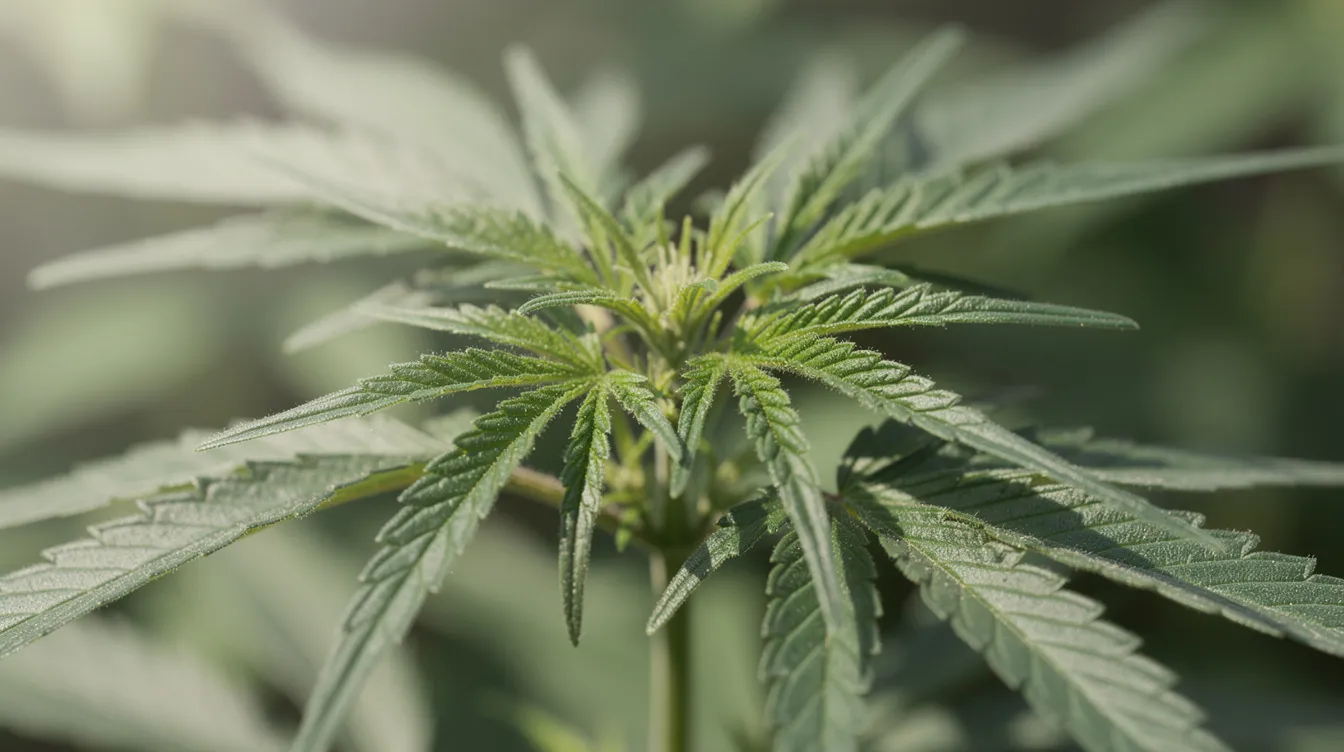
Extraction & Typical CBG Products
CBG is obtained through extraction from CBG-dominant hemp strains. It is then purified using chromatography or distillation. CBG can be extracted from the cannabis plant in its natural form or synthesized in a laboratory. The most common methods for obtaining CBG involve extraction followed by chromatography to isolate and purify the CBG. To produce enough CBG for products such as CBG oil or CBG flowers, special cannabis strains are cultivated that contain particularly high levels of CBGA. You can find various product forms on the market:
| Product form | Description |
|---|---|
| CBG oil | Carrier oil with CBG extract |
| CBG isolate | Pure cannabigerol (CBG) |
| CBG flowers | Dried flowers with a high CBG content |
| E-liquids | Suitable for CBG vaporizers |
| capsules | Oral use |
In the EU, only products made from approved industrial hemp varieties with THC levels below 0.2–0.3% are permitted for sale. Look for lab analyses as a quality indicator.

Our Best Sellers
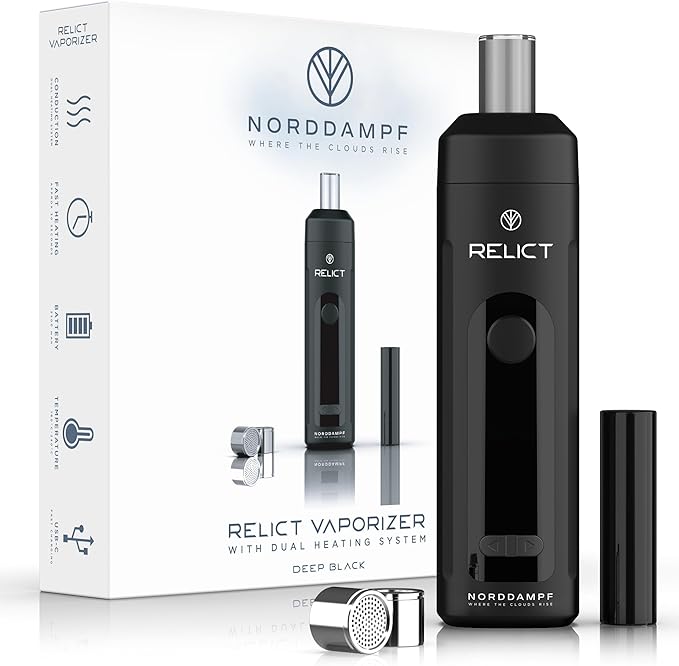
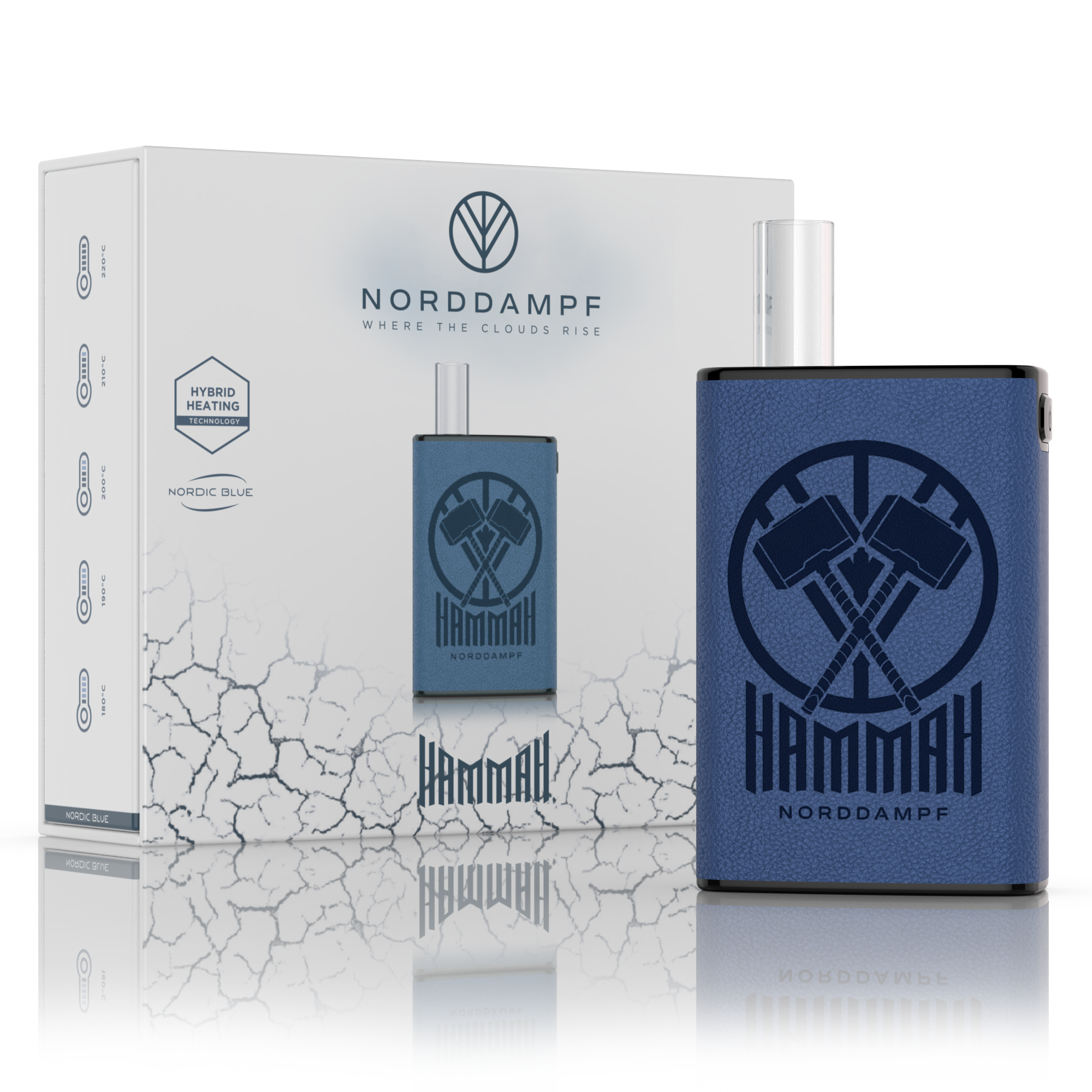
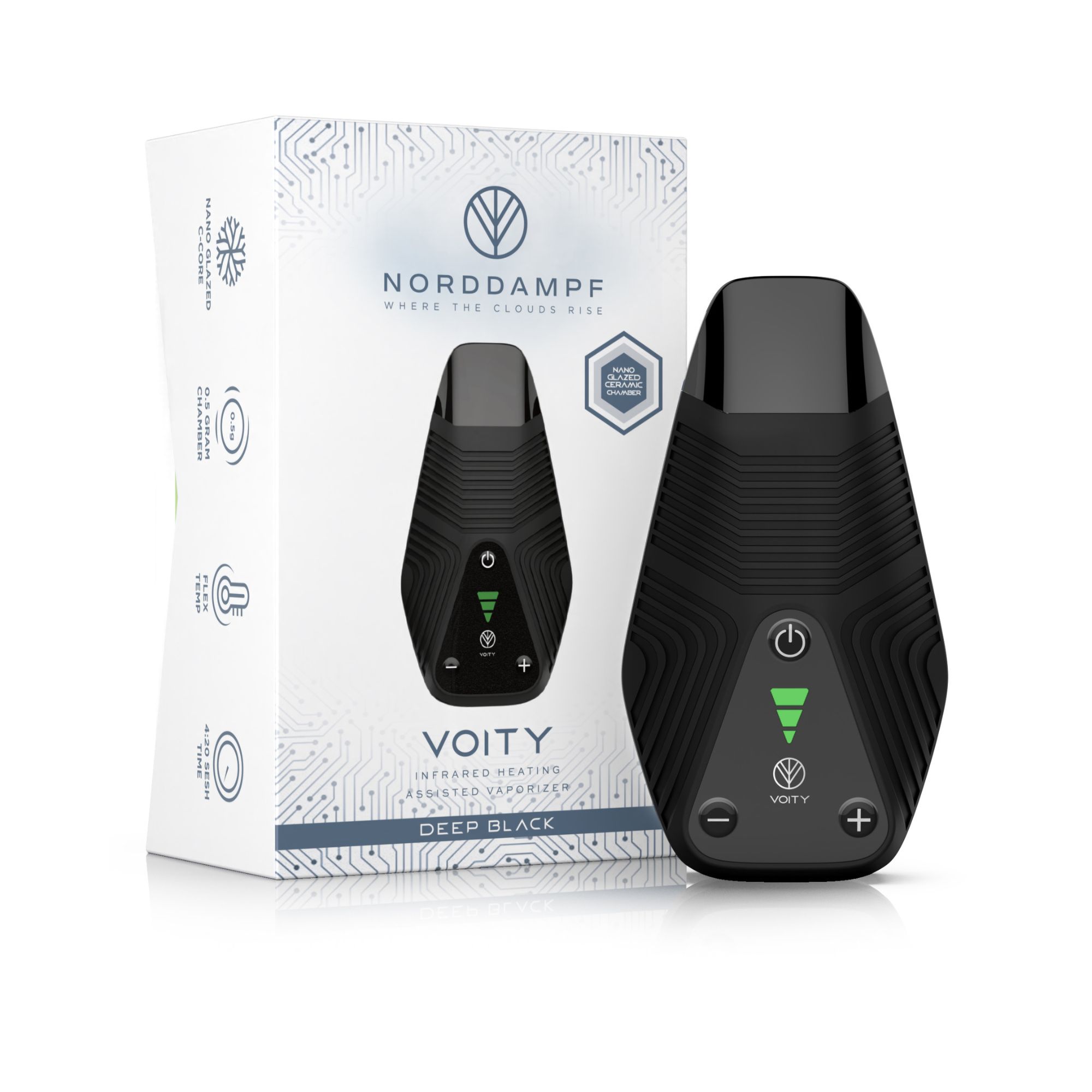
Discover the most popular Norddampf products
How does CBG work? – Interaction with the endocannabinoid system

The endocannabinoid system regulates various functions in the body, such as mood, appetite, sleep, and immune responses. CBG can bind to CB1 and CB2 receptors—though with a different profile than THC. The binding is weaker, which is why CBG does not cause a high. Current scientific understanding emphasizes that CBG is being intensively researched as an active ingredient for various conditions, and a better understanding of its properties and effects for therapeutic applications is emerging.
Research on CBG suggests that this cannabinoid may also interact with other receptor systems—such as serotonin and TRP channels. Most studies conducted up to 2024 are preclinical (cell culture, animal models). No therapeutic conclusions can be drawn from them.
Recent studies suggest that CBG may have anti-inflammatory, antibacterial, and pain-relieving properties. Especially for skin conditions such as acne and psoriasis, CBG may be more effective than CBD due to its stronger anti-inflammatory and antibacterial effects. The anti-inflammatory effect of CBG also plays a central role in the treatment of inflammatory diseases such as arthritis and Crohn’s disease. Furthermore, CBG is increasingly viewed as a potentially helpful component of therapeutic approaches for chronic pain, particularly neuropathic pain. Studies are also investigating whether CBG can lower intraocular pressure, which could be relevant for glaucoma patients. Additionally, CBG is being researched for the treatment of nausea and loss of appetite.
Research areas under discussion include:
- Inflammatory processes
- Nerve Cells and Neuroprotection
- Appetite regulation
- digestive system
General Effects of CBG on the Body (without any claims of healing)
Consumers subjectively report various effects:
- Focus and mental clarity
- A more relaxed physical sensation
- Alignment without sedation
- Increased attention
Preliminary findings suggest that CBG may have a calming effect on the body and mind, making it a promising option for people experiencing stress, anxiety, severe nervousness, or sleep disorders. CBG is often used to address mental stress and may help promote emotional balance.
These experiences vary widely. They depend on dosage, product quality, combination with other cannabinoids, and individual predisposition. The entourage effect—the interaction between CBD, terpenes, and other compounds—can influence the profile of effects.
This article is not a substitute for medical advice. If you have any health-related questions, consult a healthcare professional.
CBG vs. CBD – Similarities and Differences
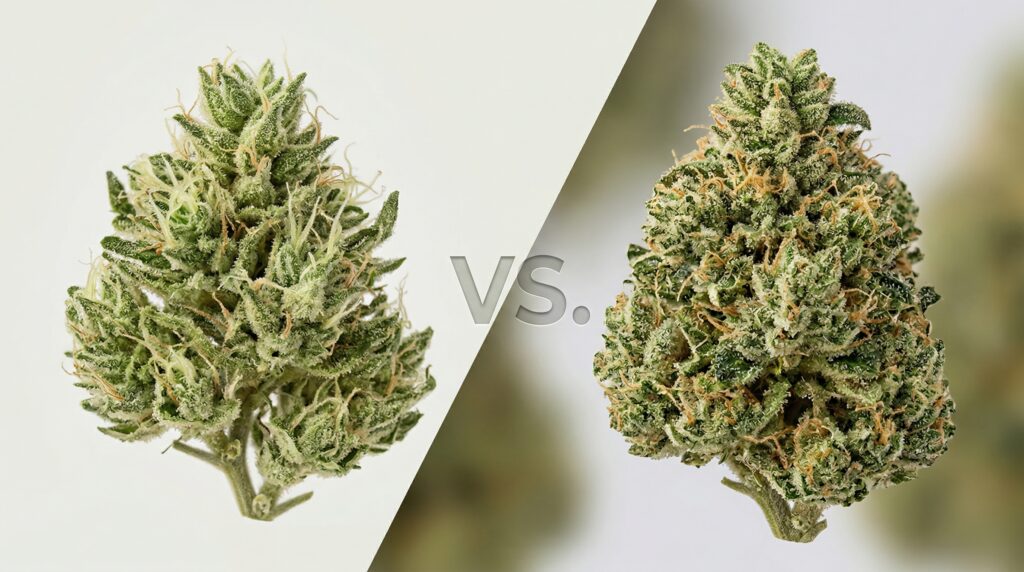
Both cannabinoids are among the best-known non-psychoactive compounds in the cannabis plant. The key difference is that CBG is the precursor from which both THC and CBD are derived. CBG thus serves as the starting material for the formation of THC and CBD, and all three cannabinoids are chemically linked. CBG itself is not psychoactive.
CBD (cannabidiol) is a non-psychoactive compound derived from the hemp plant that is known for its relaxing, pain-relieving, anti-inflammatory, and anxiety-reducing properties. Medically, CBD is used to treat certain forms of epilepsy, among other conditions. In addition, CBD is frequently used to address chronic pain, migraines, inflammation, stress, anxiety, and sleep disorders. It can improve sleep quality and promote overall well-being.
| feature | CBG | CBD |
|---|---|---|
| Role | Precursor cannabinoid | Final product |
| Natural frequency | < 1 % (Standard) | Up to 20% |
| Psychoactive | No | No |
| Typical association | Clarity, Focus | Calm, relaxation |
| State of research | Early | More comprehensive |
In surveys, 68% of CBG users report feeling energized, while 72% of CBD users notice calming effects. These effects are subjective and vary from person to person.
Combination of CBG and CBD – Entourage Effect
The entourage effect describes the interaction between multiple cannabinoids and terpenes. CBG and CBD can complement each other’s effects by targeting different receptors.
Full-spectrum products contain both compounds. Users often perceive this combination as more well-rounded than isolated individual compounds. The exact synergies have not yet been conclusively clarified by science.
When using combination products, it is recommended to start with a low dose. The overall effect may differ from that of pure CBG or CBD products. It is important to choose such combination products based on individual needs in order to achieve optimal results.
CBG Compared to Other Cannabinoids (CBD, THC, etc.)
In addition to CBG and CBD, there are numerous other cannabinoids, each with its own unique properties. Cannabis serves as a natural source of various cannabinoids such as THC, CBD, and CBG, each of which has different effects and potential uses:
CBG vs. THC: THC is psychoactive and alters consciousness. CBG does not produce a high. In Germany, THC is illegal for recreational use, while CBG remains legal as long as THC limits are adhered to.
CBG vs. CBN: Cannabinol is often associated with sedative, calming effects—it is produced by the breakdown of THC.
CBG vs. CBC: CBC is being studied in relation to inflammation-related issues.
The effects of cannabinoids vary depending on the compound. CBG has its own, less common profile within this spectrum. Choose products that suit your goal—whether it’s relaxation or staying focused throughout the day.
Vaping CBG: The Benefits of Vaping Over Smoking
Vaping CBG with a CBG vaporizer is a frequently searched topic. The reason: faster onset of effects, better dosing control, and an alternative to smoking. CBG is available in various forms, such as flowers, oil, or capsules, which can be vaporized or ingested. The form chosen significantly influences the effects and use of CBG, as, for example, flowers and carrier oil offer different absorption pathways and durations of action.
During vaporization, the material is heated only to the vaporization temperature—without combustion. This means:
- No smoke, fewer combustion byproducts
- Less odor
- Precise temperature control
- Potentially gentler on the respiratory tract than smoke
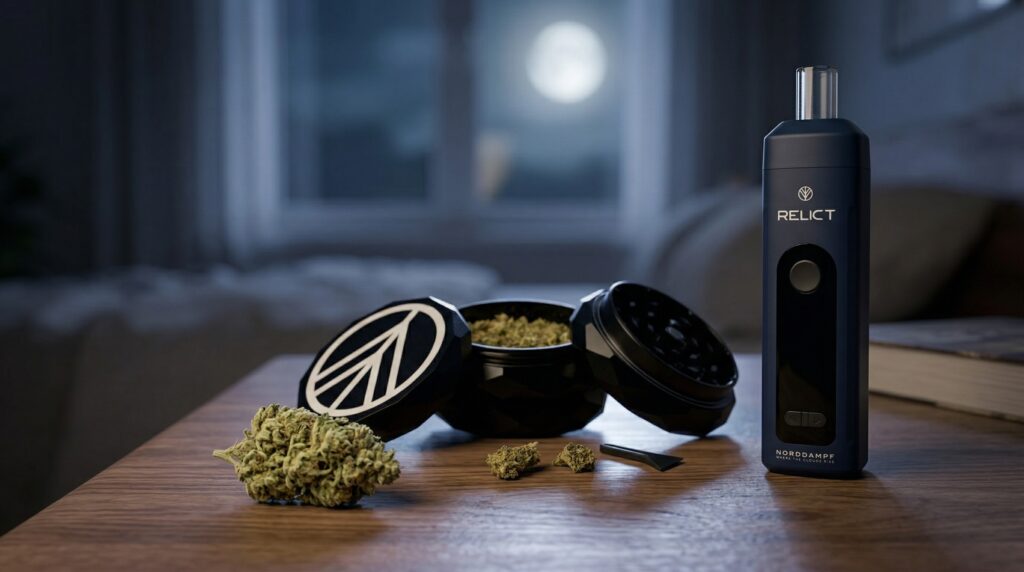
The active ingredient enters the bloodstream more quickly through the lungs than when taken orally. There are various types of vaporizers: conduction and convection devices, as well as e-liquid pens.
Recommended temperature ranges for CBG vaporization
Temperature affects the perceived effects, aroma, and potency. For CBG-containing flowers or extracts, a moderate range is recommended:
| Temperature | perception |
|---|---|
| 160–175 °C | Clearer, more top-heavy |
| 180–200 °C | More form-fitting |
Start at a lower temperature and gradually increase it. This will help you find your ideal setting. Always follow the instructions for your vaporizer.
Vaping vs. Other Methods of Consumption (Oil, Capsules, Edibles)
| Method | onset of effect | Duration | Bioavailability |
|---|---|---|---|
| vaporizer | 1–5 minutes | 1–3 hours | 30–50% |
| Sublingual (oil) | 15-45 minutes | 4–6 hours | 10–35% |
| Oral (capsules) | 30-90 minutes | 4–8 hours | 6–15% |
There is no single best method. The choice depends on personal needs, flexibility, and practicality for everyday use. It is especially important to consider individual needs in order to find the optimal form of intake for your own health and wellness goals. Some people combine different forms.
Legal Aspects of CBG in Germany
CBG (cannabigerol) is gaining momentum in Germany.
The legal situation?
Crystal clear.
CBG products are legal.
CBG oil. CBG flowers. Capsules.
Prerequisite: EU-certified hemp varieties.
THC content below 0.2%.
This applies to CBG (cannabigerol) extract.
Dried flowers.
Available oils.
For you, this means:
Buy it freely. Use it freely.
CBG oil, flowers, and other products – available without restrictions.
As long as they are not marketed as medicinal products.
Medical use?
Strictly regulated in Germany.
Available only through pharmacies.
Custom formulations.
A doctor’s prescription is required.
Standardized CBG medications are not yet widely available.
When buying CBG, focus on quality.
Origin of the hemp plant.
Purity of the cannabinoid.
Current certificates of analysis.
These certifications guarantee you:
THC content within specified limits.
Products free of harmful substances.
Transparency is especially crucial when it comes to CBG flowers and CBG oil.
Stay informed.
The legal framework for cannabinoids and hemp products is changing.
In Germany.
In the EU.
Regular updates ensure your compliance.
Safety, Side Effects & Responsible Use
CBG is generally considered to be well tolerated. When taken in the recommended dosage and subject to comprehensive quality control—such as verification of origin, purity, and certificates of analysis—CBG is generally well tolerated by most people. However, long-term scientific data are limited. Rare side effects include:
- dry mouth
- Fatigue
- Change in appetite
Important information:
- Cannabinoids may interact with medications (liver enzymes). If you are taking medication on a long-term basis, consult your doctor.
- Pregnant women, breastfeeding women, minors, and people with pre-existing medical conditions should consult a doctor before use.
- When using CBG, only use devices and products that have been tested.
- Do not create your own mixtures using unsuitable substances.
Legally, CBG is generally legal in Germany as long as the THC content is below 0.2%. Laws are subject to change—please check the latest information.
The Future of CBG and CBG Products
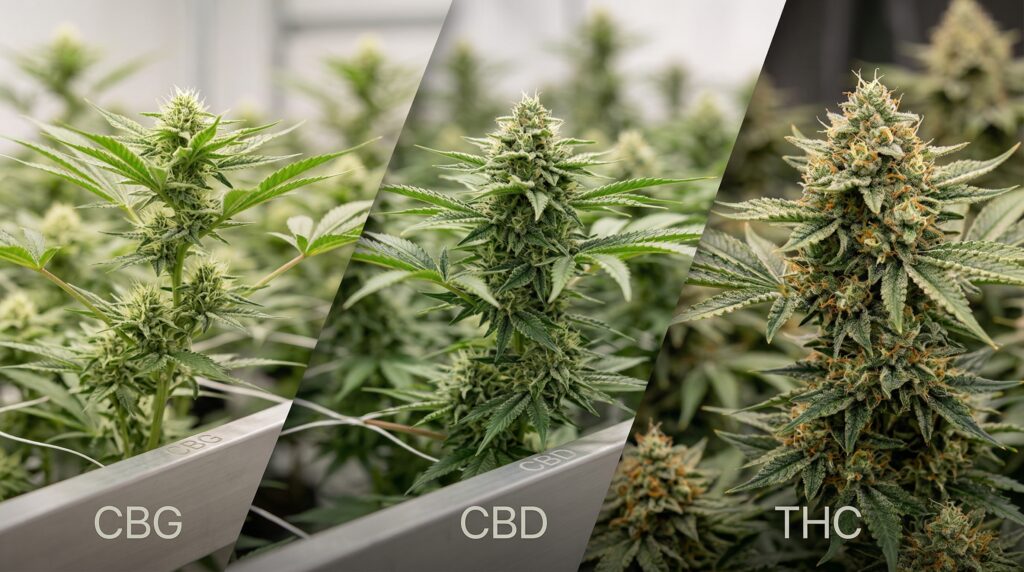
The future of CBG and CBG products is on the verge of a breakthrough.
CBG (cannabigerol) is gaining attention.
Researchers and the community are discovering its unique properties.
CBG oil, CBG flowers, and innovative products show enormous potential.
For you.
For the health and wellness industry.
The range of CBG-containing products is set to explode in the coming years.
New formats are emerging:
Innovative oils.
Precision capsules.
Strategic combinations with CBD.
The entourage effect is being specifically harnessed.
CBG and CBD enhance each other’s effects.
New areas of application are emerging.
Designed for maximum impact.
CBG isn't just fascinating consumers.
Medical researchers are thrilled.
CBG as a key component of the hemp plant.
Its effects on the endocannabinoid system.
Extensive research on its effects and safe use.
You are at the center of this development.
Learn about the correct dosage.
Understand potential side effects.
Be aware of the legal aspects of CBG products.
This is the only way to ensure safe and effective use.
You are not just a consumer.
You are part of the evolution.
The coming years will show how CBG continues to evolve.
Discover the new possibilities it offers for your health and well-being.
CBG.
The future starts now.
Conclusion: CBG Effects, Differences from CBD, and Vaping—A Summary
As a precursor cannabinoid, CBG plays a special role in the cannabinoid spectrum. As a distinct phytocannabinoid, CBG is gaining increasing prominence in scientific research and is shaping the ever-evolving world of cannabinoids. It differs clearly from THC: it is non-intoxicating and has its own unique profile of effects.
A comparison of CBG and CBD shows that both are non-psychoactive. The differences lie in their formation, their abundance in the plant, and subjective perception. CBD is often associated with relaxation, while CBG is more commonly linked to clarity and focus.
Vaping CBG with a CBG vaporizer offers a flexible, fast-acting method of use. Be sure to thoroughly research the product before use, verify its quality through laboratory analyses, and consult a healthcare professional if you have any health concerns.
The aim of this article is to promote understanding of the significance, differences, and effects of CBG and CBD in the world of cannabinoids.
Frequently Asked Questions About CBG Effects & Vaping CBG
Here you'll find answers to practical questions. They are not a substitute for personal advice.
How long does CBG remain detectable in the body after vaporization?
Detectability depends on metabolism, dosage, and body fat percentage. It typically remains detectable in the blood for 1–2 days and in urine for 3–7 days at low levels. Standard drug tests rarely screen for CBG; however, traces of THC in products can be problematic. When undergoing workplace testing, look for THC-free products.
Can I use CBG during the day without getting tired?
Many people associate CBG with clarity or focus. Others report feeling relaxed. Start with a low dose and see how you react. Never put yourself in situations where you feel impaired.
Is CBG better suited for beginners than CBD?
There is no such thing as better or worse—just different profiles. Beginners can start with low-dose full-spectrum products to get a feel for the combination. If you’re unsure, seek expert advice.
Can I vape CBG along with other cannabinoids?
Many products already contain blends of CBG and CBD. The effects may overlap (entourage effect). Start slowly and use only certified products.
What role do terpenes play in the effects of CBG when used in a vaporizer?
Terpenes are the aromatic compounds found in plants and account for 20–30% of the subjective experience. They work synergistically with cannabinoids—for example, pinene is associated with focus, and myrcene with relaxation. Look for products with a natural terpene profile.