
For a brief, rather chaotic window between 2021 and 2024, HHC was everywhere. Vending machines. CBD shops. Petrol stations. Sold, quite openly and brazenly, as the legal THC you could pick up on the way home from work. It almost felt like the damn stuff was growing on trees.
Then, quite abruptly and without the slightest of warning….. Woosh. It was gone.
By early 2026, hexahydrocannabinol, to coin its boffin name, had been effectively closed out of nearly every EU market, either through individual country bans or the UN's Schedule II classification of the substance in December 2025. If you have heard the name and are trying to stitch together the HHC vs THC comparison and whether it's still something you can legally buy, this blog post covers the lot.
Key Findings
- HHC is hexahydrocannabinol, a hydrogenated version of THC.
- Semi-synthetic: nearly all commercial HHC is lab-produced from hemp-derived CBD.
- Effects are similar to THC, anecdotally reported as milder for many users; duration reports are mixed, with some describing longer-lasting effects and others similar to THC.
- Banned or unavailable across nearly all of Europe as of 2026.
- The regulatory case rested on a compressed research base and documented safety incidents.
- HHC can cross-react with standard THC drug tests.
What Is HHC?
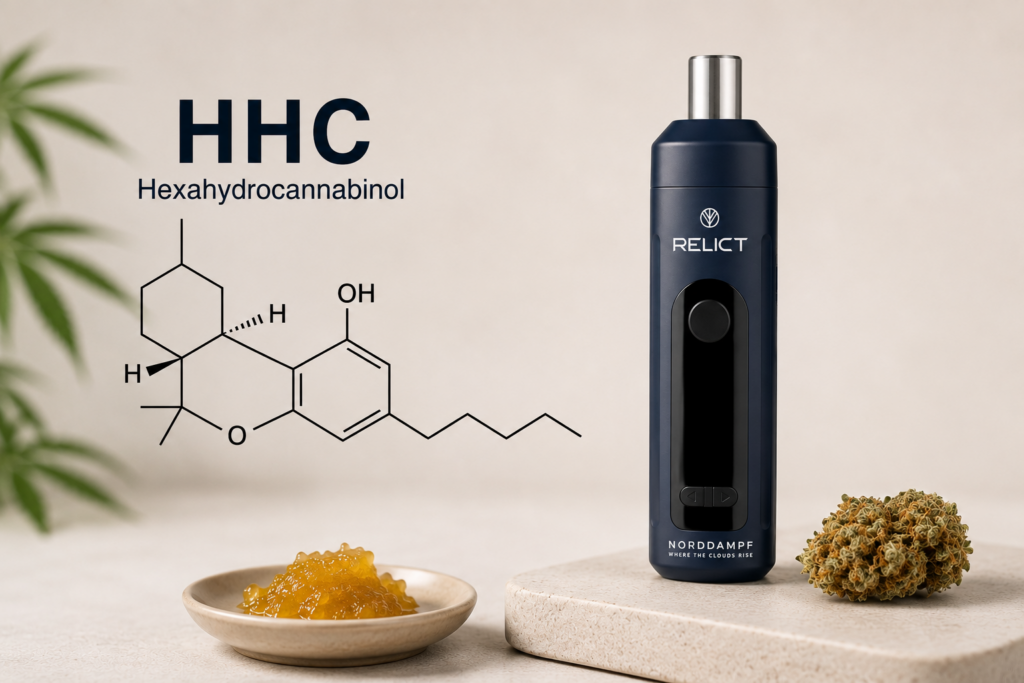
HHC stands for hexahydrocannabinol. Chemically, it's a hydrogenated version of THC, meaning scientists have added hydrogen atoms to the THC molecule to change its structure. The result behaves quite similarly to THC in the body, but with a slightly different binding profile at CB1 receptors and considerably more stability against heat, light, and time.
That's the theory. In practice, HHC has been described everywhere from milder than THC to basically the same thing. What does that tell you? Well, in our view at least, it tells you something about how little rigorous research has been done.
Not Quite Natural
One nuance worth addressing before we explain why, though. HHC does occur naturally in cannabis, in trace amounts, but nearly every gram of commercial HHC ever sold was produced in a lab, typically by chemically converting hemp-derived CBD into THC, then hydrogenating it. This is why HHC is accurately described as semi-synthetic, not a natural cannabinoid.
HHC surged into European markets from 2021 onward as sellers marketed it as a "legal" psychoactive alternative to cannabis. It wasn't yet named on controlled-substance lists, and the shops, having identified the potential to earn more money, jumped on that gap pretty fast.
| ℹ️For a parallel example, our THCP guide covers another novelty cannabinoid that made similar noise before the rules caught up. Maybe just bookmark it, for now, as we still have a fair amount of ground to cover in terms of HHC vs THC. |

Our Best Sellers
Discover the most popular Norddampf products
What is THC?
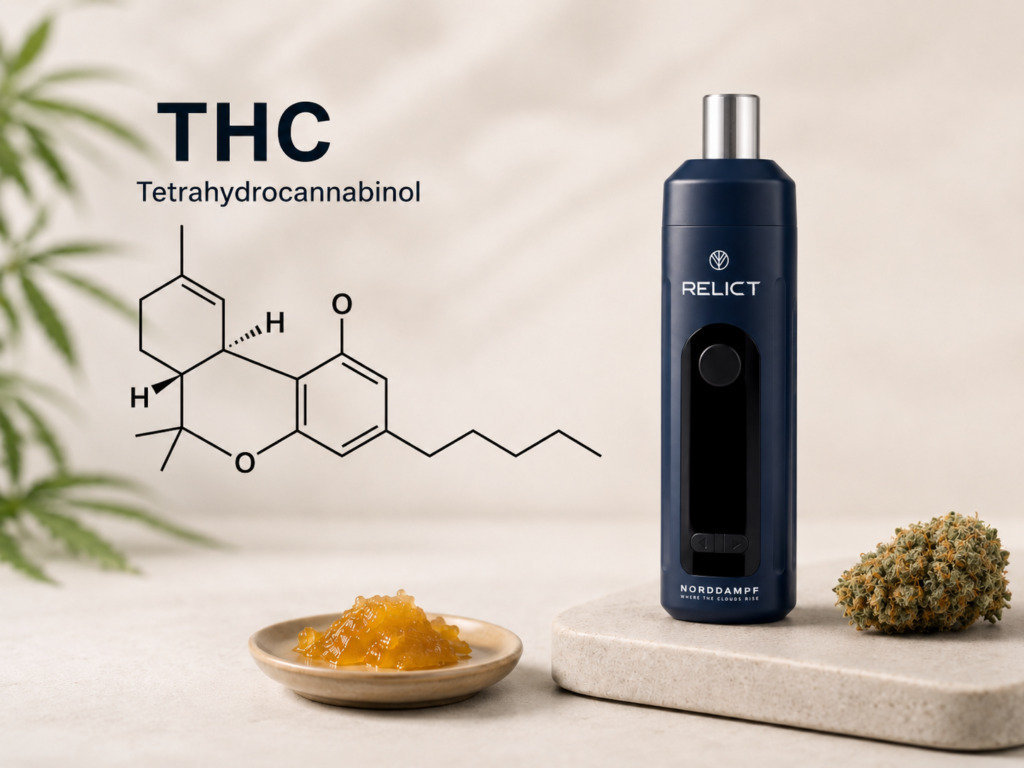
Delta-9-THC is cannabis's primary psychoactive compound. It's produced naturally in cannabis trichomes and binds strongly to the brain's CB1 receptors. That binding is what produces the well-documented cannabis high that has been studied and debated for decades.
There are two important things worth knowing about THC's status. Firstly, it's extensively researched. Where HHC has mere months of data, THC has veritable decades. The dose-response, effect profile, and risks are all very much understood in a way that HHC simply isn't.
Secondly, its legal status varies across the EU. Germany's CanG legislation, effective April 2024, permits adult possession and home cultivation. Other EU states range from strict prohibition to medical-only frameworks. It's safe to say, however, that HHC is pretty much banned across the whole of Europe. Again… pretty much.
HHC vs THC: Key Differences at a Glance
It might be easier to explain the key differences between the two substances using a table. So here it is:
| aspect | THC | HHC |
| Origin | Natural, produced in cannabis trichomes | Semi-synthetic; commercial supply is lab-hydrogenated |
| Structure | Contains a reactive double bond | Double bond saturated with hydrogen (more stable) |
| psychoactive effects | Well-documented, often intense | eported as milder/longer-lasting, evidence limited |
| Research base | Extensive, decades of study | Minimal; few controlled studies |
| Stability | Degrades faster with heat/light/UV | More resistant to degradation |
| Legal status (EU, 2026) | Varies by country; some adult/medical frameworks | Banned or unavailable across nearly all EU |
| Drug test detection | Detected by standard THC tests | Can cross-react with THC test kits |
That "milder/safer" reputation HHC picked up during its heyday was never actually backed by anything coming anywhere even close to solid evidence. The compressed research base wasn't a minor, arbitrary footnote in the regulatory decision to ban it. It was one of the main reasons.
Why Was HHC Banned Across the EU?
The explanation is pretty simple, really. If you sell a psychoactive substance in gummies that look like Haribo, market it aggressively as legal weed, and let it flood every corner shop and vending machine across the continent for two years before anyone stops to check whether it's actually safe, at some point, the regulators are going to sit up and say wait… hang on a moment”.
And that's more or less the story of why HHC was banned. It arrived faster than the rules could keep up with, made a ton of money for a lot of people, and got yanked off the shelves the moment governments caught their breath and realized what was happening.
This is how the rollback unfolded:
- 2021–2023: HHC surges across European markets. Vending machines in Prague. Vape shops in Berlin. Gummies sold openly.
- 2023: Individual country bans start landing. Austria, France, Belgium, Denmark, and the UK all move to prohibit HHC.
- 2024: Germany bans semi-synthetic cannabinoids in June, two months after partially legalizing recreational cannabis. Yes, really. Legal weed, illegal HHC.
- March 2025: The UN Commission on Narcotic Drugs votes almost unanimously to classify HHC as Schedule II. Same schedule as THC.
- December 2025: UN classification takes effect. Most remaining EU markets follow.
- January 2026: The Netherlands closes its market.
| ℹ️One for the Pub Quiz: HHC was first synthesized in 1944 by American chemist Roger Adams, who created it by adding hydrogen atoms to delta-9 THC. |
If you were to ask the regulators why they banned it, they would likely cite three main reasons.
- Limited safety research: The evidence base was compressed, and comprehensive toxicology studies had not yet been conducted.
- Documented poisoning incidents: Reports of poisonings, including several cases involving minors who accidentally consumed HHC-infused edibles that resembled ordinary sweets, raised significant safety concerns.
- Psychoactive effects comparable to THC: Perhaps most importantly, regulators concluded that HHC's psychoactive effects were functionally similar to THC, a substance that is already subject to strict regulation.
So the whole it's basically legal weed argument that sold so well in the shops was, ironically, the exact argument regulators used against it. In essence, as far as they were concerned, there was very little difference when it came to HHC vs THC.
Effects and Risks: What We Actually Know
| THC | HHC | |
| Research history | Decades | Minimal, mostly post-2021 |
| Supply chain | Established, natural | Lab-hydrogenated, variable QC |
| Data on dosing | Well-documented | Largely anecdotal |
Both HHC and THC act on CB1 receptors. Both can produce euphoria, altered perception, dry mouth, increased heart rate, and (at higher doses or in more sensitive users) anxiety or paranoia. So far, so similar.
But the difference isn't in the effect. It's in what we know about it.
Again, THC has decades of research behind it. Dose-response, metabolism, medication interactions, and risks for specific populations are all extremely well documented. HHC has, in comparison… well, almost nothing. What exists is largely anecdotal, and the anecdotal reports from the 2021–2024 boom skewed heavily toward marketing waffle.
There's also the semi-synthetic angle to consider when it comes to HHC vs THC.
HHC production involves chemical hydrogenation using metal catalysts, and if the process isn't tightly controlled and the product isn't lab-tested for residual solvents, quality varies enormously. Naturally derived THC comes with a straightforward supply chain, and honestly, this is the main difference from a safety perspective.
Bottom Line
While HHC and THC are chemically close cousins, their legal trajectories couldn't have diverged more sharply.
THC remains a regulated substance, with some countries operating adult-use or medical frameworks. HHC has moved from a legal gray area to an internationally controlled substance in the space of about three years, largely because its brief commercial popularity far outran the evidence base supporting its safety.
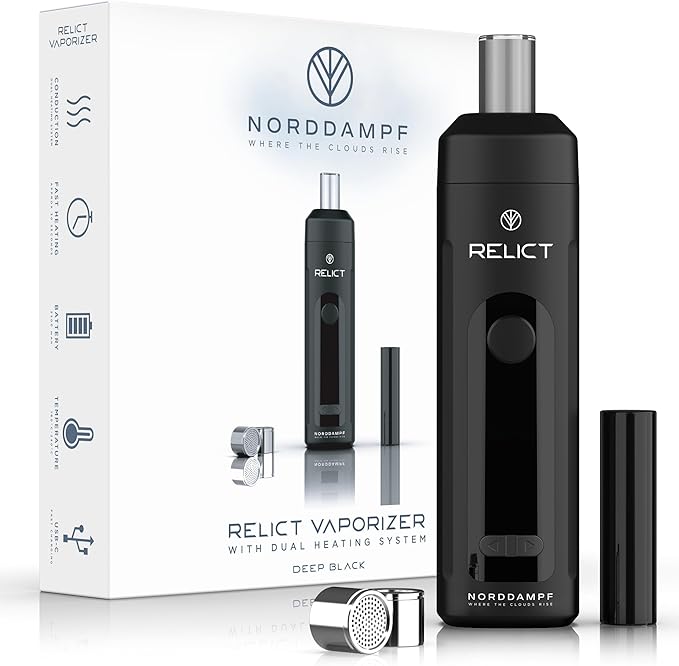
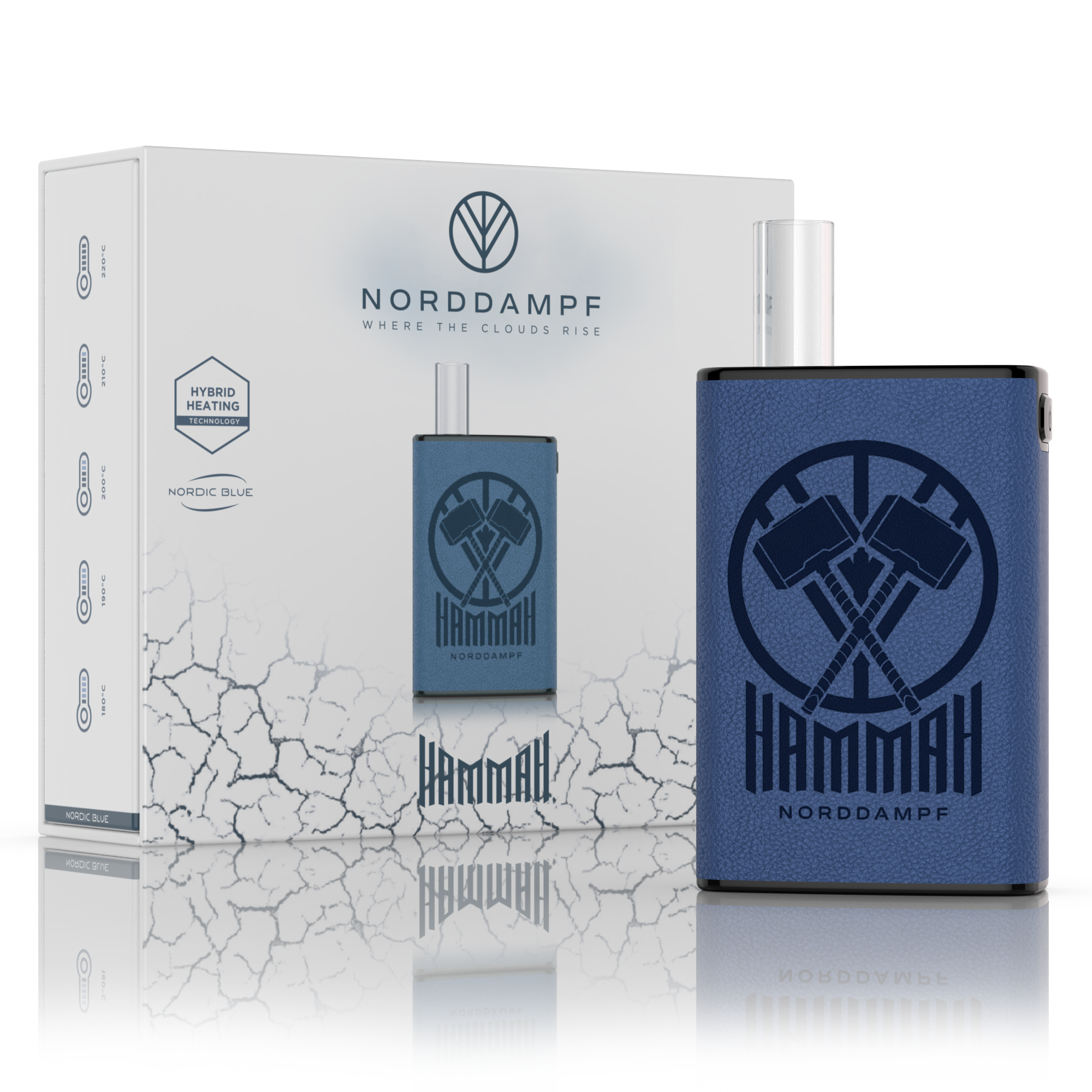
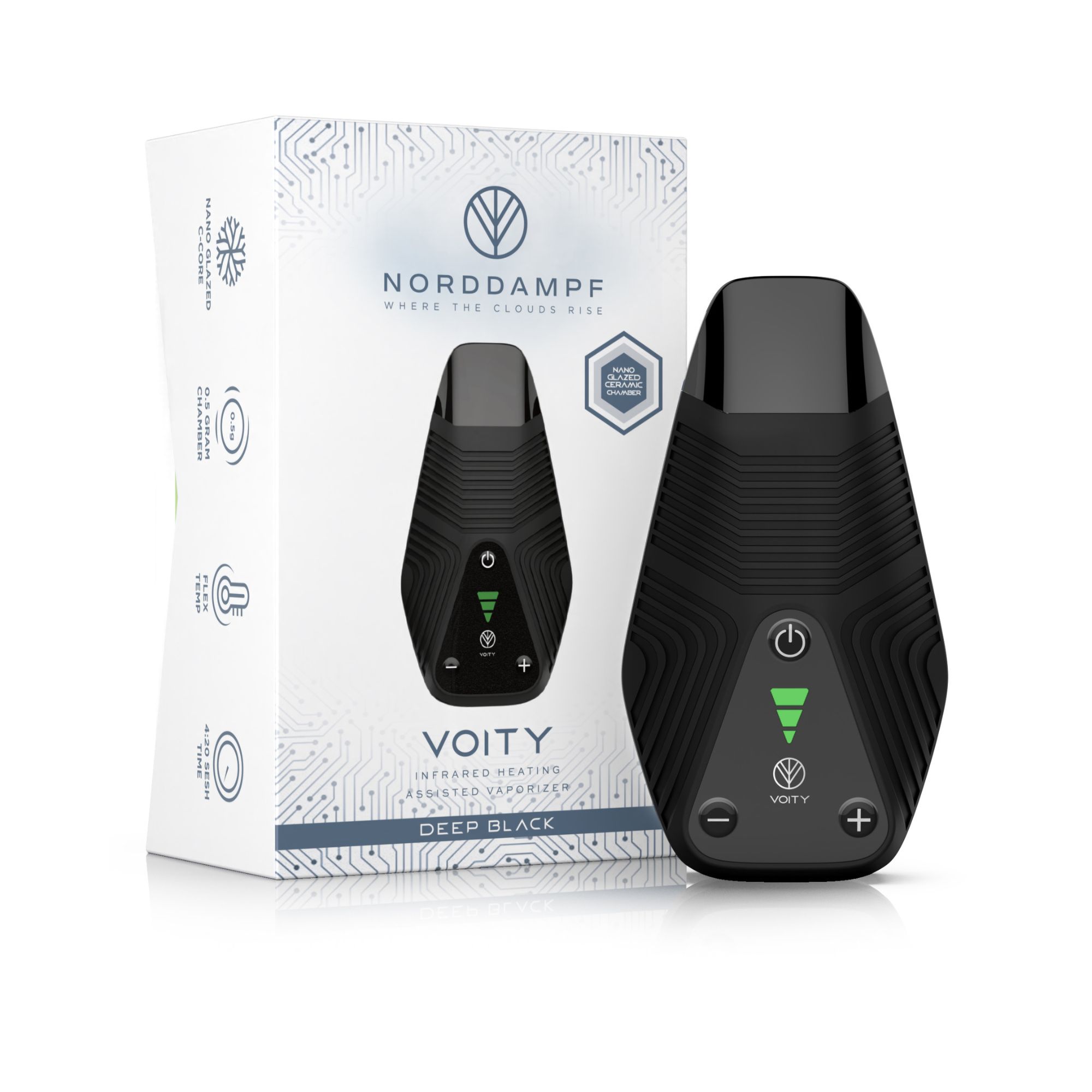
Curious about the science of cannabis and interested in a legal, well-researched alternative? Norddampf cannabis vaporizers are designed and built to make the most of the compound we know and love: THC.
FAQs
What's the Difference Between HHC and THC?
HHC is a hydrogenated version of THC, created by adding hydrogen atoms to the THC molecule. It's semi-synthetic, whereas THC is naturally produced by the cannabis plant. Effects are similar, though HHC is often reported as milder. Research on HHC is much thinner.
Is HHC Stronger or Weaker Than THC?
Anecdotal reports mostly say milder, but the evidence base is genuinely thin. Individual experiences vary, and dosing standards for HHC never became consistent.
Does HHC Show Up on a THC Drug Test?
It can. HHC can cross-react with standard THC testing kits, so the "undetectable" claim that circulated during the HHC boom was never reliable.
Why Was HHC Banned?
Three main reasons: insufficient safety data, documented poisoning incidents (including cases involving minors), and psychoactive effects functionally comparable to THC.
Is HHC Legal Anywhere in Europe in 2026?
Effectively, no. Following the UN Schedule II classification in December 2025 and the Dutch market closure in January 2026, HHC is banned or unavailable through compliant retailers across nearly all EU markets.
Sources
- UN Commission on Narcotic Drugs Schedule II Classification of HHC, Cannabis Business Times.
- Semi-Synthetic Cannabinoid Regulation in Europe 2025, Cannabis Regulations AI.
- European Union Drugs Agency: Report on Synthetic Cannabinoids, Cannabis Health News.
- HHC: A Novel Semi-Synthetic Cannabinoid—An Overview, NCBI/PMC.
- World Health Organization Report on HHC, The Cannabis Industry.
This article is for informational purposes only and does not constitute medical advice. Always consult a qualified healthcare professional before using cannabis products for health-related purposes.