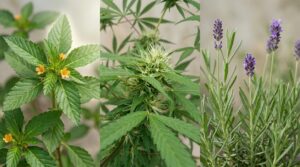


Kanna is a fascinating plant with a history dating back centuries. Various indigenous tribes have traditionally used kanna for medicinal, spiritual, and social purposes. From the indigenous peoples of South Africa to modern vaporizer enthusiasts—this succulent plant attracts people interested in natural botanicals. In this article, you’ll learn everything you need to know about the effects of kanna and how vaporizing it differs from traditional methods. Kanna is known by various names across different languages and cultures.
Key findings
Kanna (Sceletium tortuosum) is native to the arid regions of South Africa and has been used for centuries by the Khoikhoi and San peoples. The plant contains alkaloids such as mesembrine, which are associated with mood-enhancing and relaxing properties.
- Kanna is not approved in the EU as a food or dietary supplement—it is shipped as a collectible or incense
- The effect is explained by an SSRI-like interaction with serotonin
- Traditional methods of consumption include chewing, tea, and snuff —modern use involves a vaporizer
- Recommended temperature range for vaporizing: 160–190 °C
- Vaping is considered a gentler alternative that offers better flavor and fewer irritants
What is Kanna (Sceletium tortuosum)?
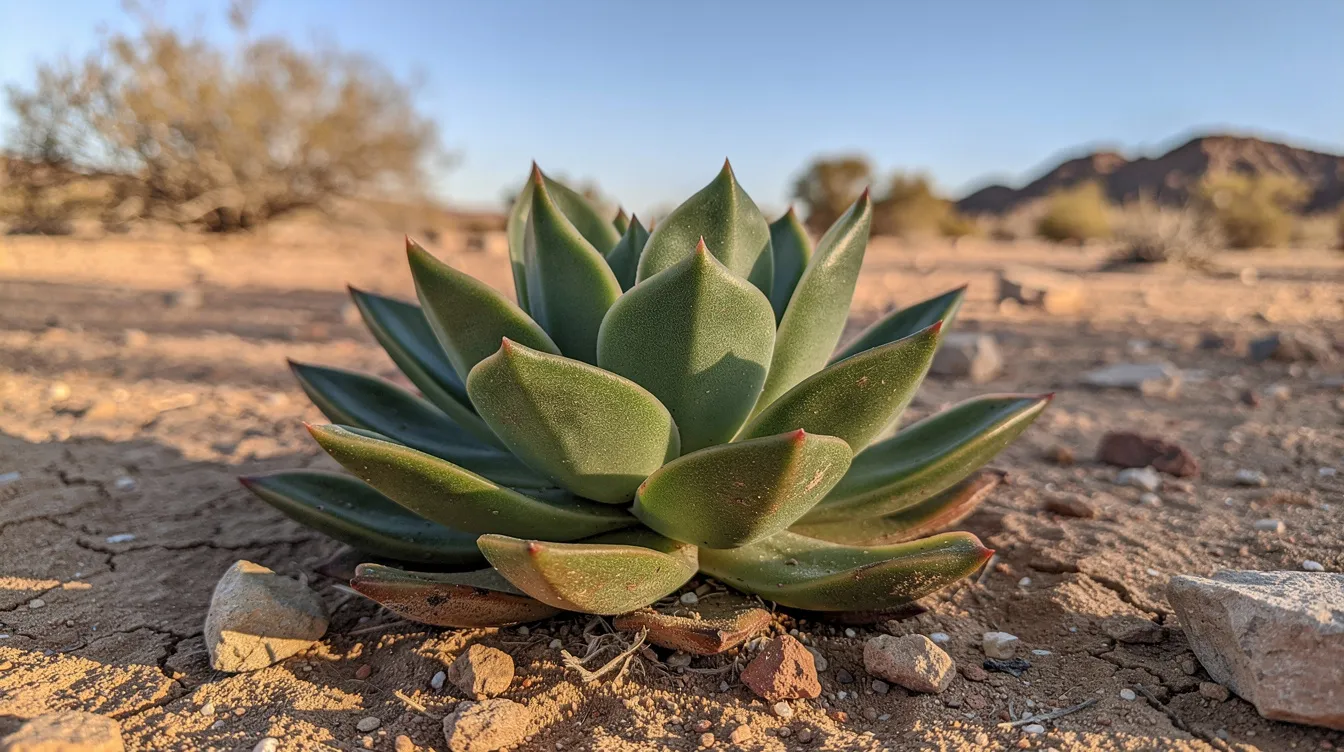
Kanna Sceletium tortuosum belongs to the family Aizoaceae (purslane family) within the order Caryophyllales. This genus comprises succulent plants that are native to the arid regions of the Western Cape and Northern Cape in South Africa.
The Kanna plant is characterized by the following features:
| feature | Description |
|---|---|
| Height | 20–30 cm, creeping |
| Leaves | Meaty, green |
| blossoms | Star-shaped, white to yellowish |
| Prime | Spring through summer |
| Active ingredients | Mesembrin, mesembrenone, mesembrenol, mesembrenin |
The active alkaloids are primarily concentrated in the kanna leaves and stems. Traditionally, kanna leaves are dried and chewed, with both their taste and cultural significance playing an important role for indigenous communities. In addition to the leaves, various indigenous tribes also use other parts of the plant, such as roots or bark, for medicinal, spiritual, and social purposes. In Europe, kanna is typically sold as incense or a botanical product on the websites of various vendors—without any claims regarding consumption or medicinal benefits.
Origin and traditional uses in South Africa
The history of kanna dates back centuries. The indigenous Khoikhoi and San peoples used the plant under various names, such as “channa” or “kougoed.” Traditional use involved fermenting and drying the leaves, followed by chewing, smoking, or snorting them as snuff.
People on long marches used the herb to alleviate fatigue, hunger, and stress. The effects described included mood-lifting, anxiety-relieving, and socially opening properties—without any hallucinogenic effects. Users reported increased well-being and inner peace.

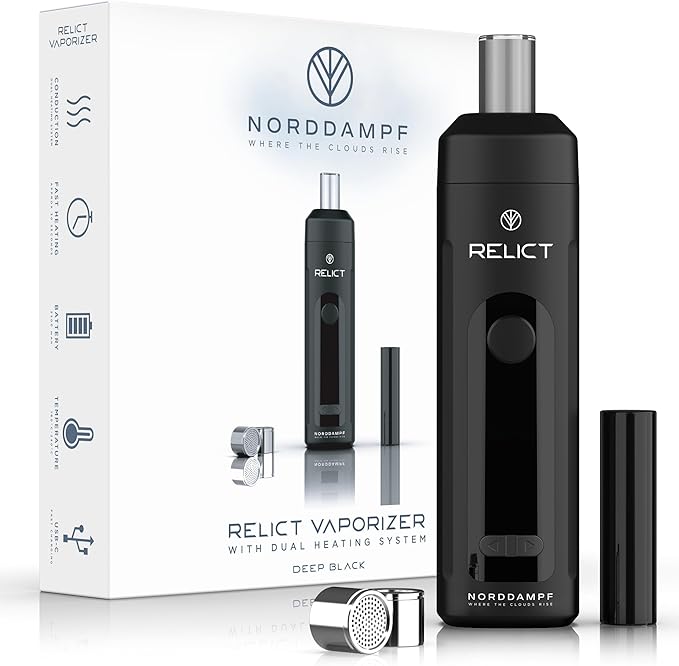
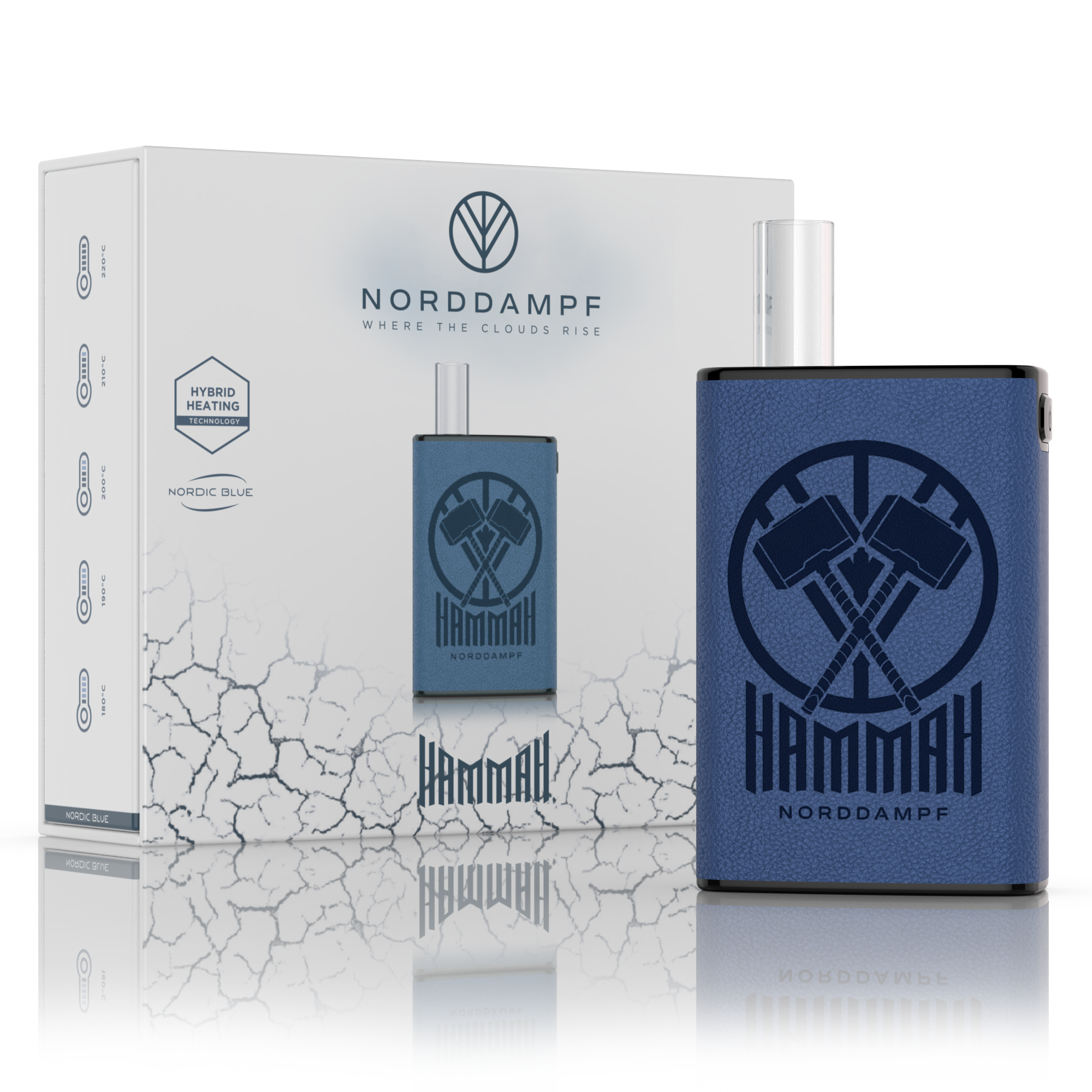
Our Best Sellers
Discover the most popular Norddampf products

How does kanna work? (An easy-to-understand explanation of kanna's effects)

Users describe the effects of Kanna in a variety of ways. Many report feeling relaxed, in a positive mood, and less anxious. This sense of well-being often manifests as a gentle sense of calm—without the sedative effects typical of pharmaceutical products.
Commonly reported experiences:
- Improved mood and emotional balance
- Social openness – conversations come more easily
- Improved concentration and mental clarity at low doses
- Reduced tendency to overthink and inner peace
- At higher doses: euphoria and increased relaxation
The onset of effects varies depending on the form. When vaporized or taken sublingually, the effects set in more quickly than with kanna tea or capsules.
How Kanna interacts in the body (simplified)
The primary mechanism of action of Sceletium is described as similar to that of an SSRI. Alkaloids such as mesembrine inhibit the reuptake of serotonin, causing more of it to remain in the synaptic cleft. This is associated with mood regulation and stress resistance.
In addition, studies suggest possible interactions with dopamine and phosphodiesterase systems. Research in this area continues to evolve—a 2013 review confirmed its anxiety-reducing and stress-buffering properties without serious side effects.
Important safety note: Interactions with serotonergic medications (SSRIs, MAO inhibitors) may increase the risk of serotonin syndrome. Be sure to consult a doctor before combining this product with any medications.
Possible sensations and side effects
In addition to positive effects, undesirable side effects may also occur:
- Fatigue and drowsiness
- Headache or pressure in the head
- Nausea and gastrointestinal symptoms
- Restlessness in sensitive individuals
Sensitivity varies greatly. Factors such as body weight, daily condition, dosage, and individual biochemistry all play a role. Kanna is not a substitute for professional treatment of mental health conditions.
Traditional methods of consumption vs. Kanna in a vaporizer
The method of use significantly affects the taste, intensity, and duration of the experience.
| Method | Admission | Characteristics |
|---|---|---|
| Chewing | Slowly | Ritualistic in nature, subtle |
| Kanna Tea | 20–40 min | Gentle, long-lasting |
| Snuff | Quickly | Intense, charming |
| Tobacco blends | Quickly | Harmful if burned |
| vaporizer | Very quickly | Controlled, pure, delicate flavor |
Modern vaporization with the Kanna Vaporizer offers more precise dosing and a more intense flavor than traditional methods.

Advantages of vaping over smoking
Vaporizing herbs with a vaporizer is considered a gentler alternative to smoking. The plant is heated to a controlled temperature of 160–190 °C—below the combustion temperature of about 230 °C.
Benefits at a glance:
- Fewer irritants (no tar, no carbon monoxide)
- Gentler steam – less throat irritation
- A clearer, purer taste
- Greater efficiency through targeted release
- Discretion – The smell fades faster
Uses of Kanna Extract: Possibilities & Unique Features
Kanna extract from South Africa.
Sceletium tortuosum.
Highly concentrated.
Extracted from the authentic Kanna plant.
Aizoaceae family.
Gentle extraction.
The result?
Maximum alkaloid concentration.
Mesembrine and mesembrenine.
In their purest form.
You get more than just dried leaves.
You get precise active ingredient performance.
Easy to dose.
Versatile.
Customizable.
Drops, powder, capsules.
You decide.
You incorporate it into your daily routine.
Whether in tea.
In capsules.
Or in modern wellness treatments.
Kanna extract adapts to you.
Not the other way around.
High active ingredient concentration means:
Small amounts.
Big results.
Maximum efficiency.
Do you value targeted use?
Are you looking for efficiency?
Then this is the extract for you.
South African heritage preserved.
Traditional healing properties.
Modern applications.
Ethnobotanical authenticity.
Designed just for you.
Kanna extract stands out.
Clearly.
From other herbal supplements.
Are you looking for natural support?
Emotional balance?
Overall well-being?
A long history.
A modern application.
For you.
Kanna in a Vaporizer: Temperature, Taste, and Experience
When you vaporize kanna in a dry herb vaporizer, you experience the plant in a modern, controllable way. The choice of device and the temperature setting have a significant impact on the result.
Recommended temperature range for Kanna
| Temperature | effect | Taste |
|---|---|---|
| 160–170 °C | Mild, clear, focused | Delicate, aromatic |
| 175–185 °C | Balanced (“Sweet Spot”) | Earthy, pleasant |
| 185–190 °C | More intense, more powerful | Harsh, bitter |
These values are based on user reports from vaporizer communities—they are not binding recommendations. Experiment with caution and listen to your body.
How vaporization affects flavor and intensity
The flavor when vaporized is often described as earthy, herbaceous, and slightly bitter. Lower temperatures bring out subtle flavors, while higher temperatures intensify the flavor. Compared to tea or powder in capsules, the effects kick in faster but may also wear off sooner. Be sure to drink plenty of water during the session.
General Tips for Vaping Herbs (Neutral & Safe)

- Choosing a device: Use high-quality herbal vaporizers
- Preparation: Chop the herbs coarsely, not into a fine powder
- Storage: Store in light-resistant, airtight glass containers at room temperature
- Cleaning: Clean the chamber and mouthpiece regularly
- Session: Slow movements, paying attention to your body's signals
Who might be interested in Kanna?
Kanna might be relevant for:
- Those interested in ethnobotany and culture enthusiasts
- Vaporizer enthusiasts who want to explore legal herbs
- People looking for smoke-free alternatives
- People interested in mood-boosting plants
Pregnant women, breastfeeding women, minors, and individuals taking medication should consult a doctor.
Security, Responsibility, and Legal Framework
This article is intended solely for educational purposes. Kanna is not a controlled substance in the EU, but it is not approved as a food product. The price of kanna extract or powder varies—look for reputable suppliers like Vitasanum that offer transparent shipping.
Principles of Safer Use:
- Do not combine with alcohol or psychoactive substances
- Do not drive under the influence
- Start with small amounts
- Review national laws
Conclusion: An Overview of Kanna's Effects and Vaping
Kanna combines traditional knowledge with modern technology. The effects of Sceletium tortuosum are described as mood-enhancing and relaxing—ideal for people who want to explore this topic responsibly.
Vaping offers a controlled way to experience this plant. Respect its origins, do your research thoroughly, and seek expert advice if in doubt.
Frequently Asked Questions (FAQ) About Kanna & Vaporizers
Is kanna legal in Germany and the EU?
Kanna is not classified as a controlled substance in many EU countries. However, it is not approved as a food product. It is typically sold as a collectible or incense. Always check the current legal status in your country, as regulations may change. Reputable sellers will indicate these restrictions in their product listings.
Does the effect of Kanna vary significantly depending on how it is taken?
Yes, the method of use affects the experience. Vaping takes effect more quickly and directly, while Kanna tea or capsules have a slower and more subtle onset. The experience also depends on individual factors—body chemistry, expectations, and the setting all play a significant role.
Can you combine kanna with other herbs in a vaporizer?
As a general rule, caution is advised. Each plant species contains its own active compounds and may have its own side effects. Combining them makes the effects harder to predict. Do thorough research on each individual herb, and if in doubt, avoid blends—especially when aiming for the best results, purity is often advantageous.
What is the best way to store kanna and other herbs for a vaporizer?
Store herbs in light-proof, airtight jars at room temperature. Humidity and direct sunlight can affect their quality and flavor. Keep them out of the reach of children and pets. Proper storage helps preserve their properties.
Is Kanna suitable for beginners to the world of vaporizers?
Kanna is considered a mind-altering plant and should be treated with respect. Beginners should first familiarize themselves with the basics of vaporizers, temperature control, and safe-use guidelines. Individuals with mental health issues or who are taking medication should consult with a healthcare professional before use.