

At first glance, the idea sounds tempting: instead of cigarettes, you use CBD and a vaporizer, finding a new way to gradually kick your addiction. Many people who google help with quitting smoking want an alternative to nicotine replacement and strong medication, while also finding a better way to cope with stress, pressure, and withdrawal symptoms.
CBD can support you during this phase because it can calm inner restlessness and reduce the craving for the next cigarette. A vaporizer can partially replace the old ritual, without tobacco and without nicotine. In the long term, your wallet will also benefit, because regular cigarettes are simply more expensive than a well-planned smoking cessation program with a clear structure.
Nevertheless, one important truth remains: quitting smoking is always an active step on your part. CBD and vaporizers can make the journey a little smoother, but they don't take the decision out of your hands.

Why is it so difficult to truly let go of that last cigarette?
If you want to quit smoking, you are fighting on two fronts at the same time. On the physical side, there is nicotine addiction. Nicotine reaches the brain extremely quickly, activates receptors, releases dopamine, and provides short-term relaxation. When the level drops, withdrawal symptoms set in, including irritability, restlessness, sleep problems, and a strong craving for the next cigarette.
The second level is habit. Certain situations are firmly linked to cigarettes. Coffee, breaks outside, stress at work, evenings on the balcony. You often automatically reach for the pack before you even consciously think about it. It is precisely this combination of physical dependence and learned rituals that makes quitting smoking so challenging.
What role can CBD play in quitting smoking?
CBD, or cannabidiol, is a cannabinoid derived from the cannabis plant that has no intoxicating effects. Many people use CBD oil or other products to improve their sleep, become more relaxed, or reduce inner tension.
That's exactly what quitting smoking is all about. When your stress levels drop, it's easier to resist reaching for a cigarette right away. Some ex-smokers report that CBD helps them experience less overwhelming cravings. The stimulus threshold drops, and you feel more like you are in control rather than being controlled.
Important: CBD does not replace nicotine and does not simply make the addiction invisible. It can only help you to cushion withdrawal symptoms and inner restlessness somewhat. Your endocannabinoid system plays a central role in this.
How does the endocannabinoid system affect your nicotine cravings?
The endocannabinoid system, or ECS for short, is a network of messenger substances and receptors in your body. CB1 receptors in the brain and CB2 receptors in the immune system are particularly important. This system influences mood, stress, pain, sleep, and reward processes.
Nicotine acts on other receptors, but also interferes with these regulatory circuits. It causes your brain to associate cigarettes with rapid relief. When you want to quit smoking, this reward disappears. That's when everything feels empty, restless, and unbalanced at first.
CBD does not bind directly to CB1 receptors like THC, but rather modulates the system in the background. It can soften signals, dampen stress reactions, and thus make you feel a little more stable. When quitting smoking, every moment when the craving is less intense is an opportunity to skip a cigarette.
How can a vaporizer specifically help you quit?
One problem with quitting smoking is the ritual. Reaching for a cigarette, taking a drag, taking a break, the hand movement. Even if nicotine levels no longer play a major role, you may miss this ritual.
A vaporizer does exactly that. You hold something in your hand, use a mouthpiece, and breathe in and out consciously. The process is reminiscent of smoking a cigarette, but technically it works completely differently. Instead of burning tobacco, plant material is heated until cannabinoids and terpenes vaporize. This produces vapor, not smoke.
When you use CBD flowers or suitable CBD products in a vaporizer, you still have an inhalation ritual, but without tobacco and without nicotine. This can make the transition much easier because you don't have to give up everything at once. In terms of content, however, you are still taking a clear step away from cigarettes.

How can you sensibly incorporate CBD and vaporizers into your everyday life?
A good starting point is to set a fixed date to quit smoking. From that day on, cigarettes will no longer be part of your everyday life. At the same time, set up your vaporizer and test the CBD application beforehand so that you are familiar with the technology and its effects before the pressure mounts.
It makes sense to use CBD and vaporizers specifically in those situations where you would previously have automatically reached for a cigarette. In the morning with your coffee, during your lunch break, after work, or in the evening on the sofa. Instead of reaching for a pack, you reach for your vaporizer, take a few controlled puffs of CBD, and breathe in and out consciously.
Many people combine inhalation with CBD oil. The oil works more slowly, but can help you reduce stress, insomnia, and inner restlessness during the day or in the evening. The vaporizer is more suitable for acute moments when the urge to smoke skyrockets. It is important that you do not use both mindlessly, but with a clear structure.
What do we know so far from studies on CBD and smoking cessation?
Research into cannabidiol and smoking cessation is still relatively new. There are small studies in which CBD has reduced cigarette cravings and dampened reactions to typical triggers such as images of smoke or situations involving cigarettes.
Other studies show that CBD can influence anxiety, stress, and sleep. These factors tend to exacerbate nicotine addiction. When you are calmer and sleep better, the pressure to respond to every unpleasant feeling with a cigarette decreases.
At the same time, the number of participants in many studies is manageable. There are still no uniform recommendations on the ideal dose or the optimal form of intake. The current status: CBD can be a helpful supplement in smoking cessation. However, it is no substitute for behavioral techniques, counseling, or a clear plan for quitting smoking.
What are the limitations and risks of CBD and vaporizers when quitting smoking?
Even though CBD is considered to be well tolerated compared to many medications, it is not a harmless lifestyle product. Studies have reported side effects such as fatigue, gastrointestinal complaints, or changes in liver values, especially at higher doses. CBD can affect liver enzymes that are responsible for breaking down medications. If you take medication regularly, it is essential to consult your doctor.
With vaporizers, the responsibility lies primarily in how they are used. The plant material should not be charred, the temperature should be set appropriately, and the device should be kept clean. As soon as the material turns dark brown to black, you are close to combustion and thus back in a range that is more reminiscent of smoking.
Another point is the risk of addiction at the behavioral level. If you automatically reach for your vaporizer every time you experience stress, you are simply shifting the old structure. The goal should be to reduce your dependence on inhalation in the long term and to use other strategies, such as exercise, breathing techniques, or short breaks without substances.
What could a simple plan involving CBD and a vaporizer look like to help you quit smoking?
Think of quitting smoking as a small project. First, analyze your behavior for a few days. Observe when you smoke, how you feel when you do, and which situations are particularly critical. Then set a date when you will stop lighting up cigarettes.
Before this date, test the vaporizer with CBD in quiet moments. This will help you determine how strong the effect is for you and what temperature feels comfortable. On the day you quit smoking, remove cigarettes, ashtrays, and lighters from your environment. The vaporizer is ready, but you use it consciously.
When the craving strikes, wait a moment, take a few deep breaths, have a drink, and move around a little. If the urge persists, you can plan a short vaporizer session with CBD. Then actively distract yourself. At the same time, take CBD oil at fixed times, for example in the evening, to stabilize your sleep and nervous system.
It is important that you observe your reaction. Take a few days to write down when you use CBD, how strong your craving to smoke was, and how well you slept. This will help you determine whether CBD and vaporizers are really helping you or whether you need to make adjustments elsewhere.
For whom is CBD less suitable when quitting smoking?
There are situations in which you should be cautious with CBD or avoid it altogether. If you are pregnant, breastfeeding, have severe liver disease, or are taking multiple medications, medical advice is mandatory. This also applies to severe mental illness or cardiovascular problems.
If you have had difficulties with other addictions in the past, it is also worth taking a critical look. Even a seemingly mild cannabinoid can then fall into old patterns.
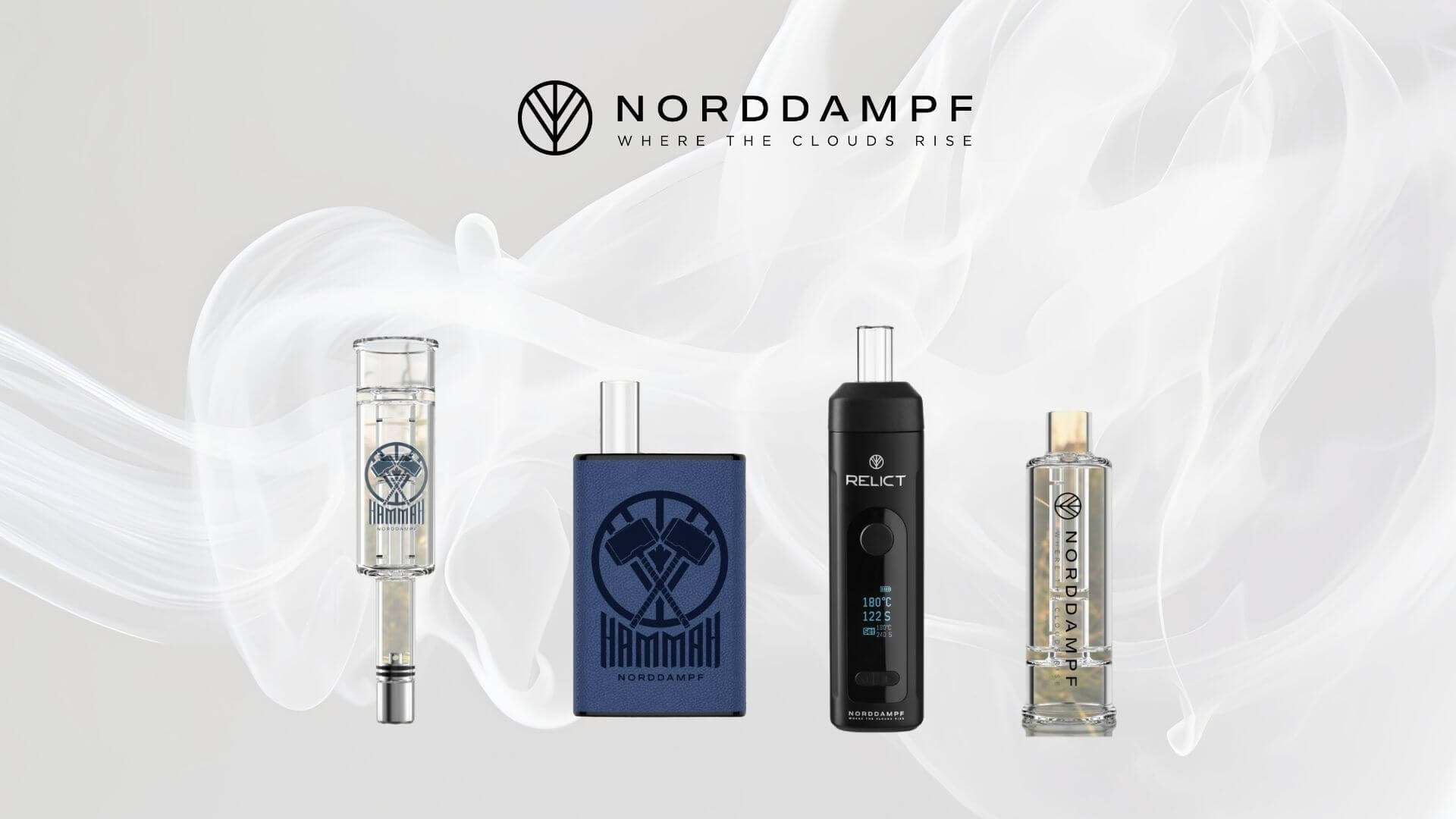
CBD and a vaporizer, such as the Relict , the HAMMAH , or the Voity , can help make your journey out of nicotine addiction a little easier. They can alleviate withdrawal symptoms, reduce stress, and offer you a new, less harmful ritual. The decision to quit, the work on your habits, and the conscious handling of addiction still remain with you. That's where real smoking cessation begins.