
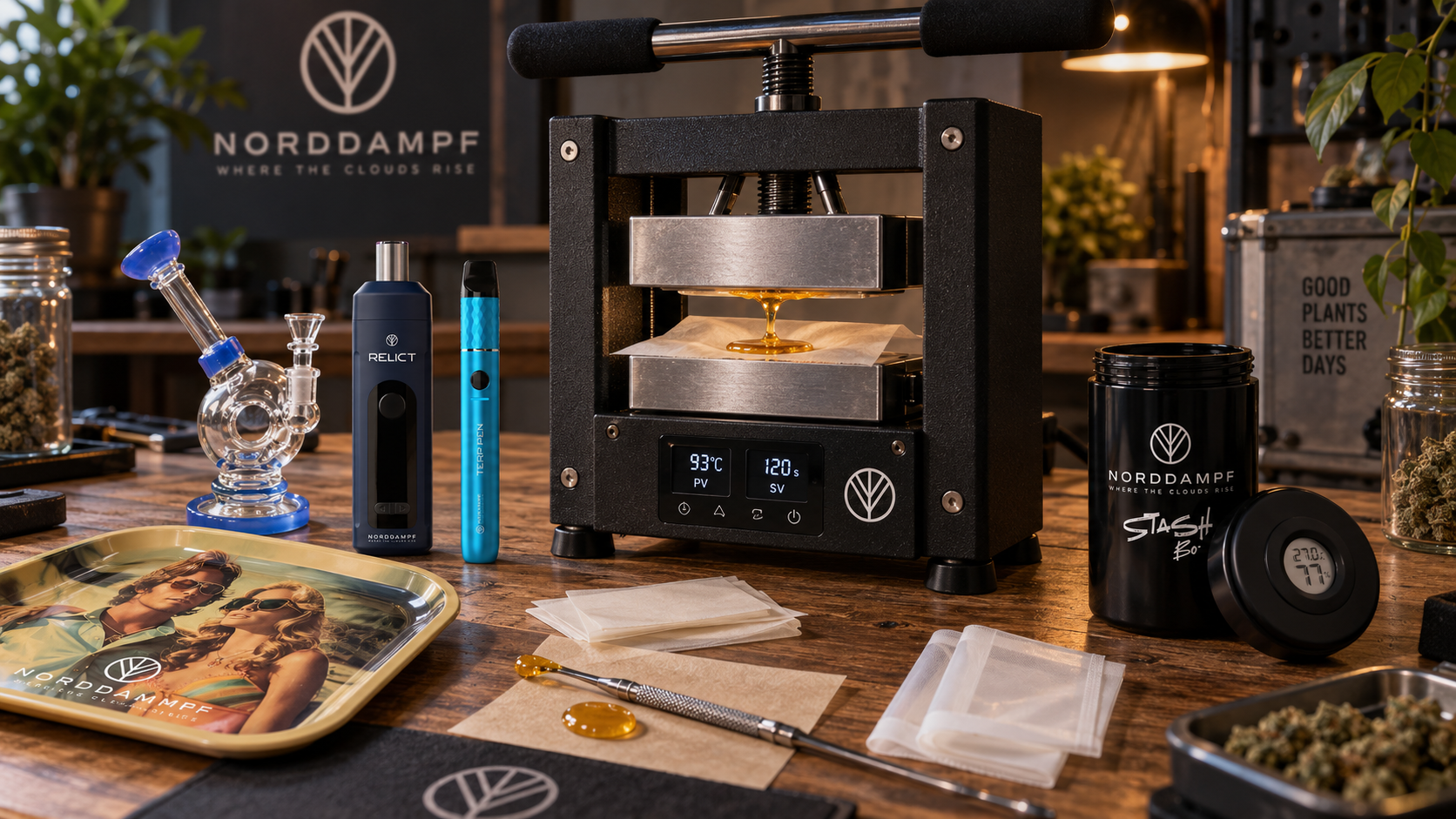

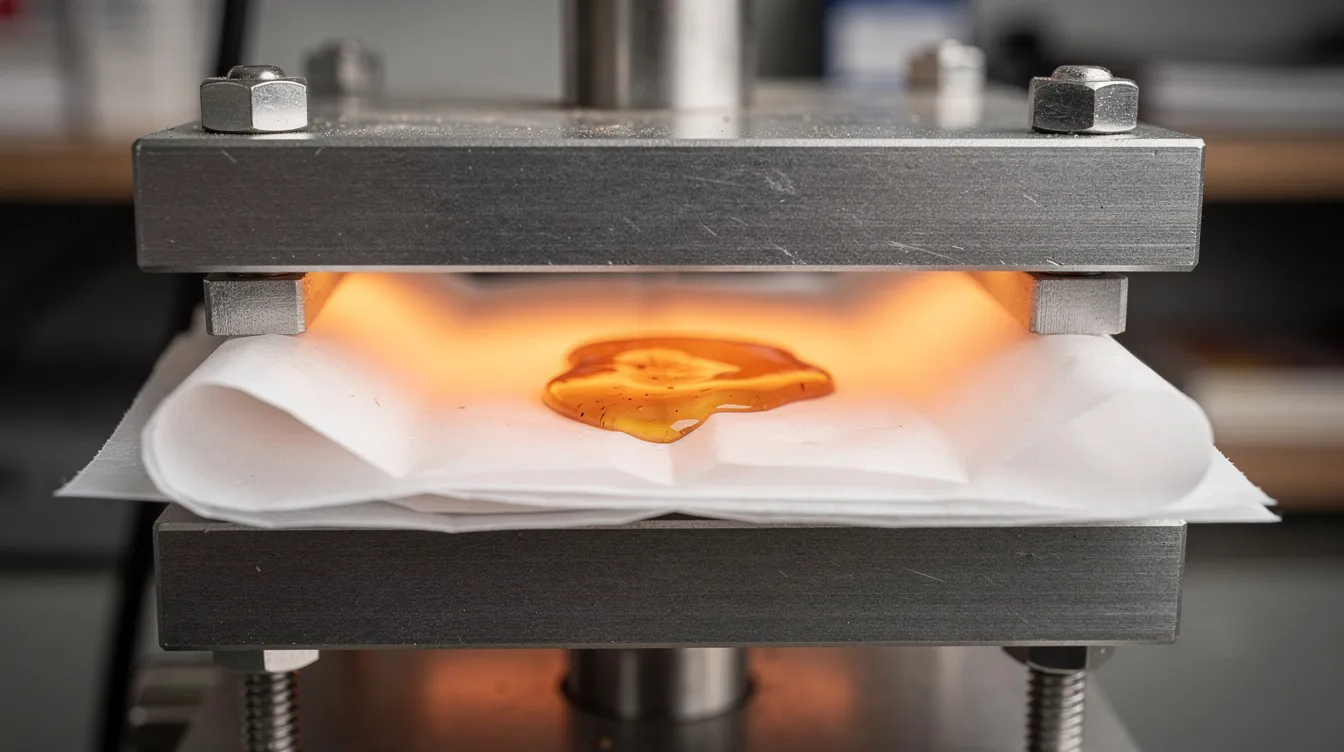
A rosin press turns your harvest into pure, solvent-free cannabis concentrate—using only heat and pressure, with no chemicals and no risk of explosion. Ever since the KCanG 2024 legalized private cultivation, the popularity of the rosin method has been skyrocketing among German homegrowers. This article shows you what really matters when choosing the right rosin press, which devices on the market are worth considering, and how to get the best results with the right accessories.
Key Findings
- A rosin press produces cannabis concentrate using only heat and pressure—without any solvents or open flames.
- For typical home growers with up to three plants, 5–10 t of pressing force and plate sizes of approximately 10 × 12 cm are entirely sufficient.
- Clean accessories such as rosin bags, parchment paper, and pre-press molds are almost as important as the press itself.
- The quality of rosin depends heavily on the source material: the strain, moisture content, and trichome maturity determine the yield and flavor.
- This article provides specific purchasing recommendations based on your budget and quantity—plus tips on how to best consume your rosin using high-quality vaporizers and dab pens.
What is a rosin press—and why is it worth it for you?
Rosin is a solvent-free cannabis concentrate produced through pure extraction using heat and pressure. Unlike BHO or ethanol-based extracts, you don’t need butane or any other chemicals. Cannabis contains cannabinoids and terpenes in its trichomes—and it is precisely these compounds that are extracted from the plant material during the pressing process, without being altered by chemical processes. Rosin therefore contains many of the plant’s terpenes and cannabinoids in concentrated form.
A typical rosin press has two heatable metal plates between which the raw material—usually in a rosin bag—is compressed. The process is incredibly simple: set the temperature, load the material, apply pressure, and you’re done. There are three main categories: Flower rosin is extracted from dried cannabis flowers. Hash rosin is made from hash or kief and is more concentrated. Live Rosin is made from freshly harvested, frozen material and yields a final product that’s particularly rich in terpenes. You can find more about rosin production in our separate guide.
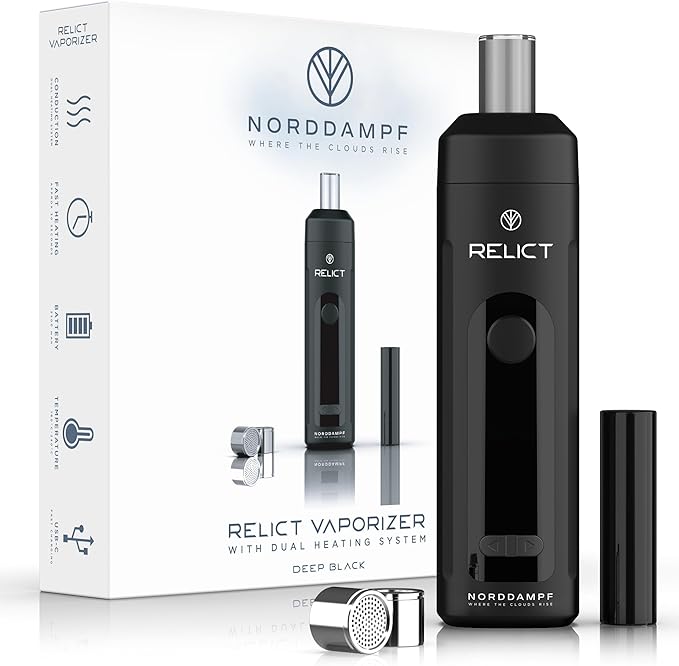
The benefits for you as a home grower are obvious: The method is solvent-free, there’s no risk of explosion, the barrier to entry is low, and you have full control over quality and purity. Since the KCanG 2024 took effect, adults have been legally allowed to grow up to three plants—so making rosin from your own material for personal use is a natural choice. A rosin press is freely available for purchase as a technical device. And the finished concentrate is ideal for use with high-quality extract vaporizers or dab pens, such as those carried by Norddampf .

Our Best Sellers
Discover the most popular Norddampf products


Key Factors to Consider When Buying a Rosin Press
Before you add a press to your shopping cart, you should be aware of the following factors. This is about practical benefits, not technical jargon.
- Pressing force (metric tons): 1–2 metric tons are sufficient for 1–3 grams of flower per press. 5 metric tons is the sweet spot for most homegrowers who regularly process 5–10 grams. 10 metric tons gives you some leeway for hash and larger bags. 20+ metric tons are best suited for clubs or professionals handling large quantities. Beginner setups require presses with 5–10 metric tons of pressure and temperature control. A pressure of 1,000 psi is sufficient for rosin extraction—higher pressure above 1,000 psi can actually reduce the quality.
- Tray Size: Small trays (approx. 5 × 7 cm) are designed for mini presses; medium trays (10 × 12 cm) meet the needs of most home growers; and large trays (12 × 20 cm) are suitable for higher throughput. Tray size directly affects pressing efficiency and yield.
- Heating & Temperature Control: Look for dual heating plates and PID control to ensure stable temperatures. Precise temperature control and even heat distribution are crucial for maintaining terpene content and ensuring a consistent texture in the final product. Typical temperatures for pressing range from 70–110 °C.
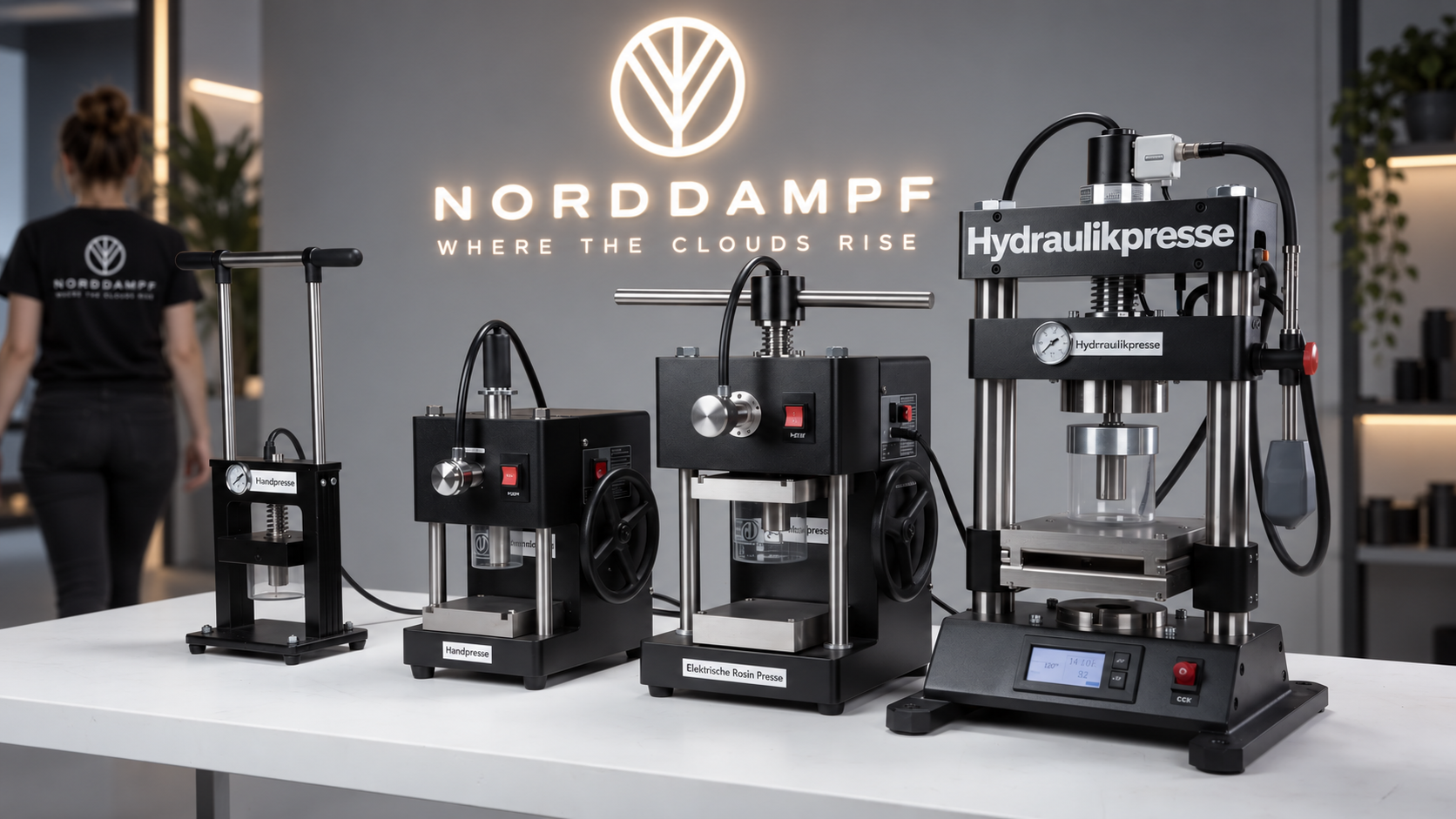
- Drive Type: Manual presses require physical effort and provide less consistent pressure. Hydraulic presses offer consistent pressure and good value for the price—compact hydraulic presses are ideal for home use. Pneumatic presses use a compressor for automated pressure application. Electric presses offer convenient automated operation but are more expensive.
- Pressure Gauge / Manometer: A manometer or digital pressure sensor ensures that your pressings are consistent and helps prevent blowouts in the rosin bags.
- Workmanship & Safety: Frame stability, bolted plates, CE marking, intact electrical systems, and accessible support within the EU are not optional—they are mandatory. Especially with a pressing force of 10–20 metric tons, every weak weld becomes a safety hazard.
- Price & Budget: Simple hand presses start in the low three-digit range. Sturdy 5–10-metric-ton hydraulic presses typically cost between approximately €400 and €800. Semi-professional systems with a capacity of 20 metric tons cost in the high three-digit to low four-digit range.
- Noise, Space Requirements, & Power: Most presses run on a standard 230-V outlet. Pneumatic and electric systems are slightly noisier; make sure to set aside a stable workspace in your hobby room.
A Comparison of Rosin Press Types
The right type of press depends on how much material you process on a regular basis. For occasional use, a manual or hydraulic press is recommended. Here's an overview:
| Type | Compressive force | Plate size (approx.) | Amount per pressing | Price range | Who is this for? |
|---|---|---|---|---|---|
| Mini/Hand Press | 1–2 metric tons | 5 × 7 cm | 1–3 g | 100–250 € | Beginners, infrequent pressing |
| Lever Press | 2–3 metric tons | 7.5 × 7.5 cm | 3–7 g | 200–350 € | Occasional users |
| Hydraulics (5–10 metric tons) | 5–10 metric tons | 10 × 12 cm | 7–20 g | 400–800 € | Ambitious Home Growers |
| Semi-Pro / Pro | 15–20+ metric tons | 12 × 20 cm+ | 20–50 g+ | 800–2,000+ € | Clubs, large batches, hash rosin pros |
For most readers of Norddampf —home growers with up to three plants—the 5–10-t hydraulic press is the logical sweet spot. It gives you enough power for flower and hash without being oversized. A 15–20-t press is really only worth it if you regularly process larger quantities or produce live rosin from bubble hash.
Brands & Models in Germany: An Honest Overview
The market for rosin presses in Germany has grown significantly since 2024. Here is an overview of the products and manufacturers that are actually available in German-speaking countries.
Graveda / Graspresso: Graveda presses are well-known on the German market. The product line ranges from the Graspresso V2 lever press (2 metric tons, plates 7.5 × 7.5 cm, approx. 250 €) to the GP6-10 hydraulic press (10 metric tons, plates 12 × 6 cm, approx. 455 €). Pros: good availability, German-language support, extensive community experience. Cons: With some budget models, users report poorer build quality in the frame or welds.
Qnubu: A well-established brand in the headshop sector, Qnubu offers small- to medium-sized presses with digital displays. The quality is solid mid-range, but reviews are harder to find than for Graveda.
LTQ Vapor: Hails from the vaporizer market and offers devices for home and semi-professional use, with a focus on value for money. Its strengths lie in its technology (dual heating, PID), while its weaknesses sometimes lie in the build quality and shipping support, as many models are made in China.
Devil Press & Niche Brands: Specialized retailers that sometimes offer better components, but at higher prices and with limited in-stock availability. Check the warranty terms before purchasing.
No-name Chinese presses (Amazon, eBay): Risks: inconsistent quality, questionable electrical components, lack of CE compliance, virtually no support. Some users report satisfactory results—but it’s still a gamble. The community’s opinion is clear: “If you buy cheap, you’ll end up buying twice.”
Norddampf-Perspective: Norddampf specializes in high-quality vaporizers, dab pens, and accessories for concentrates. If you want to fully enjoy your finished rosin after pressing, you’ll find the right devices in the Norddampf lineup—from Dab Pen Mini to Terp Pen. In the future, curated rosin-pressing solutions may also be available.
Used Rosin Press or Budget Model—What to Look For
Buying used can make sense—but only under the right conditions. Here are the key points:
- Heating plates: Check for flatness, scratches, and hot spots. An infrared thermometer will show you whether the temperature is distributed evenly across the surface.
- Frame & Welds: At pressures of 10–20 metric tons, cracks or loose joints pose a real safety risk. Take a close look.
- Electrics & Safety: Is there a CE mark? Are the cables in good condition? No homemade control boxes? Stay away from presses with an unknown origin.
- Hydraulic condition: Check for leaks, ensure even pressure build-up, and make sure there are no oil stains. Cheap bottle openers fail under continuous use.
- Documentation & Warranty: Proof of purchase and user manuals should be available. Without them, a warranty claim will be futile.
- When is it a good idea to buy used? When you can get a high-quality 5–10-metric-ton model from a trustworthy source at a price significantly below market value. When is it better to buy new? When there are no receipts or the savings are minimal.
Essential Accessories: Rosin Bags, Parchment, and More
Even the best press will produce poor results if you don't have the right accessories. Here are the categories you'll need:
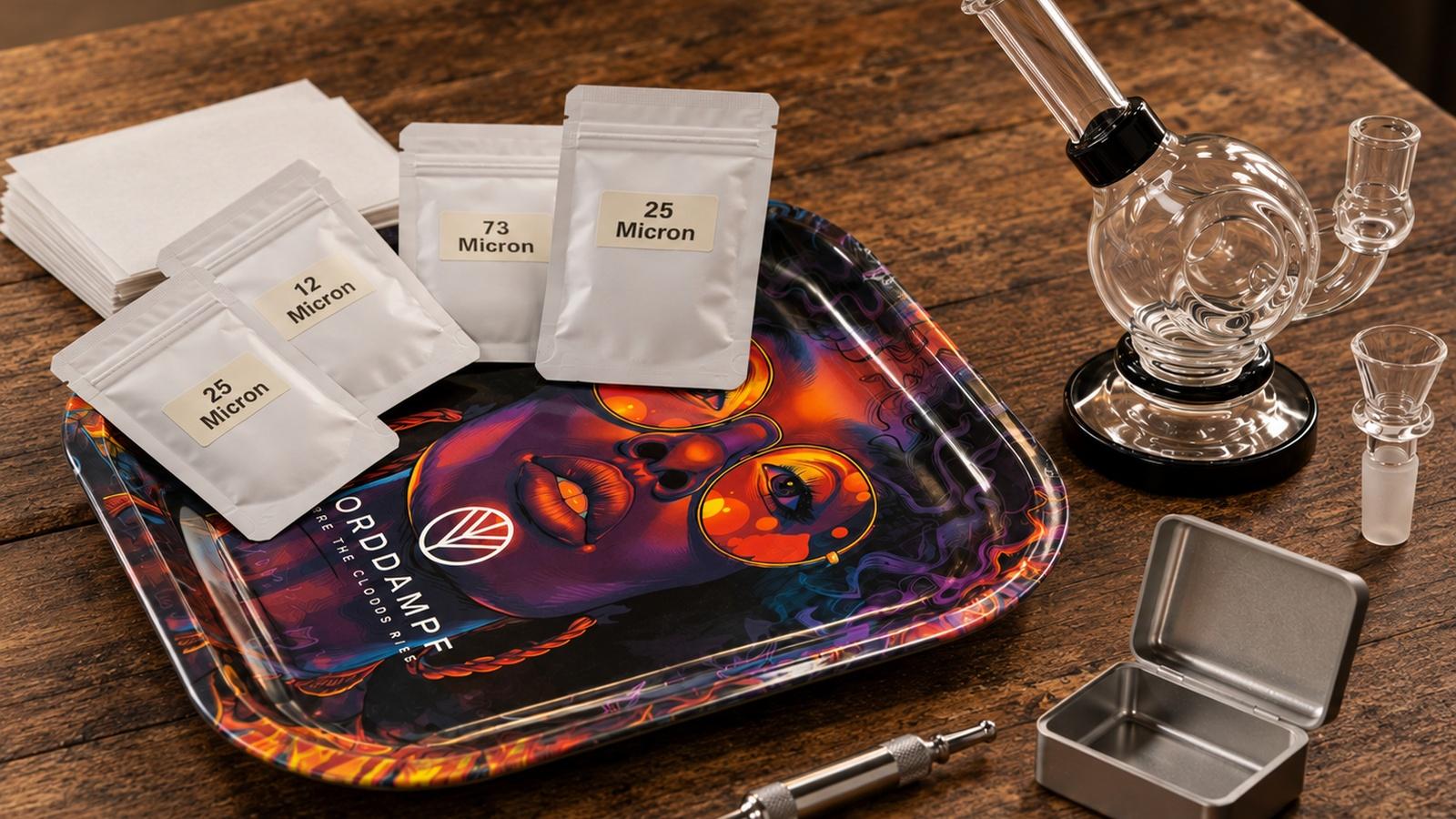
- Rosin Bags: The mesh size for flower rosin ranges from 90 to 220 micrometers—for flowers, 90-micron bags are a good standard that strikes a good balance between quality and yield. For hash rosin, mesh sizes ranging from 25 to 45 micrometers are used. The filling capacity for a 51 × 114 mm rosin bag is about 7 grams. Make sure to use double-stitched seams and fold the bag correctly to prevent blowouts.
- Parchment paper: Unbleached, silicone-coated, and food-safe. Regular baking paper works, but special Rosin Papers make it easier to collect the product.
- Pre-Press Mold: Small molds for pre-compressing flowers or hash. Result: more even compression, fewer blowouts, better yield.
- Collection Tools (Dabbers, Spatulas): Stainless steel tools for sticky rosin. Various shapes for different consistencies—from budder to shatter. The Norddampf product line already offers the right extract pads and tools for working with concentrates.
- Cooling plate: A metal plate placed on top of a cooling pack helps cool the rosin quickly after the process and makes it easier to collect.
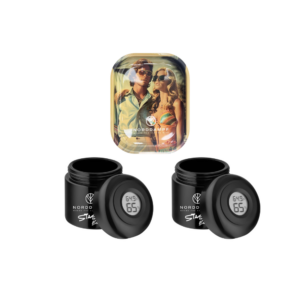
- Moisture Control: The optimal moisture content for rosin is 60–65%. Integra or Boveda packs will keep your buds within the right range. Material that’s too dry yields significantly less, because the trichomes break instead of flowing when pressed.
In Practice: An Overview of Temperatures, Pressure, and Times
The following values are starting points—each strain and each harvest requires fine-tuning. Keep notes (strain, temperature, pressing time, yield) and optimize gradually.
| Material | Temperature | Pressing time | Typical yield | |
|---|---|---|---|---|
| Flower Rosin | 80–100 °C | Gradually up to ~1,000 psi | 60–180 sec. | 15–25% |
| Hash Rosin | 70–90 °C | Moderate, under 1,000 psi | 90–240 sec. | 50–80% (of the hash) |
| Kief / Dry Sift | 70–90 °C | Moderate | 120–300 sec. | Variable |
| Live Rosin | 65–85 °C | Low to moderate | Multi-stage | Variable |
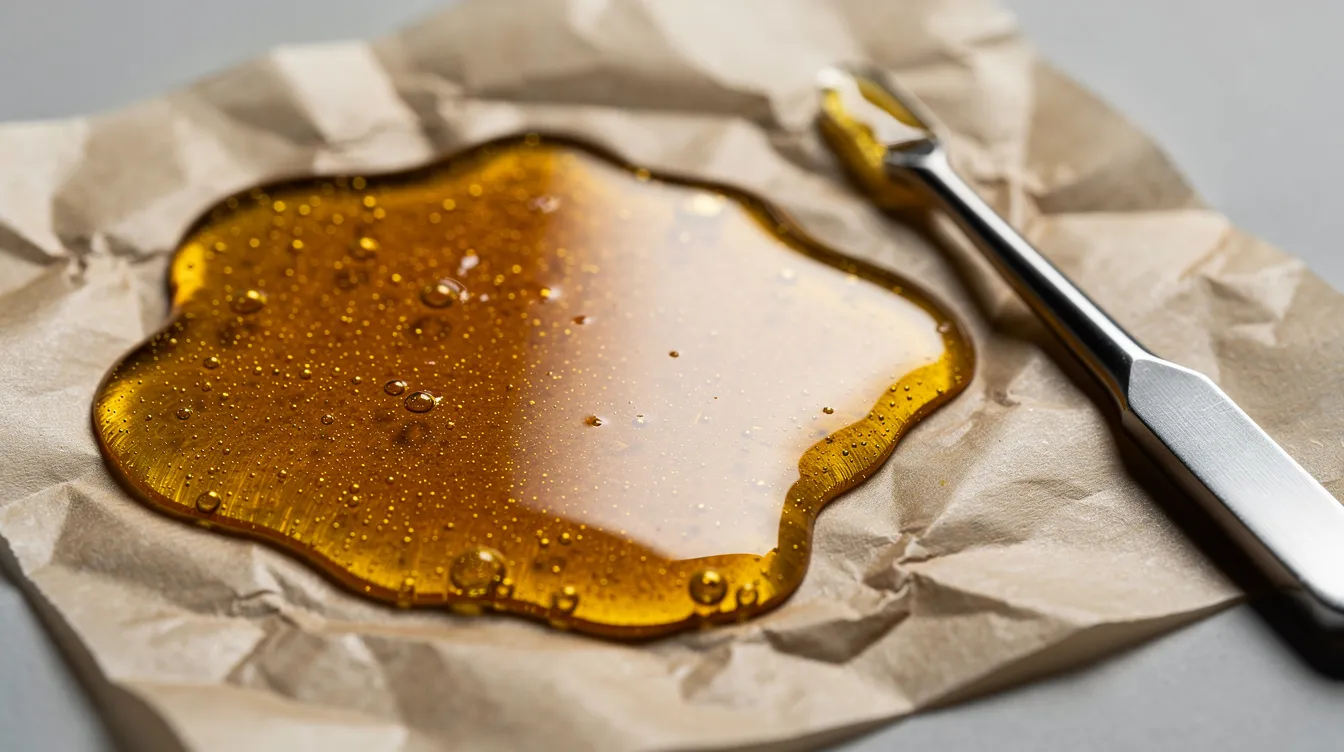
High-quality rosin ranges in color from golden yellow to amber and has a high terpene and cannabinoid content. The ideal temperature for beginners is around 85 °C—a safe starting point for achieving the right balance. Temperatures between 60 °C and 82 °C preserve a particularly high amount of terpenes, while temperatures above 104 °C result in significant terpene loss. Lower temperatures enhance the aromatic compounds in the rosin, though at the cost of a slightly lower yield. The pressing time can vary between 1 and 5 minutes, depending on the material and the desired result. Typical yields when pressing rosin range from 15% to 25% for flower.
If you want to learn more about the differences between live resin and live rosin, you'll find a dedicated article on the topic in our blog.
Legal Situation in Germany (KCanG) – Short & Sweet
Since April 2024, the Recreational Cannabis Act (KCanG) has permitted, among other things, the private cultivation of up to three cannabis plants and the possession of up to 50 g of dried cannabis in one’s own home. A rosin press is classified as a technical device and is freely available for sale; it is not subject to the BtMG.
The solvent-free extraction method formally distinguishes rosin from chemical extractions such as BHO. Concentrates made from legally cultivated material for personal use fall under the CanG into a largely tolerated zone. Nevertheless, it is your responsibility to verify the current legal situation. This article is not a substitute for individual legal advice.
FAQs About the Rosin Press
The most important questions that were only briefly touched upon in the main section:
How many metric tons of pressing force do I really need for home growing?
1–2 metric tons work, but are only practical for very small quantities (1–3 grams). 5 metric tons is a good sweet spot for most homegrowers. 10 metric tons gives you some leeway for hash and larger bags. The rule of thumb: The larger the bag’s surface area, the more total tonnage you need to generate sufficient pressure per square centimeter. It’s better to have a little extra capacity than to constantly press at the limit.
Which rosin press is best for me?
There is no such thing as “the one best” press. Casual users with small harvests can get by with a 2–3-metric-ton lever press. Serious home growers with multiple harvests per year should opt for a sturdy 5–10-metric-ton hydraulic press with good heating plates, PID control, and, ideally, a pressure gauge.
What micron size should I use for rosin bags?
For flower: 90–120 µm as the standard recommendation—a good balance between quality and yield. For hash and kief: 25–37 µm for maximum purity. 160 µm only for very coarse flower or experimental purposes. Smaller micron values filter out more (better purity, slightly lower yield); larger values do the opposite.
Can I build my own rosin press?
Technically possible: a hydraulic press combined with homemade heating plates and a DIY control system. However, this approach involves significant safety risks. Electrical safety, pressure resistance, and temperature control are critical—inadequate solutions can cause injuries or fires. For most users, a ready-made press is by far the wiser choice.
Is a rosin press worth it if I mainly vape?
Absolutely. If you’re growing high-quality cannabis flowers and want maximum flavor, rosin is the ideal way to make pure concentrates. The finished rosin works perfectly with vaporizers and dab pens designed for concentrates. At Norddampf , for example, you can use your homemade rosin with the Dab Pen Mini or the Terp Pen and unlock its full flavor potential. Learn more about dabbing in our Dabbing Guide.
Conclusion: Which rosin press should you buy?
For a tight budget and infrequent pressing: A sturdy 1–2-t manual or lever press is a good place to start if you only want to press 1–3 g occasionally. However, you’ll quickly run into its limitations with regular use.
For serious home growers with regular harvests: A high-quality 5–10-t hydraulic press with sturdy plates, PID temperature control, and a pressure gauge offers the best value for the money. It strikes the right balance between performance, convenience, and yield.
For large quantities & hash rosin pros: 15–20-t systems are only worth it if you really process larger batches on a regular basis or produce in a club-like setting. For the private homegrower, this is usually overkill.
No matter which press you choose, don’t forget the vaporizer. Your homemade rosin deserves a vaporizer that fully captures the benefits of terpenes and cannabinoids in the vapor. Discover vaporizers for rosin and concentrates now at Norddampf .
Meta Title: Buying a Rosin Press in 2026: A Guide for Home Growers
Meta Description: Rosin Press Comparison for Homegrowers: Pressing Force, Types, Accessories, Legal Information & FAQs. Find the best rosin press for flower, hash, and live rosin.