

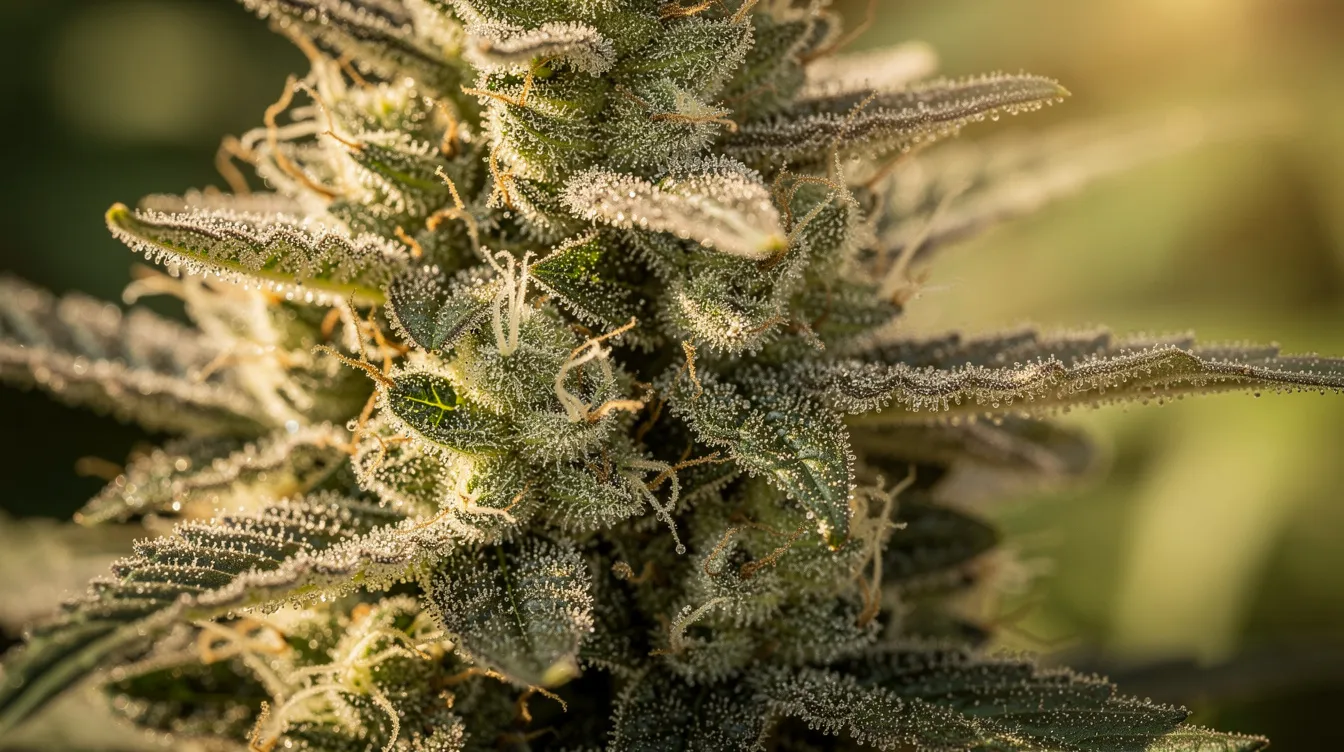
These microscopic structures play a key role in determining how potent, aromatic, and high-quality your cannabis is. Trichomes are far more than just a visual embellishment—they are biochemical factories that shape the entire cannabinoid profile of a cannabis plant.
Key findings
Trichomes are at the heart of every high-quality cannabis flower. Here are the key points at a glance:
- Trichomes are the resin glands of cannabis and produce cannabinoids, terpenes, and flavonoids—in other words, all the relevant active compounds
- The color of the trichomes (clear, milky, amber) is the most reliable indicator of the optimal harvest time
- Milky, cloudy trichomes indicate maximum THC content, while amber-colored trichomes tend to produce sedative effects
- Trichomes are extremely sensitive to heat, light, oxygen, and mechanical stress—gentle handling is crucial
- Vaporizers activate terpenes and cannabinoids more gently than combustion, thereby better preserving their aroma and effects
What are trichomes in cannabis?
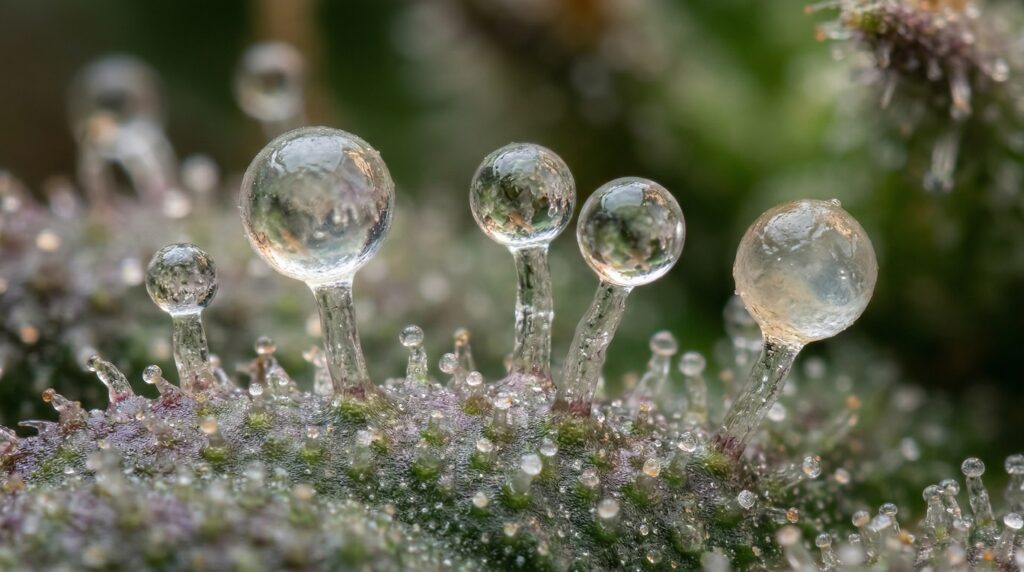
Cannabis trichomes are microscopic, hair-like glandular structures found on flowers and bracts. They resemble tiny mushrooms: a thin stalk supports a spherical head approximately 50–100 µm wide and 200–300 µm tall.
The term “trichome” comes from Greek—“tríchōma” literally means “hair growth.” In botany, it has been used since the 19th century to describe fine growths on plants, algae, and lichens.
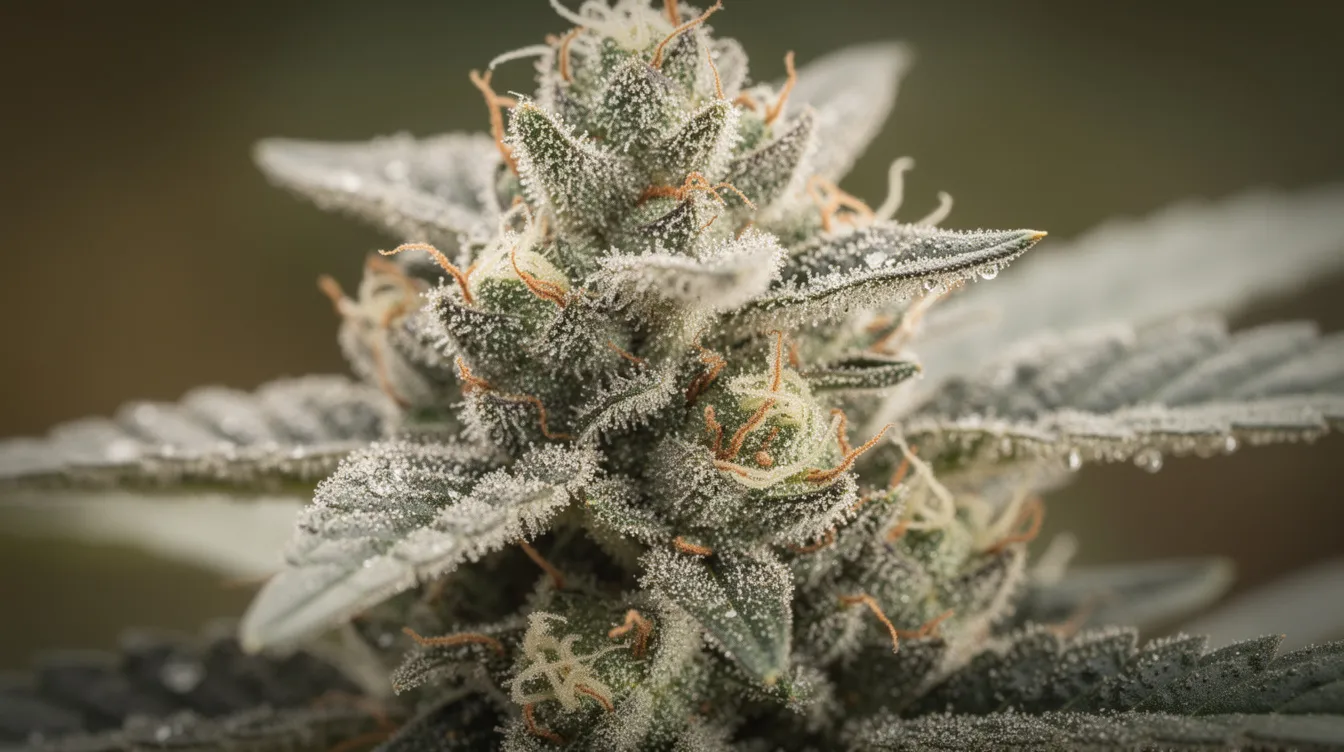
The key point is this: Virtually all relevant compounds—such as THC, CBD, terpenes, and flavonoids—are produced and stored in the heads of these glandular structures. The characteristic “frosty,” crystal-like layer on mature cannabis flowers is actually a dense layer of trichomes.
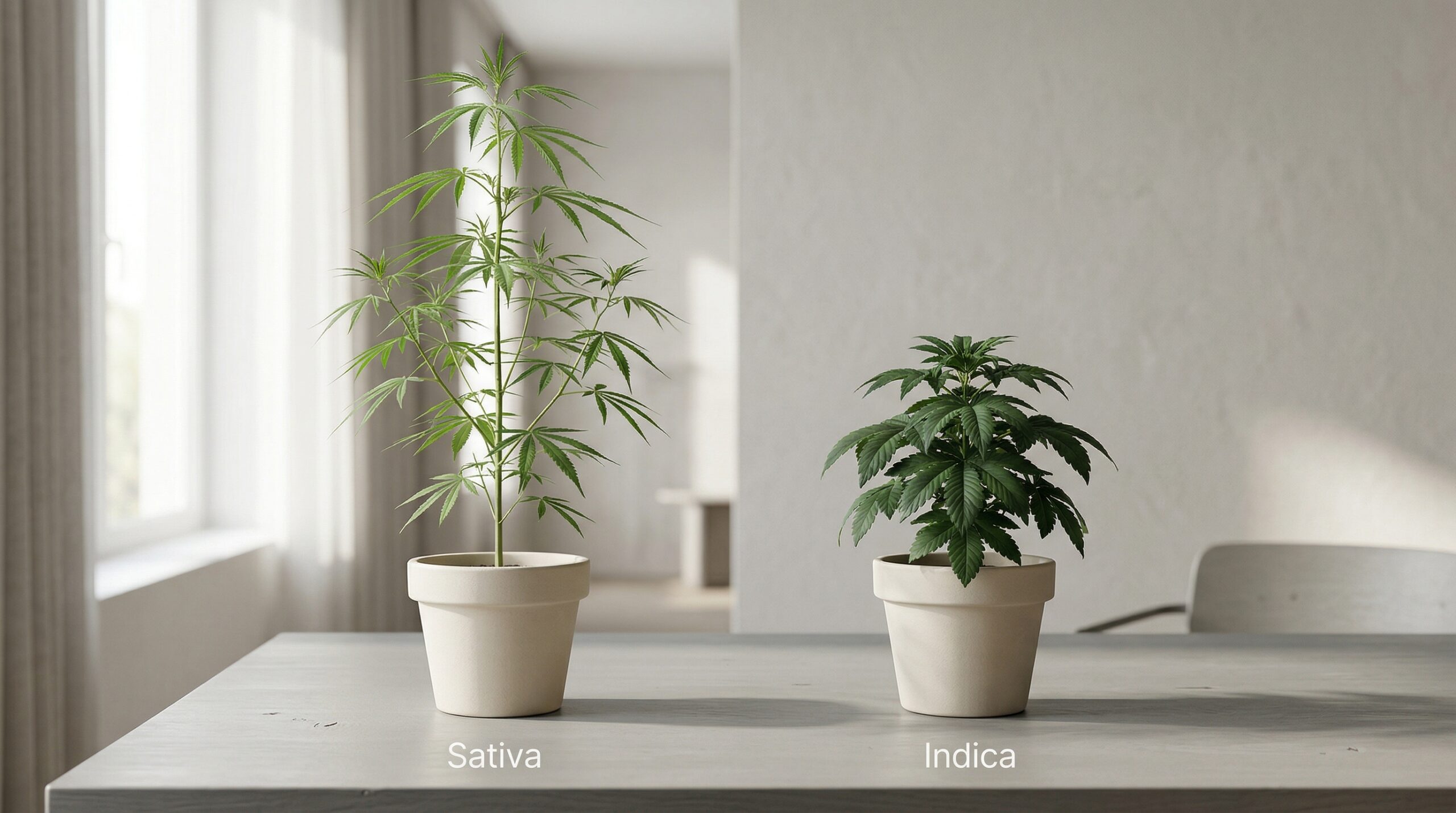
Density and potency depend heavily on genetics (Indica, Sativa, or hybrid strains) and growing conditions. Selecting high-quality strains is therefore the foundation for potent flowers.

Our Best Sellers
Discover the most popular Norddampf products

Functions of Cannabis Trichomes
Trichomes are a survival mechanism for the plant—they weren’t developed “for us,” but serve biological functions:
- UV protection: The resin coating acts as a natural “sunscreen” and reflects harmful UV radiation, which is particularly important in high-altitude alpine and equatorial regions
- Insect repellent: The sticky resin film physically traps small pests
- Pest Repellency: Bitter-tasting terpenes and cannabinoids deter herbivores
- Evaporation protection: In hot, windy conditions and during drought stress, trichomes create a microclimate on the surface of the flower
During the sensitive flowering phase (typically 8–12 weeks, depending on the strain), the plant produces trichomes at a particularly high rate. These same protective mechanisms are perceived by consumers as desirable effects—potency and aroma.
Types of trichomes on the cannabis plant
Three types of glandular trichomes are involved in the production of cannabinoids and terpenes. In addition, there are non-glandular forms that serve a purely mechanical protective function.
The types of trichomes vary considerably in size, location, and importance for resin production. Trichomes on the flower stalks produce the majority of the active resin and give the flowers their “glittering” appearance.
Important: Not all visible hairs are trichomes. Pistils (stigmas) serve a distinctly different function.
Capitate-stalked trichomes
These are the largest and most significant trichomes, characterized by long stalks and distinctively spherical trichome heads. With a head diameter of about 50–100 µm and a total height of 200–300 µm, they are often visible to the naked eye as “crystals.”
The highest concentrations of THC, CBD, other cannabinoids, terpenes, and flavonoids are found in the trichomes. They are primarily located on the calyxes and bracts. For growers, the condition of these trichomes is crucial in determining the optimal harvest time.
Capitate sessile trichomes
These trichomes resemble small mushroom caps without a distinct stem. Measuring 25–100 µm, they are more densely distributed than bulbous forms.
Although they produce cannabinoids and terpenes, they yield significantly less resin than stalked trichomes. They are found on stems, leaves, and bracts, especially during the early weeks of flowering (starting in weeks 3–4 for indoor grows).
Bulbous trichomes
Bulbular trichomes are the smallest glandular trichomes, measuring only 10–15 µm, and have no visible stalk. They cover the entire surface of the plant like a fine layer.
Although they contain similar compounds, their small size means they account for only a small portion of total production. They are less relevant for practical assessments of yield and potency.
Cystolithic trichomes (non-glandular)
These types of trichomes are purely mechanical protective hairs without resin glands. They resemble claws or spines, are about 50 µm long, and feel rough to the touch.
They contain hardly any cannabinoids or terpenes, but they protect young leaves and stems from pests. They can be ignored when assessing potency and maturity.
What do trichomes contain? – Cannabinoids, terpenes, and flavonoids
Trichomes act as “chemical factories” and determine the entire profile of active compounds in cannabis. These compounds can be divided into three groups:
| Fabric category | Examples | Main function |
|---|---|---|
| Cannabinoids | THC, CBD, CBG, CBC | Effects on the body and mind |
| Terpenes | Myrcene, limonene, pinene | Aroma and Effect Modulation |
| Flavonoids | Anthocyanins, Cannflavins | Color, antioxidant properties |
| The composition depends heavily on genetics, maturity, and cultivation methods. The combination of all plant compounds—known as the entourage effect—determines a strain’s character and quality, not just its THC content. |
Cannabinoids in trichomes
Precursors such as CBGA are biosynthesized in the trichome heads and then converted into THC, CBD, and CBC. This process of cannabinoid production typically peaks for THC (Δ9-THC) during the late flowering stage (weeks 7–9 for indoor hybrids).
Over time, THC oxidizes into CBN—a breakdown product with more sedative, physical effects and a less psychoactive “high.” CBD-rich strains also produce their main active compounds via trichomes, but with a different THCA/CBDA ratio.
Terpenes – Aroma & Modulation of Effects
Terpenes are the essential oils that determine the taste and aroma of cannabis:
- Myrcene: earthy, relaxing
- Limes: citrus, mood-lifting
- Pinene: pine-like, clears the mind
- Caryophyllene: spicy, anti-inflammatory
They are found in the same trichome heads as cannabinoids and modulate their effects (entourage effect). Terpenes are highly volatile and are quickly destroyed at high temperatures (>220°C when smoked).
Flavonoids & Pigments
Flavonoids contribute to coloration—for example, the violet hues produced by anthocyanins. They are found in trichomes and floral tissue and possess antioxidant and anti-inflammatory properties that are the subject of current research (as of 2024).
Purple trichomes may appear more frequently due to genetic predisposition, cool nights, a lower pH level, and high UV radiation. However, the color alone does not indicate potency or THC content—only documented observations throughout the entire flowering period, such as in a cannabis grow journal, can provide this information.
Trichome Colors & Maturity Stages – When to Harvest Trichomes?
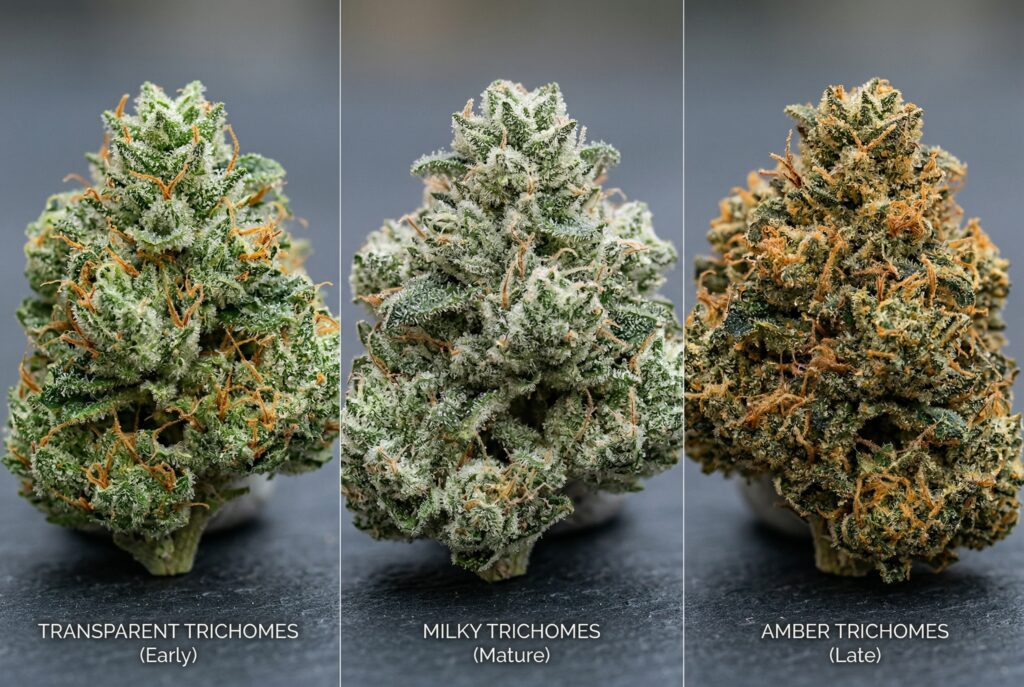
The color of the trichomes is the most important indicator of the perfect harvest time. Don’t judge by the leaves; instead, look at the trichomes directly on the calyxes.
Ripening often spreads from the top to the base of the plant. Therefore, check several buds in different locations. Many indoor growers harvest between days 55 and 70 of flowering (depending on the strain) and use the ratio of milky to amber-colored resin as a guide.
| Trichome color | Stadium | Typical effects |
|---|---|---|
| Clear/transparent | Immature | Weak, nervous, short-lived |
| Milky/cloudy | Peak THC | Intellectual, energetic |
| Amber-colored | Increase in CBN | Sensual, soothing |
Clear / transparent – Plant not yet ready for harvest
Clear trichomes appear glassy and completely transparent, like tiny dewdrops. Cannabinoid synthesis is not yet complete, and the THC content remains relatively low.
Harvesting too early (when the trichomes are mostly clear) often results in a weaker, jittery, or “short” high. At this stage, you should wait at least another 1–2 weeks and check on the plants regularly.
Milky / cloudy – maximum THC content
Milky, cloudy trichomes look like small, opaque pearls—no longer translucent. This is typically when the THC content peaks. The resin is particularly sticky and aromatic.
A harvest with mostly milky trichomes results in a more cerebral, energetic high. For a “balanced” profile, aim for a mix of about 70–80% milky trichomes and 20–30% amber trichomes.
Amber / brown – higher CBN content, more sedating
Amber-colored trichomes appear golden-yellow to brownish—a sign of oxidized THC and a higher CBN content. A higher CBN content tends to produce physical, relaxing, and sleep-inducing effects.
A very high number of brown trichomes (nearly 100%) also means that some of the terpenes and cannabinoids have already broken down . This stage of ripeness is suitable for users specifically seeking sedative effects.
Trichomes as a Harvest Guide – “When to Harvest Cannabis Trichomes”
Starting around week 5 of flowering (indoor, photoperiod strains), you should check the trichomes every 3–4 days using a magnifying glass or microscope.
Select representative sample areas: medium-sized buds, no popcorn buds, no damaged tips. Three strategies for determining the harvest time:
- Roughly early (mostly milky, little amber): clear head high
- Blended (Milk/Amber 70-80/20-30): balanced effect
- Relatively late (high in amber): full-bodied, promotes sleep
Example: A hybrid strain with a 9-week flowering period – monitor from day 42, harvest between days 60–65 depending on the desired trichome development.
Seed banks may list flowering times, but trichomes are always the ultimate factor in deciding when to harvest your cannabis.
Myths About Trichomes – What’s Really True
The myth that “more crystals = stronger”: False. Trichome density is influenced by genetics and the environment, but potency depends on cannabinoid ratios, terpene profiles, and maturity. Visually frosty buds do not always have the highest lab THC levels.
The myth that “only color matters”: Partly true. Pistil maturity, bud structure, and drying/curing also play a role in the quality of the final product.
The myth that “amber = always better”: There is no such thing as a universal “perfect.” The best time to harvest depends on the desired effect.
Modern laboratory analyses consistently show that subjective observations do not always correlate with measured levels—a glance through a microscope is no substitute for an objective source such as laboratory test results.
Trichomes & Terpenes – Why Vaping Offers Better Protection
The connection is direct: trichomes → terpenes → user experience. Terpenes and delicate aromatic compounds are extremely heat-sensitive. When burned (in a joint or bong), they are partially destroyed.
A properly calibrated vaporizer (160–210°C) heats trichomes in a controlled manner, decarboxylates cannabinoids, and releases terpenes much more gently—especially when you specifically use temperature profiles to target the effects of terpenes:
- 160–180°C: Lighter terpenes, clear high
- 190–210°C: Stronger cannabinoid effects with a more physical sensation
Grinding gently, not packing too tightly, and cleaning regularly help maximize the benefits of trichomes. Properly dried flowers with intact trichomes produce significantly more complex flavors in a vaporizer than when smoked, a difference that is also evident in a direct comparison of the effects of vaporizers versus joints.
Practical: How to properly examine trichomes
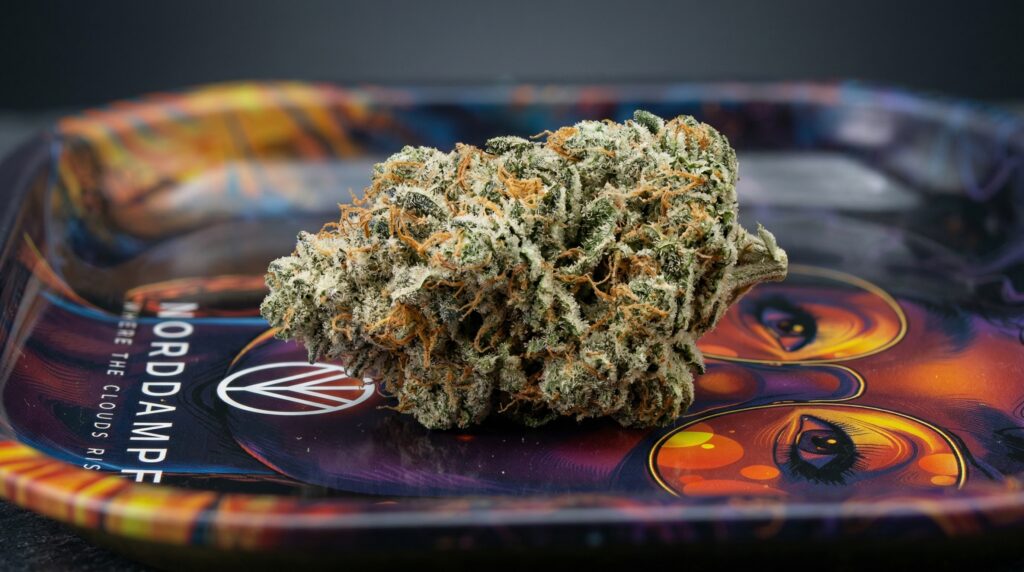
You can see the “frost” with the naked eye, but you’ll need magnification to determine the degree of frost. A jeweler’s loupe (30–60x) or a small pocket microscope (60–120x) is ideal. Smartphone macro lenses also work—just as with understanding how a vaporizer works technically, the right technique is what determines the result here as well.
Here's how to do it:
- Secure the bud firmly (preferably to the plant)
- Use additional LED lighting
- Look at the calyxes from a vertical angle
- Check several areas: main stem, middle branches, lower buds
Take photos so you can compare trichome development over several days. Don’t touch the trichomes—they break off easily, causing a loss of potency and aroma; it’s equally important to choose and prepare the right herbs for your vaporizer so that the delicate resin glands are used to their full potential.
Magnifying Glasses & Microscopes – What to Look For?
A magnification of 60–120x is ideal for reliably distinguishing between clear, milky, and amber colors.
| Type | Mobility | Image quality | Price |
|---|---|---|---|
| Jeweler's loupe | High | Good | Affordable |
| Pocket microscope | means | Very good | means |
| Smartphone clip | High | Sufficient | Affordable |
| USB microscope | Low | Excellent | Medium-high |
| Look for models with built-in LED lighting and stable focusing. USB microscopes connected to a PC are particularly useful for documenting the entire flowering process. |
Protecting Trichomes: Handling, Drying, and Storage
Trichomes are extremely delicate. Improper handling can visibly break off resin heads and reduce the quality of the final product.
Handling: Wear gloves, minimize contact with the buds, and do not use coarse grinders with dull blades.
Drying: 18–22°C, 45–55% relative humidity, 10–14 days, minimal airflow directly on the flowers.
Storage: Light-proof glass containers, 58–62% humidity packs, cool environment (15–20°C), minimal oxygen exchange.
Heat, UV light, and oxygen break down THC into CBN over the course of months and cause terpenes to evaporate—the effects and flavor change as a result, which is why a modern vaporizer with precise temperature control can truly showcase its advantages.
Preserving trichomes during vaporization
- Chop the flowers only coarsely to medium-sized pieces so that the trichomes don't turn into powder
- Start at a low temperature and gradually increase it
- Clean the screens and chambers regularly
- Don’t let the detached trichomes burn, and consistently opt for alternatives instead of tobacco—using tobacco in a vaporizer is a bad idea
When used with the correct temperature profiles, both conduction and convection vaporizers are gentler on the plant material than combustion and preserve the potency of the terpenes—provided you use a perfectly calibrated vaporizer temperature.
Increasing Trichome Production – The Influence of Genetics and the Environment
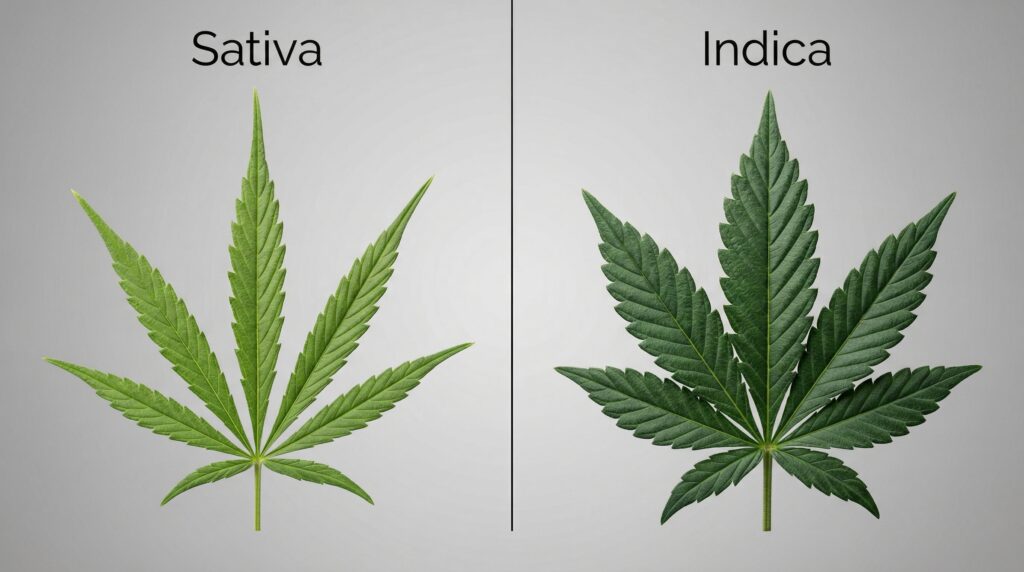
Genetics are always the foundation. Environmental conditions can only help maximize genetic potential. Modern U.S. hybrids with lab-tested THC levels of 20–30% produce visibly denser trichome layers.
Factors to consider for cannabis growers: Those who also want to optimize their consumption method will benefit from a comprehensive guide to vaporizing, complete with expert tips.
- light intensity (including UV-B for increased THC synthesis)
- Temperature: 18–24°C
- Humidity: approx. 45–55% during late flowering
- A balanced supply of nutrients and careful preparation of the herbs for the vaporizer, including temperature selection
Tips: Prune moderately to allow more light to penetrate; use organic fertilizers containing micronutrients; avoid over-fertilizing shortly before harvest. Prioritize quality over flower size for optimal yields of high-quality cannabis trichomes.
Note: Depending on the region, growing cannabis plants may require a permit or be prohibited. Be sure to follow local laws.
FAQ on Trichomes in Cannabis
What trichome color is ideal for harvest?
There is no such thing as a universal “perfect.” Most growers harvest when approximately 70–90% of the trichomes are milky and 10–30% are amber. A predominance of milky trichomes produces a clear, mentally stimulating high. More amber trichomes result in a stronger, more physical, and sedative effect. A predominance of clear trichomes almost always indicates that the plant was harvested too early.
Do more trichomes automatically mean stronger cannabis?
No. A high trichome density is often associated with high potency, but it is not the only factor. Genetics, cannabinoid profile (THC vs. CBD), terpene composition, and maturity are also crucial. Laboratory analyses show that visually “frosty” cannabis flowers do not always have the highest THC content.
How can I identify trichomes without a microscope?
A simple 10–30x jeweler’s loupe is often sufficient. Smartphone macro lenses (clip-ons) can also help you distinguish roughly between milky and amber. With the naked eye, you can usually only see the “glitter” of the resin glands, but not the exact stages of maturity. Some magnification is necessary for a precise determination of the harvest time.
Why do some trichomes look purple or almost black?
Purple or very dark trichomes are caused by pigments such as anthocyanins—not necessarily by overripeness. Genetics (purple strains), cool nighttime temperatures, and strong UV exposure intensify the coloration. The color alone does not allow for a definitive conclusion about THC or CBD content. It is all a matter of describing the genetic profile, not the potency.
How long do trichomes remain stable after harvest?
When stored in a cool, dark, and airtight environment, trichomes remain largely stable for several months. Over time (months to years), THC slowly oxidizes into CBN, and terpenes evaporate. This causes changes in the effects and aroma. For maximum freshness and terpene content, harvest batches should ideally be consumed within 6–12 months—this ensures the best possible experience.