

Reading time: about 10 minutes
-
Sativa, Indica, or Hybrid: Myths, Truth, and Vape Temperatures
-
The Endocannabinoid System (ECS) Explained Simply

-
Understanding Trichomes: Structure, Function, and Harvest Time
-
Storing Cannabis Properly: Humidity, Light, Temperature, and Containers
-
What Is THCP? Stronger Than THC? Science, Effects, and Safety
-
When to Harvest Cannabis? Trichome Maturity and Key Indicators
-
Linalool Effects: A Calming Terpene Found in Cannabis, Lavender, and Aromatherapy

-
Cannabis Trichomes – Everything You Need to Know About Resin Glands, Maturity Levels, and Harvest Time
-
Is cannabis addictive?
-
Cannabis as a sleep aid—can hemp really help you sleep?
-
Sativa vs. Indica: What differences should you be aware of?
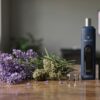




Are you wondering if Sativa really keeps you awake and Indica makes you want to stay on the couch? The truth is more complex—and more fascinating. The classic distinction between Cannabis indica and Cannabis sativa dates back to a time when breeders didn’t yet have access to laboratory analyses. The hemp plant serves as an umbrella term for various cannabis species such as Sativa, Indica, and Ruderalis, and is used as an agricultural crop for both industrial (e.g., for fibers) and medical purposes. Today we know that these terms say little about the actual effects.
An Introduction to the World of Cannabis
Cannabis.
A world full of diversity.
Full of fascination.
Consumers and patients still have many questions. Whether as a medicinal plant, a recreational substance, or a subject of research, the cannabis plant has been part of human history for thousands of years.
It has evolved into a true all-rounder.
Today, we have countless cannabis strains to choose from.
Classic Indica strains.
Sativa strains.
Modern hybrids.
But what’s really behind it all?
How do you find the right cannabis strain for your needs?
Cannabis encompasses several species.
They differ in composition, appearance, and effects.
The most well-known varieties:
Cannabis Indica.
Cannabis Sativa.
Cannabis Ruderalis.
Indica and Sativa are known for their distinct characteristics.
Their different effects.
Ruderalis plays a special role in the breeding of hardy hybrids.
Each of these cannabis strains has its own unique characteristics.
From growth habit to aroma to use.
Designed to meet a variety of needs.
The effects of cannabis result from a complex interplay.
Cannabinoids and terpenes.
Precise interaction.
Cannabinoids such as THC and CBD affect the central nervous system.
They produce the characteristic “high.”
Or feelings of relaxation.
Terpenes are aromatic compounds.
They not only define the characteristic smell.
And taste of cannabis flowers.
They also modulate the effects.
In what is known as the entourage effect, cannabinoids and terpenes enhance each other’s effects.
This explains why two strains with similar THC levels can produce very different effects.
Complex technology.
Developed by nature.
Choosing the right cannabis strain is a very personal decision.
Indica strains are often valued for their calming and physically relaxing effects.
Sativa strains are considered more stimulating.
They promote creativity.
Hybrids combine the characteristics of both lines.
They offer a wide range of effects.
From relaxing to energizing.
Developed just for you.
It’s important for patients and consumers to know their own goals.
Your preferences.
Don’t rely solely on traditional labels.
You’re part of the process.
In this article, we take a closer look at the world of cannabis.
We explore its history.
The main types of cannabis.
The role of cannabinoids and terpenes.
The importance of the entourage effect.
Practical tips for choosing and using cannabis.
How to find out which cannabis strain suits your body best.
Tailored to your preferences.
Whether you’re a beginner or an experienced user.
You’re part of it.
Key Findings
- The classic distinction between “Indica = couch lock, Sativa = creativity” is scientifically untenable—genetic studies show a 99% genetic similarity between the two.
- The terpene profile and cannabinoids (THC, CBD, CBG) have a greater influence on the effects of cannabis than the labels “Indica” or “Sativa.”
- Almost all modern cannabis strains are hybrids—pure Indica or Sativa account for less than 1% of the market.
- Vaporizer users benefit the most: vaporizing at 160–190°C preserves terpenes much better than burning and allows for more nuanced experiences.
- Individual factors such as tolerance, mood, and dosage play a crucial role in your personal experience.

Our Best Sellers
Discover the most popular Norddampf products
Cannabis Indica vs. Sativa – The Alleged Difference
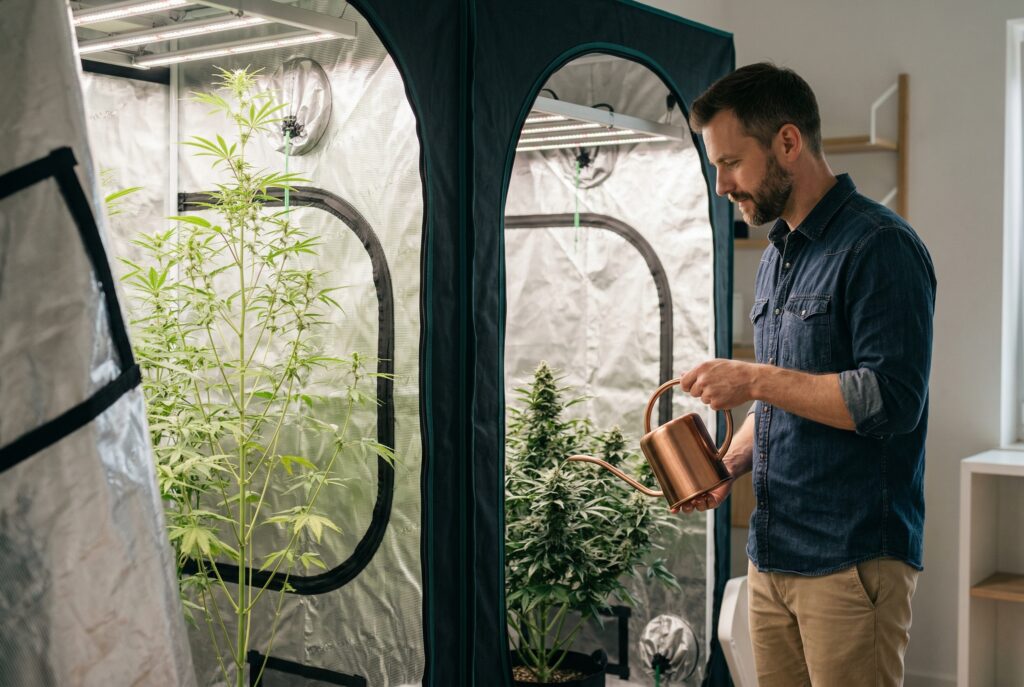
Dispensaries, seed banks, and forums have been preaching this for decades: Indica strains make you sleepy, Sativa strains keep you awake. But while consumers still shop based on this model, growers have long since started thinking in terms of chemical profiles and terpene spectra.
What many people believe:
- Sativa = "head high," creative, energetic, perfect for daytime use
- Indica = "body high," sedative, relaxing, ideal for the evening
- Hybrid = somewhere in between
This classification originated in grower forums of the 1970s and 1980s. It’s called “bro-science”—anecdotal observations with no scientific basis. For beginners, the distinction may serve as a rough starting point, but it provides only a very incomplete explanation of the effects.
The aim of this article: to debunk the old myths and provide you with a well-informed, modern perspective. Choosing the right cannabis strain is particularly crucial when it comes to its effects and medical use, as it can have a direct impact on treatment outcomes.
What Do Sativa, Indica, and Hybrid Really Mean? (Botany vs. Consumer Myths)
The terms “Sativa” and “Indica” were originally botanical terms. Today, marketers use them to describe the effects—a crucial difference.
Historical facts:
- 1753: Carl Linnaeus describes Cannabis sativa as a cultivated hemp plant grown for its fibers and seeds
- 1785: Jean Baptiste de Lamarck introduces Cannabis indica, a shorter, broad-leaved plant native to the Himalayas
- 20th century: Intensive breeding leads to the development of modern hybrids
From a botanical perspective:
| Feature | Sativa | Indica |
|---|---|---|
| height | 1.5–3 meters | 0.6–1.5 meters |
| Leaves | Narrow, 7–9 leaflets | Wide, 5–7 leaflets |
| Prime | 10–16 weeks | 7–10 weeks |
| Flower structure | Airy, elongated | Dense, compact |
| Cultivation | Outdoors, requires plenty of light and space | Indoor, compact design |
| Origin | Tropical, warm regions | Cool, mountainous regions |
From the consumer's perspective:
- Sativa cannabis = “energetic, focused, creative”
- Indica cannabis = "sedative, heavy, couch lock"
- Hybrid = “mixture” (often just marketing jargon)
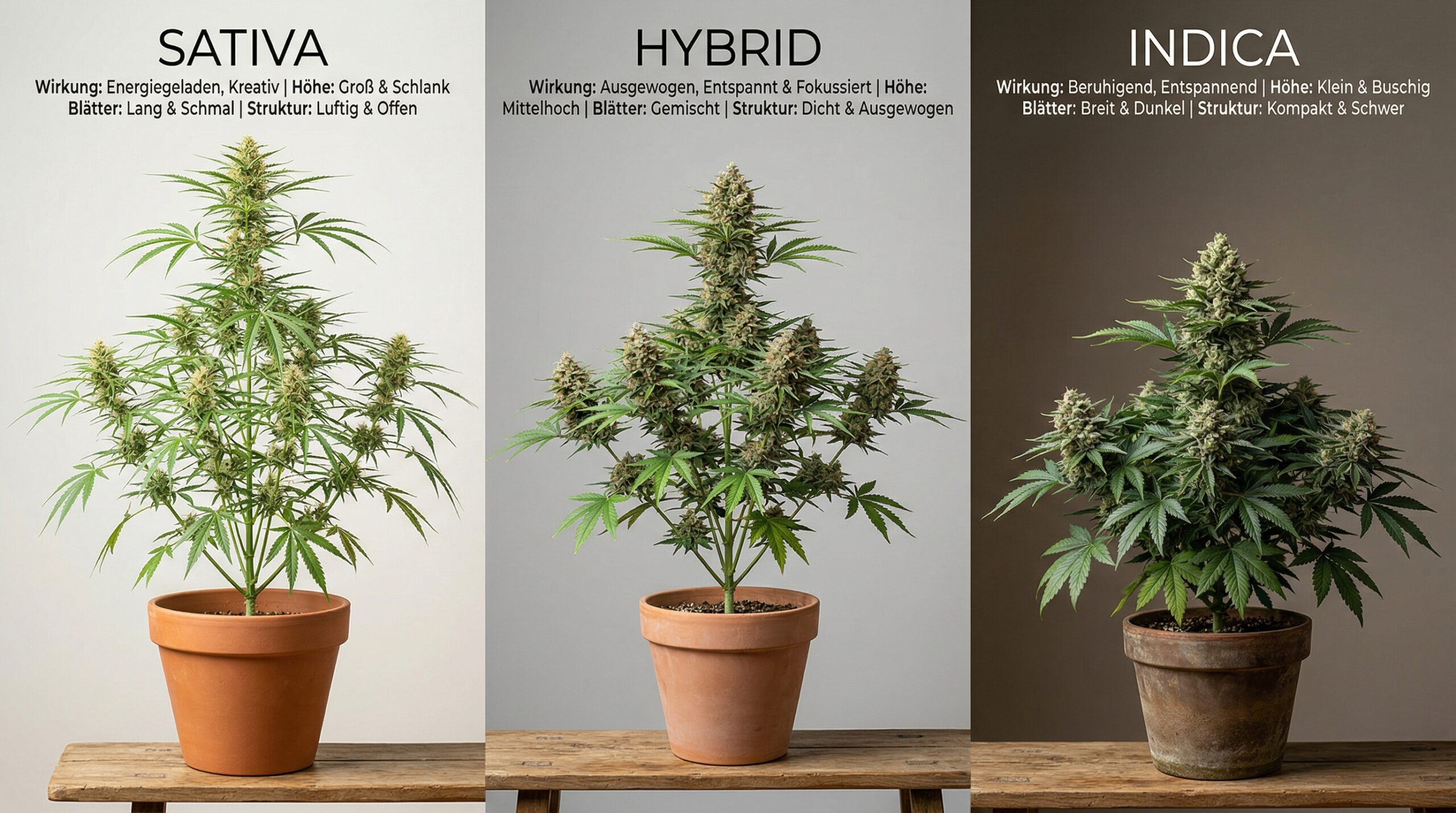
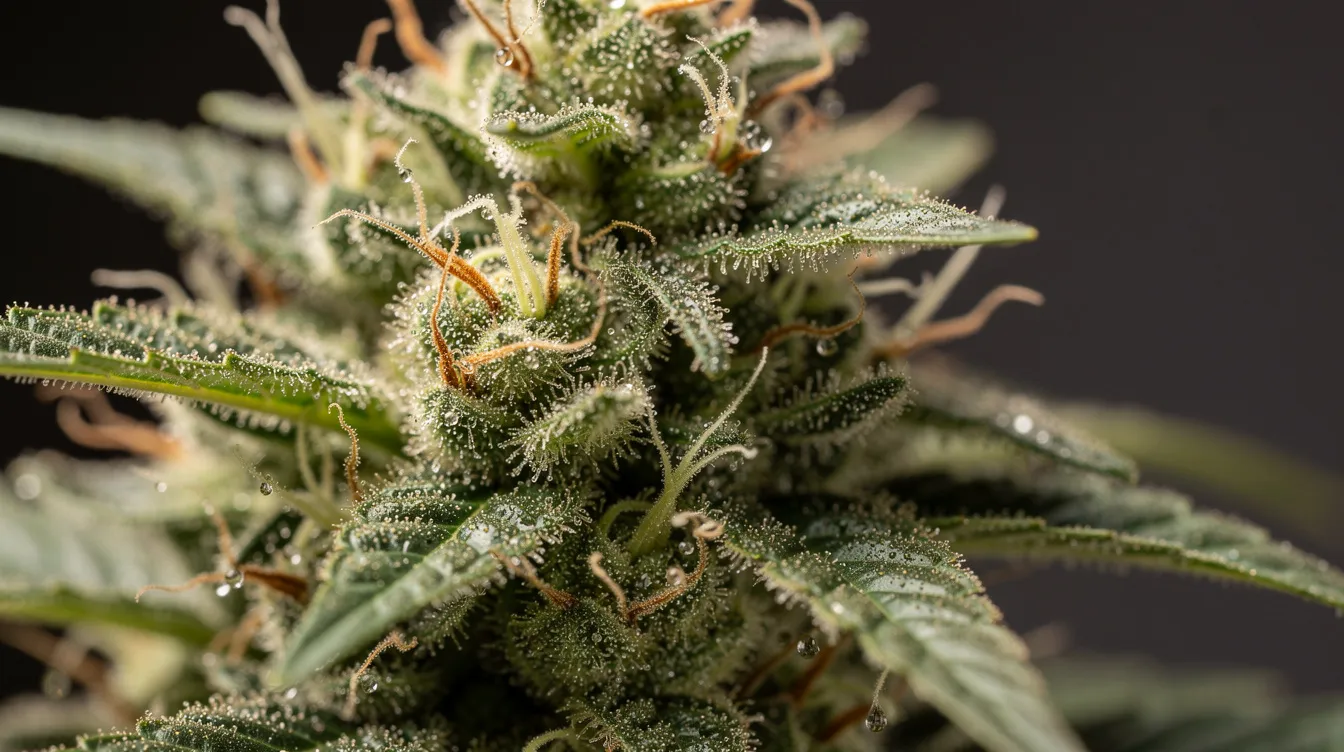
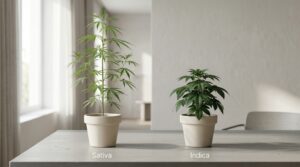
Cannabis sativa strains are characterized by their tall, slender growth habit and narrow leaves, while Indica plants tend to grow small and bushy with broad leaves. Sativa plants take longer to mature, with a flowering time of between 10 and 16 weeks, while Indica strains typically flower in 7 to 9 weeks. Sativa plants need plenty of light and space and are therefore better suited for outdoor cultivation, while Indica varieties are more compact and better suited for indoor cultivation. Sativa originates from warm, tropical regions, while Indica comes from cooler, mountainous areas.
The reality is that names and appearances say little about the chemical composition—and it is precisely this that determines the effects.
What does "hybrid cannabis" really mean?
Hybrids are crosses between Indica and Sativa genetics. Today, they account for over 95% of all available strains.
Types:
- Sativa-dominant hybrids: e.g., Haze crosses
- Indica-dominant hybrids: e.g., Kush crosses
- 50/50 hybrids: A balance of both genetic lines
“Dominant” is usually a term used by breeders to describe a plant’s growth habit or lineage—not to guarantee specific effects. More important than the label: check the lab data on cannabinoids and terpenes.
Sativa vs. Indica: What do the plants look like—and why does that hardly help you understand the effects?
Visual characteristics are important to growers. But when it comes to predicting the effects? Hardly.
Typical growth characteristics:
- Sativa plants: Tall, long flowering period, narrow leaves, loose buds
- Indica plants: Compact, short flowering time, broad leaves, dense Indica buds
As a result of decades of intensive breeding, most cultivars exhibit mixed characteristics. A compact plant may have a “sativa-typical” terpene profile—and vice versa.
The key point: Your body isn't interested in the shape of the leaf. It reacts to what's in the resin—cannabinoids and terpenes.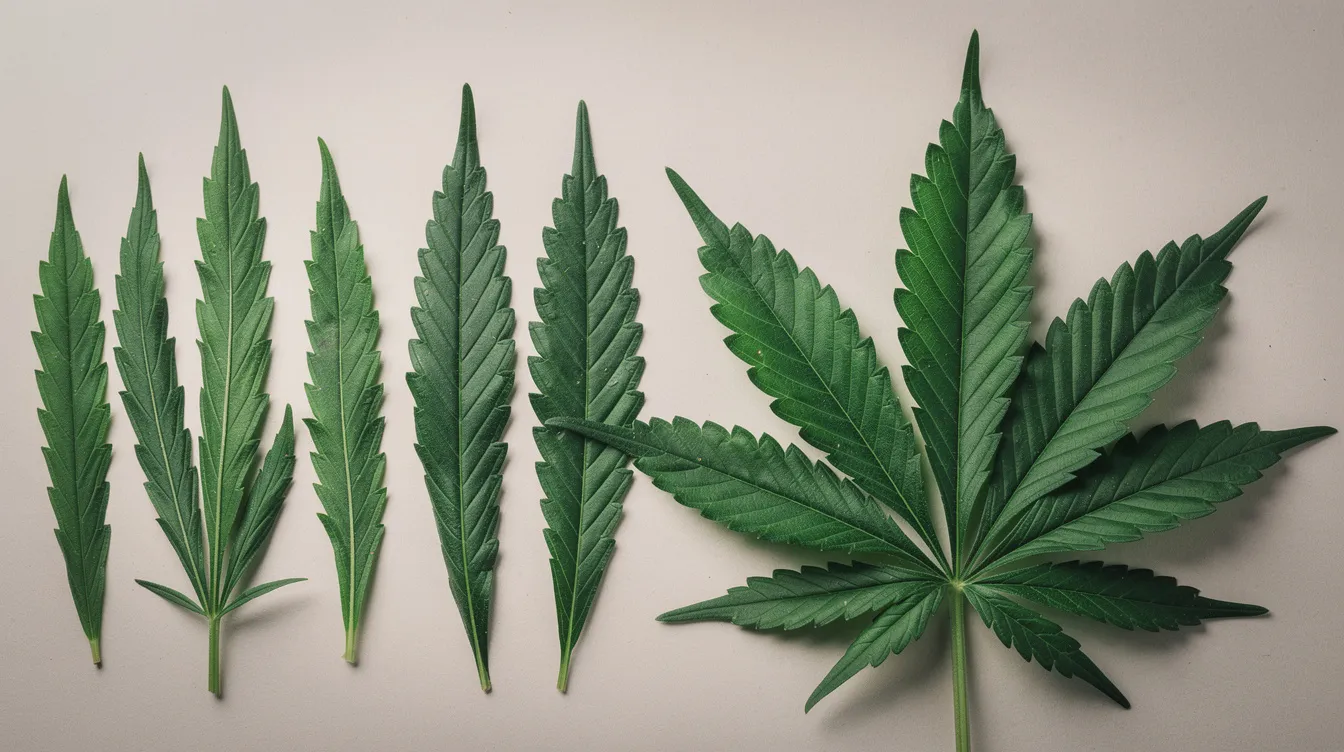
“Sativa keeps you awake, Indica makes you sleepy”—how much of that is a myth?
If someone tells you that sativa effects are always stimulating—that’s just bro science.
Common stereotypes:
- Sativa = energy, party, creativity
- Indica = sleep, couch, "munchies"
What studies show:
Researchers from Canada tested over 50 strains from legal markets (since 2018) and found no statistical correlation between Indica/Sativa labels and reported effects. Twenty-five percent of the strains labeled as Sativas caused “couch lock”—20% of the Indicas promoted creativity.
An analysis by Dalhousie University and other institutions confirms that labels are a common practice, but they do not reliably predict outcomes.
What really determines the effects of cannabis?

The effect results from the interaction between the chemical profile and your own body.
Key factors:
- Cannabinoids: THC, CBD, CBG, CBC, and others
- Terpene profile: Myrcene, Limonene, Linalool, Pinene
- Ratio of active ingredients: THC:CBD ratio, terpene combinations
- Dosage and method of use: vaporizer, smoking, edibles
- Individual factors: tolerance, mood, metabolism
Two "Indica" strains can vary greatly in their chemical composition—even though they share the same label.
To put it simply: cannabinoids are the “engine” behind the effects. Terpenes are the “steering and fine-tuning.” Together, they create the overall experience.
Cannabinoids – the basis of cannabis' effects
Cannabinoids interact with the endocannabinoid system and the cannabinoid receptors in your body.
THC (Delta-9-tetrahydrocannabinol):
- The main factor responsible for the "high"
- May cause euphoria, altered perception, and heightened sensory experiences
- At high doses (>15 mg), there is a risk of unpleasant side effects such as restlessness
CBD (cannabidiol):
- Not exactly thrilling
- Can it modulate the subjective experience of THC?
- Often used in higher doses in balancing formulations
Modern cannabis flowers vary widely: from less than 1% THC in CBD hemp to over 25% in potent flowers. The THC content says nothing about whether a strain is indica or sativa—both types of cannabis can be high- or low-potency.
Terpenes: The Underrated Key to Cannabis' Effects
Terpenes are fragrant and aromatic compounds that give plants their characteristic scent—and help determine their effects.
General points:
- Found in cannabis, citrus fruits, lavender, and pine trees
- are key factors in determining whether a cannabis strain smells lemony, earthy, or floral
- Interacts with cannabinoids (keyword: entourage effect)
Important for vaporizer users: Terpenes vaporize at 150–190°C. Gentle vaporization rather than combustion preserves up to 95% of the volatile aromas—at 600°C+ combustion, only 20% remain.
Anyone who buys cannabis based solely on whether it’s indica or sativa and ignores the terpene profile is overlooking the most important factor in their own experience.
Key Terpenes in Cannabis and Their Potential Effects
The following overview will help you understand why two strains with similar THC levels can feel completely different. The information provided is based on typical experiences—not medical recommendations.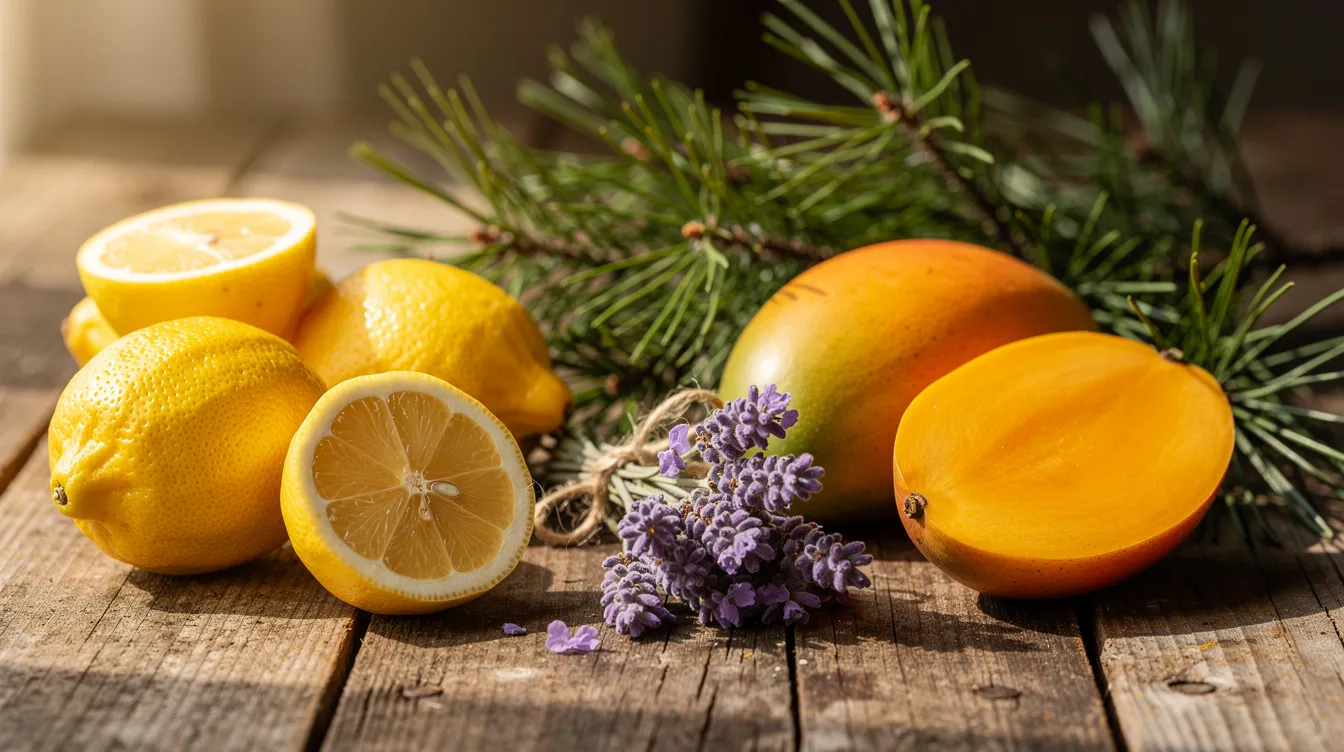
Myrcene – often associated with an “Indica high”
Aroma: Earthy, musky, slightly spicy—like mango and hops
Occurrence: Dominant in 60% of all cannabis strains (20–50% of total terpenes)
Many highly relaxing strains have high myrcene content (>0.5%). It is often associated with “couch lock”—traditionally attributed to indica strains, but now dominant in many hybrids.
Limes – the “citrus kick”
Aroma: Fresh citrus notes – lemon, orange, grapefruit
Sources: citrus peels, various herbs
Limonene is found in many strains labeled as “Sativa” and is described as mood-lifting. Many users find it appealing for daytime use or creative periods—regardless of the label.
Linalool – floral and rich
Aroma: Floral, lavender-like, slightly sweet
Ingredients: Lavender, cilantro, basil
Linalool is often associated with calming experiences. Strains with a noticeable linalool content are popular among many users in the evening or for “winding down.”
Pinene – The scent of the forest in your mind
Aroma: pine, fir, resinous – "forest scent"
Found in: conifers, rosemary, sage
Strains containing pinene are often perceived as providing greater mental clarity and a “lighter” high. Important: Pinene is found in both “Sativa” and “Indica” strains—the old dichotomy is continuing to blur.
The Effects of Cannabis Explained: Old School vs. Modern Understanding
In the past: Sativa vs. Indica. Today: Cannabinoid and terpene profiles.
| Old ways of thinking | Modern understanding |
|---|---|
| Sativa = alert, creative | The entire Chemovar counts |
| Indica = sleepy, heavy | THC + CBD + Terpenes combined |
| THC content as the sole measure | Take into account the form of consumption and the dose |
| Label as a guarantee | Take individual responses into account |
Thinking practically:
- When purchasing: ask for lab results and terpene profiles
- Keep track of your own reactions (strain, terpenes, dosage, mood)
- Discover, step by step, what works for your body
The Sativa vs. Indica Myth: Why This Distinction Is Often Misleading
Genetic analyses show that these categories cannot be classified as distinct cannabis species. DNA sequencing reveals a 99% genetic similarity between their genomes.
Reasons based on scientific evidence:
- Decades of hybridization have mixed gene pools
- Growers often label their products based on marketing considerations, not on lab results
- Users develop placebo effects (“It says ‘Sativa’ on it, so I’m awake”)
A Canadian study of 152 samples identified five classes of activity—regardless of the labeling. The clusters were grouped based on chemical composition, not by name.
Anyone who clings rigidly to the sativa and indica distinction is stuck with cannabis knowledge from 20 years ago.
Recommendation: View Indica/Sativa only as a broad category for plant type and origin, not as a guarantee of effects.
Hybrid Cannabis: Significance and Practical Implications for Consumers
Today, hybrids are the norm, not the exception—even though labels often play on the idea of “pure” Indica or Sativa.
Common hybrid categories:
- Indica-dominant: Compact growth habit; subjectively, often produces a “heavier” effect
- Sativa-dominant: Stretchy growth; subjectively, more frequent reports of feeling “more active”
- 50/50 hybrids: A balance of both lines
“Dominant” usually refers to genetics or growth habit—not to the terpene and cannabinoid profile.
Practical tip: Instead of searching for “Indica-dominant,” define specific effects you’re looking for, such as “more clear-headed and focused” or “more relaxing.” Then choose based on the terpene profile and THC/CBD levels.
What does all this mean for beginners and vaporizer users?

Want to use cannabis more responsibly? Then you need more than just labels.
Practical tips:
- Don’t just ask about indica or sativa—ask about the effects: “clear-headed,” “relaxing,” “physical,” “mental”
- Check lab results: THC, CBD, terpene profile
Vaporizer Spotlight:
- Vaporizing at 160–190°C preserves terpenes better than burning
- Try different temperatures for different effects and flavors
- A clean, nuanced aroma allows you to discern differences in terpenes
Recommendation: Keep a food diary
Make a note of: date, strain, THC/CBD, terpenes (if known), dose, vaping temperature, and how it makes you feel. This will help you quickly figure out which profiles suit which mood.
In user forums (2023), personalized Chemovar tracking reduced poor sessions by 50%.
Conclusion: Cannabis Indica vs. Sativa – A Real Difference or Just a Label?
Indica and sativa alone do not determine either the potency or the nature of the effect. Terpenes, cannabinoids, dosage, and your individual physiology are the deciding factors. Modern users benefit from thinking in terms of chemical profiles—not simple categories.
Your next step:
- Use Indica/Sativa as a rough starting point
- Build on this by monitoring terpene profiles, THC/CBD levels, and your own reaction
- Vaporizers used at moderate temperatures help you better distinguish these differences in taste and effect
The future belongs to terpene-based selection—not outdated labels.
FAQ: Frequently Asked Questions About Sativa, Indica, and Hybrids
Here we answer some common follow-up questions. This information is for informational purposes only and is not intended to replace medical or therapeutic advice.
Is Sativa really always energizing?
No. Many users associate sativa with energy, but the reality is more complex. The chemical profile and your individual response matter more than the name. There are sativas that some patients find jittery or even tiring—often due to hidden myrcene or a high THC content. When trying a new cannabis strain for the first time, always start with a low dose—regardless of the label.
Do Indica strains always make you sleepy?
Not necessarily. Indica is traditionally associated with drowsiness, but terpenes like myrcene and linalool are often the culprits—even in hybrids. If you want to relax in the evening but don’t want to fall asleep right away, you should choose strains with moderate THC levels and a balanced terpene profile instead of blindly opting for “Indica.” The rule “Indica = sleepiness” is too simplistic.
Do terpenes really play a bigger role than the strain type?
Current research strongly suggests this. One study showed a correlation of r=0.7 between terpene profiles and reported effects—but only r=0.2 between labels and effects. A “strain type” without information on terpenes and cannabinoids is hardly meaningful. Next time you shop, compare strains with different primary terpenes—you’ll experience the differences for yourself.
What exactly is a hybrid strain, and is it better than pure sativa or indica?
Hybrids are crosses between Indica and Sativa genetics and make up the majority of modern strains. “Better” is subjective: Hybrids allow for finely tuned effects—for example, a clear head but a relaxed body. Don’t choose based on “hybrid yes/no,” but rather on the specific effects and your goals. The cannabis plant offers enormous diversity through selective breeding.
How do I find the right strain if I no longer want to rely on Indica/Sativa?
First, define your goal: “Relax in the evening without feeling completely wiped out” or “stay focused during the day.” Ask at the shop or pharmacy for strains with suitable THC/CBD levels and learn about their terpene profiles. Keep a written record of your experiences—strain, profile, dose, effect—and gradually develop your own personalized “best-of” profile. This way, cannabis use becomes a conscious choice rather than a matter of chance.
All articles on cannabis strains & science
 10 min.
Sativa, Indica, or Hybrid: Myths, Truth, and Vape Temperatures
Almost every cannabis classification system in the world is divided into the same three categories: Sativa, Indica, and Hybrid. The system is…
 9 min.
The Endocannabinoid System (ECS) Explained Simply
It's probably a thought that rarely crosses most people's minds, but when you're using a vaporizer…
 9 min.
Understanding Trichomes: Structure, Function, and Harvest Time
Contrary to popular belief, the crystalline frost on a high-quality flower is not just for decoration. You could say that it…
 9 min.
Storing Cannabis Properly: Humidity, Light, Temperature, and Containers
Good cannabis rarely goes bad all at once. It slowly loses its quality. You buy a great batch, let…
 8 min.
What Is THCP? Stronger Than THC? Science, Effects, and Safety
In late 2019, Italian researchers studied a relatively unknown medical cannabis strain and discovered a cannabinoid that had previously…
 10 min.
When to Harvest Cannabis? Trichome Maturity and Key Indicators
After spending twelve exciting weeks tending to your plants like a doting parent, you are…
 10 min.
Linalool Effects: A Calming Terpene Found in Cannabis, Lavender, and Aromatherapy
Linalool is one of the most fascinating molecules in the plant world. As a natural monoterpene, it not only defines the characteristic scent…
 12 min.
Cannabis Trichomes – Everything You Need to Know About Resin Glands, Maturity Levels, and Harvest Time
These microscopic structures play a key role in determining how potent, aromatic, and high-quality your cannabis is. Trichomes are much more than that…
 9 min.
Is cannabis addictive?
 5 min.
Cannabis as a sleep aid—can hemp really help you sleep?
 9 min.
Sativa vs. Indica: What differences should you be aware of?
