
Key Findings
Cannabis fertilizer is the foundation for your plants’ yield, aroma, and health. Without a targeted supply of nutrients, cannabis plants—whether in pots, in the garden, or in indoor environments—will show clear signs of deficiency after just a few weeks, ranging from yellow foliage to weak flowers. Through targeted fertilization and measures such as flushing, the aroma and quality of cannabis flowers can be significantly improved. Choosing the right fertilizer is crucial for both indoor cultivation and outdoor gardening to achieve optimal results. A tip: Videos on identifying nutrient deficiencies in cannabis plants offer clear guidance and are an ideal complement to this article.
- Cannabis fertilizers and NPK ratios vary depending on the plant's life stage: nitrogen-rich during the growth phase, phosphorus- and potassium-rich during the flowering phase
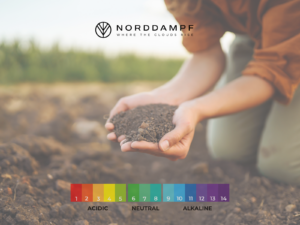
- The pH level of cannabis (soil: 6.0–7.0, hydroponics: 5.5–6.5) and the EC level of cannabis determine whether nutrients can be absorbed at all
- Organic cannabis fertilizer promotes soil life and aroma, while mineral cannabis fertilizer offers precise control and quick corrections
- Over-fertilization is more common than under-fertilization—it’s better to start cautiously and increase gradually
- Documentation and observation are better than any rigid fertilization schedule
The following article goes into detail and is suitable for both beginners and advanced users.
Introduction: Why Cannabis Fertilizer Matters
In nature, cannabis draws its nutrients from diverse soil microbiomes and decomposing organic matter. In pots or indoors, the situation is different. Natural nutrient levels are quickly depleted, and without targeted fertilization, deficiencies often become apparent within weeks.
When it comes to selecting and using cannabis fertilizers , outdoor gardening (outdoor cultivation) has different nutrient requirements than indoor cultivation. Organic soil is particularly well-suited for outdoor gardening and has proven effective over time for outdoor growing processes.
This article provides a neutral, theoretical overview. You should always take into account the current legal situation in Germany, Austria, and Switzerland—as of 2026, different regulations apply to the private cultivation of cannabis.
What happens if you don't use the right cannabis fertilizer?
- Plants remain small and grow slowly
- Leaves turn pale, yellow, or spotty
- The flowers develop poorly and have little fragrance
- The harvest is significantly below its potential
In the following sections, we will discuss the most important nutrients, NPK ratios, the difference between organic and inorganic fertilizers, pH and EC levels, common mistakes, and practical tips for better results.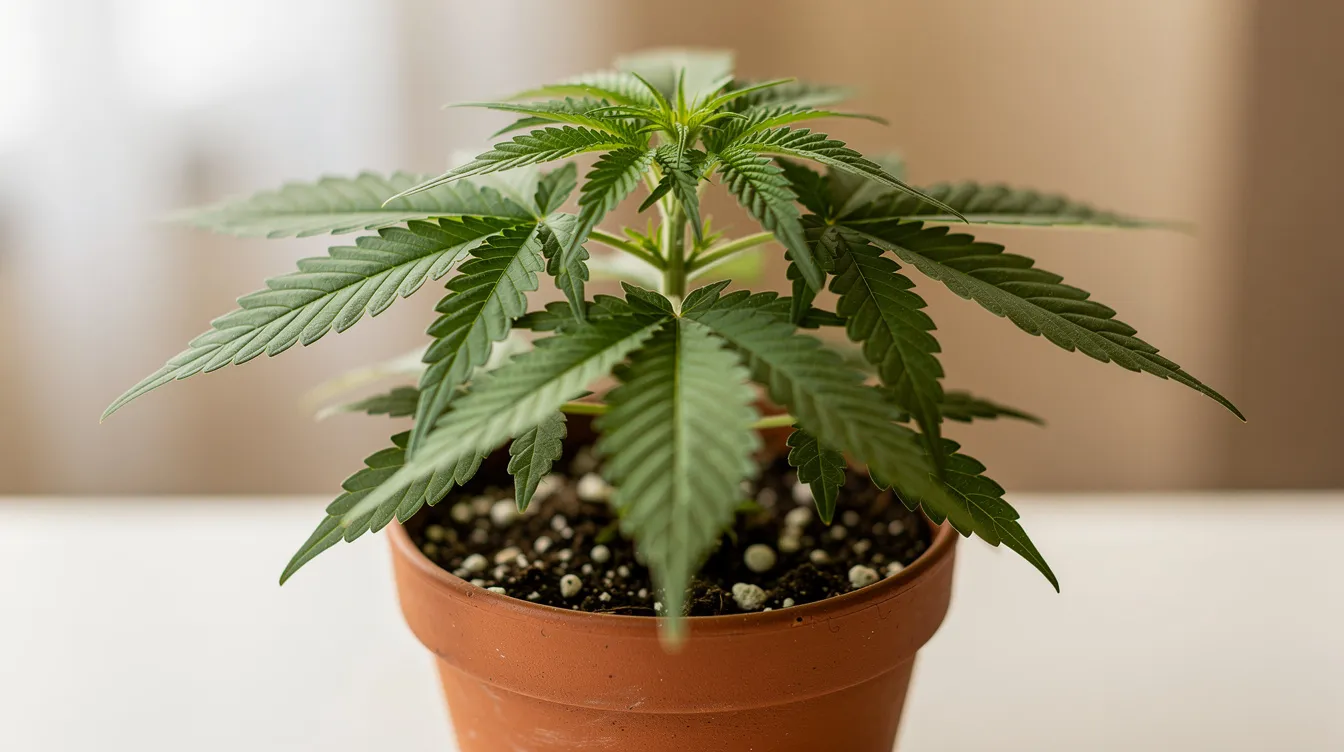

Our Best Sellers
Discover the most popular Norddampf products


Basics: What Nutrients Cannabis Really Needs
Like other high-yield crops, cannabis requires a precise balance of various nutrient groups. These can be divided into three categories:
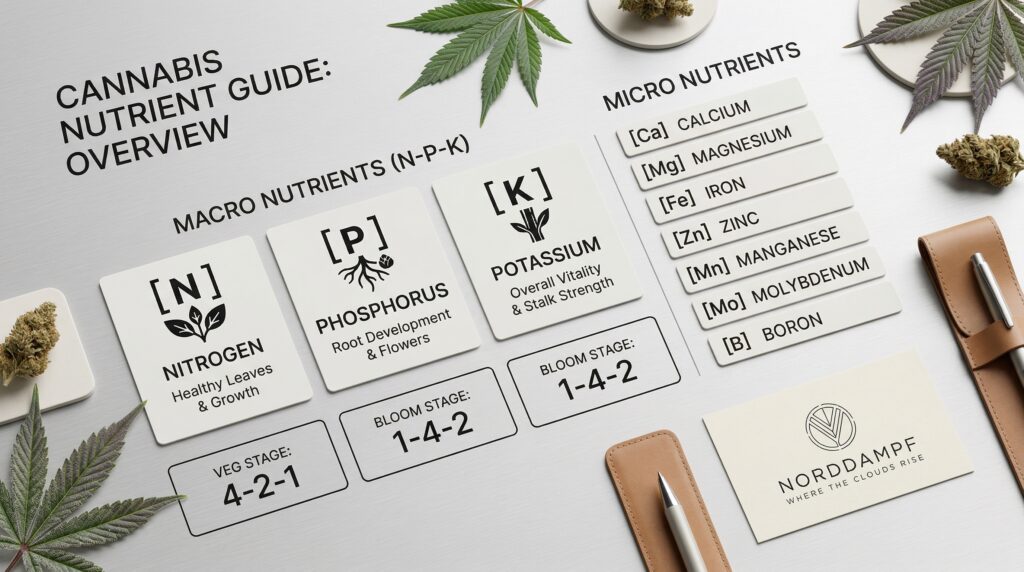
Macronutrients (N, P, K):
- Nitrogen (N): The driving force behind leaf mass and vegetative growth
- Phosphorus (P): Essential for root development and flower formation
- Potassium (K): Regulates fluid balance and boosts stress resistance
Secondary nutrients:
- Calcium (Ca): Stabilizes cell walls and supports nutrient transport
- Magnesium (Mg): A key component of chlorophyll
- Sulfur (S): Important for protein synthesis
That is why CalMag products are so widely used—these elements are often lacking, especially in soft water or inert media such as coconut coir.
Micronutrients:
- Iron (Fe): Chlorophyll synthesis
- Zinc (Zn): Enzyme activation
- Manganese (Mn): Supports photosynthesis
- Boron, copper, molybdenum: Various metabolic processes
Good cannabis fertilizers already contain these trace elements in balanced amounts. A single “miracle fertilizer” isn’t very effective—it’s the balance that makes the difference.
NPK in Detail: The Role of Nitrogen, Phosphorus, and Potassium
The NPK values listed on each fertilizer package (e.g., 4-2-3) indicate the ratio of nitrogen, phosphorus, and potassium as a percentage by weight. Understanding these numbers is key to applying the correct dosage.
Nitrogen (N):
- Promotes vegetative growth and leaf coloration
- Too much will result in dark green leaves and scorched tips
- Accounts for about 3–6% of the dry weight of healthy plants
Phosphorus (P):
- Promotes root development in seedlings
- Supports ATP energy transfer and flower bud formation
- Peak values of 3–8% in flowering formulas for bud density
Potassium (K):
- Regulates osmosis and enzyme activation
- Improves flower density and resin production
- Boosts resilience to stress
Typical conditions:
- Growth stage: 3-1-2, 4-2-3, or 6-3-4 (nitrogen-rich)
- Flowering stage: 1-3-4, 1-4-5, or 2-4-5 (P/K-emphasized)
Different brands and manufacturers use slightly different ratios. The basic principle remains the same: a high nitrogen content during the growth phase, with potassium and phosphorus dominating during flowering.
Organic Fertilizer vs. Inorganic Fertilizer for Cannabis
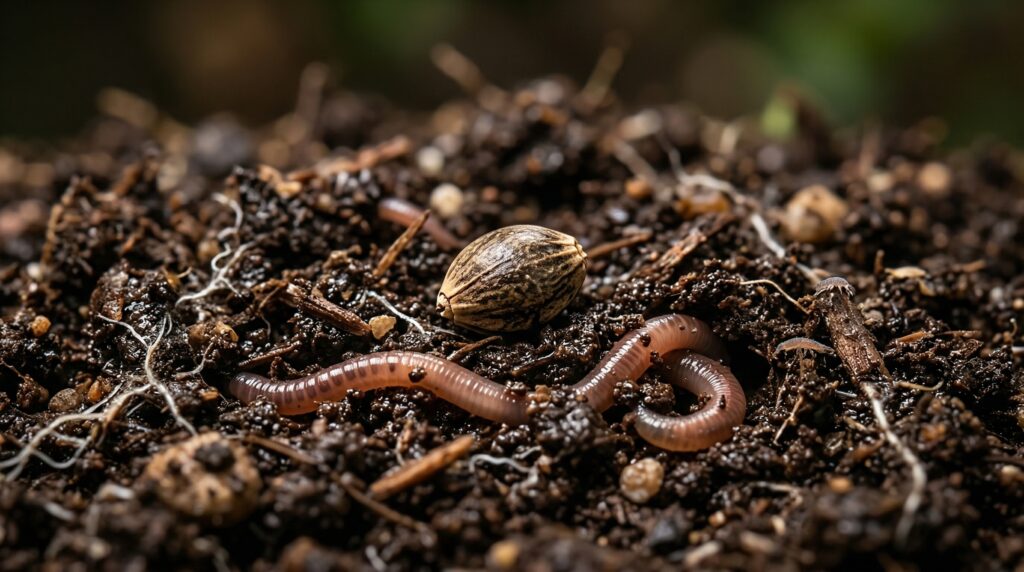
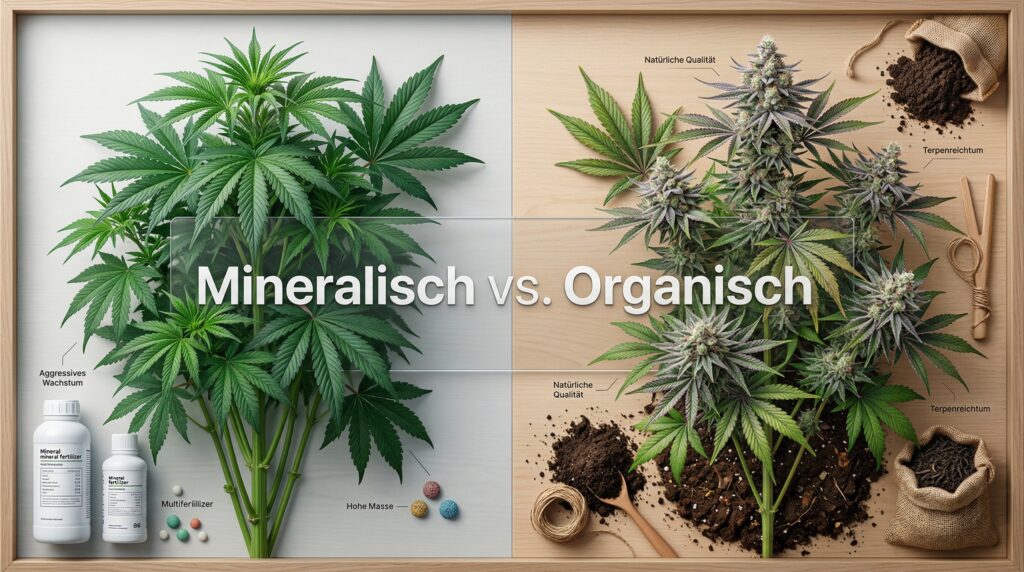
The question “organic cannabis fertilizer or mineral cannabis fertilizer?” is one of the most debated topics in cannabis cultivation. Both approaches have their merits—the choice depends on the growing medium, your goals, and personal preferences.
Organic fertilizers are made from natural materials: compost, manure, and plant extracts. Mineral fertilizers are industrially produced, water-soluble salts. Below are the key differences.
Organic Cannabis Fertilizer: Slow-release, soil-friendly, forgiving
Typical organic sources include worm castings, guano, bone meal, algae extract, and plant-based liquid fertilizers. The nutrients are released through microbial decomposition—a process that is slower than with mineral-based products.
Advantages:
- 50–70% lower risk of nutrient burn due to slow release
- Establishing a thriving soil ecosystem with natural pH buffering
- According to many reviews, the flowers have a better aroma and flavor profile
- Tests show up to 15% higher myrcene levels in organic farming
Disadvantages:
- The effects take time to kick in (7–14 days until results are seen)
- Nutrient levels vary by batch and are less easily controlled
- Indoors, odors can be unpleasant
- Generally unsuitable for hydroponic systems
Living Soil, which uses pre-fertilized soil, can thrive with almost no additional liquid fertilizer—but it does require experience in soil care.
Mineral cannabis fertilizer: Fast, precise, but prone to errors
Mineral fertilizers are liquid or granular salt fertilizers (nitrates, phosphates, potassium salts) that dissolve completely in water. The nutrients are available within hours.
Advantages:
- Immediate plant availability – results are visible quickly
- Precise control of NPK, pH, and EC is possible
- Ideal for controlled indoor environments and hydroponics
- Yield: 1 liter of concentrate often yields 600–1,200 liters of nutrient solution
Disadvantages:
- Higher risk of over-fertilization if the dosage is incorrect
- Without regular flushing, salt deposits can cause up to 40% root damage
- The pH level must be monitored more closely
- No natural buffering, as is the case with organic systems
Many modern products combine mineral bases with organic additives—a trend that has gained momentum following the 2024 EU reforms.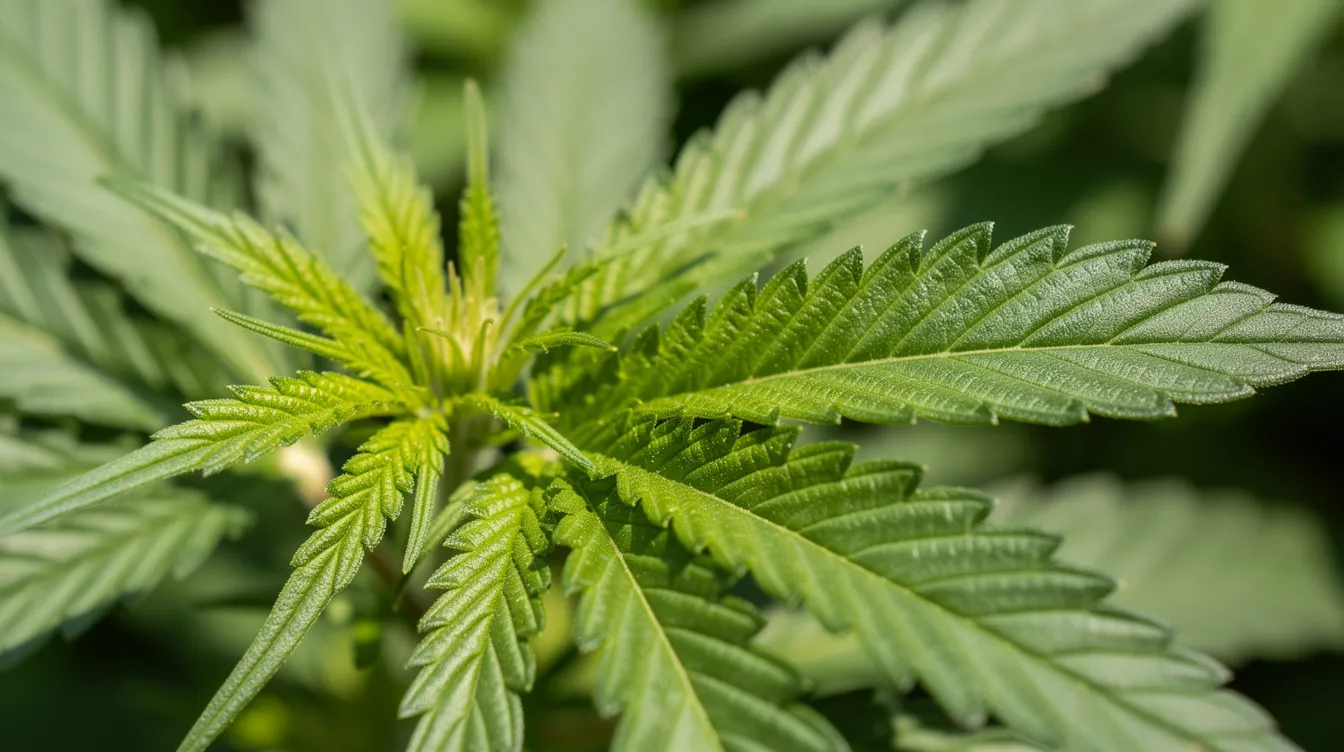
Nutrient Requirements by Life Stage: From Seedling to Flowering
The need for cannabis fertilizer changes significantly throughout the plant's life cycle. The three main phases—seedling, growth, and flowering—each require specific nutrient profiles.
A common beginner's mistake: fertilizing too early or too heavily in the first few weeks. The rule of thumb is "less is more" at the start.
Seedlings and young plants: Better safe than sorry
During the first 1–2 weeks, cannabis seedlings obtain all the nutrients they need from the seed and a light potting mix. Adding extra fertilizer is usually counterproductive.
Recommendations:
- Use only water with the correct pH level
- For mineral-based systems, use no more than 50% of the manufacturer's recommended amount
- Keep the EC value low (0.4–0.8 mS/cm)
Characteristics of healthy seedlings:
- Leaves that are a rich green, but not dark green
- Slow, steady growth
- No burnt leaf tips
Warning signs of over-fertilization:
- Curled leaves
- Very dark green
- Split ends
Root health, temperature (20–24 °C), and humidity are more important during this phase than high nutrient levels.
Growth phase (vegetative phase): Focus on foliage and structure
During the growth phase, the “engine” really kicks into gear. Nutrient requirements increase, especially for nitrogen. Studies from the University of Guelph show that nitrogen levels of 150–200 ppm are optimal for maximum biomass.
Timing:
- In soil: Begin moderate fertilization 2–3 weeks after germination
- In coconut coir: Often a bit earlier, since the medium contains hardly any nutrients of its own
Typical NPK ratios:
- 3-1-2, 4-2-3, or 6-3-4
Desired effects:
- Rapid but not stunted plant growth
- Sturdy stems
- Lush green foliage without scorch marks
Toward the end of the growth phase, the nitrogen content is slightly reduced. This gently prepares the plant for the flowering phase.
Flowering stage: From growth to flower production
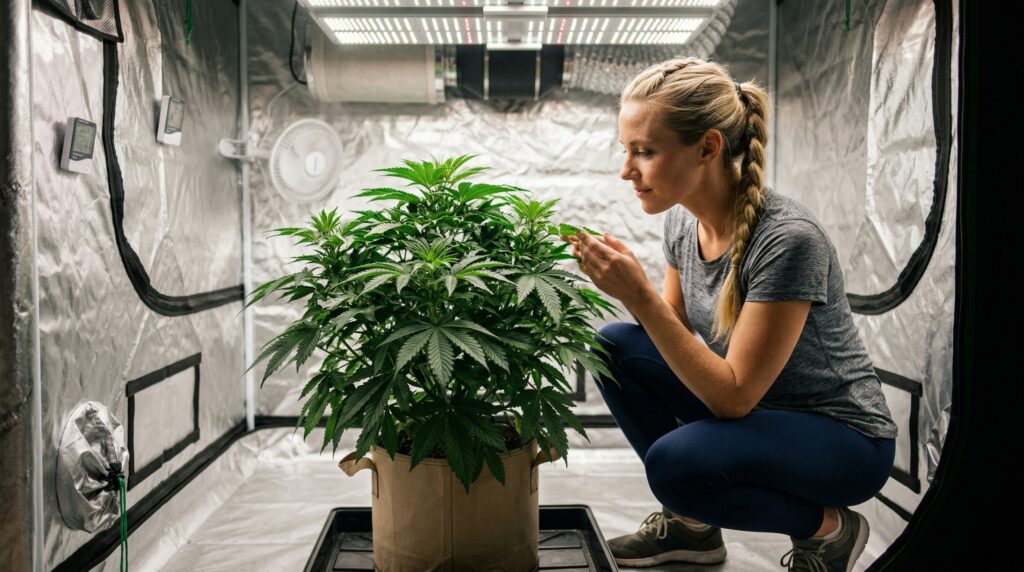
As the plant transitions to flowering (photoperiod change for photoperiodic varieties, automatic for autoflowers), its nutrient requirements shift significantly.
Changes:
- Reduce nitrogen application – excessive leaf growth is undesirable at this time
- Phosphorus and potassium promote flower formation and resin production
- Studies show that flower weights are 30–40% higher under optimal conditions
Example ratios:
- Early bloom: 1-3-4
- Mid-bloom: 1-4-5
- Late bloom: Reduce moderately
In the last 1–2 weeks before harvest, many growers use only water or a very weak solution. This “flushing” is a common practice, especially with mineral fertilizers.
A sudden change in the nutrient solution can cause stress. Gradual adjustment is gentler on the plants.
How often and how much should you fertilize? Practical guidance
There is no one-size-fits-all answer. The dosage and frequency depend on the pot size, growing medium, lighting, temperature, and type of fertilizer.
General Principles:
- Consider the manufacturer's recommendation as the upper limit
- For beginners: Start with 50–70% of the specified amount
- It's better to fertilize lightly but more often than to fertilize heavily but rarely
- Base watering intervals on the moisture level of the growing medium (finger test, pot weight)
Typical indoor practice:
- Fertilize 1–3 times a week
- Add clear, pH-balanced water in between
- In heavily pre-fertilized potting mixes (e.g., All-Mix), no additional fertilizer is usually needed for 3–4 weeks
The plants' response is more important than rigid plans. Leaf color, growth rate, and the EC of the drainage water provide the best indicators.
pH and EC: The Key to Nutrient Uptake
Even the best cannabis fertilizer will be ineffective if the pH and EC levels of the cannabis are not correct. These two parameters determine whether nutrients can be absorbed at all.
pH level: A measure of acidity or alkalinity. It affects the solubility of individual nutrients.
EC value: Electrical conductivity. An indirect measure of the concentration of dissolved salts.
Cannabis pH Levels: Recommended Ranges by Growing Medium
Guidelines:
- Soil: pH 6.0–7.0, ideally 6.3–6.8
- Coconut coir and hydroponics: pH 5.5–6.5
What's happening outside the window?
- Iron uptake is inhibited at pH values above 7.0 → Interveinal chlorosis
- Phosphorus precipitates at a pH below 5.5
- Nutrient deficiencies despite adequate fertilization
Measurement and adjustment:
- Getting Started: Drop or Strip Tests
- Advanced: Digital pH meter with regular calibration
- Adjustment: pH-down/pH-up products or natural acids
Organic systems regulate their pH to some extent through microorganisms. Mineral systems are more sensitive to fluctuations.
EC Value for Cannabis: Keeping an Eye on Fertilizer Concentration
The EC value for cannabis tells you how much salt/nutrients are dissolved in your solution.
Reference values (mS/cm):
- Seedlings: 0.4–0.8
- Growth phase: 0.8–1.4
- Flowering stage: 1.4–2.0 (depending on the variety)
Important to know:
- Hard tap water already has a high baseline EC
- The average conductivity of German tap water is 0.3–0.8 mS/cm
- If the EC value exceeds 0.5: Consider reverse osmosis filtration
EC Measurement in Practice:
- Measure the fresh nutrient solution
- Check the drain water – a significantly elevated EC level indicates salt buildup
- When plants are stressed: Water them instead of adding more fertilizer
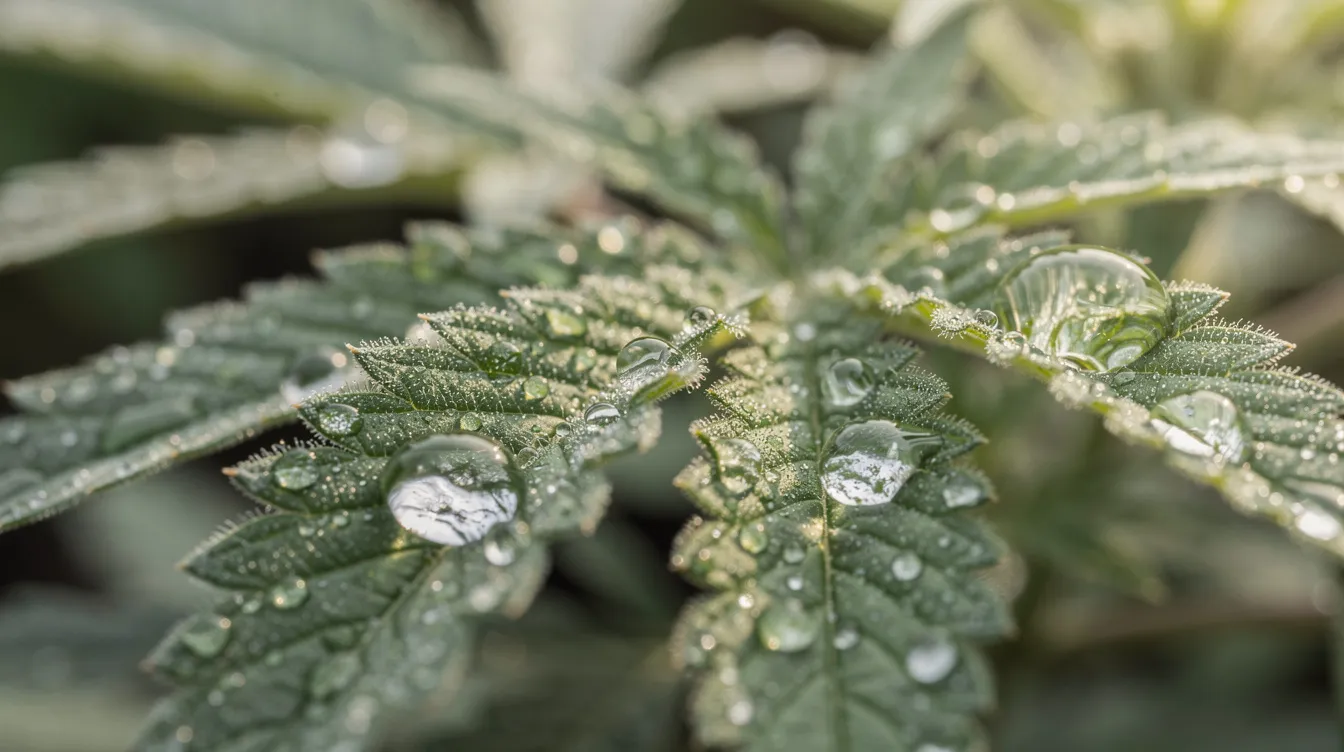
Fertilizers for Hydroponics and Soil: Differences and Characteristics
Cannabis Fertilizer.
The choice that determines your harvest.
The growing medium makes all the difference.
Hydroponics or soil?
Two worlds. Two approaches.
One mission: to maximize the performance of your cannabis plants.
Hydroponics – Pure Performance.
Your plants grow in rockwool, expanded clay, or coconut coir.
Inert growing medium. Contains no nutrients of its own.
This means: You have complete control.
Hydroponic fertilizer is a must.
Not just any fertilizer.
These products deliver all nutrients in an immediately available form.
Precise EC control.
Precise pH control.
Your plants respond immediately. To everything.
Growth phase?
Nitrogen dominates.
Vigorous plant growth.
Explosive growth.
Flowering phase?
Focus on phosphorus and potassium.
Maximum flower development.
Optimized yield.
You're in charge. You're in control. You make the decisions.
Earth – Natural Performance with a System.
Soil Life works for you.
Natural buffering effect.
Organic and mineral fertilizers available.
But: Don’t just use any old products.
Fertilizers specially developed for soil-based gardening.
They support your plants.
They promote soil life.
They maximize potential.
The same applies here:
Growth phase – focus on nitrogen.
Flowering phase – phosphorus and potassium dominate.
The principle behind it.
No matter which growing medium you choose.
The nutrient supply has to be just right.
For the growth stage. For the needs. For your plants.
This is the only way to unlock its full potential.
This is the only way to ensure a successful harvest.
This is the only way to turn good cultivation into premium performance.
Your cannabis plants.
Your decision.
Your success.
Common Mistakes When Fertilizing Cannabis: Over-fertilization, Under-fertilization, and More
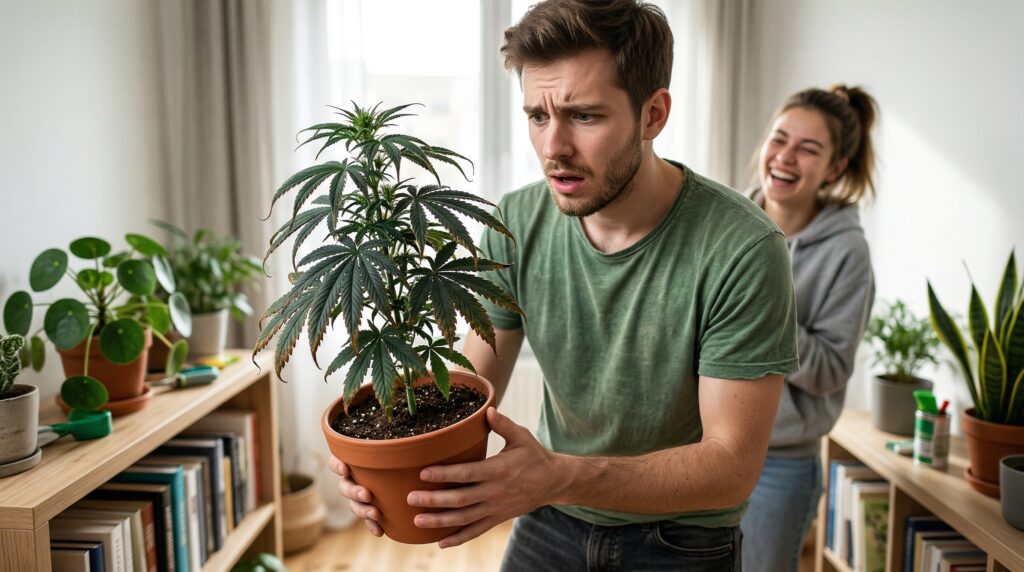
Mistakes made when using cannabis fertilizers are among the most common causes of problems in cultivation—even more so than pests or diseases.
The most common sources of error:
- Starting fertilization too early for seedlings
- Continuous fertilization without a clear water interval
- Ignoring pH and EC
- Mixing different fertilizer lines without a plan
Deficiency symptoms are often easier to correct than severe over-fertilization. A cautious approach pays off.
Recognizing and Avoiding Over-Fertilization
Symptoms:
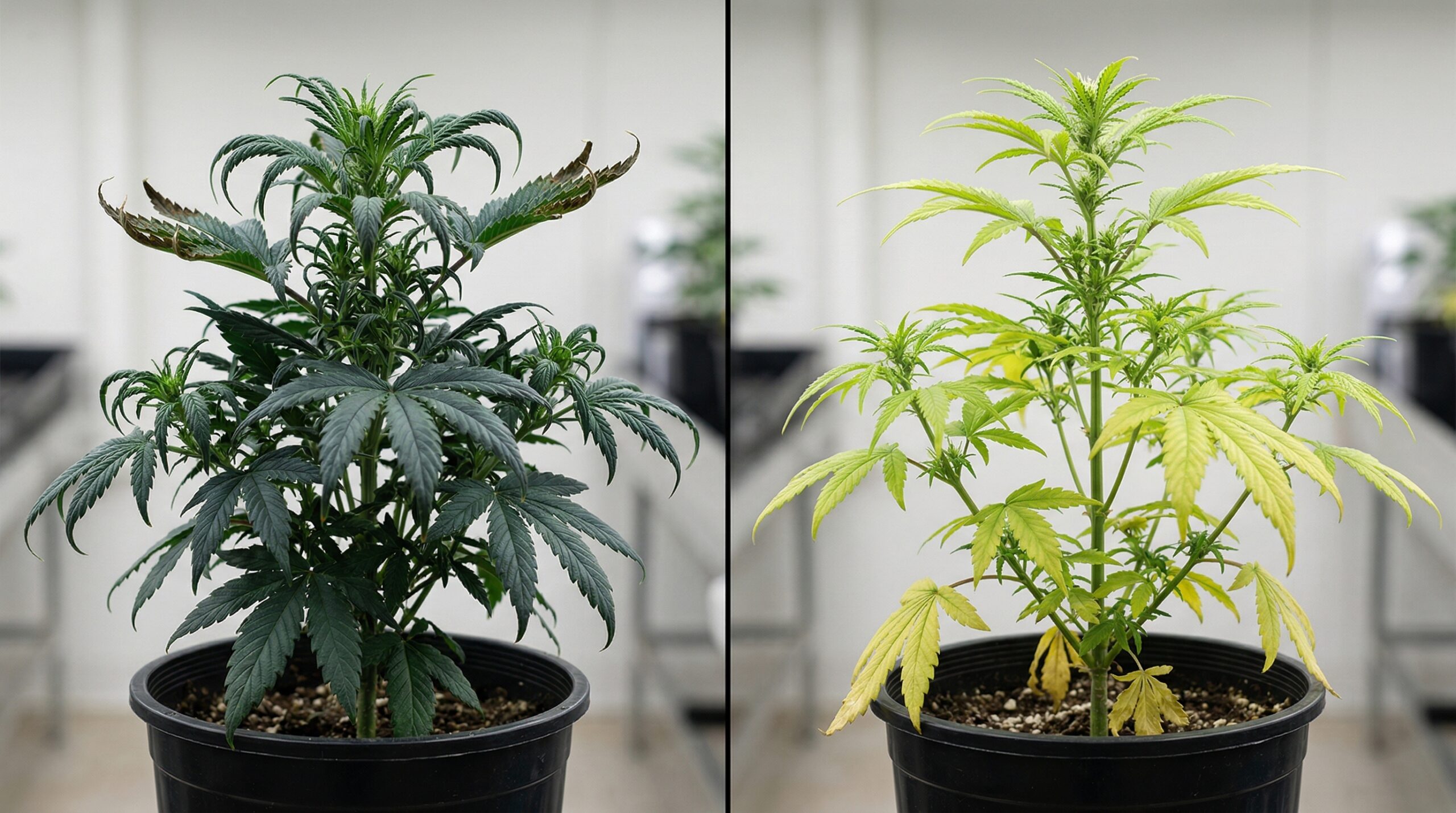
- The tips and edges of the leaves turn brown (nutrient burn)
- The leaves appear very dark green and curve downward ("clawing")
- No growth despite lush greenery
- In extreme cases, burnt roots
Causes:
- Dose too high compared to the manufacturer's instructions
- Fertilize with every watering without flushing
- Salt accumulation in small pots
Countermeasures:
- Significantly reduce fertilizer application
- Rinse the substrate thoroughly with plenty of water adjusted to the appropriate pH
- Monitor the EC of the drain water
Prevention:
- Introduce new products gradually
- With autoflowering strains, always use fertilizer sparingly
- Don't use all products at the same time
Under-fertilization and nutrient deficiencies: When plants are truly “hungry”
True nutrient deficiency is characterized by slow growth, pale leaves, and smaller flowers—without scorched edges.
Common causes:
- Water alone for too long in nutrient-poor substrates
- Very low EC levels despite strong light
- Depleted nutrients in pre-fertilized soil
Correction:
- Gradually increase the amount of fertilizer
- Observe the plant's reaction over several days
- Apply basic nutrients (NPK) before applying specialty boosters
Under-fertilization is often less severe and easier to remedy—as long as the leaves haven't died off extensively.
Identifying Nutrient Deficiencies: What Leaves Reveal About Cannabis Fertilizer
Leaf color, shape, and texture provide important clues about the plant’s nutritional status. Just like a blood test in humans, the leaves reveal what is lacking or present in excess in the plant’s system.
Important: Many problems are not caused by a lack of fertilizer, but by an incorrect pH level or blocked roots. Check the growing conditions first, then apply additional fertilizer.
Nitrogen deficiency (N)
Symptoms:
- Older, lower leaves first turn light green, then yellow
- The plant looks emaciated, and its growth has slowed
- Leaves fall prematurely when there is a severe deficiency
Causes:
- Insufficient nitrogen fertilization during the growing season
- Leached substrate
Measures:
- Moderately increase the amount of nitrogen-containing base fertilizer
- Make sure the NPK ratio is balanced
A slight lightening of the leaves during late bloom is often normal—the plant is mobilizing its reserves.
Phosphorus deficiency (P)
Symptoms:
- Leaves dark green to slightly bluish
- Reddish or purple discoloration on stems and the undersides of leaves
- Withered flowers, small leaves
Causes:
- Not enough phosphorus in the fertilizer, especially during early flowering
- Cold root zone (below 18 °C) or unfavorable pH
Measures:
- Use a phosphorus-rich flower fertilizer
- Check the pH range and stabilize the root temperature
A true phosphorus deficiency is relatively rare when using a complete cannabis fertilizer and maintaining the correct pH level.
Potassium deficiency (K)
Symptoms:
- Yellowish-brown discoloration on the tips and edges of leaves (marginal necrosis)
- Leaves curl up and look brittle
- Loose, not very compact buds
Causes:
- Low-potassium fertilizer
- Salt deposits that interfere with potassium uptake
Measures:
- Use a suitable fertilizer containing sufficient potassium
- Rinse the substrate as needed
An increased potassium supply during late flowering is often desirable—but it must be balanced with other cannabis nutrients.
Magnesium, calcium, and iron deficiency (Mg, Ca, Fe)
Magnesium (Mg):
- Yellowish spots between the leaf veins; the veins remain green
- Often occurs during flowering, especially in soft water
- Solution: CalMag product or a fertilizer containing magnesium
Calcium (Ca):
- Brown necrotic spots on new leaves, deformed new shoots
- Causes: Soft water, lack of calcium, pH fluctuations
- Solution: Calcium supplements, constant pH
Iron (Fe):
- Young leaves turn almost white-yellow, while the veins remain dark
- Often caused by a pH above 7.0
- Solution: Restore the pH to the optimal range
Statistics show that 60% of plants in reverse osmosis systems have Mg/Ca issues, while 40% suffer from pH-related deficiencies. Always take a holistic approach to diagnosis.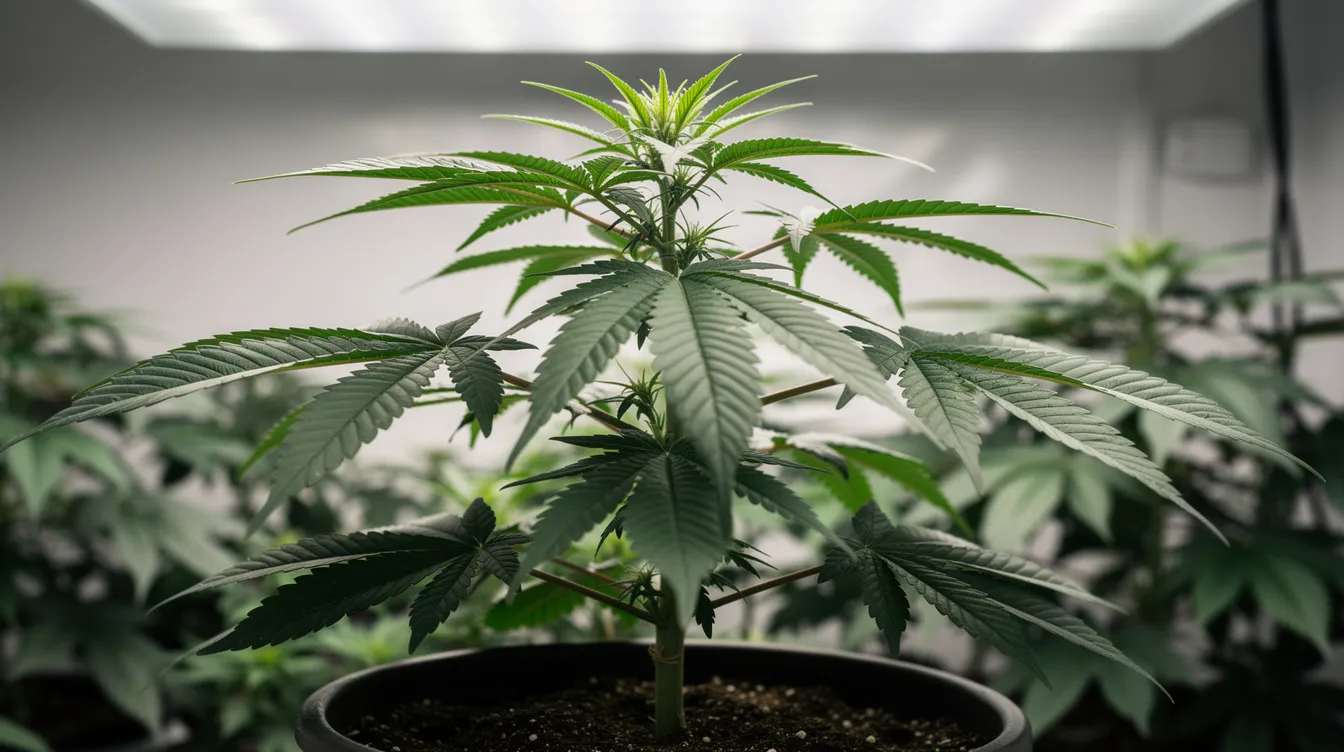
Safety Precautions When Using Cannabis Fertilizer
Precision Nutrient Management.
For cannabis cultivation.
For performance.
Safe use isn't optional.
It's the standard.
You protect yourself.
You protect your environment.
You optimize your results.
Security Protocol.
Clearly defined.
Gloves.
Safety goggles.
Always.
During every mixing process.
For every application.
Skin and eye irritation?
Not with you.
Storage optimization.
Keep dry.
Keep cool.
Store safely.
Keep out of reach of children and pets.
Follow the manufacturer's dosage instructions.
Never use more than recommended.
Over-fertilization ruins performance.
You want maximum results.
Avoid inhalation.
Wash hands.
After each use.
Rinse immediately if product comes into contact with eyes.
With plenty of water.
Empty containers?
Dispose of properly.
Do not dispose of with household waste.
Precise application.
Maximum protection.
For you.
For your plants.
For the environment.
Performance starts with responsibility.
Fertilization and the Environment: Sustainability and Environmental Responsibility

Cannabis Fertilization.
More than just nutrients.
Fertilizing your cannabis plants affects everything.
Growth. Yield. Environment.
Sustainable growers rely on precise methods.
Environmentally friendly.
Resource-efficient.
Designed for responsible growers.
Organic Fertilization.
Pure Performance.
Compost. Worm castings. Plant extracts.
These fertilizers promote soil life.
Fewer residues in the water.
Reduced ecological footprint.
Long-term soil fertility.
Sustainability in your hands.
Mineral fertilizers can also be sustainable.
Precise nutrient supply.
No over-fertilization.
Tailored exactly to your plants.
Water Management.
Intelligent. Efficient.
Use rainwater.
Use recycled water.
Reduce consumption. Conserve resources.
Apply fertilizer sparingly and selectively.
Prevent leaching.
Protect groundwater.
Designed for discerning growers.
Sustainable growing methods.
Eco-friendly products.
Your contribution to environmental protection.
And at the same time:
Maximum quality for your cannabis plants.
Performance meets responsibility.
Fertilization and Health: What Consumers and Users Should Know
Fertilizing cannabis plants.
Direct impact on quality.
Direct impact on safety.
Important for you as a consumer:
Not every fertilizer is suitable.
Use only specially formulated cannabis fertilizers.
Legal requirements.
No compromises.
Low-quality products leave behind residues.
Harmful to health if consumed.
Unacceptable.
Check your plants regularly.
Pests. Diseases. Immediate action.
Plant health.
Consumer health.
Your responsibility.
Careful fertilization.
Follow the recommended application rates.
Observe the waiting periods before harvest.
The result?
A safe product.
A high-quality product.
The highest standards of quality and safety.
Here's how to ensure:
that your cannabis plants grow vigorously.
And meet the highest standards.
Designed for you.
Practical tips for better yields and healthy plants
A good supply of nutrients is only one piece of the puzzle. Water quality, substrate, lighting, and hygiene also play crucial roles.
Best practices:
- Maintain consistent conditions: 20–24 °C root temperature, 40–60% relative humidity during flowering
- Measure pH and EC regularly, and record the values in a grow log
- Keep your fertilizer selection simple: a basic fertilizer, CalMag, and a bloom booster are usually enough
- Let the tap water sit for a few minutes (to allow the chlorine to evaporate)
- Use clean tools and watering cans
Tip: Flushing the plants before harvest can significantly improve the quality, aroma, and flavor of the cannabis flowers.
Special notes:
- For sensitive strains (many autoflowers), use fertilizer sparingly
- Flushing in the past 7–14 days: A common practice; approximately 70% of growers report smoother-tasting cannabis flowers
- LEDs increase nutrient requirements by about 20%
Patience and careful observation are better than rushing to use a lot of products. Experienced growers achieve indoor yields of 500 g/m²—through knowledge, documentation, and consistency.
Conclusion: Use cannabis fertilizer selectively and responsibly
A balanced supply of macronutrients, secondary nutrients, and micronutrients is the foundation of healthy cannabis plants. NPK ratios vary depending on the growth stage: nitrogen-rich during the vegetative stage, and phosphorus- and potassium-rich during the flowering stage.
The pH and EC levels of cannabis determine whether the roots can absorb nutrients at all. Mistakes such as over-fertilization are common, but can be easily avoided with a careful approach and regular testing.
The choice between organic and mineral cannabis fertilizers depends on your goals, your growing medium, and your experience. Both methods can produce excellent results.
With knowledge, patience, and thorough documentation, you’ll achieve better results in the long run. Develop a sense of what your plants need—they’ll show you what they need.
We address other common questions in the FAQ below.
FAQ on Cannabis Fertilizers
The following questions address topics that were only briefly touched upon in the main article.
Can I use regular houseplant fertilizer for cannabis?
Many houseplant fertilizers generally contain similar nutrients to specialized cannabis fertilizers. However, they often contain slow-release granules or have unsuitable NPK ratios—such as too much phosphorus during the growth phase.
In theory, liquid all-purpose fertilizers can work in moderate doses if the NPK ratio is reasonably appropriate. However, the risk of over-fertilization is higher because these products are not tailored to the specific needs of cannabis. In the long term, it is recommended to use specially formulated products.
How long does cannabis fertilizer last, and how should I store it?
Unopened liquid mineral fertilizers often have a shelf life of several years—check the packaging for specific details. Organic fertilizers usually have a shorter shelf life.
For optimal storage, keep the product in a cool, dry, and dark place (5–25 °C), seal the bottles tightly, and do not expose them to direct sunlight or frost. Diluted nutrient solutions should only be used for a few days, as the pH and microbial content may change. If you notice an unusual odor, mold, or heavy flocculation, it is best not to use the solution anymore.
Can I switch between organic and mineral cannabis fertilizers?
A switch is possible, but should be done with caution. The substrate, salinity, and pH levels differ significantly between the systems.
When switching from mineral to organic, it is advisable to perform a flush to reduce salt buildup. Conversely, the initial dose should be low, as the substrate still contains nutrients and active pH buffers. As a general rule, avoid making a drastic switch in the middle of a sensitive phase (late flowering); instead, do so at the start of a new cycle.
What are the specific considerations when fertilizing autoflowering strains?
Autoflowering strains often remain smaller, mature faster, and generally tolerate less fertilizer than many photoperiod strains. You should start by reducing standard doses to about 50% or less.
The fixed 9–12-week growth cycle leaves little time for correcting mistakes—so it’s especially important to proceed with caution. Since the transition to flowering happens automatically, you should adjust your fertilization schedule gradually rather than in distinct phases.
Does water hardness play a role in fertilizing cannabis?
Hard tap water with high calcium and magnesium levels can raise the pH and affect the uptake of NPK nutrients by cannabis plants. When dealing with very hard water, some growers use filtered or rainwater and then specifically supplement with CalMag.
A water analysis report from your local water utility (usually available online) provides helpful information on water hardness and conductivity. If water quality fluctuates significantly, you should monitor the pH and EC levels of your cannabis plants particularly closely and adjust fertilizer amounts accordingly.
Glossary: Key Terms Related to Cannabis Fertilizers
- Cannabis Plants: The Basics.
High-performance plants for premium cannabis production. - Fertilizers: Fuel for Performance.
Substances that help your plants reach peak performance. - Nutrients: Essential Elements.
What your plants need.
For maximum growth. - Fertilization: Precision Feeding.
Targeted nutrient delivery for optimal plant performance. - Growth: Growth Phase.
Where your vision becomes reality.
Pure development. - Cannabis Plants: Cannabis Performance.
Plants that work for you.
For premium cannabis production. - Flowering phase: Flower Power.
The crucial phase.
Where quality is born. - EC value: Electrical Conductivity.
Precise measurement.
Control over your nutrient concentration. - pH Level: Acid-Base Control.
The Key to Nutrient Uptake.
Precision Is Everything. - Fertilization Plan: Feeding Schedule.
Your strategic plan.
For consistent performance. - Harvest: Harvest Time.
The moment of truth.
Your performance becomes visible. - Phase: Growth Cycle.
Defined time periods.
In the life cycle of your plants. - Potassium: Potassium Power.
Essential Nutrient.
For health and performance. - Storage: Storage Solution.
Where your materials are stored perfectly.
Organized. Efficient. - Grow: Growth Mode.
The phase where everything happens.
Development and progress. - PH: pH Control.
Acid-Base Management.
For your plants. - Hemp: Hemp Performance.
The plant that works for you.
For premium hemp production. - Companies: Cannabis Tech Companies.
Driving innovation.
For your success. - Grow Fertilizer: Specialized Grow Nutrition.
Designed for cannabis.
Designed for performance. - Light: Light Technology.
Essential Factor.
For growth and development. - Macro: Macro Elements.
The major players.
In your plant performance. - Harvest time: Harvest Window.
The moment you've been working toward.
Perfect timing. - Ratio: Nutrient Ratio.
Precise balance.
Of various nutrients in your system. - Nitrogen content: Nitrogen Content.
The N-factor.
In your fertilization setup. - Nutrient Supply: Nutrient Supply.
Complete Nutrition.
For your plants' performance. - Guide: Your Guide.
How to Make the Right Choice.
For Your Cannabis Cultivation. - Cannabis Cultivation: Cannabis Cultivation.
The Art.
of Producing Premium Cannabis. - Brands: Brands.
Driving innovation.
For your growth success. - Features: Properties.
What your fertilizers can do.
For cannabis performance. - Growth phase: Vegetative stage.
Where your plants develop.
Pure Growth Power. - Indoor: Indoor Technology.
Controlled environment.
Maximum performance. - Article: Content.
Information that helps you succeed.
Cannabis cultivation and fertilization. - Cannabis Seedlings: Cannabis Seedlings.
Your Future.
In Miniature. - Nutrients: Essential Elements.
What your plants need.
For performance. - Nitrogen: Nitrogen Power.
Essential Element.
For health and growth. - Blüten: Flowers.
The result of your work.
Performance made visible. - Aroma: Terpene Profiles.
The scent of quality.
That your plants produce. - Everything: Complete System.
All aspects of your cannabis cultivation.
Comprehensive Approach. - Quantities: Dosage Control.
Precise quantities.
For optimal fertilizer performance. - Page: Information Hub.
Your source for cannabis cultivation.
And fertilization expertise. - Impact: Impact Factor.
How Fertilizer Affects Your Plants.
Performance Optimization. - Yield: Yield Output.
The result of your precision.
Maximized performance. - Basics: Foundation Knowledge.
The basics you need.
For excellence in cannabis cultivation. - Needs: Plant Requirements.
What your plants need.
For optimal performance. - Phosphorus: Phosphorus Power.
Essential for roots.
And flower development. - Products: Product Range.
Fertilizers and Tools.
For your success in cannabis cultivation. - EC: Electrical Conductivity.
Monitoring nutrient concentrations.
Precision in numbers. - Development: Development Process.
Growth and maturation.
Your plants' performance. - Value: Value Measurement.
Concentration and content.
In your solutions and products.