

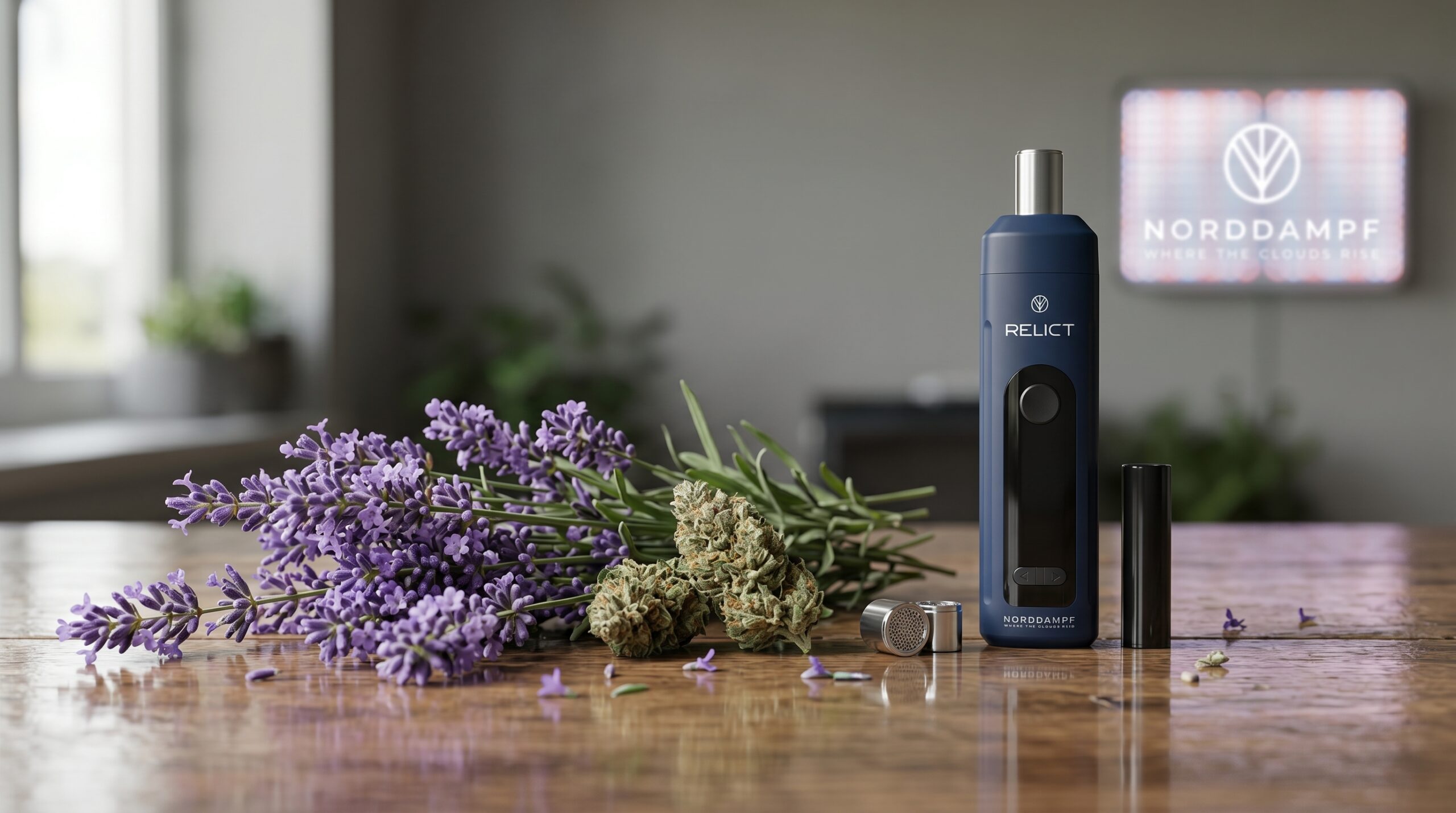
Linalool is one of the most fascinating molecules in the plant kingdom. As a natural monoterpene, it not only gives lavender its characteristic scent, but research has also shown that it has remarkable effects on our nervous system. The effects of linalool range from stress reduction and sleep support to the modulation of cannabis effects.
Key findings
- Linalool is a floral-scented terpene with calming, anxiety-relieving, and sleep-promoting effects that is found in over 200 plant species—including lavender, cilantro, basil, and cannabis.
- Its effects are primarily based on the modulation of GABA-A receptors, the inhibition of glutamate, and anti-inflammatory properties, which have been documented in numerous studies.
- In practice, linalool is used to treat stress, anxiety, and sleep problems, and as a complementary component in cannabis therapy—whether through aromatherapy, oral administration, or inhalation.
- The entourage effect in cannabis makes linalool particularly interesting: it can balance the psychoactive effects of THC and enhance relaxation.
- Linalool is considered safe at typical doses and has GRAS status, but in its oxidized form it can cause contact allergies—quality and storage are critical.

What Is Linalool? – Structure, Occurrence, and Basic Information
Linalool is a natural monoterpene with the molecular formula C H O, which occurs as a colorless, highly volatile liquid. Its floral, lavender-like scent makes it one of the most recognizable fragrances in nature—and in your bathroom.
Chemical basis:
- Molecular formula: C₁₀H₁₈O
- Boiling point: approx. 198 °C
- Properties: lipophilic, highly soluble in oils and fats
- Structure: Monoterpene alcohol
Common plant sources:
- Lavandula angustifolia (lavender) – up to 40% in essential oils
- Coriandrum sativum (coriander), also known as coriandrol
- Basil, thyme, and other herbs
- Bergamot and orange blossom
- Hops and bay leaves
- Cannabis sativa – 0.1 to 1.0% in cannabis flowers
In plants, linalool exists in its free form or as a bound precursor such as linalyl acetate. These forms are released through distillation or fermentation. Since the 1960s, linalool has been used industrially in perfumes, shampoos, soaps, and cleaning products—with annual production running into the tons.
Two isomers—(R)- and (S)-linalool—with different effects
As a chiral compound, linalool exists in two mirror-image forms: the isomers R-linalool and S-linalool. These differ not only in their sensory properties but also in their pharmacological effects.
- (S)-(−)-Linalool: Predominant in lavender and coriander. The scent is soft and floral. Studies suggest that linalool in this form has a stronger sedative and anxiolytic effect.
- (R)-(+)-Linalool: Found in orange blossoms and basil. The scent has a fresh, citrusy quality, and its effect is somewhat invigorating.
- The isomers exhibit different binding affinities for neuronal target structures such as GABA_A receptors—which explains the subtle differences in their effects.
Natural sources usually contain mixtures of both forms in a ratio ranging from 60:40 to 80:20.
The Natural Role of Linalool in Plants
Terpenes such as linalool are not produced by plants by chance. They serve specific ecological functions:
| Function | effect |
|---|---|
| Insect screen | Repels mosquitoes, fruit flies, and fleas – up to 90% larval mortality in experiments |
| Pollinator Attraction | The floral scent attracts moths and bees |
| Antimicrobial | Inhibits bacteria (Staphylococcus aureus) and fungi (Candida albicans) |
| Plant Vitality | Protects against pathogens and improves survival rates |
| These protective and communication mechanisms activate similar signaling pathways in humans—for example, in responses to stress and inflammation. Nature provides a molecule of far-reaching significance in this context. |

Our Best Sellers
Discover the most popular Norddampf products

Linalool and the Nervous System – How This Terpene Affects the Body
Linalool is one of the most extensively studied terpenes with a direct effect on the central nervous system. Research in this area includes animal models and early human studies, which have been advanced by researchers such as Ethan Russo et al.
- Linalool does not primarily act through the endocannabinoid system, but rather through classical neurotransmitter systems: GABA, glutamate, serotonin, norepinephrine, and adenosine.
- As a lipophilic molecule, it crosses the blood-brain barrier within minutes and reaches limbic structures such as the amygdala and hypothalamus directly.
- Even concentrations in the milligram range (e.g., in aromatherapy with lavender oil) lower the heart rate by 10–15% and systolic blood pressure by 5–10 mmHg.

Effect on the GABA and glutamate systems
The best-known mechanisms of action target the GABA and glutamate systems—the central hubs for neuronal excitability.
- GABA-A modulation: Linalool acts as a positive allosteric modulator. It enhances the inhibitory effect of GABA—similar to benzodiazepines, but without the potential for dependence documented in the data to date.
- Glutamate inhibition: At the same time, the release of the excitatory neurotransmitter glutamate at NMDA receptors is reduced. The result: less neuronal hyperexcitability.
- Clinical relevance: Reduced overexcitement means less anxiety, restlessness, and nervous tension.
- Preclinical studies from the 1990s and 2000s demonstrate hypnotic, sedative, and anticonvulsant effects. In mouse models, linalool prolonged seizure latency by 50–200%.
Other pharmacological effects: inflammation, pain, neuroprotection
The effects of linalool are not limited to relaxation. It also influences pain and inflammatory processes:
- Anti-inflammatory effects: Inhibition of NF-κB signaling pathways and a 30–60% reduction in pro-inflammatory cytokines (IL-6, TNF-α) in cell cultures.
- Pain relief: Activation of adenosine A2A receptors – 40–70% reduction in neuropathic pain in rat models.
- Neuroprotection: Protection against oxidative stress and glutamate neurotoxicity. Improvement of cognitive function in mouse models of Alzheimer's disease through the reduction of β-amyloid plaques.
These combined effects explain the research interest in anxiety disorders, epilepsy, chronic stress, and neurodegenerative diseases.
The Effects of Linalool on Stress, Anxiety, and Inner Restlessness
For years, many people have been using lavender oil, linalool-rich teas, or specific cannabis strains specifically to promote relaxation and reduce stress. The available data supports this use.
- Anxiolytic effects: A 15–25% reduction in stress hormones such as cortisol, a decrease in heart rate of 8–12 bpm, and a drop in blood pressure of 7–12 mmHg.
- Animal studies: 50% increase in social interaction, reduced aggression in elevated plus maze tests – effects comparable to 1 mg/kg of diazepam.
- Clinical data: Studies on aromatherapy in patients prior to surgery showed a 20–40% reduction in subjective anxiety within 5–20 minutes.
- The effects are gentle, set in gradually, and intensify with regular use over several days—a feeling of deep relaxation without strong sedation.
Linalool and Sleep: Help with Falling Asleep and Staying Asleep
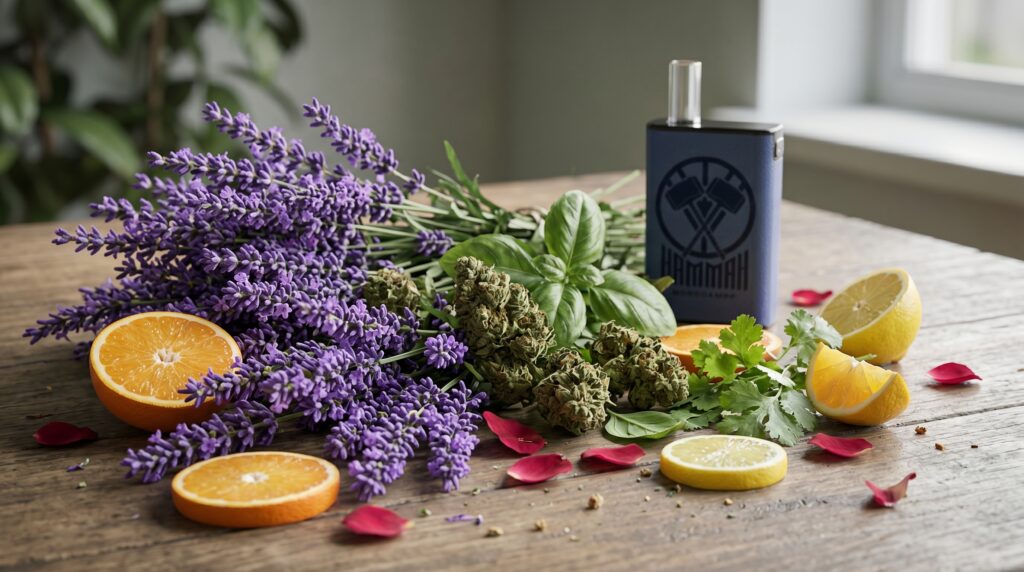
Sleep disorders are a growing problem. Linalool offers an interesting alternative as a gentle, plant-based option in aromatherapy, lavender products, or cannabis strains.
Mechanisms that promote sleep:
- Stress and Anxiety Reduction
- Sedative effect on the nervous system
- Promoting the transition into deep sleep (N3)
- Reduction in sleep latency by 10–30 minutes
Research on linalool and sleep is still in its early stages, but initial human studies using lavender oil capsules have shown improvements in sleep quality and reduced daytime sleepiness. Unlike strong hypnotics, linalool does not “knock you out,” but rather facilitates the natural transition into sleep.
Inhalation: Aromatherapy and Fragrance Treatments
The most common method of use for sleep problems is inhaling essential oil products rich in linalool.
- Depending on the variety, lavender oil contains 20–40% linalool plus linalyl acetate
- Aromatherapy lamps, diffusers, or a few drops on the pillow have been used successfully in studies
- Just 20–30 minutes of inhalation before bedtime has a measurable effect on heart rate variability and sleep latency
- Safety note: Always dilute essential oils. Use with caution if you have asthma.
Oral use: capsules, extracts, tea
Lavender oil capsules have been increasingly tested in clinical trials since the 2000s—for example, Silexan® with a standardized dose of 80 mg per day.
- Typical preparations contain fixed amounts of linalool and linalyl acetate
- Studies conducted over several weeks show improvements in the time it takes to fall asleep and in sleep duration (PSQI score: -2 to -4 points)
- Linalool is rapidly metabolized (half-life of 1–2 hours)—daily intake is recommended for consistent effects
- If you are pregnant, breastfeeding, or taking this medication in combination with other sedatives: Consult your doctor
Linalool in Cannabis: Aroma, Effects, and Medical Significance
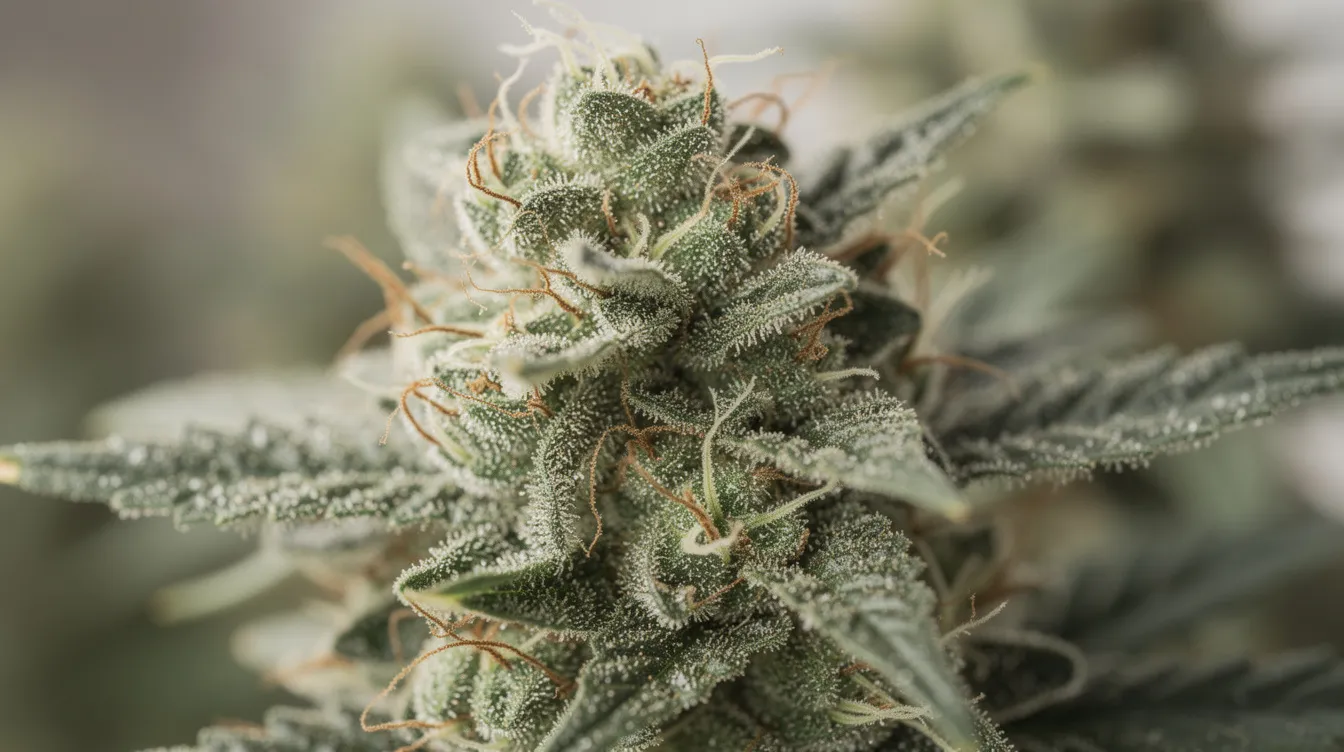
- Concentration: 0.1–1.5% linalool in flowers, depending on genetics and processing
- Aroma: Floral, slightly sweet, occasionally citrusy and spicy – typical of Indica-dominant strains
- Entourage effect: Linalool balances the psychoactive effects of THC, can reduce paranoia at high doses, and enhances CBD’s anxiolytic properties
- Medical relevance: Terpene profiles are increasingly being taken into account when selecting strains for cannabis therapy
The terpene profile—including linalool, α-pinene, nerolidol, and β-caryophyllene—significantly determines the composition and, consequently, the effects of cannabis products.
Subjective Experience: What Strains Containing Linalool Feel Like
How do cannabis users describe strains rich in linalool?
- “Deeply relaxed, more at peace within”
- “Less brooding, more physically relaxed, mentally clearer”
- “Especially pleasant in the evening”
- “Less jittery than with other high-THC strains”
Indica hybrids with a lavender-like scent often have this profile. However, the effect varies from person to person. It depends on the overall terpene profile, the varying levels of THC and CBD, the concentration, and individual sensitivity.
Medical Applications of Linalool in Cannabis Therapy
In medical practice, linalool is considered a modulating terpene that complements THC and CBD:
| Indications | Linalool Roll-On |
|---|---|
| anxiety disorders | Enhances the anxiolytic effects of CBD, reduces overstimulation |
| Sleep disorders | Helps you wind down and sleep through the night |
| Chronic pain | Adenosine-mediated + anti-inflammatory effects |
| Epilepsy | Anticonvulsant effects associated with CBD (preclinical data) |
Forms of Use, Safety, and Side Effects of Linalool

Linalool is commonly found in a wide variety of products—from cosmetics to essential oils to cannabis. It is generally considered safe.
Key application types:
- Inhalation: Aromatherapy, vaporizers for cannabis
- Oral: capsules, extracts, teas, full-spectrum oils
- Topical: creams, ointments, massage oils (diluted in carrier oils)
Everyday exposure levels are generally low. The body rapidly breaks down linalool into harmless metabolites such as α-terpineol. Regulatory agencies such as the EU and the U.S. FDA classify linalool as safe at typical concentrations of use (GRAS status).
Safety, Allergies, and Interactions
Side effects are rare, but should be taken seriously:
- Oxidized linalool: Forms when stored improperly (exposure to light or air). Acts as a contact allergen—symptoms include redness, itching, and eczema in 1–7% of sensitized individuals.
- Storage: Keep essential oils in a cool, dark place and keep the container tightly closed. Dilute heavily for topical use (a few drops in 50–100 ml of carrier oil).
- Interactions: Increased sedation when taken with benzodiazepines, alcohol, or antihistamines—reaction time may decrease by 20–30%.
- If you have any concerns, consult a doctor. Do not change your medication on your own.
Quality and Terpene Profile in Cannabis and Aromatherapy Products
The actual effect of linalool depends heavily on its quality:
- For medical cannabis: Request a certificate of analysis (CoA) that includes the terpene profile
- Ingredients vary depending on genetics, harvest time, drying at temperatures below 20°C, and storage
- For aromatherapy: Choose naturally pure, chemotyped essential oils (e.g., Lavandula angustifolia ct. linalool >30%)
- EU labeling requirements for cosmetics: Linalool must be listed if present in concentrations of >0.001%
Linalool as a Component of Holistic Therapy – Outlook
Linalool is a versatile plant-derived compound—soothing, sleep-inducing, pain-relieving, and anti-inflammatory. It rarely works on its own; it is most effective when combined with other plant compounds.
- Multimodal approaches: combining sleep hygiene, relaxation techniques, medicinal plants such as valerian or lemon balm, or medical cannabis under a doctor’s supervision
- Research Trend: The number of clinical trials has been growing since the 2010s—optimal dosages and long-term effects remain unclear
- Realistic expectations: Not a magic bullet, but a precise tool for personalized treatment plans
- Outlook: Future studies on isolated linalool and standardized terpene combinations will enable more precise recommendations
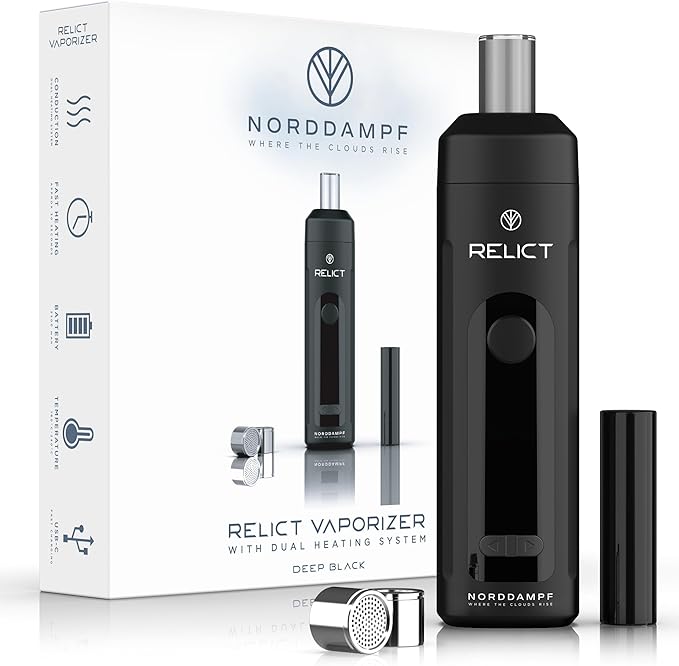
Linalool also plays an important role in the vaporization of herbs. At temperatures between approximately 180 and 200 °C—such as those RELICT in conduction vaporizers like the RELICT —linalool vaporizes gently and releases its relaxing effects, making it particularly suitable for evening use. Controlled temperature regulation allows for an optimal balance between aroma release and preservation of active compounds, making linalool a valued component in vaporization.
FAQs About Linalool and Its Effects
How quickly does linalool take effect?
When inhaled, linalool (from lavender oil or cannabis) enters the bloodstream within 5–15 minutes via the nasal mucosa and lungs and acts directly on the limbic system. Oral preparations typically take 30–90 minutes to take effect. For sleep-related uses, it is best to take it 30–60 minutes before bedtime—the full benefits often become apparent only after several days of regular use.
Can I use linalool every day?
At the typical doses used in aromatherapy and medical cannabis, daily use appears to be safe, provided there are no allergies. Studies have tested doses of 160 mg/day over 8 weeks without any significant side effects. If you plan to take it internally for an extended period or have existing medical conditions, you should consult a doctor.
Is linalool safe for children?
The available data on children is significantly more limited. Mild aromatherapy applications (such as lightly scented rooms, without direct application) may be considered in consultation with a pediatrician. Strong concentrates and oral preparations should not be used without medical supervision.
Is there a difference in the effects of linalool derived from lavender and cannabis?
The linalool molecule is chemically identical. However, the perceived effect varies depending on the mix of accompanying compounds. Lavender oil primarily relies on linalool and linalyl acetate to produce a “classic” relaxing effect. In cannabis, THC, CBD, and other terpenes such as myrcene, limonene, and β-caryophyllene also influence the experience—often making it more intense and complex.
Can I overdose on linalool?
In normal applications, linalool has a wide safety margin. At very high doses (>500 mg orally), nausea, headaches, or severe fatigue may occur—these symptoms are reversible. Follow the manufacturer’s instructions, start with a low dose (“start low, go slow”), and stop use if you experience any unusual symptoms.