


THCP is considered one of the most potent cannabinoids known to science. Among its key characteristics are its exceptionally strong binding to cannabinoid receptors and the resulting intense effects, making THCP an exciting subject of research with high scientific relevance. Since its discovery in 2019, this molecule has been attracting attention in the world of cannabis research. In this article, you’ll learn everything you need to know about THCP’s effects, its chemical structure, and what research has actually been able to confirm—including the fact that THCP is present in certain marijuana strains.
Key findings
- THCP (Δ9-tetrahydrocannabiphorol) is a naturally occurring cannabinoid with a binding affinity for CB1 receptors that is up to 33 times higher than that of conventional THC—however, this figure is based on laboratory measurements, not on the subjective experience in humans.
- As one of the most potent known natural cannabinoids, THCP exhibits typical effects such as sedation, analgesia, and altered motor function in animal models at doses significantly lower than those required for THC.
- The specific effects of THCP in humans are based primarily on extrapolations from animal data and user reports—controlled clinical trials are currently completely lacking.
- Since June 2024, THCP has been subject to the NpSG in Germany: its production, sale, and import are prohibited.
- The increased potency potentially means a narrower safety margin and requires particularly careful and informed handling.
What is THCP? Discovery and Basics
THCP is a rare, highly potent phytocannabinoid derived from the cannabis plant and belongs to the same class of compounds as THC and CBD. Its full chemical name is Δ9-tetrahydrocannabiphorol, with the molecular formula C23H34O2. The “p” in THC-P stands for the longer alkyl side chain, which distinguishes this compound from other cannabinoids and characterizes it as a particularly potent variant of THC.
This molecule was discovered in 2019 by an Italian research team led by Citti et al., and the findings were published in *Scientific Reports*. The researchers analyzed the medical cannabis strain FM2 and isolated both THCP and its non-psychoactive analog CBDP (cannabidiphorol). This discovery brought some surprises, as δ9-THCP was identified as a new compound with exceptional potency and high affinity for the CB1 and CB2 receptors.
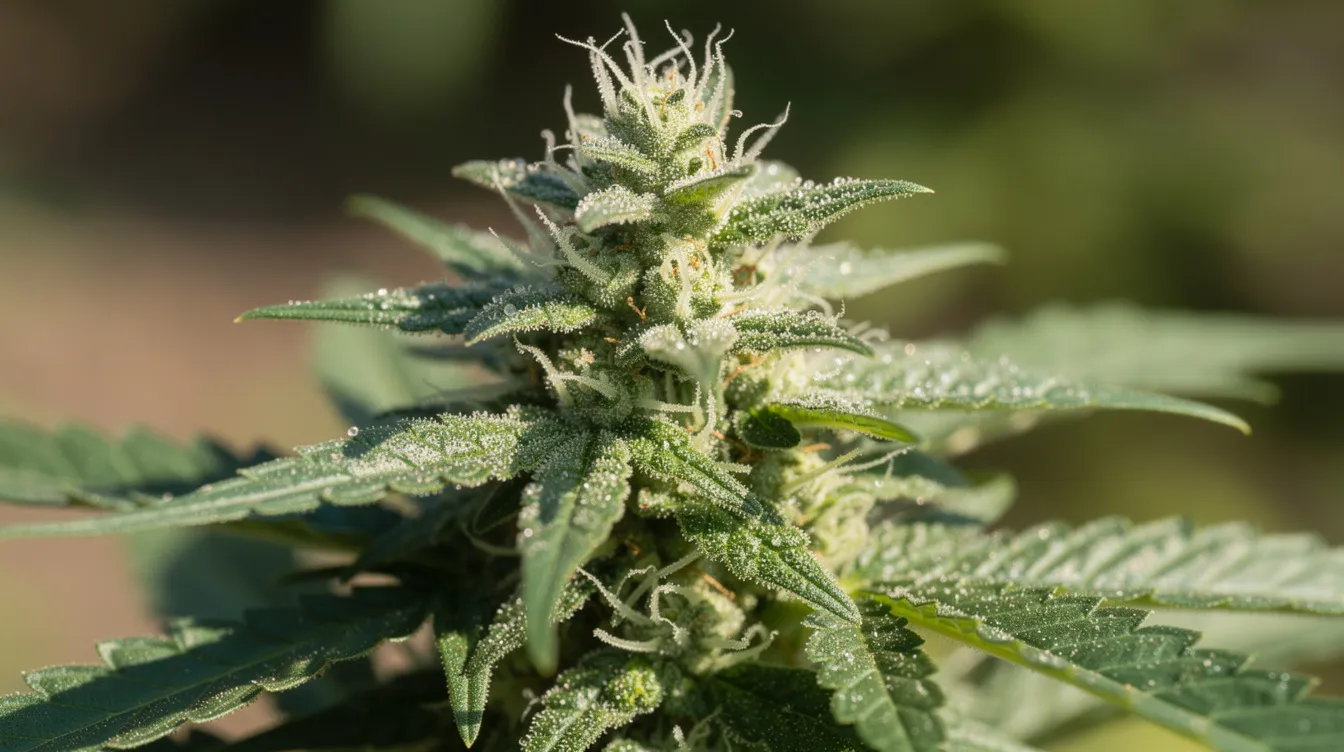
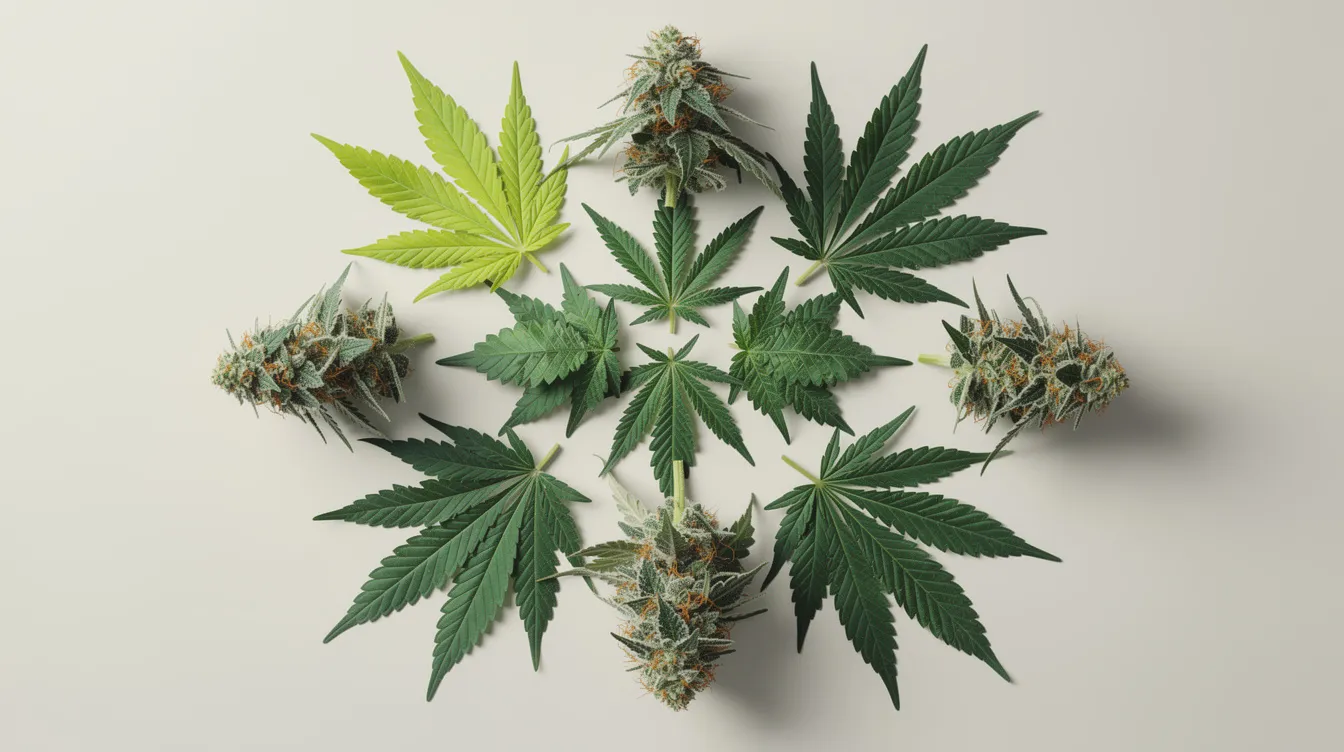
In the hemp plant, THCP (also known as THC-P or δ9-THCP) occurs only in very small amounts—about 20 to 30 micrograms per gram of dried material in the strain studied. These minimal amounts explain why the cannabinoid was identified so late, despite decades of research. For commercial THCP products, the substance has therefore mostly been produced semi-synthetically in the laboratory from hemp-derived CBD.
Structurally, THCP is closely related to Δ9-THC but has a significantly longer alkyl side chain. This seemingly minor modification is the key to its exceptional binding affinity for cannabinoid receptors: the longer side chain allows for a binding affinity to the CB1 receptor that is up to 33 times stronger than that of THC. The parallel discovery of CBDP also suggests that entire families of extended cannabinoids may exist, which have yet to be fully characterized.

Our Best Sellers
Discover the most popular Norddampf products


THCP vs. THC: Structure, Potency, and the “Strongest Cannabinoid”
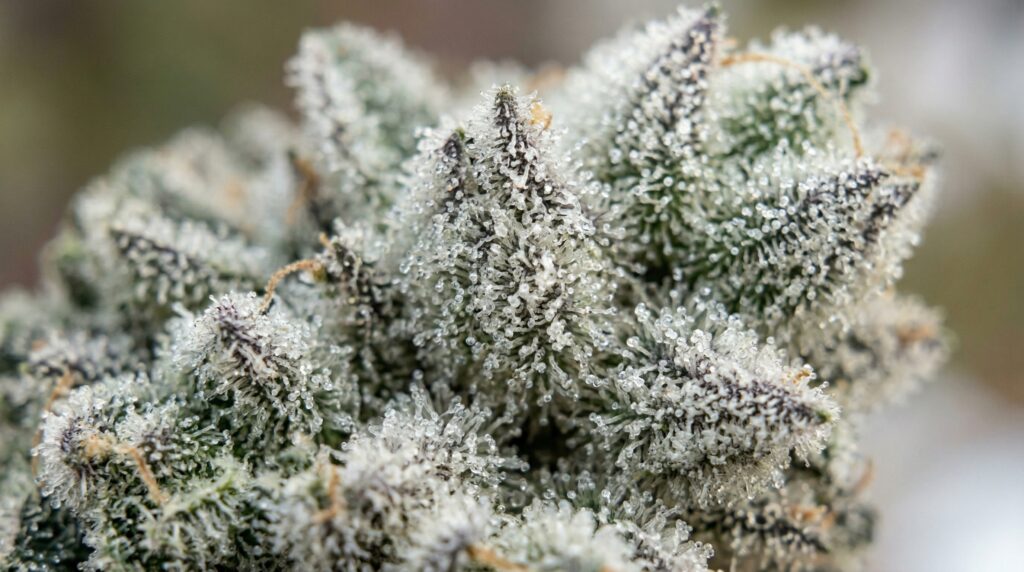
A comparison between THCP and the classic Δ9-tetrahydrocannabinol reveals fundamental differences despite their structural similarity. These differences explain why THCP is often described as significantly more potent.
Chemical Structure in Detail
| feature | THC (Δ9-THC) | THCP |
|---|---|---|
| Side chain | Pentyl (5 carbon atoms) | Heptyl (7 carbon atoms) |
| CB1 affinity (Ki) | approx. 40 nM | approx. 1.2 nM |
| Relative binding | reference value | up to 33 times higher |
The heptyl side chain of THCP allows for deeper binding into the binding pocket of the CB1 receptor and creates additional hydrophobic interactions. This improved fit between the ligand and the receptor leads to more efficient activation.
Myth vs. Fact
Myth: THCP is 33 times stronger than THC in terms of the high it produces.
Fact: The 33-fold increase in potency refers exclusively to binding affinity as measured in the laboratory. Receptors become saturated once a certain level of activation is reached, and the body’s own counterregulatory mechanisms kick in. The subjective effect in humans is therefore not linearly proportional to the measured affinity.
In preclinical studies, THCP has demonstrated greater potency than THC, HHC, and THCV. Among natural cannabinoids, it is currently considered one of the most potent—only certain synthetic full agonists exhibit comparable or higher activity, often with a significantly poorer safety profile.
How does THCP work in the body? (Endocannabinoid system & receptors)

To understand the effects of THCP, a basic understanding of the endocannabinoid system (ECS) is essential. This biological signaling system permeates the entire body and regulates fundamental processes.
The components of the ECS
The endocannabinoid system consists of three main components:
- Endocannabinoids – the body’s own signaling molecules, such as anandamide and 2-AG
- Cannabinoid receptors —primarily CB1 and CB2 as receptors
- Enzymes – for the synthesis and breakdown of endocannabinoids
This system plays a role in regulating pain, mood, appetite, sleep, and immune function.
CB1 and CB2 receptors
CB1 receptors are found primarily in the central nervous system—the brain and spinal cord. They are responsible for the psychoactive effects of THC and THCP: a sense of euphoria, altered perception, and effects on coordination and the perception of time.
CB2 receptors are found primarily on immune cells and in peripheral tissues. They modulate inflammatory processes and immune responses without primarily mediating psychoactive effects.
THCP as a potent agonist
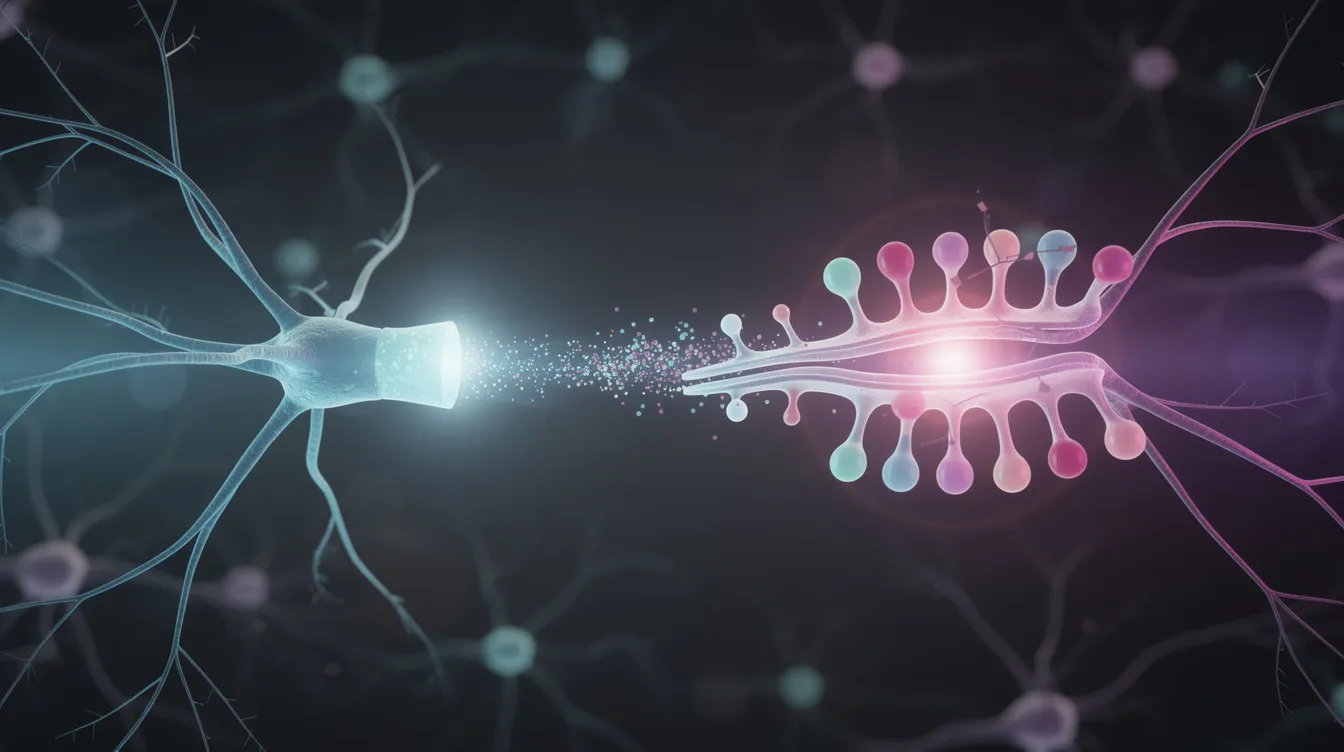
Like THC, THCP binds to CB1 and CB2 receptors as an agonist—it activates these receptors. THC is considered a partial agonist with a natural ceiling effect: beyond a certain dose, the effect hardly increases any further.
In studies, THCP exhibits characteristics of a very potent, potentially full agonist. Its longer side chain allows for optimized receptor binding and thus more efficient activation. This increased intrinsic activity is the subject of ongoing research and has direct implications for the safety profile: stronger activation can result in both more intense desired effects and more pronounced side effects.
THCP Effects: Potential Effects and Differences from Other Cannabinoids
The specific effects of THCP in humans are primarily inferred from animal studies, in vitro research, and anecdotal reports. Reliable clinical data are currently lacking.
Findings from animal models
The mouse study by Citti et al. (2019) provided initial pharmacological data. At a dose of approximately 2.5 mg/kg body weight, the animals exhibited:
- Significant sedation and reduced movement
- Cataleptic postures (rigid, immobile positions)
- Hypothermia (low body temperature)
- Strong analgesic effects (reduced pain response)
By comparison, THC required about 10 mg/kg to produce similar effects—four times the dose.
Possible effects in humans
Based on animal data and structural similarity to THC, the following effects are conceivable in humans:
- An intense psychoactive high with altered perception
- Severe sedation and drowsiness
- Potentially significant pain relief
- Effects on appetite, sleep, and mood
Possible side effects
High-potency cannabinoids carry increased risks:
- Anxiety, paranoia, panic attacks
- Heart palpitations and cardiovascular stress
- Dizziness, loss of coordination
- Cognitive impairments
Individual reactions vary greatly depending on tolerance, genetics, pre-existing conditions, and other substances consumed at the same time. The higher potency of THCP could trigger disproportionately strong reactions in inexperienced users.
Duration of action
There are no controlled human studies on the exact duration of effect. Relevant factors include the form of administration, dose, metabolism, and body fat percentage. When taken orally, a significantly longer duration of effect than with conventional THC is plausible—anecdotal reports suggest 6 to 10 hours or more.
Potential Uses of THCP: Medicine, Research, and Recreational Use
THCP (
) Tetrahydrocannabiphorol.
Since its discovery:
It has intrigued researchers.
It has fascinated medical professionals.
It has delighted consumers.
Rare cannabinoid.
Unique chemical structure.
Particularly strong effect on the endocannabinoid system.
It’s unlike anything we’ve seen before
.
These properties make THCP
an intriguing topic.
Scientific research.
Medical applications.
Leisure activities.
Revolution.
In cannabinoid form.
THCP Compared: THC, CBD, HHC, and Other Cannabinoids
Many people are looking for a direct comparison to better understand the effects of THCP. Here are the key differences from well-known cannabinoids:
THC vs. THCP
| aspect | Delta-9 THC | THCP |
|---|---|---|
| Potency | reference value | Significantly higher |
| psychoactivity | Yes | Yes (more intensely) |
| State of the research | Extensive | Very limited |
| Natural occurrence | High (5–20%) | Minimal (traces) |
Both have similar effects—psychoactive, analgesic, and appetite-stimulating—but THCP likely has a more intense and longer-lasting effect.
CBD vs. THCP
CBD hardly binds directly to CB1 or CB2 receptors; instead, it acts as a modulator through other systems, such as serotonin receptors. CBD is not intoxicating but exhibits anxiolytic and anticonvulsant properties. A comparison with the psychoactive effects of THCP is therefore not meaningful—the two substances have fundamentally different mechanisms of action.
HHC vs. THCP
HHC (hexahydrocannabinol), a hydrogenated THC derivative, produces mild to moderate psychoactive effects, often described as gentler. THCP is considered significantly more potent and sedative. Both have been subject to the NpSG ban in Germany since 2024.
THCV and other variants
Delta-8 THC and Delta-10 THC are isomers with the double bond in different positions—typically milder than Delta-9 THC. THCV (tetrahydrocannabivarin) has a shorter side chain (3 carbon atoms) and, at low doses, tends to have neutralizing or appetite-suppressing effects.
Current Research on THCP: What Do We Really Know?
THCP is a very new field of research. The most important findings come from a limited number of studies.
The 2019 Key Study
The study by Citti et al. in *Scientific Reports* remains the most comprehensive characterization:
- Isolation and structural characterization of THCP and CBDP
- Quantification in the FM2 cannabis strain
- In vitro tests on cannabinoid receptors (Ki values)
- In vivo mouse studies using behavioral parameters
Since 2020, additional studies on analytical methods, synthetic routes, and pharmacological modeling have been published—though no large-scale human trials.
Significant gaps in knowledge
Research currently has no answers to:
- Pharmacokinetics in humans (absorption, metabolism, elimination)
- Long-term effects and neurotoxicity
- Cardiovascular or psychiatric risks
- Drug interactions
- potential for dependency
Many claims in advertisements and online forums are based on anecdotal evidence or extrapolations from laboratory data. A critical approach is warranted.
Legal Status of THCP (As of 2026, Germany & Overview)
Note: This section is intended to provide objective information and does not constitute legal advice.
Germany
Since June 27, 2024, THCP and various novel THC derivatives have been subject to the New Psychoactive Substances Act (NpSG). This classification also includes HHC, Delta-8 THC, Delta-10 THC, and other compounds.
The following are prohibited:
- Manufacturing and Production
- Retail and Distribution
- Import and Export
- Placing on the market
Under the NpSG, possession and consumption are not formally punishable by law; however, products may be seized.
International Situation
- EU: Inconsistent regulations – some countries use "analog" clauses, while others impose explicit bans
- U.S.: The Farm Bill permits hemp derivatives containing less than 0.3% Delta-9 THC; however, some states have regulated THCP
The legal landscape is constantly evolving. You should always check current, official sources.
Safety, Risks, and the Responsible Use of Potent Cannabinoids

Highly potent cannabinoids such as THCP carry an increased risk of adverse effects. Particular caution is advised. A controlled experience with THCP is especially important to avoid side effects and to better assess its effects.
Due to the high potency of THCP, it is recommended to start with very small doses and to purchase products only from reputable suppliers.
Possible side effects
- Severe sedation, dizziness, drop in blood pressure
- Anxiety, panic, paranoid thoughts
- Heart palpitations, nausea
- Temporary cognitive impairments
High-risk groups
- People with mental health conditions (psychosis, severe anxiety disorders)
- People with cardiovascular diseases
- Adolescents and young adults whose brains are still developing
- Pregnant and breastfeeding women
The issue of full agonists
Full agonist activity at the CB1 receptor—as seen with some synthetic cannabinoids—has been associated with severe side effects, including life-threatening conditions. THCP exhibits very high intrinsic activity. The safety margin may therefore be narrower than that of THC.
Basic Principles
- Only products that have been tested and certified with laboratory analyses (COAs) from legally authorized sources
- Avoid mixing alcohol with benzodiazepines or opioids
- If you experience acute symptoms (chest pain, severe anxiety, loss of consciousness), seek medical help immediately

Conclusion: What do the effects of THCP mean for the future of cannabinoid research?
THCP represents a milestone in cannabinoid research. Discovered in 2019, this rare phytocannabinoid—which exhibits exceptional CB1 binding affinity—fundamentally expands our understanding of the cannabinoid family. Research on THCP has already yielded some surprises, and future scientific findings could further reshape our knowledge of the effects and potential of cannabinoids.
The designation as the most potent cannabinoid is based on molecular data—specifically, its 33-fold higher binding affinity to CB1 receptors in the laboratory. Subjective experiences in humans are scarcely documented scientifically. The existence of THCP may explain why certain cannabis strains have a stronger effect than their THC content would suggest: rare minor cannabinoids can contribute to the overall profile despite their low quantities due to their extreme potency.
The unanswered questions outweigh the answers: safety, long-term effects, the optimal therapeutic window, and drug interactions remain unclear. Independent clinical research is necessary before reliable medical applications or precise risk assessments can be made.
Novel cannabinoids such as THCP deserve informed, critical scrutiny. Well-founded scientific information and respect for applicable laws form the basis for responsible use.
FAQ on THCP Effects & Cannabinoids
Can THCP be detected in a drug test?
There are no specific human studies on the detectability of THCP. However, laboratory data suggest that THCP is metabolized in a manner similar to THC. Common rapid urine tests detect THC metabolites (primarily THC-COOH) and do not distinguish between THC and structurally related cannabinoids. THCP is therefore highly likely to result in a positive test result. Anyone subject to drug testing—such as in traffic or in an employment setting—should approach novel cannabinoids with particular caution.
Is THCP synthetic or natural?
THCP is a naturally occurring phytocannabinoid found in the cannabis plant, though it is present only in trace amounts. Until 2024/2025, commercial products were primarily produced semi-synthetically—through the chemical conversion of CBD derived from industrial hemp. The fact that it occurs naturally does not automatically mean it is safe, especially when used in isolated, highly concentrated forms.
Are there any medical uses for THCP?
As of 2026, there are no approved medications containing THCP as an active ingredient. Preclinical data from mouse studies suggest analgesic, sedative, and antiemetic properties; however, clinical studies in humans are lacking. Claims regarding medical applications are currently speculative. Those interested in cannabinoid therapies should consult a healthcare professional and give preference to approved, standardized preparations.
Is THCP found in every cannabis strain?
To date, THCP has been detected only in a few strains that have been analyzed, including the Italian medical strain FM2. Many routine laboratories do not include THCP in their standard analyses, which is why data on its prevalence are incomplete. It is plausible that numerous strains contain traces of THCP, but that concentrations vary widely and are typically very low. Future analyses will provide more clarity.
Is THCP more dangerous than regular THC?
The higher potency and potentially stronger agonistic activity at CB1 receptors may indicate a narrower safety margin. There are no comprehensive human studies on the side effects, long-term effects, or addiction potential of THCP. High doses of unknown, potent cannabinoids increase the risk of acute adverse effects such as anxiety, circulatory problems, or psychotic episodes. THCP should therefore be approached with caution until reliable scientific data becomes available.