

Reading time: approx. 8 min
Table of Contents
Key Findings
- Static Hash is a high-purity hashish extracted from trichomes using static electricity—completely solvent-free, water-free, and heat-free—and the purity and quality of the final product are immediately apparent.
- The production of Static Hash builds on the Dry Sift method and uses electrostatic separation to separate plant debris from the valuable trichome heads even more effectively.
- The quality of the raw material is crucial: Only intact, fresh trichomes from well-cured cannabis result in a premium end product that retains its terpene profile.
- Static hash is one of the cleanest mechanical extraction methods in the world and is particularly appealing to terpene enthusiasts.
- Static Hash has a THC content of 70 to 85 percent, making it more potent than conventional hashish.
- This article does not provide step-by-step instructions for production—always check the current legal situation in your country (as of 2026).

Our Best Sellers
Discover the most popular Norddampf products
Introduction: Creating a Static Hash – Why This Method Is So Exciting
Since the mid-2010s, a clear trend has emerged in the world of cannabis extracts: away from solvents and toward mechanical methods such as rosin, dry sift, and static hash. This development reflects a desire for purity and the preservation of terpenes.
Making static hash—also known as static tech hash or static sift—is an evolution of the classic dry sifting method. The principle: static electricity separates trichomes even more selectively than sieves alone. Static hash is produced through electrostatic charging, resulting in exceptionally high purity and potency that clearly sets it apart from other methods. The result? A cannabis concentrate of exceptional purity.
In this article, you’ll learn what static hash is, how trichome separation works in general, and what advantages this technique offers over bubble hash, dry sift hash, and solvent-based extracts. The focus is on providing information—not on a step-by-step guide. The differences between static hash and other extraction methods, such as bubble hash and dry sift, lie primarily in the production process, the purity, and the final quality of the product.
What Is a Static Hash? Definition and Differences from Other Hash Types
Static hash is a type of hashish produced by applying static electricity to dry sift material. The process remains entirely:
- Solvent-free – no butane, ethanol, or CO2
- Water-free – unlike Ice-O-Lator
- No heat – terpenes are preserved
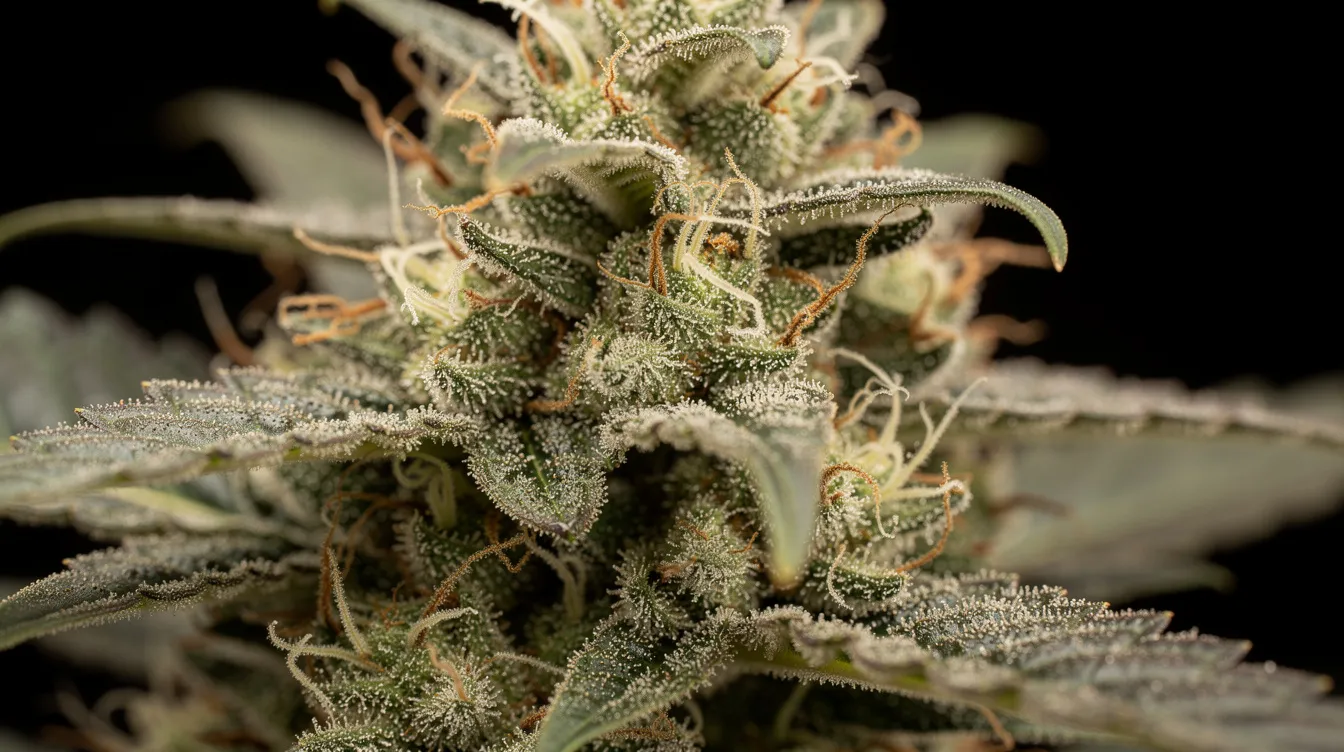
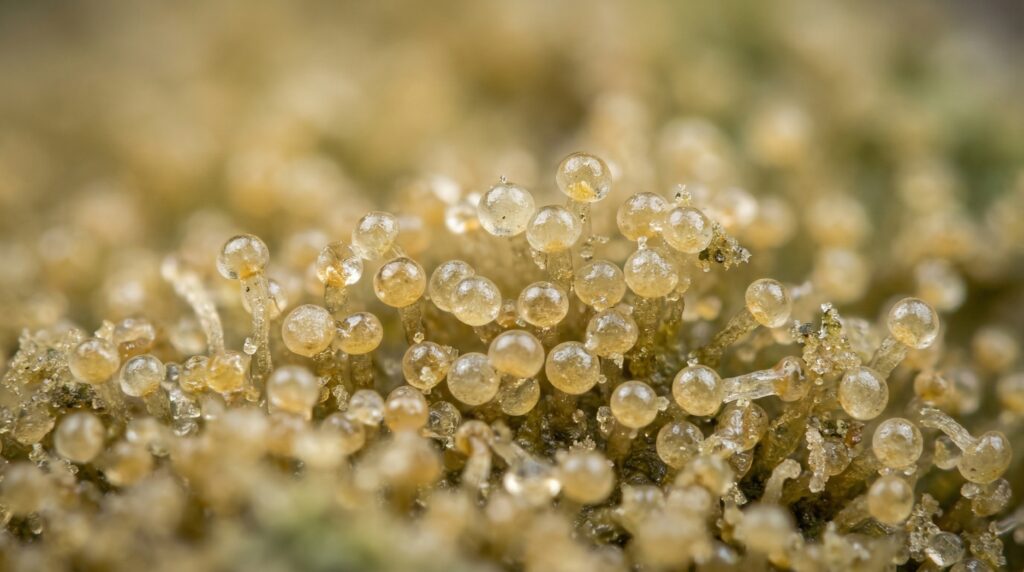
Static hash is made using trichomes —the resin glands of the cannabis plant. These glands are the primary source of cannabinoids and terpenes. Typically, the process begins with pre-sifted kief or dry sift as a base. The trichomes collected during the production of static hash contain the highest concentration of cannabinoids and terpenes found in the cannabis plant.
Distinction from other methods
| Method | Medium | Cleaning principle |
|---|---|---|
| Dry Sift Hash | Dry | Mechanical screening |
| Static Hash | Dry | Screening + electrostatic selection |
| Bubble Hash | ice water | Screening Bags + Drying |
| BHO | Solvent | Chemical extraction |
Dry Sift separates trichomes purely mechanically using various screens. The Static Hash method complements this approach: electrostatic charging separates the lightweight trichome heads from heavier plant debris.
Bubble Hash (Ice-O-Lator) uses ice water and bags. It produces very pure hash, but requires drying and carries a risk of mold if not handled properly.
Static hash is often referred to as static sift or static tech hash. In the premium segment, this method is associated with terms like full melt or 6★ hash—products that vaporize with virtually no residue when heated.
The principle behind Static Tech: Separating static electricity and trichomes
The physical principle is simple. You’ve seen it in everyday life: your hair stands on end after taking off a sweater. Sparks fly in dry, heated air. That’s electricity—or, more precisely, static electricity.
Static Tech makes targeted use of this principle. Trichome heads are:
- Light (25–120 micrometers)
- Electrically prone to attraction
- More concentrated than loose plant debris
When a plastic surface or film becomes charged due to friction, it attracts the light trichomes. Heavier particles, such as stems, leaf fragments, and contaminants, remain behind.

The Process in Brief
- Dry sift or kief is spread out on a smooth surface
- A sheet or plastic surface becomes charged through friction
- The charge selectively attracts trichome heads
- Plant material falls off or is left behind
Since 2020, experienced producers have developed variations such as frozen static hash. At temperatures around or below 0°C, trichomes become more brittle—making the separation even more precise. The process remains purely mechanical: no heat, no water, no solvents.
Starting Material and Material Quality: Understanding Kief, Dry Sift, and Trichomes

The quality of your final product depends entirely on the raw material. No technique in the world can turn poor-quality plant material into premium hash.
What are trichomes?
Trichomes are microscopic resin glands found on the flowers and leaves of the cannabis plant. They contain:
- Cannabinoids (THC, CBD, CBG, and others)
- Terpenes (responsible for aroma and effects)
- Flavonoids (secondary plant compounds)
Kief vs. Dry Sift
Making kief is easy: The fine powder collects in the grinder’s screen or through careful sifting. It contains trichomes, but also plant debris.
Dry Sift takes it a step further. The material is sorted through multi-stage sifting (e.g., 160 µm, 120 µm, 73 µm). The result: purer resin as the base for Static Hash.
Quality criteria for raw materials
| feature | Good | Bad |
|---|---|---|
| trichomes | Milky to amber | Clear or completely brown |
| Material | Fresh, well-cured | Oxidized, old, contaminated |
| smell | Typical of the variety, intense | Musty, musty |
Coarse plant matter, broken stems, and old material significantly reduce the quality of Static Tech Hash. Cool, dry working conditions are essential—starting with the initial sift.
How does the static hash method work? – A simplified explanation of the process
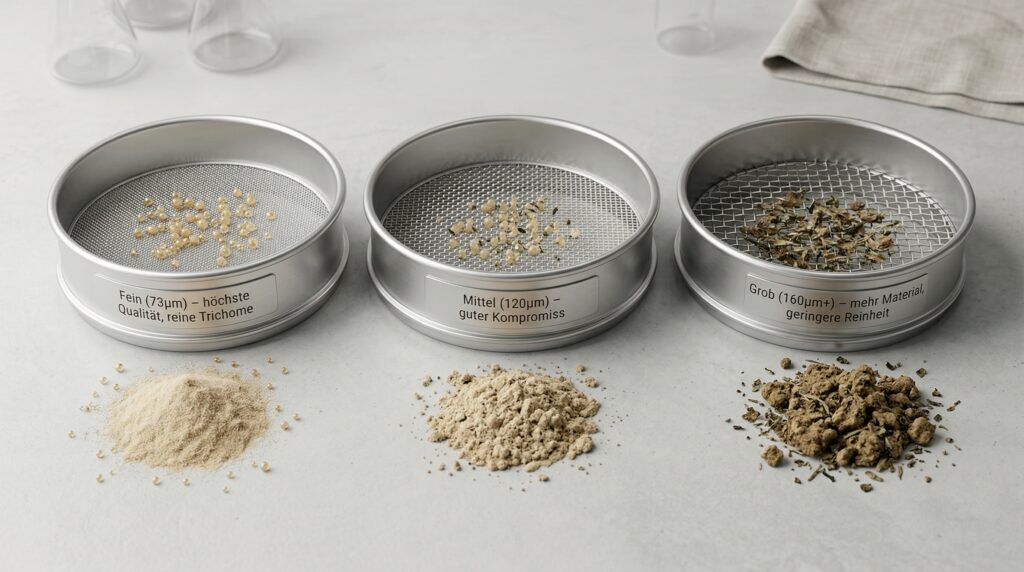
This section describes the general procedure—without providing exact step-by-step instructions.
Static Hash can be made not only professionally but also easily at home, which is particularly appealing to DIY enthusiasts.
Typical setups
A static hash setup uses:
- A smooth surface (glass, metal)
- A surface that can become statically charged (film, plastic)
- Pre-sifted material (dry sift or fine kief)
Friction generates a static charge. This charge primarily attracts the light trichome heads. The collected trichome powder can later be pressed into hash.
Passages and Cleaning
Experienced manufacturers perform multiple passes:
- 1st–2nd run: Highest quality, purest fraction
- 3rd–4th batch: Still usable, but less pure
- Additional harvests: Reduced yield, damaged trichomes
Frozen Static Hash uses temperatures around 0°C. The trichomes become more brittle, and the separation process becomes more selective. This method gained popularity among community growers between 2020 and 2026.
Benefits of Static Hash: Focus on Purity, Quality, and Terpenes

Static hash is considered one of the cleanest mechanical extraction methods, and for good reason. Here’s an overview of the benefits:
Purity without compromise
The cannabis product contains neither solvent residues nor moisture. High-quality batches of static hash demonstrate:
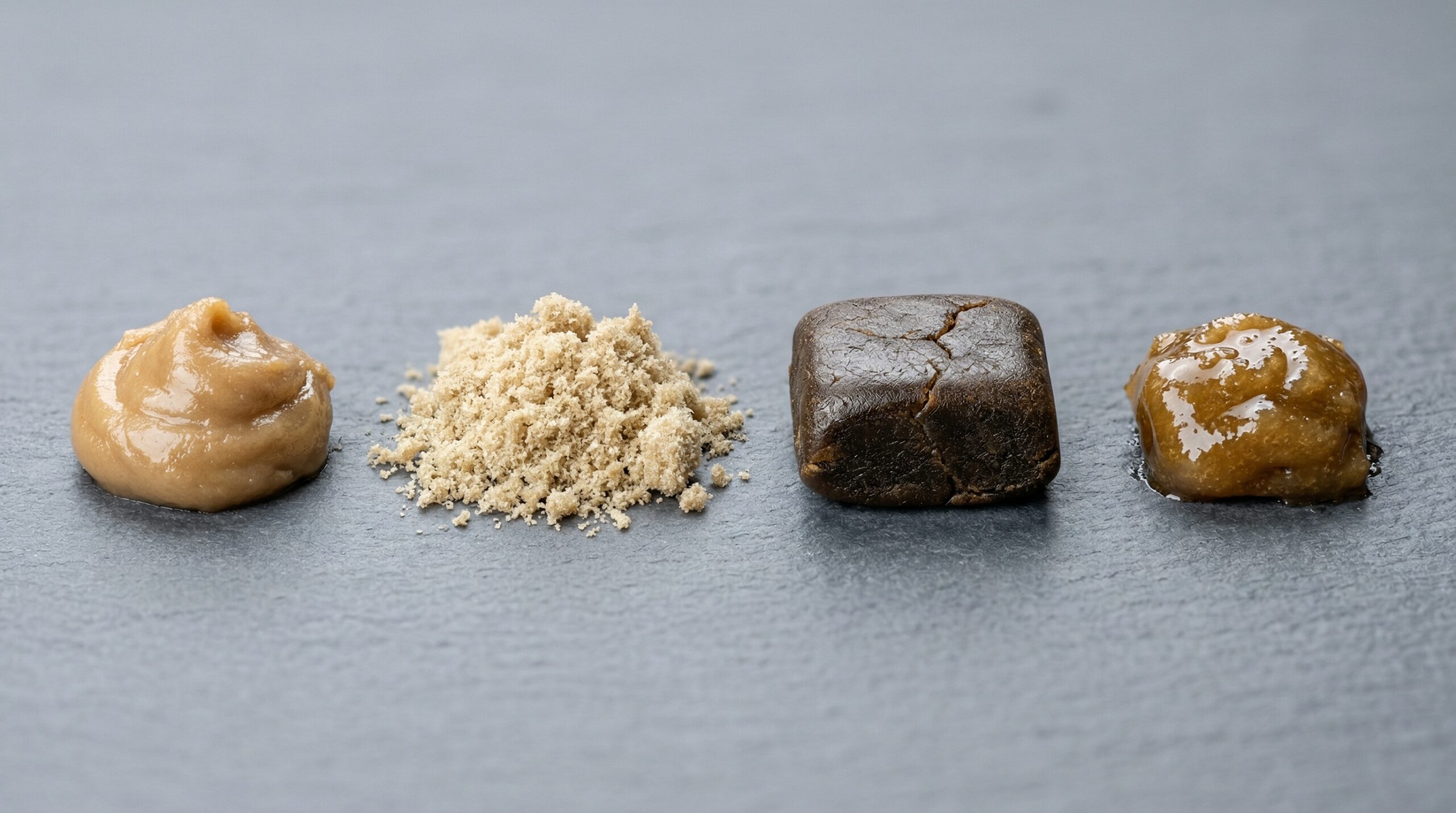
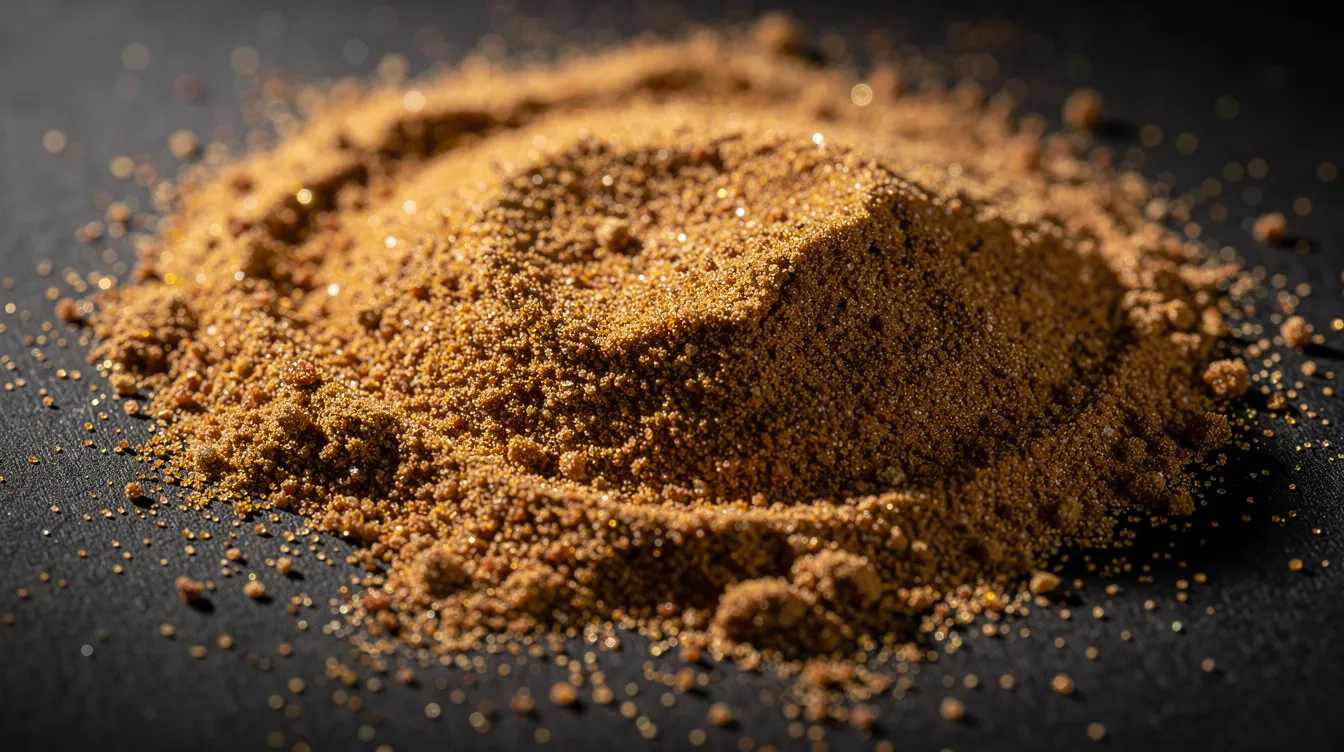
- Light golden to sandy color
- No visible plant debris
- Full-melt behavior when heated
Terpene retention
Avoiding heat during the extraction process preserves the terpene profile. Delicate aromatic compounds are retained—the aroma is intense and characteristic of the strain. By comparison, rosin or extracts produced at high temperatures often lose terpenes.
Efficiency and scalability
The method requires little equipment. It works just as well in small workshops as it does in larger production facilities. Professional equipment such as the Plasmastatic Trichome Separator also allows for larger volumes.
High THC content
Due to its high cannabinoid concentration, static hash often has a significantly higher THC content than untreated plant material or regular kief.
Quality Levels: How Can You Tell if a Static Hash Is Good?
The quality of hash can be assessed based on several criteria:
Visual characteristics
| Quality | Color | Consistency |
|---|---|---|
| Premium | Blonde, golden, cream-colored | Sandy, powdery |
| means | Light greenish-brown | Slightly sticky |
| Low | Gray, dark green | Soft as rubber or hard as a rock |
Smell and aroma
Static Hash, which is rich in terpenes, has a strong, variety-specific aroma. Depending on the strain, it can be fruity, gassy, earthy, or floral. A musty, stale, or chemical smell is a red flag.
Melting behavior
Melting behavior reveals a lot about purity:
- Full Melt (6★): Melts almost completely into a clear liquid
- Half Melt (3★–4★): Leaves a little ash
- Low melt: Lots of residue, black crusts
Producers often use internal star ratings (3★–6★). A higher star rating indicates greater purity and typically a higher price.
Common Mistakes and Misconceptions About Creating Static Hashes
Beginners to Static Tech Hash often fall into the same pitfalls.
Misconception 1: “Every Kief automatically becomes premium”
Wrong. The production of static hash cannot “fix” poor-quality raw material. Old, contaminated plant material remains substandard even after static treatment.
Misconception 2: “More passes are always better”
That's wrong, too. Too many passes:
- Damage to trichomes
- Significantly reduce the yield
- Do not automatically improve quality
2–4 rounds are considered optimal.
Source of error: Climate
Warm, humid environments reduce static electricity. As a result, plant debris sticks more easily, and separation becomes less effective. Cool, dry conditions are ideal for this work.
Confusion with Dry Sift
Static hash is not a completely different type of product. It is an enhancement of dry sift hash achieved through an additional electrostatic purification step.
Static Hash Compared: Dry Sift, Bubble Hash (Ice-O-Lator), and Other Methods
Where does the static hash method fit into the spectrum of extraction methods?
Static Hash vs. Dry Sift Hash
Dry Sift separates trichomes using screens—a solvent-free and terpene-friendly process. Static Tech adds an electrostatic step for:
- Higher purity
- Fewer plant particles
- Improved full-melt behavior
Static Hash vs. Bubble Hash
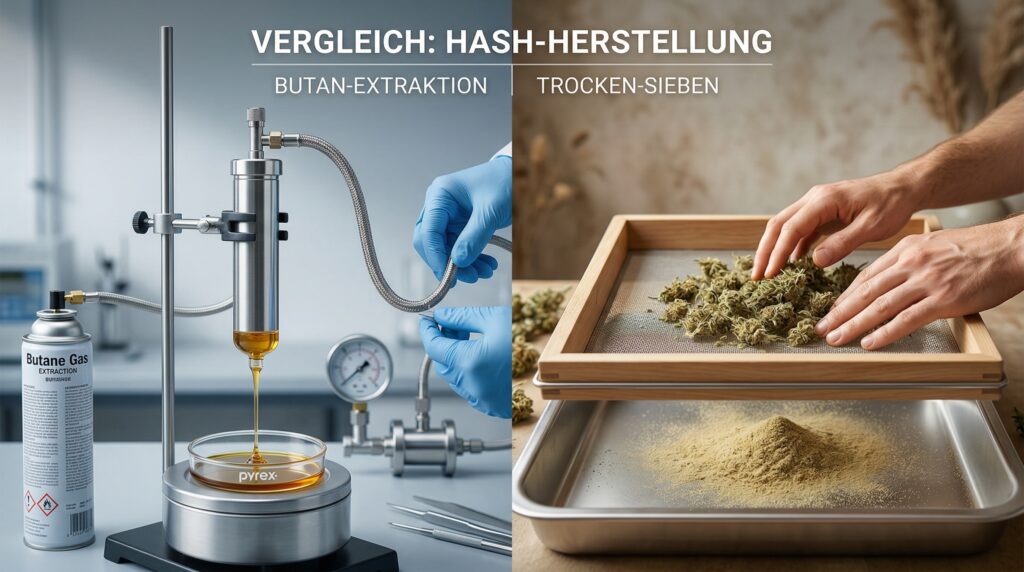
Bubble hash uses ice water and mesh bags. It produces very pure concentrate, but:
- Requires drying
- Poses a risk of mold
- Takes more time
Static Hash stays completely dry—this preserves the terpenes and speeds up the process.
Static Hash vs. BHO
BHO (butane hash oil) produces potent extracts. The drawbacks:
- Risk of explosion during use
- Possible solvent residues
- Thorough cleaning required
Static Hash is clearly more secure and more polished here.
Static Hash vs. Rosin
Rosin uses heat and pressure. High temperatures can cause a loss of terpenes. Static Tech Hash operates at low temperatures—the terpene profile remains more intact.
Conclusion of the comparison: Static Hash strikes the perfect balance between purity, terpene retention, safety, and technical complexity.
Why static hash is considered one of the cleanest extraction techniques
The production of Static Hash combines several factors that make it the best choice for quality-conscious consumers:
- Solvent-free: No chemical residues in the product
- Water-free: No risk of mold, no drying time
- Heat-free: Maximum terpene retention
When the process is carried out with care, only natural ingredients end up in the final product: cannabinoids, terpenes, and flavonoids. Chlorophyll and cell walls are largely excluded.
The method is also appealing from a sustainability perspective: no solvents are required, very few consumables are used, and there is minimal waste. Compared to some BHO or live resin setups, this extraction process is resource-efficient.
Legal Notices and Responsible Use (as of 2026)
The legal situation regarding cannabis and hashish has been changing in several European countries since 2024. Germany, Switzerland, and other countries have different regulations for:
- Medical use
- Discretionary spending
- Possession of cannabis flowers and extracts
The use of static hash is restricted by law in many countries and should always be in compliance with applicable laws.
In Germany, the possession, purchase, and consumption of cannabis extracts, including static hash, are generally permitted only under a medical prescription. Since the KCanG took effect, adults aged 18 and older have been allowed to possess up to 25 grams of THC-containing hash products in public and up to 50 grams in private settings. In Canada and certain U.S. states, the possession of static hash is legal as long as certain quantities are not exceeded. CBD hash products with a THC content below 0.3% are freely available for sale in Germany and are classified as aromatic products not intended for consumption.
Always stay informed about the current situation in your country. Official government websites and health ministries are the best sources of information.
This post is for informational purposes only. It explains the physical principles and quality factors of Static Tech Hash—it is not a call to engage in illegal activities.
Special caution is required with highly potent concentrates: use with care, do not drive while under the influence, and exercise restraint if you are inexperienced.
Conclusion: Creating a static hash – an overview of the simple, clean method
Static Hash combines craftsmanship with the principles of physics. The method uses static electricity to separate trichomes more selectively than is possible with screens alone.
The result: a cannabis extract of exceptional purity with a preserved terpene profile. No solvents. No water. No heat.
However, technique alone is not enough. The quality of the material (intact trichomes, fresh kief, clean dry sift) and working conditions (cool, dry, clean) are crucial to the outcome.
Static Tech Hash is one of the cleanest known mechanical extraction methods. For quality-conscious users, medical projects operating within legal frameworks, and artisanal manufacturers, this form of extraction is an exciting option.
Stay informed responsibly. Respect legal regulations. And view this topic as an introduction to modern, gentle extraction methods.
All you need is knowledge, patience, and respect for the customer experience.
Frequently Asked Questions (FAQ) About Static Hash
Is Static Hash automatically stronger than other hashish?
Due to its high trichome density, static hash typically has a higher cannabinoid content than conventionally pressed street hash. However, its actual potency depends on the source material: genetics, cultivation, and degree of ripeness play a key role.
There are also medium-strength static hash batches—especially if the source material was weak or degraded. The static hash method cannot turn poor genetics into top-quality hash.
Can existing dry sift be processed into static hash later on?
Yes, that is standard practice. Dry Sift serves as a raw material that is further purified using static electricity. The goal: fewer plant residues, higher purity, and better melting properties.
The quality of the original dry sift sets the standard. Even after static treatment, low-quality, contaminated sift will never become a true premium product.
What role does the cannabis strain play in Static Hash?
Cannabis strains with a high trichome content and a distinct terpene profile tend to produce better static hash. Modern hybrids with intense aromas are often the best choice.
Indica-dominant, compact buds often have a high resin content. However, Sativa-dominant strains can also produce excellent results. What matters most is the quality of the plant’s trichomes—not its Indica/Sativa classification.
How long does Static Hash stay fresh, and how should it be stored?
Optimal storage: Keep in a cool, dark, dry place in airtight glass containers. Use small jars appropriate for the amount to minimize contact with oxygen.
Light, oxygen, and heat break down cannabinoids and terpenes. When stored properly, Static Hash can retain its quality for several months to over a year. If stored improperly, it quickly loses its aroma and potency. Charas and other traditional forms of hash also benefit from these storage conditions.
Is the static hash method of interest for medical applications?
In legal markets and medical programs (e.g., Canada, some U.S. states, as of 2026), solvent-free extracts such as static hash and rosin are gaining increasing attention. Their purity and high terpene content make them inherently attractive.
Medical use should always be supervised by a doctor and comply with applicable laws. Static Room Hash or other variants are not a substitute for medical advice—but they can be part of a controlled use regimen.