

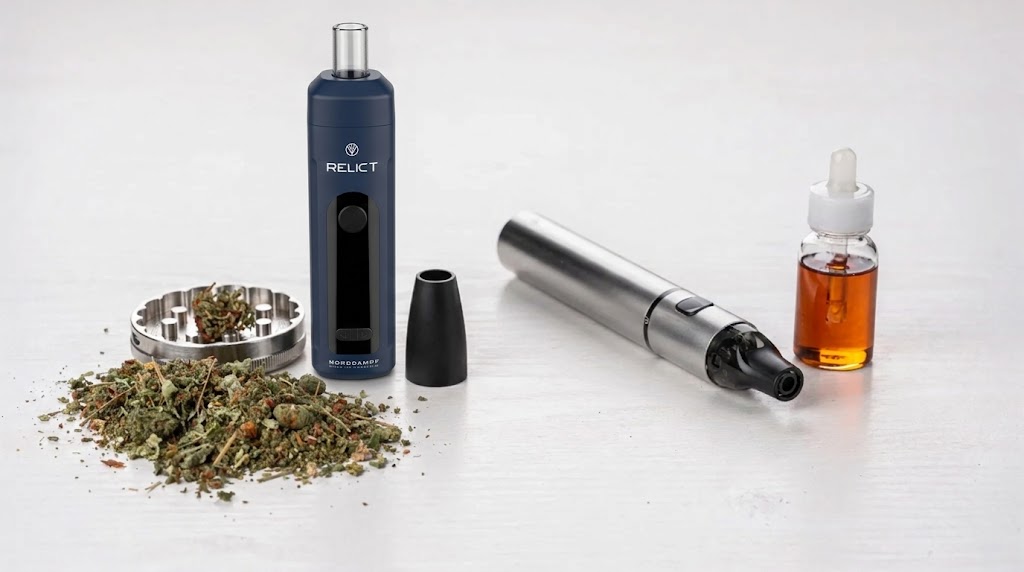
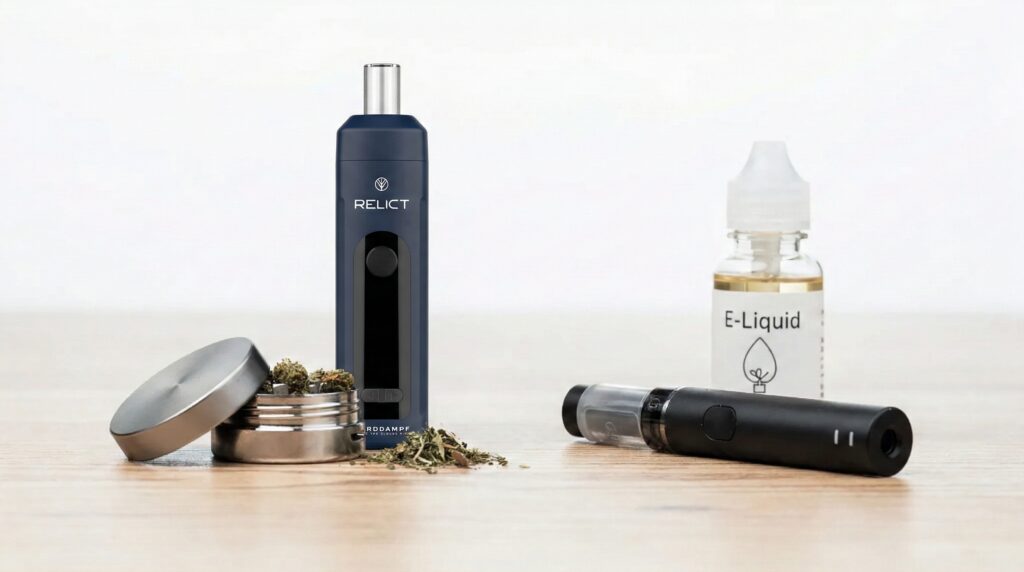
Many people use the term "vape" for anything that produces vapor. This is where misunderstandings arise: an herbal vaporizer (for dry herbs or concentrates) is technically and in terms of use different from an e-cigarette (for liquids, often containing nicotine). If you are currently considering which device is right for you, a clear comparison will help you avoid buying the wrong device or having false expectations.
Short definition: What is a vaporizer?
A vaporizer heats plant material (e.g., dry herbs) or extracts/concentrates in such a way that the active ingredients vaporize without burning the material. The goal is a controlled vapor experience with temperature control.
In everyday life, you will mainly encounter:
- Herbal vaporizer: for dry herbs
- Concentrate vaporizer: for waxes, resins, or other extracts (depending on the device and use)
- Hybrid or dual-use devices: depending on the design, with accessories and matching chambers
Important: Vaporizers are not e-cigarettes, even though both produce vapor.
Short definition: What is an e-cigarette?
An e-cigarette (including pod systems and vape pens for liquid) vaporizes e-liquid. This typically consists of propylene glycol (PG), vegetable glycerin (VG), flavorings, and optional nicotine. Vaporization takes place via a heating coil, which is heated by a battery.
If you are interested in the topic of risks and ingredients in e-cigarettes, the consumer information provided by the Federal Institute for Risk Assessment (BfR) and the German Cancer Research Center (DKFZ) are good places to start.

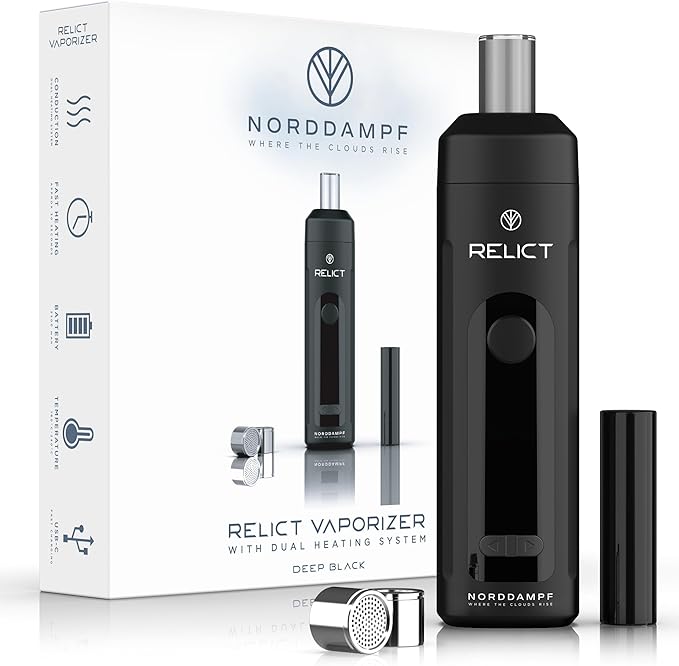
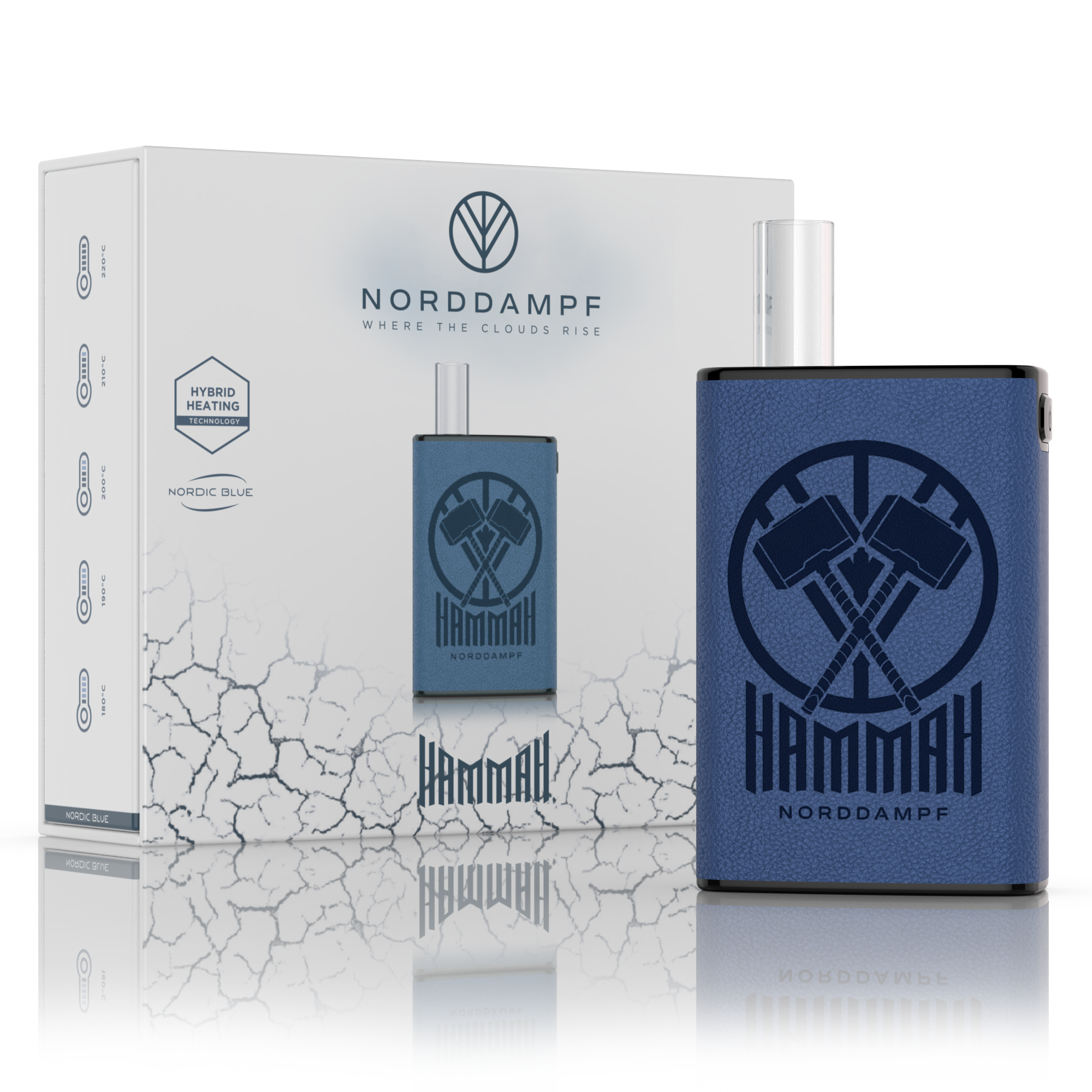
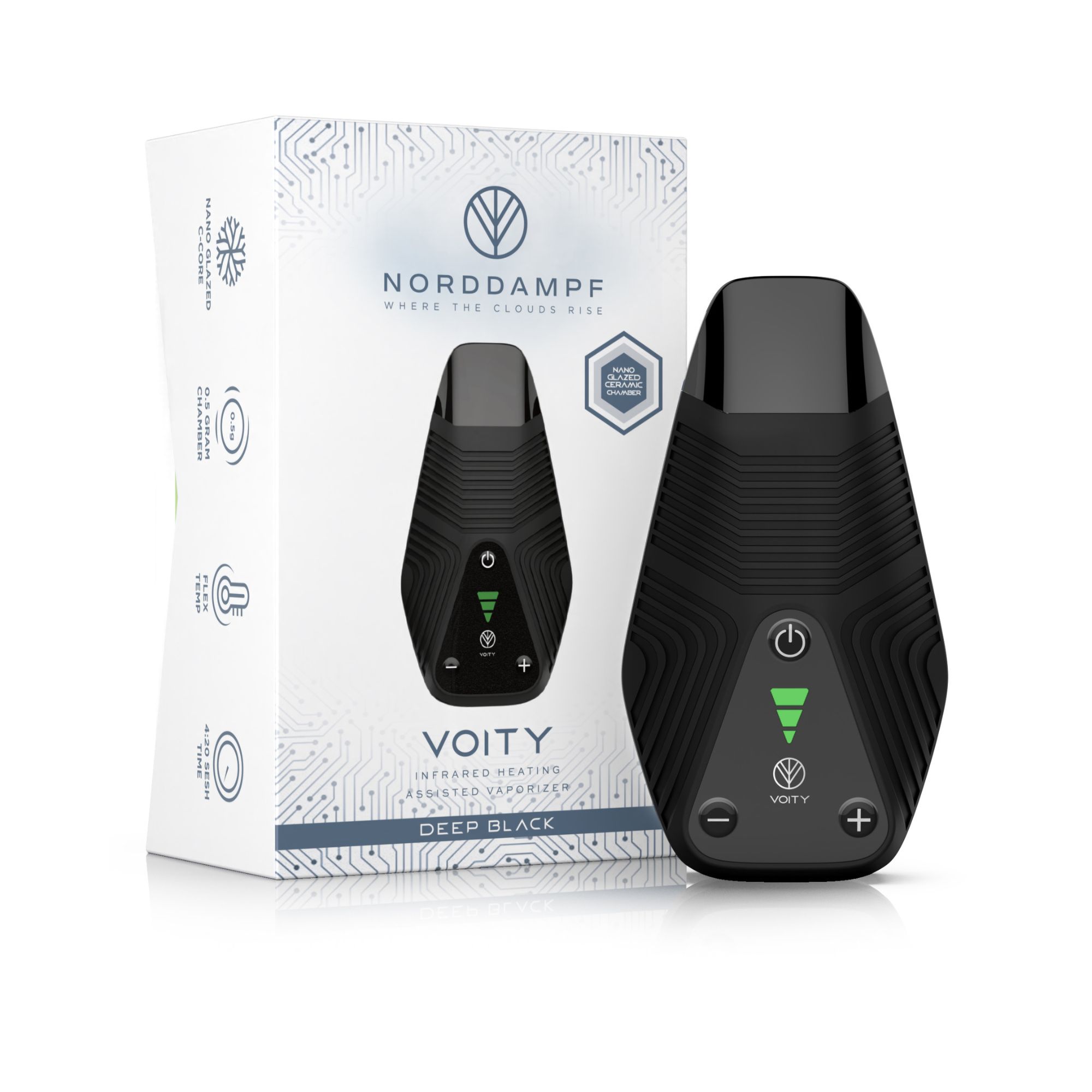
Our Best Sellers
Discover the most popular Norddampf products
The most important differences at a glance
The following overview will help you quickly check which device class suits your needs.
| feature | Vaporizer (herbs/concentrates) | E-cigarette (liquid) |
|---|---|---|
| Material | Dried herbs, concentrates/extracts if necessary (depending on the device) | E-liquid (PG/VG, flavors, optional nicotine) |
| heating principle | Conduction, convection, or hybrid (depending on model) | Coil heats liquid in the vaporizer head |
| Goal | Aromatic steam, temperature-controlled extraction | Liquid vapor, often nicotine intake (depending on the liquid) |
| temperature control | Often precise, sometimes stepless | Mostly power (watts) or temperature mode (device-dependent) |
| maintenance | Clean chamber/mouthpiece, change screens, replace capsules if necessary | Replace coil regularly, clean tank/pod |
| consumables | Herbs, sieves/capsules if necessary | Liquid, coils, pods |
| Common mistakes | Too finely ground, too tightly packed, cleaned too infrequently | Coil "burned out," incorrect power, insufficient liquid |
Technology explained in simple terms: Not all heating is the same
Vaporizers: Conduction, Convection, Hybrid
Herbal vaporizers often distinguish between three types of heating:
- Conduction (heat conduction): The herbs are placed on a hot surface. Quick to get started, but requires good packing and occasional stirring.
- Convection (hot air): Hot air flows through the material. Very even extraction, often particularly aromatic.
- Hybrid: Combines both to provide rapid heating and even steam.
Many modern devices (even in the premium segment) rely on hybrid approaches because they can be robust and tasteful in everyday use.
E-cigarette: coil, cotton wool, refill
In e-cigarettes, the cotton wool in the coil absorbs liquid. If the vapor is too hot or the cotton wool is not sufficiently saturated, this results in the typical "burnt" taste. The coil is a wearing part and needs to be replaced regularly.
Application: What feels different in everyday life?
Operation and ritual
A vaporizer for herbs often has a more "session-like" process: fill it with herbs (or use a capsule), select the temperature, enjoy for a few minutes, then empty and clean the chamber.
E-cigarettes are designed more for spontaneous puffs: the pod/tank is filled, and depending on the device, it is activated automatically when you take a puff or by pressing a button.
Taste and smell
- Vaporizer: Taste depends heavily on herb quality, grind, temperature, and cleanliness. The smell is noticeable depending on the material and environment, but usually different from smoke.
- E-cigarette: Taste is highly dependent on the flavor and liquid. The smell often dissipates quickly, but can be intensely aromatic.
cost structure
Both systems have acquisition costs plus running costs. The difference lies in the consumables.
| cost category | vaporizer | e-cigarette |
|---|---|---|
| Running costs | Herbs/concentrates, sieves if necessary, cleaning agents | Liquid, coils/pods |
| Typical cost drivers | Quality of materials, accessories | Frequency of coil replacement, liquid consumption |
Care and cleaning: What are the main differences?
Many bad purchases are not due to the technology, but rather to false expectations regarding maintenance.
Cleaning vaporizers (herbs/concentrates)
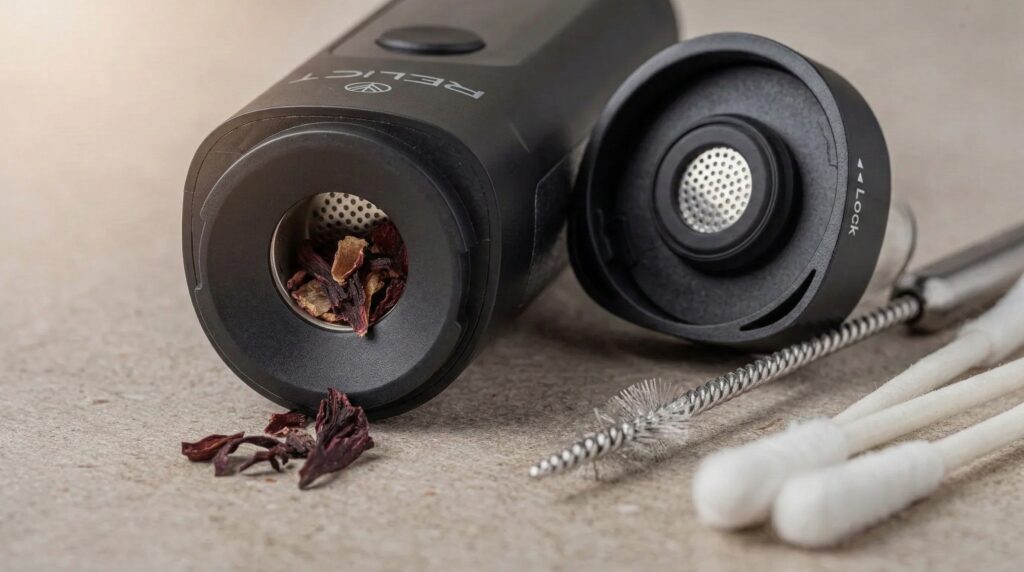
Herbal vaporizers leave residue in the chamber, screens, and mouthpiece. Regular cleaning keeps the draw resistance comfortable and the taste clear.
Proven basics:
- After each session: Brush out the chamber, remove coarse residues
- Regularly: Clean the screens and mouthpiece (e.g., with suitable cleaning agents and isopropanol, provided they are compatible with the material and in accordance with the manufacturer's instructions).
- Helpful for many users: dosing capsules to keep the chamber cleaner
Cleaning your e-cigarette and changing coils
Coil wear is normal in e-cigarettes. The tank/pod should be kept clean so that flavors do not "spoil" and seals last longer.
Safety and materials: What you should pay attention to
Regardless of the type of device, it is worth taking a look at the workmanship and material quality.
Important points to consider when purchasing vaporizers include:
- Materials in the steam path (e.g., medically safe materials)
- Precise temperature control and reliable electronics
- Spare parts and support (mouthpieces, screens, seals)
Key points regarding e-cigarettes are:
- Reputable liquids with clear labeling
- Suitable batteries/safety electronics (especially for devices with replaceable battery cells)
- Avoid cheap coils of unknown origin
Note: This article is not medical advice. If you have health questions or existing medical conditions, it is advisable to seek medical advice.
Which option is right for you? Decision-making assistance without marketing jargon
If you're looking for a vaporizer
An herbal or concentrate vaporizer is often suitable if you:
- Place value on temperature-controlled extraction
- prefer a "session" experience
- you are interested in herbs (or concentrates, depending on the device)
- are prepared to clean regularly (and will be rewarded with a stable taste)
If you're looking for an e-cigarette
An e-cigarette is more suitable if you:
- You want liquid flavors
- think a system with coils/pods is okay
- are looking for a device that works quickly in between tasks
- deals responsibly with nicotine issues (if relevant)
Buying tips: What to look for when buying a vaporizer
Since you are NORDDAMPF , here are the most common practical questions that really matter when buying a vaporizer.
For beginners: Simplicity beats features
For beginners, the following is crucial:
- Easy filling and uncomplicated cleaning
- Stable temperature control (not too much menu complexity)
- Good supply of accessories and spare parts
For advanced users: Steam quality and flexibility
If you already have experience, pay closer attention to:
- Heating type (convection/hybrid) to suit your style
- Steam path and material appearance
- Accessory ecosystem (mouthpieces, capsules, screens, concentrate options if applicable)
At NORDDAMPF , you NORDDAMPF a selection of high-quality vaporizers and accessories, plus guides and support. Start at the shop: NORDDAMPF.
Common misunderstandings (and how to avoid them)
"Both are vaporizers, right?"
Literally speaking, both vaporize something, but in commerce and usage, "vaporizer" almost always refers to devices for herbs or concentrates, while "e-cigarette" stands for liquid systems.
"An herbal vaporizer is maintenance-free."
Unfortunately, no. Cleaning is essential for good taste. This is not a disadvantage, but part of the system.
"Higher temperatures are always better."
Not necessarily. With herbs, excessive temperatures can impair the flavor and put unnecessary strain on the material. It is better to adjust the temperature to the desired aroma and steam development.
Frequently Asked Questions
No. An herbal vaporizer is intended for dry herbs (and some concentrates), while an e-cigarette vaporizes e-liquid via a coil.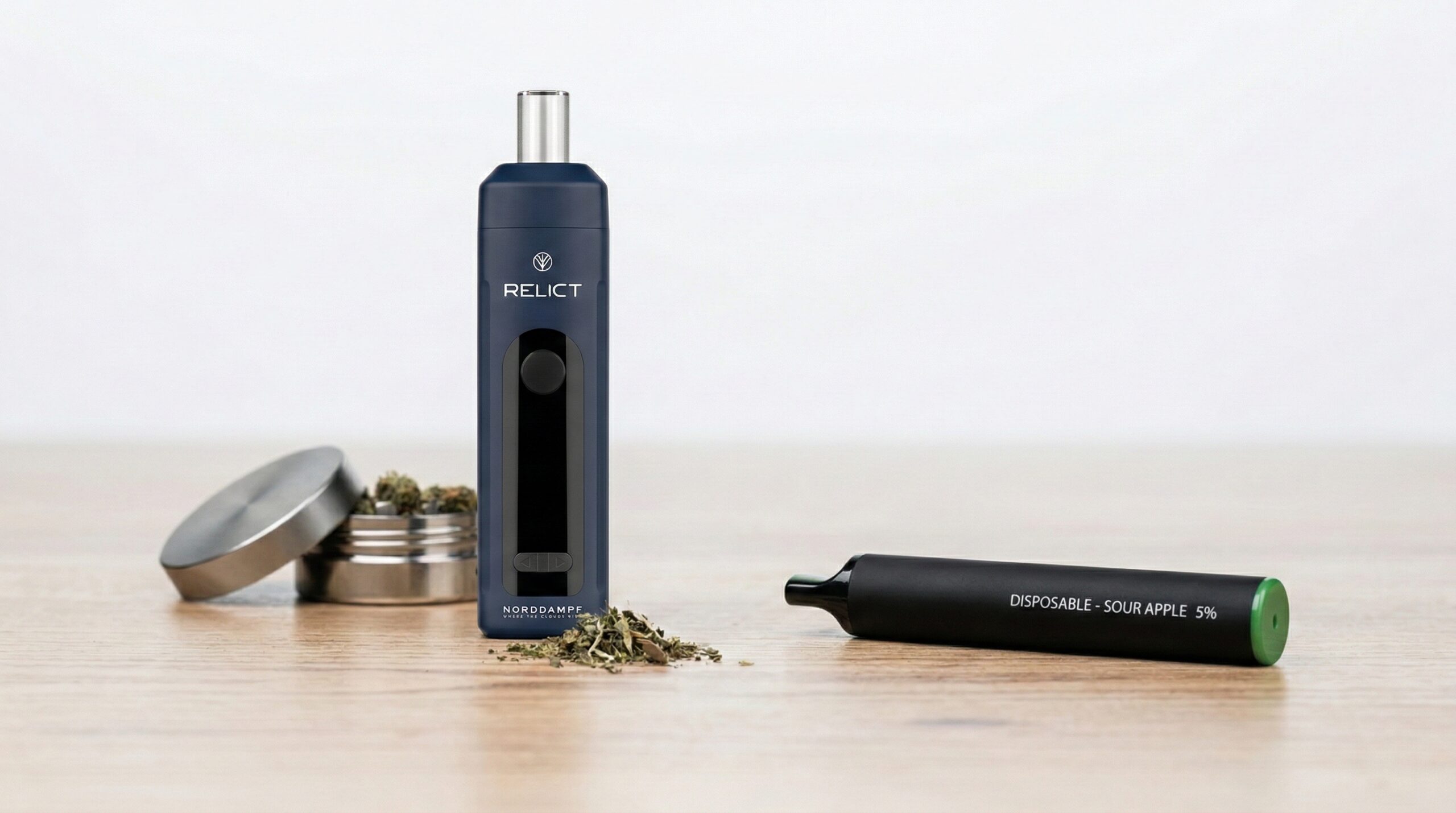
Generally, no. Devices, chambers, and vapor paths are not designed for this purpose. Only use materials that are expressly approved by the manufacturer.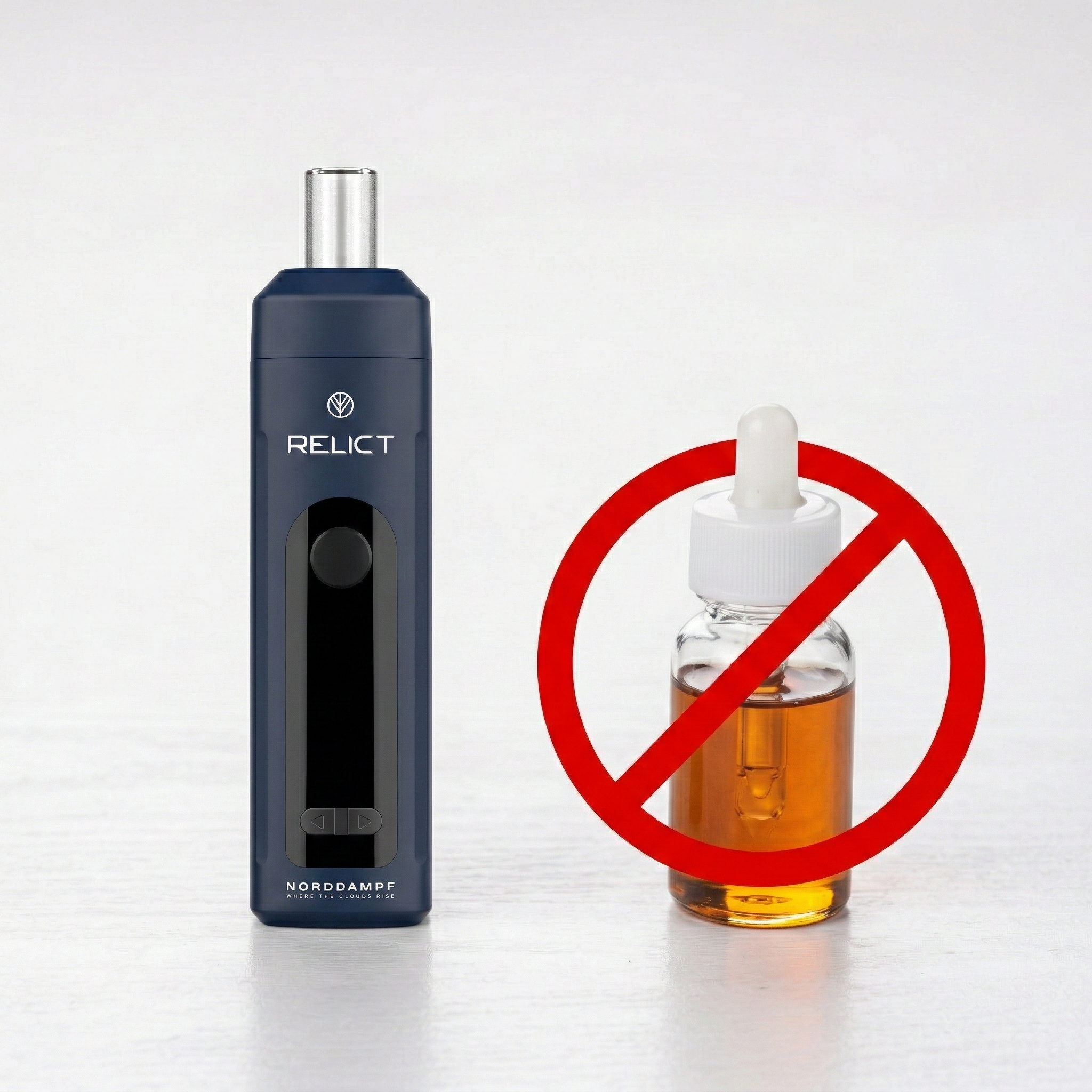
That depends on the system. E-cigarettes require regular coil changes, while herbal vaporizers need consistent cleaning of the chamber and screens to maintain a consistently good taste.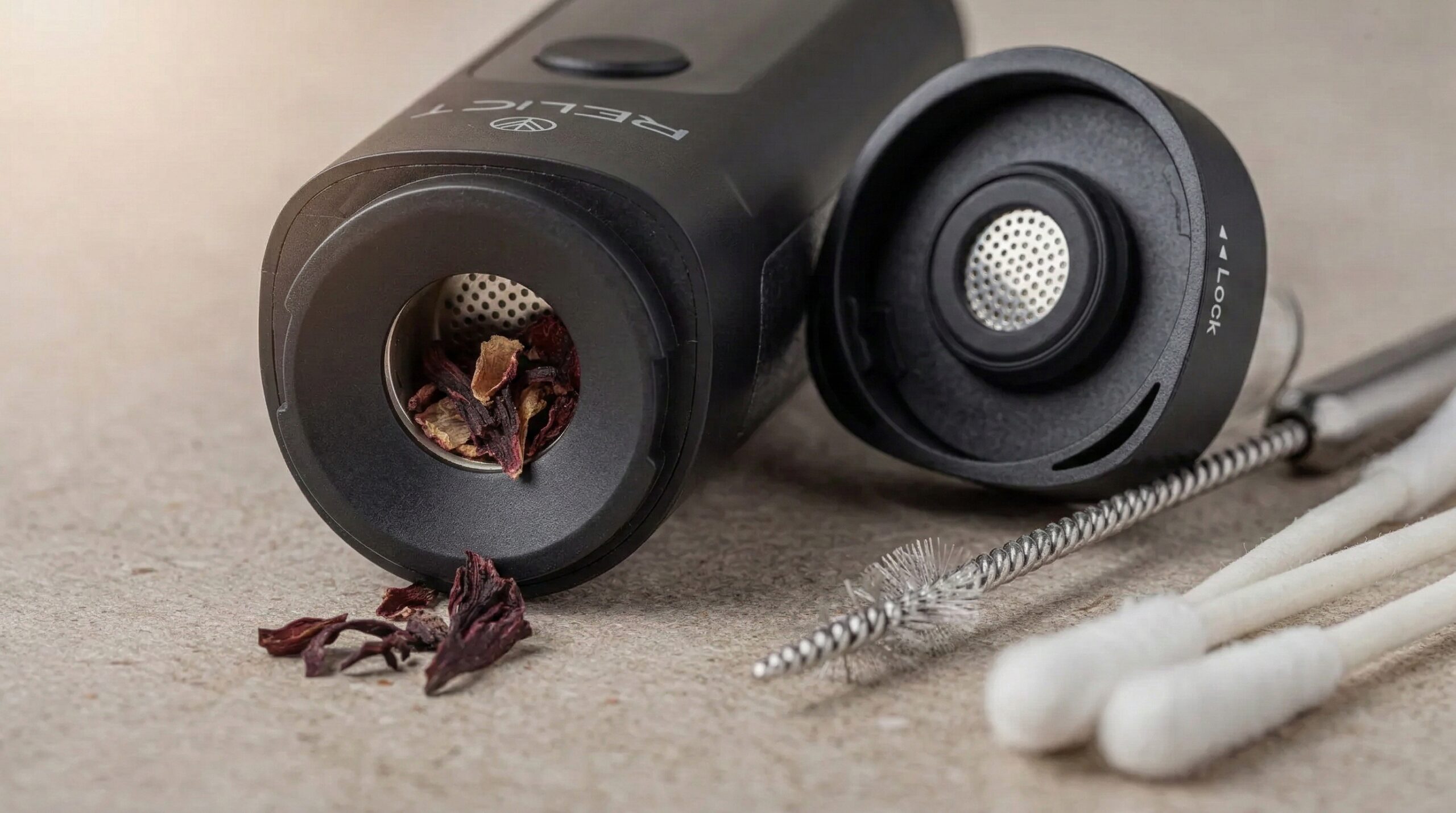
For beginners, ease of use, reliable temperature control, and good cleaning options are more important than lots of special modes.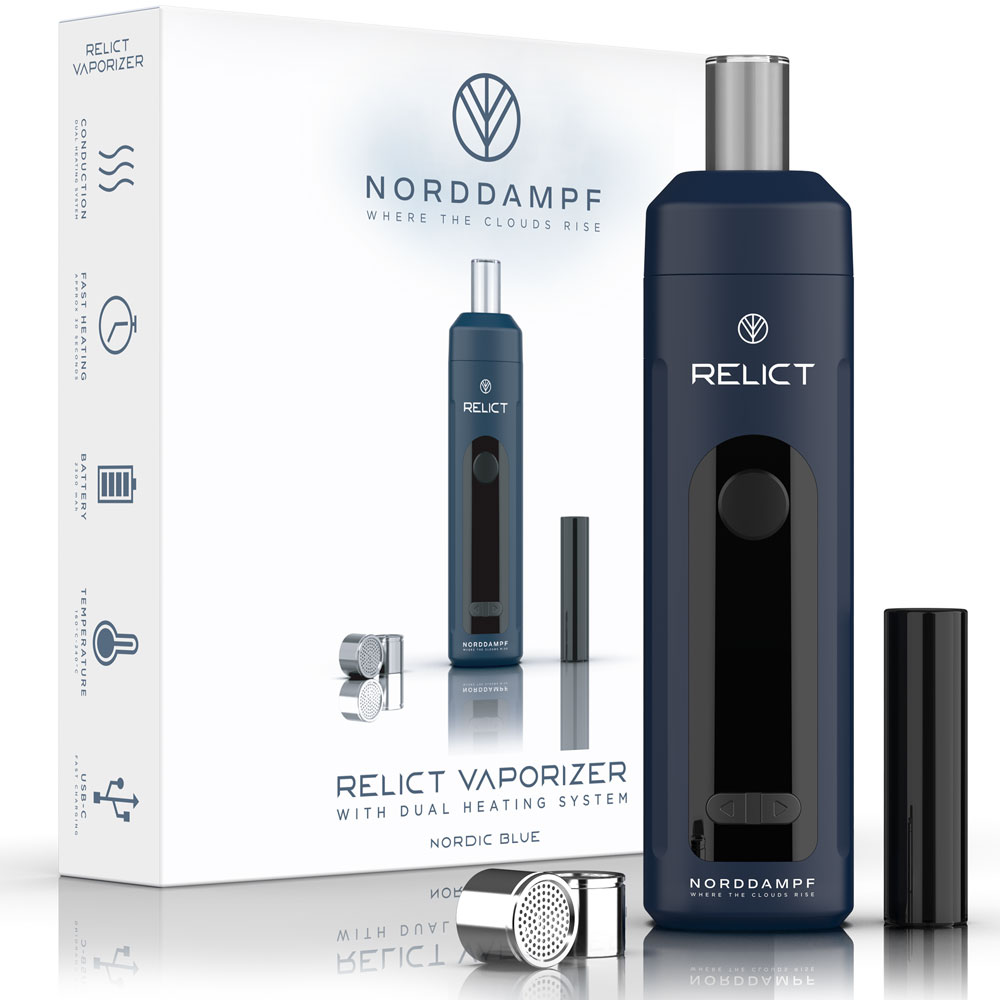
Solid workmanship, high-quality materials (especially in the steam path), stable temperature control, and good spare parts and support availability.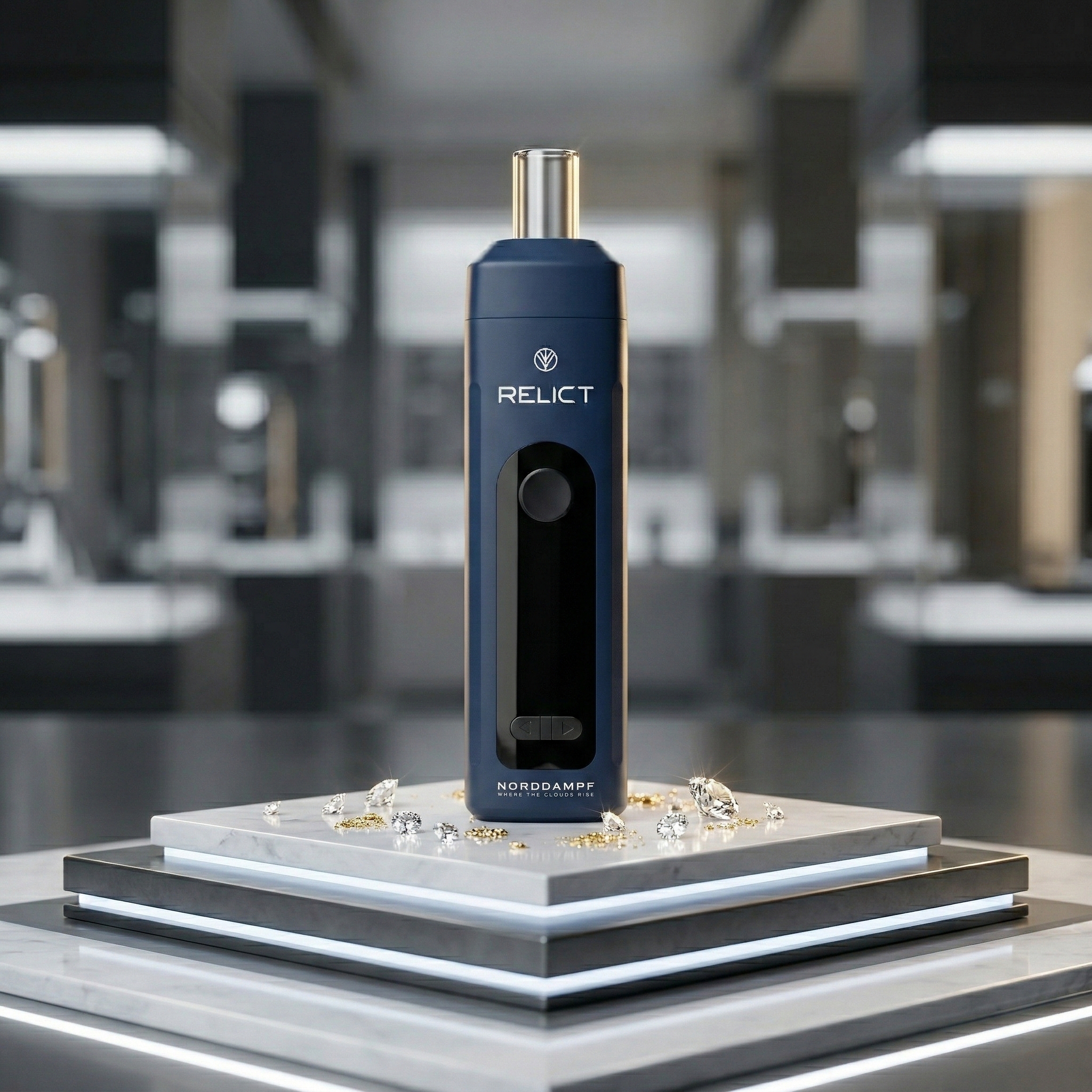
Conclusion and next step
The difference is clear: vaporizers are designed for herbs and some concentrates, while e-cigarettes are designed for liquids with a coil system. If you are specifically looking for a herb vaporizer, it is worth paying attention not only to "clouds," but also to the heating method, material quality, temperature control, and cleaning.
If you want to get your bearings, take a look at the selection of vaporizers and matching accessories at NORDDAMPF , including bundle options, guides, and support to get you started.