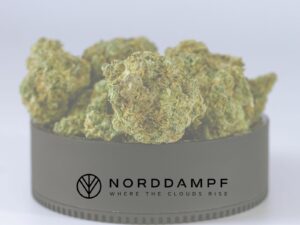


Dry-sift hash fascinates cannabis enthusiasts worldwide—an ancient technique that is making a comeback in modern concentrate circles today. Dry-sift hash has a long history in cannabis culture and has established itself as a significant product over generations. In the world of cannabis products, dry sift hash plays a central role, combining tradition with modern extraction methods. This article explains everything you need to know about dry sifting without providing a step-by-step guide.
Key Findings (Summary)
Before we dive in, here’s a quick overview of the key points:
- "Dry Sift " refers to dry-sifted trichomes (the fine resin of the cannabis plant) that are extracted through mechanical separation without the use of solvents
- This article does not provide step-by-step instructions for making hash, but rather a detailed overview of the method, quality, and differences from other types of hash
- The main difference between kief, dry sift hash, and bubble hash lies in the processing method and purity—dry sift is a solvent-free, mechanical trichome extraction
- The most important factors for quality: high-quality raw ingredients, cold processing (5 to 48 hours in the freezer), fine sieves with the appropriate mesh sizes, and gentle handling
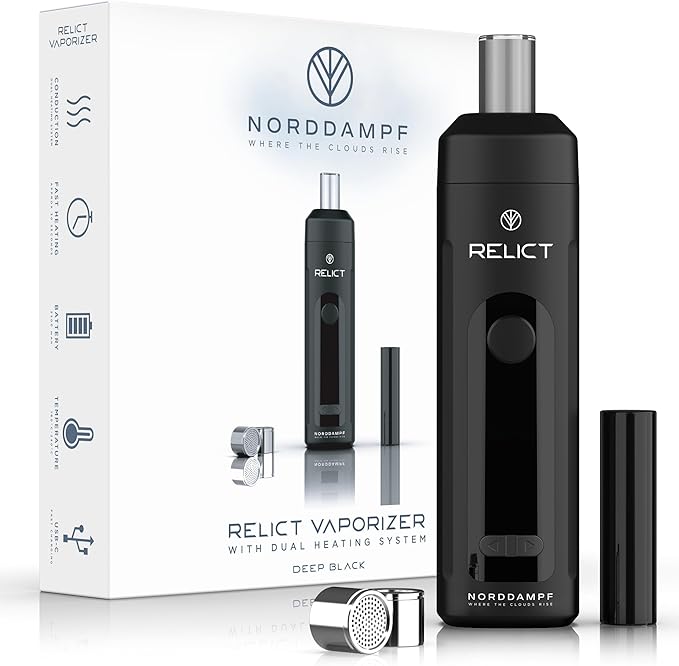
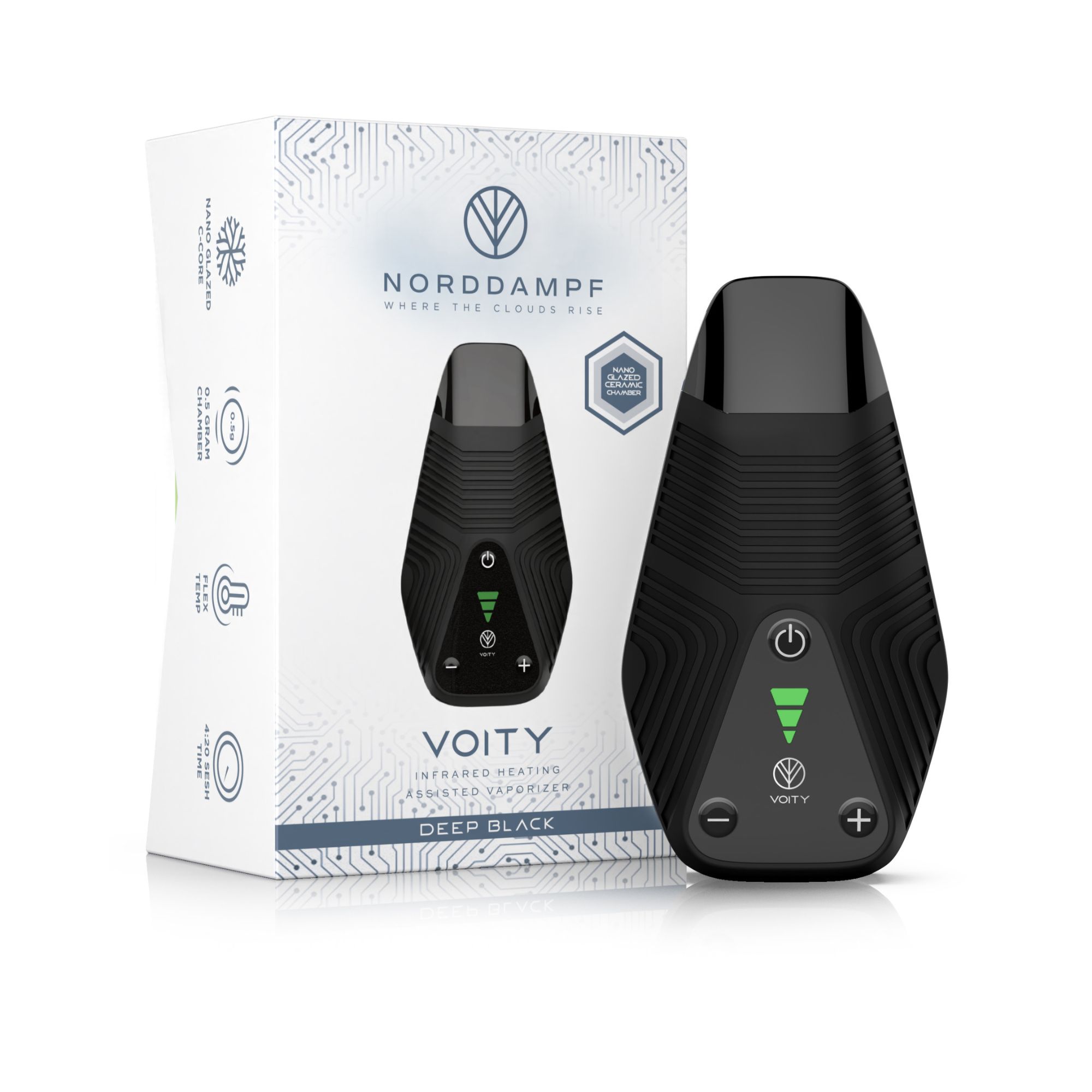
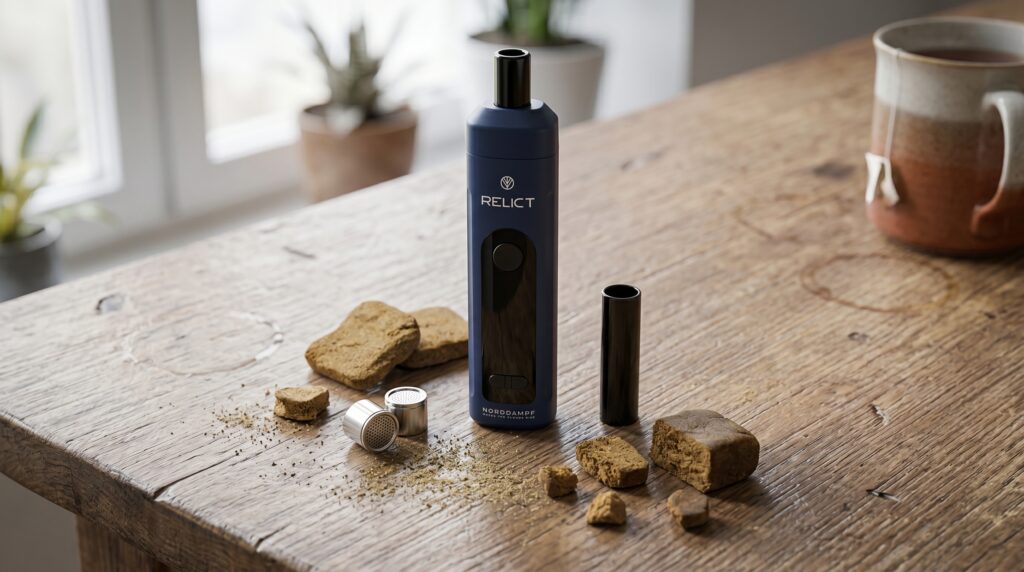
- Clean, well-sifted material reveals Norddampf full terpene profile in precision vaporizers like the RELICT Norddampf , delivering a more intense flavor experience
Introduction: What does “making dry sift hash” mean?
Many people are familiar with the fine powder that collects at the bottom of the grinder. What very few people know is that there’s an entire system behind it, involving trichomes, different screen sizes, and clearly defined quality grades.
"Making dry-sift hash" is a colloquial term for the process of dry-sifting—that is, the mechanical separation of resin glands from plant material, followed by an optional refinement into hashish. There are various methods for making hash, and dry-sifting is one of the solvent-free methods.
This method is one of the oldest extraction techniques in existence. In regions such as the Rif Mountains of Morocco or the Hindu Kush, people have been using this technique for centuries. At the same time, dry sift is currently experiencing a resurgence in legal markets as a “full melt” concentrate.
Important Note: This article is intended to provide neutral and factual information. It does not encourage manufacturing or promote illegal behavior. If you have any questions about the legal situation, we recommend seeking expert advice.
Whether you’re only familiar with “pollen” from a grinder or are already well-versed in bubble hash and different mesh sizes— here you’ll find the basics you need to truly understand dry sifting. The process of making hash involves many different techniques and methods, which vary in terms of technique, quality, and safety.

Our Best Sellers
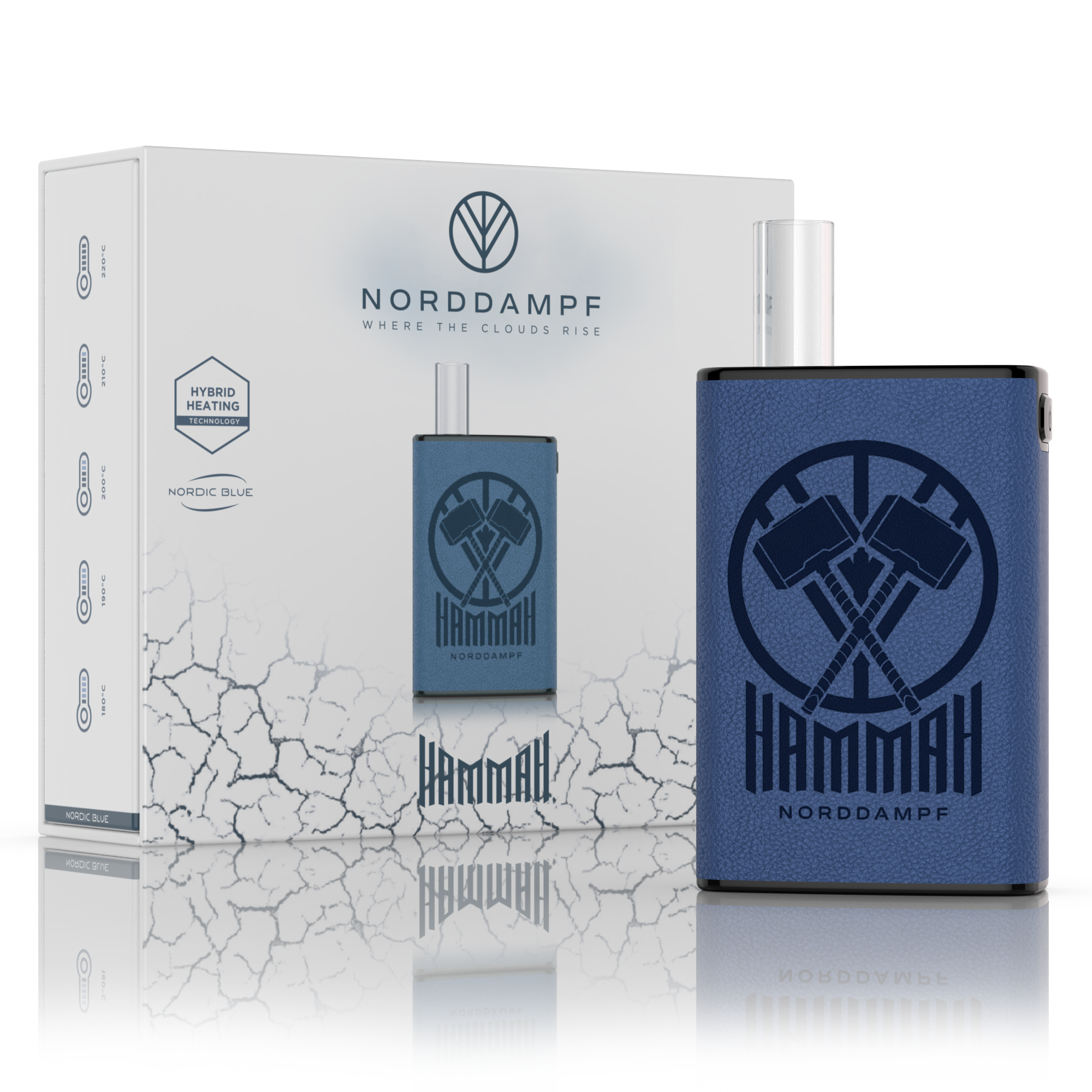
Discover the most popular Norddampf products
What exactly is dry sift hash?
Dry Sift is produced by mechanically sifting cannabis flowers while they are dry. During this process, the resin glands—the trichomes—detach from the plant and collect as a fine powder.
What are trichomes?
Trichomes are tiny, mushroom-shaped resin glands found primarily on the flowers and calyxes of the cannabis plant. They measure an average of 50–150 micrometers in diameter and contain:
- Up to 70–90% of the plant’s cannabinoids (THC, CBD, etc.)
- Volatile terpenes, which are responsible for aroma and the entourage effect
- The actual resin that forms the basis of every cannabis concentrate
The main differences:
| Term | Definition |
|---|---|
| Kief | Loose trichome powder, often collected by chance (e.g., from a grinder), less refined |
| Dry Sift | Carefully sifted, selected trichome material with a defined purity level |
| Dry Sift Hash | Hashish compacted from dry sift – the resulting powder can be consumed directly or pressed into hashish using heat and pressure |
Kief is often used as a starting point for making hashish because it contains the plant’s most potent compounds and is relatively easy to collect. Although the terms “kief” and “dry-sieve hash” are often used interchangeably, there is a key difference: kief is less refined and is produced on a smaller scale, whereas dry-sieve hash is a refined end product.
This method does not use any solvents such as butane or ethanol—it relies solely on physics and mechanical motion.
Dry Sift, Kief, and Other Types of Hash: What Are the Differences?
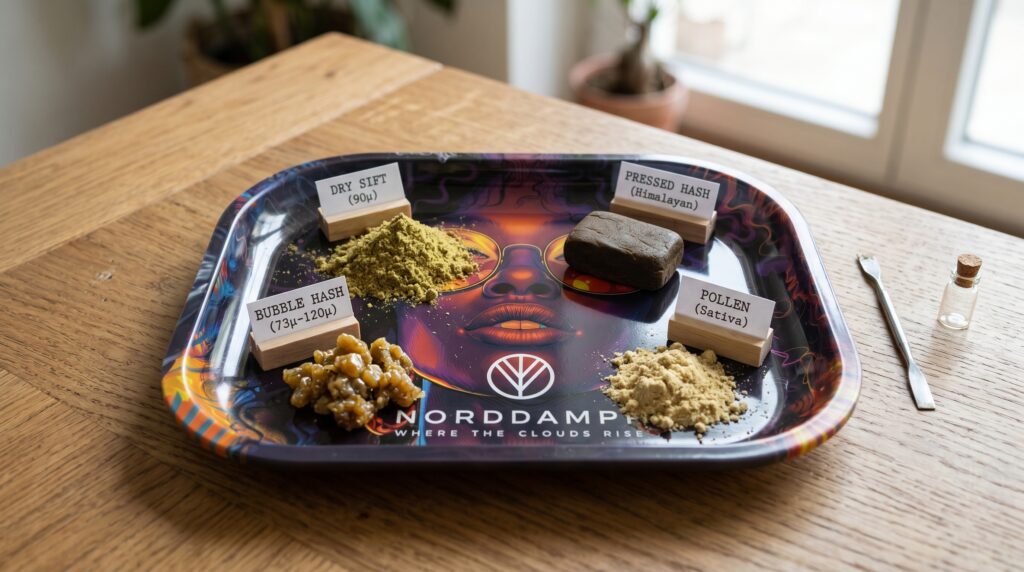
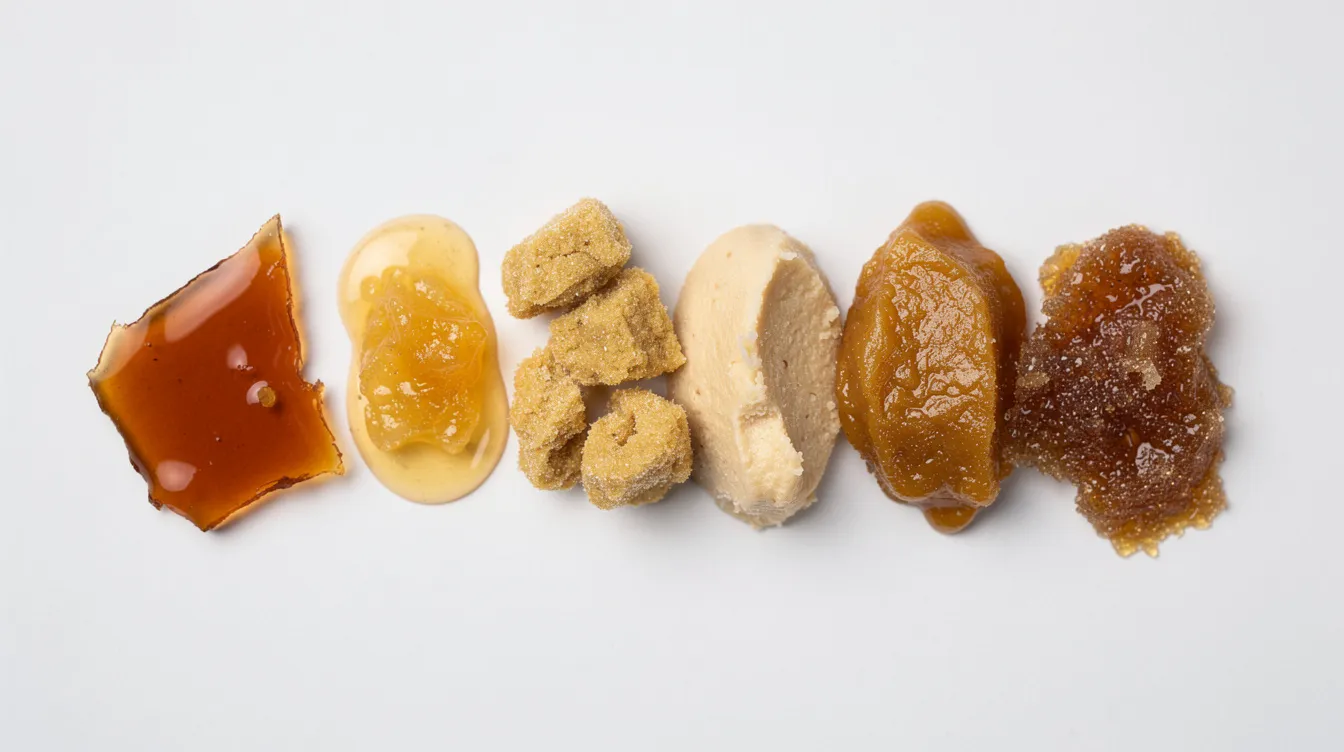
Terms like kief, dry sift, bubble hash, and rosin are often used interchangeably. Unlike bubble hash, which is made using water and ice, dry sift hash is produced exclusively through dry sifting, resulting in end products with different qualities and characteristics. It’s time to set the record straight.
Kief vs. Dry Sift
Kief is the general term for trichome powder, which is often produced accidentally—typically in a grinder or during an initial, rough sifting process. It frequently contains 20–50% plant matter, such as particles containing chlorophyll.
Dry sift, on the other hand, is the “curated” form: more concentrated, cleaner, produced using a deliberate sifting technique, and with a clear focus on quality. While kief typically contains 30–50% THC, high-quality dry sift can reach 60–80%.
Dry Sift vs. Traditional Hash
Classic hashish refers to pressed resin—regardless of whether it was dry-sifted, water-extracted, or hand-rubbed beforehand. Dry Sift is the specific dry-sifting method that provides the raw material for this form of hashish.
Kief is the loose powder made up of trichomes that accumulates when flowers are ground or sifted, while hash is created when kief or another resin concentrate is collected, compressed, and usually shaped into slabs, coins, or balls using pressure.
Dry Sift vs. Bubble Hash
Bubble Hash uses ice water and filter bags (bubble bags) for extraction. The trichomes are washed out in the water and separated using a series of sieves.
| aspect | Dry Sift | Bubble Hash |
|---|---|---|
| Medium | Completely dry | ice water |
| Risk of mold | None | 10–20% if drying is inadequate |
| terpene loss | Minimal (80–95% retained) | Up to 30% through hydrolysis |
| cleaning | Screening quality is crucial | Water removes 70–90% of impurities |
Dry Sift vs. Solvent-Based Concentrates
Products such as BHO, shatter, or wax can reach extremely high potencies (90–95% THC), but they carry risks. If purification is inadequate, 100–500 ppm of solvent residues may remain. Solvent-based extraction methods, such as BHO, are not permitted for private individuals in Germany, as they are considered the production of a cannabis concentrate.
Which products are best suited for which consumers?
- Dry Sift: For lovers of flavor, tradition, and natural products
- Bubble Hash: For those who prefer "clean" melting properties
- BHO/Shatter: Focus on maximum potency and specific consistencies
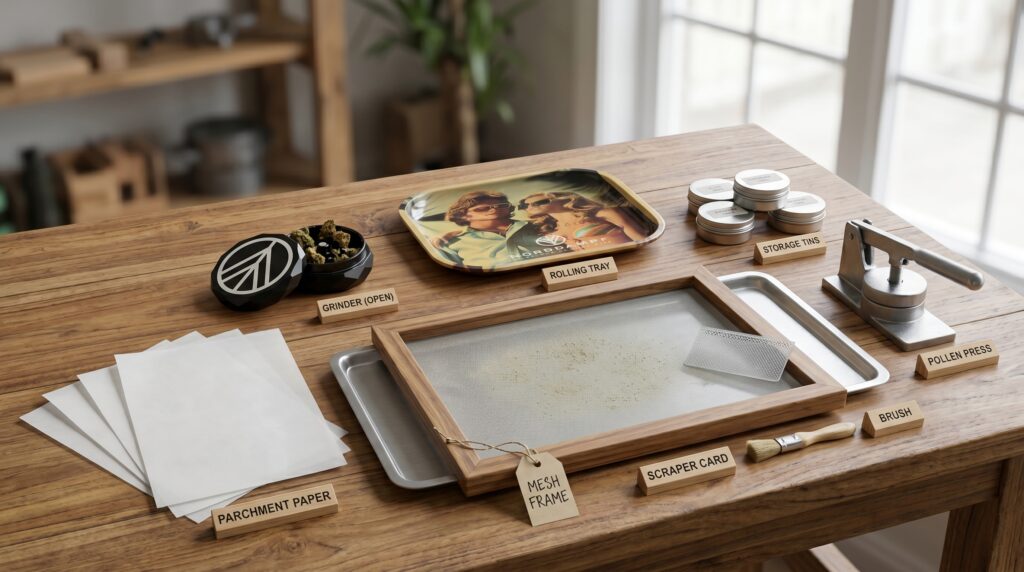
Screens, mesh sizes, and trichome separation (no instructions)
The mesh size determines which particles can pass through a screen. It is specified either in LPI (lines per inch) or directly in micrometers. Choosing the right equipment, such as the appropriate screens and suitable tools, is crucial to the quality of the final product.
The principle of separation:
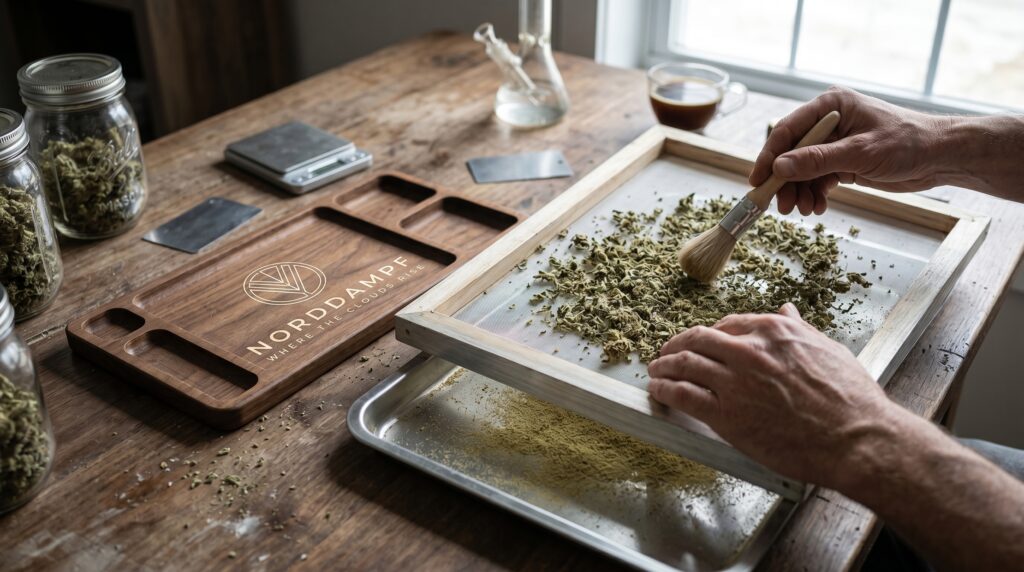
Trichomes are more brittle than the surrounding plant tissue. When subjected to mechanical movement—such as shaking or rolling—they break off and fall through the mesh. To collect and process the trichomes, a sharp tool is used to efficiently detach and collect them. Depending on the screen size, different-sized particles pass through:
- Coarser screens (150–220 LPI / ~100–150 µm): Higher yield, but more plant material → “greener” dry sift
- Finer screens (86–120 LPI / ~70–90 µm): Lower yield, but higher purity, lighter color, and better melting properties
Screening systems with different mesh sizes are necessary; a 160-micron screen is suitable for the first pass as a good compromise between quantity and quality. The first pass through the screen yields the highest purity, while subsequent passes contain more plant debris.
The purity of dry-sift hash depends heavily on the mesh size of the screens used; finer screens result in higher quality, as they retain more plant material. Using screens with different mesh sizes during the sifting process allows for the efficient separation of trichomes and increases the purity of the dry-sift hash.
Static Tech for cleaning:
To remove plant debris from the sieved resin, the “Static Tech” method can be used, which relies on static electricity. This technique helps separate lipids and waxes from the pure trichome material.
Relevance for vaporizers:
The finer and cleaner the dry sift, the better it performs in vaporizers with precise temperature control. Fewer plant particles mean less residue in the heating chamber and airflow paths—a clear advantage for devices like the RELICT.

Quality characteristics: How can you tell if dry sift hash is good?
The quality of dry-sieve hash is determined by its melt point, which serves as an indicator of its purity and the amount of plant material it contains.
Color:
- High-quality dry sift ranges in color from sandy to light golden
- Stark grünliche Färbung deutet auf hohen Pflanzenanteil hin (< 5 % Chlorophyll bei Premium-Qualität)
Consistency:
- Clean material feels like fine, dry sand
- It holds together with just a little pressure
- Fibrous, crumbly material containing visible plant debris is of inferior quality
Smell & Aroma:
- An intense, strain-specific aroma (fruity, spicy, earthy—depending on the strain)
- No musty, grassy, or chemical odor
- Flat, "green" notes indicate oxidation or a high proportion of leaves
Melting behavior:
Dry-sieve hash is classified into three levels of potency:
| degree | Description | deficit |
|---|---|---|
| Full Melt (6 stars) | Evaporates at 150–180 °C with almost no residue | < 5 % |
| Half Melt (3–4 stars) | Partial evaporation | 20–40% |
| Kief (1–2 stars) | Burns more than it melts | >40 % |
Laboratory analyses:
Within the legal framework, tests confirm that premium-quality products contain 60–90% total cannabinoids. On the black market, this level of certainty is lacking.
Tips: For particularly high-quality dry-sift hash, it is recommended that you chill the material thoroughly before sifting, use fine-mesh screens, and repeat the sifting process several times to maximize purity.
The Effect of Raw Materials, Temperature, and Handling
The same method can lead to completely different results. It all comes down to the variables. The topic of dry sift hash involves many different factors and aspects that significantly influence the final product.
Raw material
When making dry sift hash, it is important to select high-quality, dried cannabis flowers with a high trichome density to maximize the quality of the final product. Mature flowers at the peak of trichome milky stage (20–30 days after 60% of the buds have turned clear) yield the best results.
- Premium buds: 10–15% yield possible
- Sugar Leaves: A Good Balance Between Resin Content and Resource Utilization
- Coarse trim: Lower grades
Variety Selection
Some strains naturally produce thicker layers of trichomes. Classics like Hash Plant or modern resin-heavy strains like Gorilla Glue yield significantly more than sativa-dominant strains with less resin.
Temperature & Refrigeration
Cold temperatures are crucial for the quality of dry sift hash, as they make the trichomes brittle and allow them to break off more easily. To improve quality, the plant material should be stored in the freezer for 5 to 48 hours before sifting.
The best techniques for making dry-sift hash rely on cold temperatures, patience, and the right screen size. If the temperature is too high, the resin will become runny and the terpenes will evaporate.
Handling & Storage
Handling the hash gently without crushing it reduces plant dust in the final product. To preserve the potency and freshness of dry-sift hash, it should be stored in an airtight container in a dark, cool place. Storing hash in the refrigerator can help maintain its consistency and slow down the degradation process. If hash is only to be stored for a short time, it can also be kept in a cool, dark place outside the refrigerator.
For best results, Kief should be pressed at temperatures between 77 °C and 88 °C to produce cohesive hash forms.
Comparison of the flavor, terpene profile, and potency of Dry Sift
Dry Sift isn’t just “stronger weed”—it has its own distinct flavor and effect profile. In addition, Dry Sift Hash is ideal for making edibles, as it can produce a particularly potent and long-lasting effect when incorporated into food.
Terpene profile
Mechanical isolation preserves 80–95% of the original terpene profiles. The result: concentrated, variety-specific aromas.
- Lemon-dominant strains (e.g., Lemon Haze): Extremely citrusy, invigorating
- Myrcene-dominant strains (e.g., Afghan): Earthy and warm, sedative
Flavor in a vaporizer
In a vaporizer, different temperature settings allow various terpene fractions to be released one after another:
- 170–180 °C: Lighter terpenes, fruity notes
- 190–210 °C: Heavier components, fuller flavor profile
Potency
Since dry sift consists primarily of trichomes, its cannabinoid content is significantly higher than that of regular flower. Just a few crumbs can have the same effect as an entire joint—careful dosing is essential.
Dry sift hash is produced through mechanical sifting, a process in which trichomes are separated from the flowers to create a fine powder.
Dry Sift & Vaporizer: Why Clean Material Is So Important
Vaporizers and high-quality dry sift are a perfect combination.
Advantages of vaporization:
- No open flames, fewer combustion byproducts
- The terpene profile remains more nuanced at moderate temperatures
- Up to 90% fewer toxins compared to smoking
The Importance of Purity:
The fewer plant residues there are in the Dry Sift, the “cleaner” the vapor. Less throat irritation, fewer deposits in the device. Very green, contaminated material tends to behave more like finely crumbled flower.
The RELICT :
Modern vaporizers like the RELICT Norddampf their precise temperature control, allow you to heat dry sift specifically within the range where cannabinoids and terpenes vaporize most effectively. Good airflow and fine-mesh filters prevent melted resin from clogging the device.
Practical tip:
Only use Dry Sift from trusted, legal sources, and clean your device regularly—especially after using resinous concentrates.
Legal and Practical Classification (Without a Request for Production)
In Germany, the legal situation surrounding cannabis and concentrates is complex.
Current legal situation:
Adults in Germany are permitted to possess up to 25 grams of cannabis in public and 50 grams at home; however, the production of hashish remains prohibited. In Germany, the production of hashish is legally problematic, as it is considered the criminal production of a cannabis concentrate.
The legal situation regarding the production of hashish in Germany is unclear, as the term “production” is not precisely defined in the Cannabis Act. This means that even though possession is tolerated under certain conditions, the active production of concentrates remains in a legal gray area. Those who thoroughly research the legal framework in advance will be on the safe side when it comes to this issue.
Practical implications:
- Use legally available, certified products (pharmacies, licensed stores)
- Due to its high potency, use with caution—especially for beginners
- If you are unsure, seek legal advice
Health Advisory:
High THC concentrations can intensify psychological effects. It is important to be mindful of your own reactions and use the product responsibly. If you have any health concerns, we recommend seeking professional advice.
Conclusion: Understanding dry sift hash rather than just “making” it
Dry Sift is one of the most fascinating solvent-free hash methods. It works purely mechanically, preserves the strain’s terpene profile very effectively, and is available in various quality grades—from simple kief to premium full-melt quality.
Quality depends on many factors: variety, ripeness, raw material, temperature, sieve setup, and handling. There is no single “secret trick.”
Think of dry sift as a distinct product category, and opt for high-quality, cleanly tested products within the bounds of the law. With a precise vaporizer like the RELICT clean dry sift, you can experience the full aromatic potential of the cannabis plant in a controlled manner—provided you pay attention to purity, dosage, and responsible consumption.
Frequently Asked Questions (FAQ) About Dry Sift Hash
Is dry sift stronger than regular weed?
Yes, dry sift is generally much more potent than flower, since it consists almost entirely of trichomes. However, the effects depend heavily on the strain, the quality of the material, and your individual tolerance. Beginners, in particular, should start with very small amounts, since just a few crumbs can have the same effect as a whole joint.
Can you use dry sift in a regular herbal vaporizer?
Many modern herbal vaporizers can handle concentrates, provided they are designed for that purpose. Check the user manual for your device to see if it includes compatible cartridges, inserts, or concentrate pads. With RELICT , you’ll benefit from precise temperature control that optimally releases the terpene profile. Regular cleaning is important to prevent resin buildup.
How can I tell if Dry Sift is contaminated or adulterated?
Warning signs include unusual odors (chemical, perfumed), extreme hardness at room temperature with no plausible explanation, significant discoloration, or visible foreign objects. A noticeably “green” smell also indicates a high plant content. If you suspect the product has been cut with additives, do not consume it and rely only on trustworthy sources.
How long does Dry Sift stay fresh?
When stored properly—in a cool, dark, airtight container—Dry Sift can remain relatively stable for months or even years. However, it does lose some of its terpenes and potency over time. Our recommendation: Buy smaller quantities and use them up quickly, rather than stockpiling large amounts.
Is dry sift automatically “better” than bubble hash or rosin?
No single method is inherently superior. Dry Sift excels in terms of tradition and “raw” strain character. Bubble Hash often offers cleaner melting properties thanks to water purification. Rosin combines solvent-free processing with very high concentration. Ultimately, personal preferences, the legal framework, and your quality standards will determine which product is right for you.