
If you look at the lab report for almost any cannabis flower , you’ll probably quickly notice two values that are close to each other: THCa and THC. Even though they look like they probably mean the same thing, they don’t.
One is the raw, unactivated form that exists in the plant before it’s ever heated. The other is the compound you’re actually working with once you fill your vaporizer. The difference between the two is a single chemical event—and understanding that event can even change the way you vape.
This is an article about chemistry, but don't worry: you don't need a lab coat or a degree in molecular structures to understand it. If you use a dry herb vaporizer and want to know what actually happens inside the chamber when you turn up the heat, a basic understanding of the whole THCa vs. THC topic will probably be very helpful.
Key Points
- THCa (tetrahydrocannabinolic acid) is the raw, acidic form of THC found in fresh, undried cannabis. It is not psychoactive.
- THC (delta-9-tetrahydrocannabinol) is the active compound formed when heat removes the carboxyl group from THCa through a process called decarboxylation.
- Decarboxylation begins at around 105 °C and is nearly complete at 220 °C. Most vaporizer sessions take place between 160 and 220 °C—right within the active conversion window.
- Burning converts THCa almost immediately, but it destroys terpenes and produces byproducts. Vaporizing gives you more control over what gets converted and what remains intact.
- Your temperature setting directly affects how much THCa is converted to THC in real time. A device with an inaccurate temperature display undermines this control.
- European legal frameworks generally regulate THC content, but some lab reports use a calculation for “total potential THC” that includes THCa. It is therefore important to know how to read a COA.
What is THCa?
You can think of THCa as what THC is before it matures. As long as the cannabis plant is still alive and growing, the THC everyone is after is barely present. Instead, the plant is full of THCa—and it stays that way as long as the flower is fresh and unheated.
That's basically it. THCa is just a baby version of THC. Only without the diapers and unnecessary tantrums.
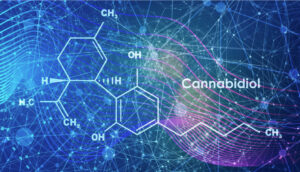
Fortunately, the chemistry behind it is simpler than it sounds. THCa is essentially THC with an extra atomic group—a carboxyl group, to use the technical term. It’s precisely this small addition that makes all the difference, because it’s bulky enough to prevent the molecule from properly binding to the CB1 receptors in your brain—the receptors responsible for the high.
In short: Nothing happens until that extra piece is broken down. That’s exactly why fresh cannabis flowers don’t get you high. The conversion simply hasn’t taken place yet.

Our Best Sellers
Discover the most popular Norddampf products
What is THC?
THC, or delta-9-tetrahydrocannabinol, is the compound most people actually think of when they talk about the effects of cannabis. Structurally, it is the same basic molecule as THCa, just without the carboxyl group. This single change is enough to completely alter its behavior in the body.
Without the interfering carboxyl group, THC binds easily to CB1 receptors in the endocannabinoid system, the biological signaling system that, among other things, mediates the psychoactive effects of cannabis. THC is not present in significant amounts in raw, fresh cannabis. It must first be produced—and the mechanism that produces it is heat.
A quick clarification: Delta-9-THC is the primary psychoactive compound in cannabis and the one discussed in this article. Delta-8-THC is a different isomer with its own profile and is a completely separate topic.
Key Takeaways: THCa vs. THC at a Glance
Before we dive into the chemistry of the conversion itself, here’s a direct comparison of the two compounds. It highlights the structural and practical differences that matter most to vaporizer users.
| Property | THCa | THC |
| Molecular form | Acidic precursor with a –COOH group | Neutral cannabinoid, –COOH removed |
| Occurs in | Fresh/undried cannabis flowers and hemp | Heated or aged cannabis |
| Psychoactive? | No | Yes |
| Does it bind to CB1 receptors? | Not effective | Yes |
| Caused by | Enzyme activity of the plant derived from CBGA | Decarboxylation by heat |
| Typical activation temperature | Not applicable, raw form | Begins at approximately 105 °C; complete above 160 °C |
| Stability | Slowly converts to THC through exposure to light, heat, or time | Stable when stored properly; degrades over time to CBN |
The next section explains what actually happens during this conversion and why the temperature you choose does more work than most people realize.
What happens when you apply heat? Decarboxylation Explained
The reaction is called decarboxylation, and the observant among you will notice: the clue is right there in the name. In short, heat breaks off this carboxyl group, which escapes as CO₂, leaving THC behind. The full equation looks like this:
THCa + heat → THC + CO₂
Temperature is everything. Not much happens below 160 °C. Between 160 and 220 °C—the range where most vaporizer sessions take place—you get a steady, controllable conversion that preserves the beneficial compounds. If you go beyond 230 °C toward combustion, you’ll convert everything instantly, but you’ll burn off the terpenes and end up with a lot of byproducts in the process.
It's a balancing act—and that very balancing act is a strong argument in favor of vaping, because you control what gets vaporized and how quickly.
Of course, we’re deliberately describing this in simple terms and leaving out some of the scientific details of the process so you don’t get bored to death. If you’d like a detailed explanation of the process, our guide to decarboxylation goes into much greater depth.
Why Temperature Control Is Important for Vaporizer Users
Knowing the thresholds is one thing. The question that really matters to you during the session is simpler: What does each temperature do for you?
| temperature range | What happens | Practical result |
| Low (160–185 °C) | Partial decarboxylation, lower steam production | More of the terpene character is preserved, resulting in a smoother and lighter experience |
| Medium (185–200 °C) | More complete conversion, denser vapor | A richer experience, with a good balance of flavor and potency |
| High (200–220 °C) | Nearly complete decarboxylation; most of the volatile terpenes have evaporated | The most intense vapor, less aromatic complexity |
One small caveat, however: This table cannot account for the device’s accuracy. If a vaporizer’s temperature display is off by 10 °C or 15 °C, the user won’t know what temperature range the device is actually operating in.
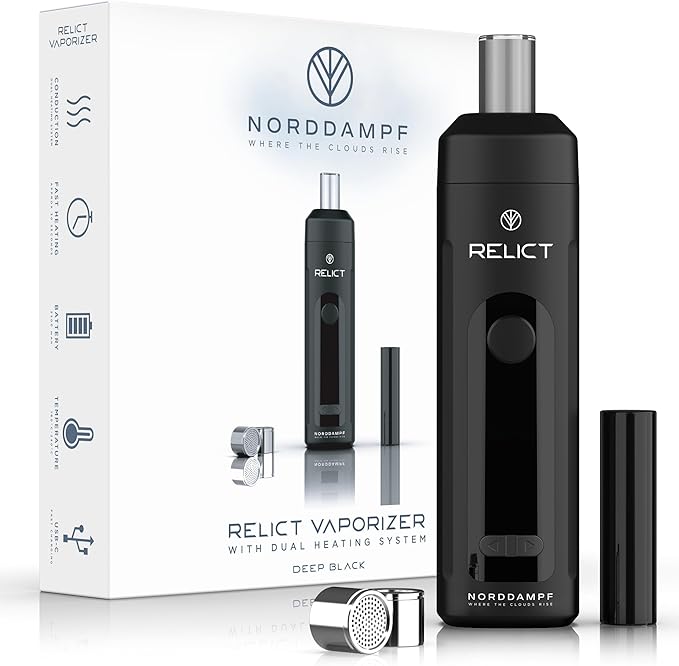
The displayed temperature and the actual chamber temperature may differ—and this discrepancy undermines everything. Devices like the RELiCT are designed for precise temperature control and offer 1°C increments so that the display shows exactly what’s happening inside the chamber.
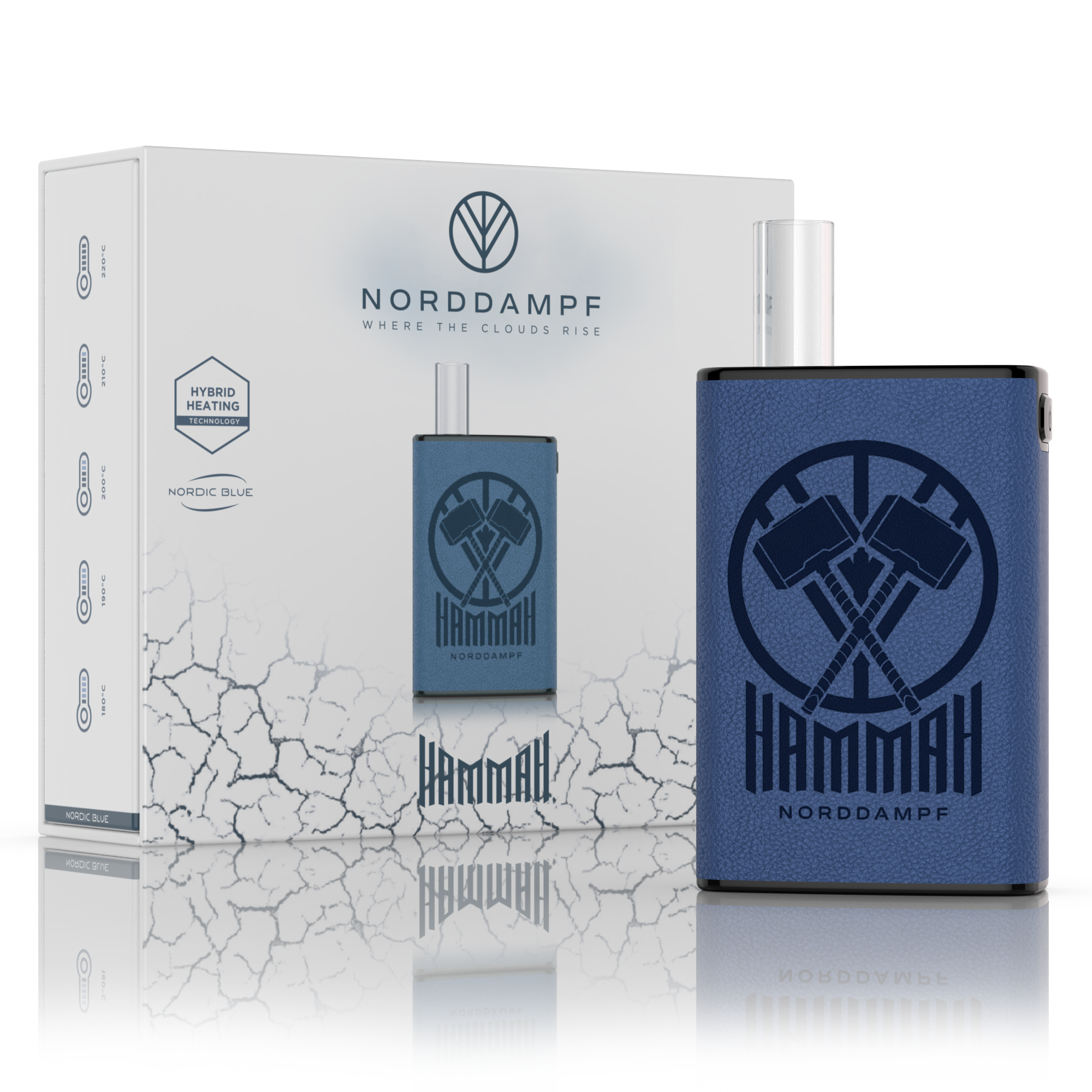
If you're looking for something more affordable without sacrificing accuracy, the HAMMAH reliably covers the core temperature range at a lower price.
Either way, the practical takeaway is this: Your temperature setting is a control that directly regulates the conversion rate of THCa to THC in real time. A device that can’t maintain this temperature precisely takes that control out of your hands. Keep that in mind if you’re ever considering a cheap, poorly built vaporizer with inaccurate functionality!
Does THCa get you high?
Definitely not. At least not in its raw form.
As mentioned above, the reason lies in the structure. The carboxyl group on the THCa molecule prevents it from effectively binding to CB1 receptors in the brain. No significant CB1 binding means no psychoactive effect. The signaling pathway is simply not activated.
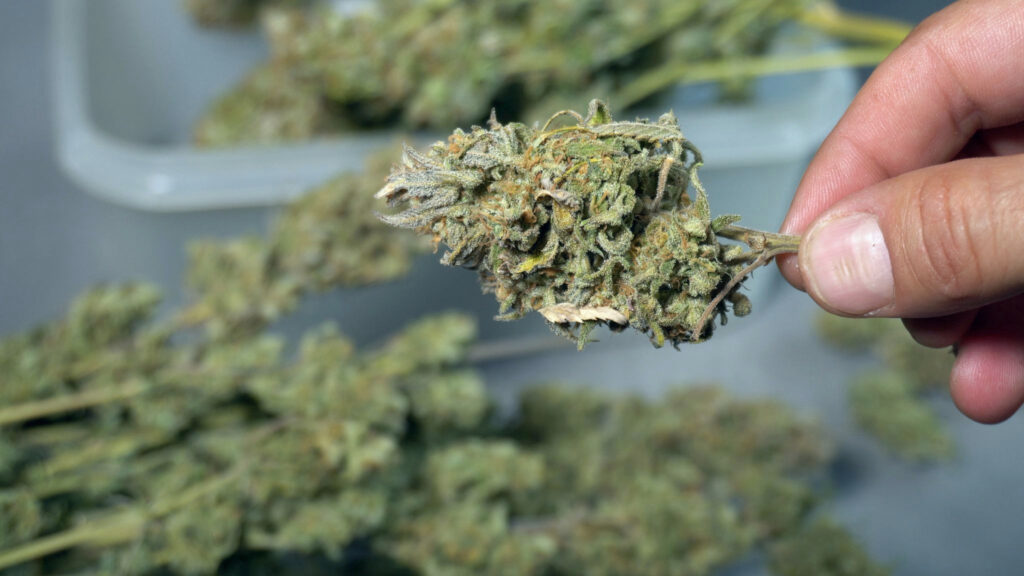
The clearest real-world example is the consumption of raw cannabis. People who juice fresh cannabis leaves or blend fresh flowers into smoothies primarily ingest THCa—and the experience is fundamentally different from that of heated cannabis.
Some research is investigating whether THCa might have its own properties in the body, independent of its conversion to THC. However, this research is still in its early stages, and it would be wrong to make specific claims about what these properties are or what they might mean in practice.
For anyone who uses a vaporizer, the key point is this: As soon as you fill your chamber and apply heat, decarboxylation begins immediately. Every degree on your temperature control actively influences how much THCa is converted and how quickly.
| ℹ️ New to vaping? Check out our ultimate vaporizer guide for beginners explains the basics and more. |
THCa vs. THC: Legal Issues in Europe
Most European regulations set their limits based on THC, not THCa. Since raw THCa does not get you high, it often falls into a different legal category.
One value you should know is the total potential THC. This is the value you would get if every bit of THCa in a sample were completely converted. The calculation, in case you're interested, is: THC + (THCa × 0.877). The factor 0.877 accounts for the loss of mass that occurs when the carboxyl group is removed. You’ll see this value on COAs, or certificates of analysis. If you’re careful about the quality of your sources, it’s worth knowing what it means.
On top of that, the map is getting a bit confusing, to put it mildly. Germany, France, the United Kingdom, Poland, and other countries all have their own legal frameworks, which are constantly changing. Ultimately, anything we state today could already be wrong by next year.
So keep it as simple as possible: Read your provider’s Terms of Service, check the current rules in your country, and consult a qualified authority if you’re unsure. This area of the law is still evolving—don’t let any single article, not even this one, be your final word.
Conclusion
THCa is therefore the raw precursor. THC is the activated, “mature” form. Heat drives the conversion between the two, and the temperature at which this heat is applied determines how complete the conversion is and what else survives the process.
For anyone who uses a dry herb vaporizer, this chemical reaction takes place in the chamber during every session. Once you understand what the temperature thresholds mean, you’ll get a clearer picture of what you’re actually controlling when you turn the dial—and why your device’s accuracy is more important than it might seem at first glance.
Want to discover devices designed specifically for this level of precision? The Norddampf is a great place to start—and it’s popular for good reason.
Frequently Asked Questions
Is THCa the same as THC?
No, THCa is the acidic precursor to THC. The basic structure is similar, but an additional carboxyl group means it doesn't get you high until heat converts it. That one difference changes everything about how it behaves in the body.
At what temperature does THCa turn into THC?
Decarboxylation begins at about 105 °C (221 °F). The process accelerates above 160 °C and is nearly complete at about 220 °C. Most vaporizer sessions with dry herbs fall within the range of 160–220 °C, placing them squarely within the active conversion window.
Can you feel the effects of THCa without heating it?
In its raw form, THCa does not bind effectively to CB1 receptors; therefore, consuming it without heat does not produce the same effects as heated cannabis. People who consume fresh, raw cannabis—such as in juice or smoothies—are primarily ingesting THCa. The experience is therefore significantly different. Heat is the necessary step.
Why does the temperature of my vaporizer affect my experience?
Different temperatures activate different compounds. Lower heat preserves terpenes better but only partially converts THCa; higher heat completes the conversion but burns off aromatic complexity. Precise control allows you to manage this trade-off effectively.
Is THCa legal in Europe?
The legal status varies depending on the country and the specific legal framework. In many European countries, the legal limits are based on THC content, and THCa is treated separately because it is not psychoactive in its raw form. Always check the regulations in your specific country and consult official sources.
Does a vaporizer convert all THCa into THC?
Most of it, but rarely all of it. How complete the conversion is depends on temperature, session duration, and device accuracy. Precise, consistent temperature control gives you the best chance of reaching your goal.
Sources
Progress in the Chemistry of Organic Natural Products, Molecular Targets of Phytocannabinoids: A Complex Picture — https://www.ncbi.nlm.nih.gov/pmc/articles/PMC5345356/
British Journal of Pharmacology, " The Diverse CB1 and CB2 Receptor Pharmacology of Three Plant Cannabinoids " — https://www.ncbi.nlm.nih.gov/pmc/articles/PMC2219532/
Forensic Science International, " Isolation of Δ9-THCA-A from hemp and the determination of Δ9-THC in cannabis products " — https://pubmed.ncbi.nlm.nih.gov/15734106/
Journal of Chromatography A, Determination of cannabinoid acids by HPLC: a study of the decarboxylation of cannabinoid acids in plant material — https://pubmed.ncbi.nlm.nih.gov/2081043/
Cannabis and Cannabinoid Research, Decarboxylation Study of Acidic Cannabinoids — https://www.ncbi.nlm.nih.gov/pmc/articles/PMC5549281/
European Monitoring Center for Drugs and Drug Addiction (EMCDDA), Cannabis Drug Profile — https://www.emcdda.europa.eu/publications/drug-profiles/cannabis
This article is for informational purposes only and does not constitute medical advice. Always consult a qualified healthcare professional before using cannabis products for health-related purposes.